Storks
"Unpack the chaos of the winged gig economy."
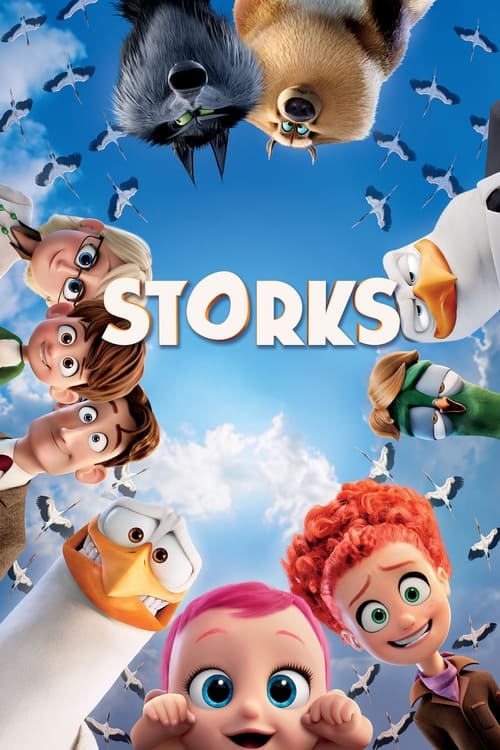
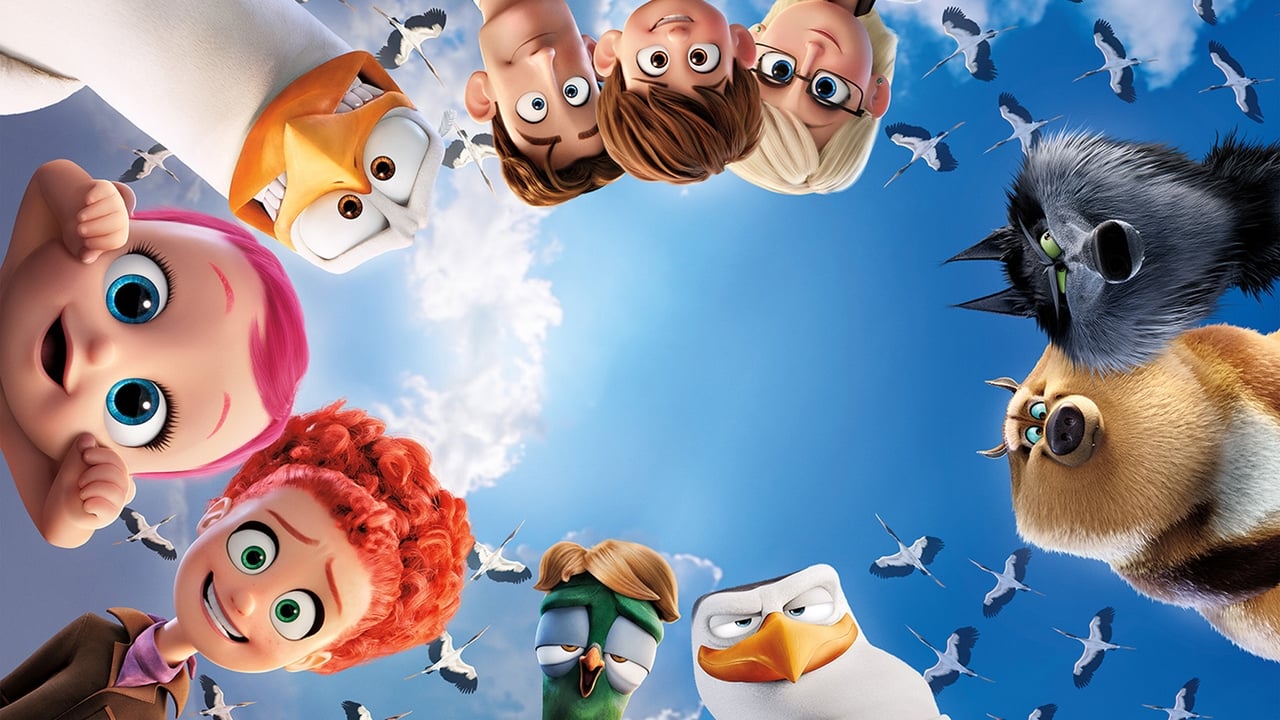
I distinctly remember watching Storks for the first time while nursing a lukewarm cup of peppermint tea that had a single, lonely ant floating in it. I didn't even care. I was too busy trying to process the fact that I was watching a pack of wolves transform themselves into a fully functioning sensory-accurate submarine. It is the kind of movie that catches you off guard with its sheer, unadulterated commitment to the bit—a frantic, sugar-spun adventure that feels like it was written by someone who had been awake for 72 hours and survived solely on espresso beans.
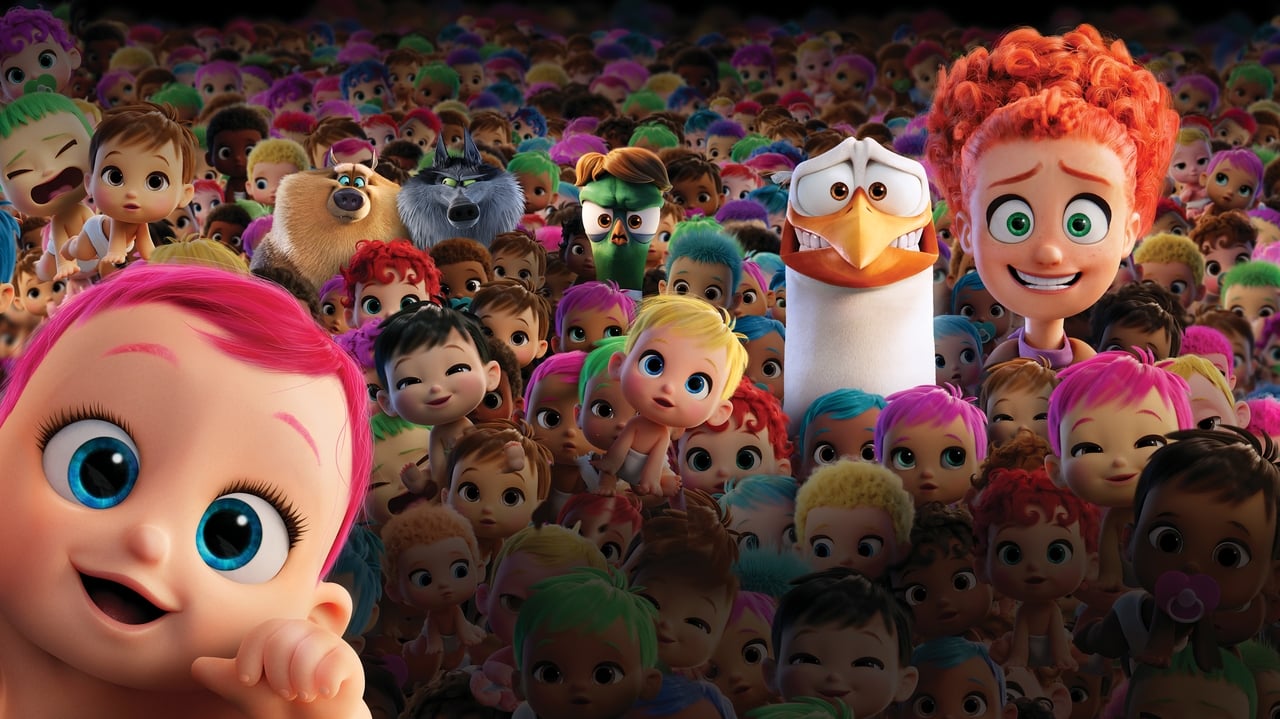
Released in 2016, a year that saw heavy hitters like Zootopia and Moana dominating the cultural conversation, Storks initially felt like a bit of an underdog. Produced by the Warner Animation Group—the same mad geniuses who gave us The LEGO Movie—it carried that same DNA of hyper-active wit and subverted expectations. While it did decent business at the box office, its real life began in the years following, where it blossomed into a genuine cult favorite for parents and animation nerds who realized that this wasn't just another "talking animal" flick. It was a weird, wonderful anomaly.
The Wolf Pack and the Art of the "Unhinged"
The plot is ostensibly a standard adventure: Junior (Andy Samberg, bringing that signature Brooklyn Nine-Nine manic-precious energy) is a corporate climber at Cornerstore.com, a retail giant that has replaced the traditional baby-delivery business with a drone-like courier service. When the accidental activation of a dormant "Baby Making Machine" produces a stowaway infant, Junior teams up with Tulip (Katie Crown), the only human on Stork Mountain, to deliver the package before the boss finds out.
But the "what" of Storks matters far less than the "how." Directed by Nicholas Stoller (the guy behind Forgetting Sarah Marshall) and Doug Sweetland, the film moves with a rhythmic, screwball comedy pace that feels closer to Looney Tunes than the polished, sentimental beats of modern Disney. The Wolf Pack, led by comedic titans Key & Peele, is arguably the pinnacle of 2010s animation absurdity. Watching a hundred wolves form a bridge, a boat, and a minivan—all while maintaining a collective internal monologue about their love for the baby—is a level of "weird" that most big-budget studio films are too scared to touch. It’s that specific brand of internet-era randomness that feels tailored for the meme generation but grounded enough in character to actually work.
Finding Heart in the Gig Economy
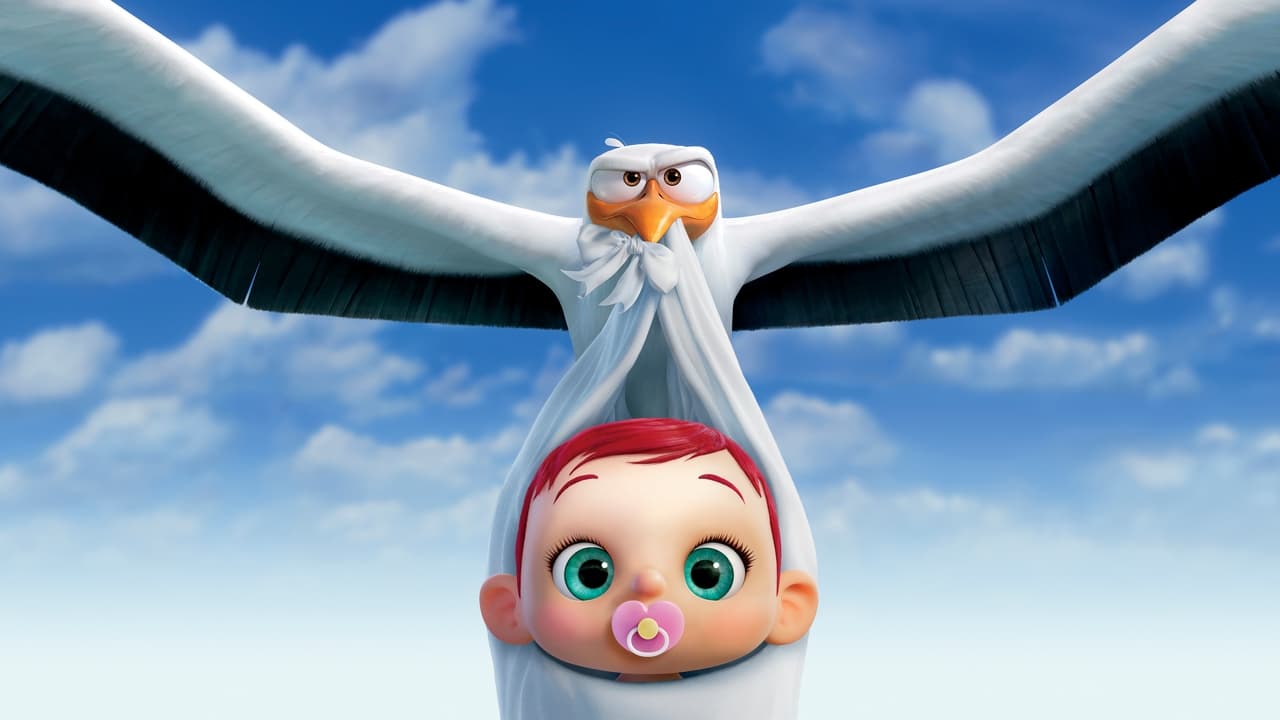
Beyond the wolves and the sentient pigeons, Storks actually has something surprisingly poignant to say about the modern hustle. Junior is obsessed with a promotion; the human family—played by Jennifer Aniston and Ty Burrell—are overworked realtors who have forgotten how to play with their son, Nate (Anton Starkman). In an era of "hustle culture" and the blurring lines between home and work, the film’s critique of the storks giving up their souls to become glorified Amazon delivery drivers hits a lot harder than it did back in 2016.
The chemistry between Andy Samberg and Katie Crown is what anchors the adventure. Tulip isn't just a sidekick; she’s a chaotic engine of optimism and trauma who was "orphaned" by the company. Her various "personas" (which she adopts to cope with having no human friends) are a comedic goldmine. There’s a scene where she and Junior are trying to keep the baby asleep while fighting off a group of penguins, and the entire sequence is conducted in a frantic, whispered silence. It’s a masterclass in physical comedy that relies entirely on sound design and timing, proving that the filmmakers knew exactly when to pull back the throttle and let a specific gag breathe.
The Secret Sauce of Stork Mountain
The cult status of Storks is sustained by the details that reveal themselves on the third or fourth viewing. Apparently, the "Silent Fight" scene mentioned above was a nightmare to produce—animators spent months obsessing over how to make a high-stakes action sequence feel "quiet." And then there’s Pigeon Toady. Voiced by Stephen Kramer Glickman, Toady is a triumph of "love-to-hate-him" character design. He’s a tiny, narcissistic bird with a voice like a chalkboard being scraped by a gold chain, and he manages to steal every scene he’s in.
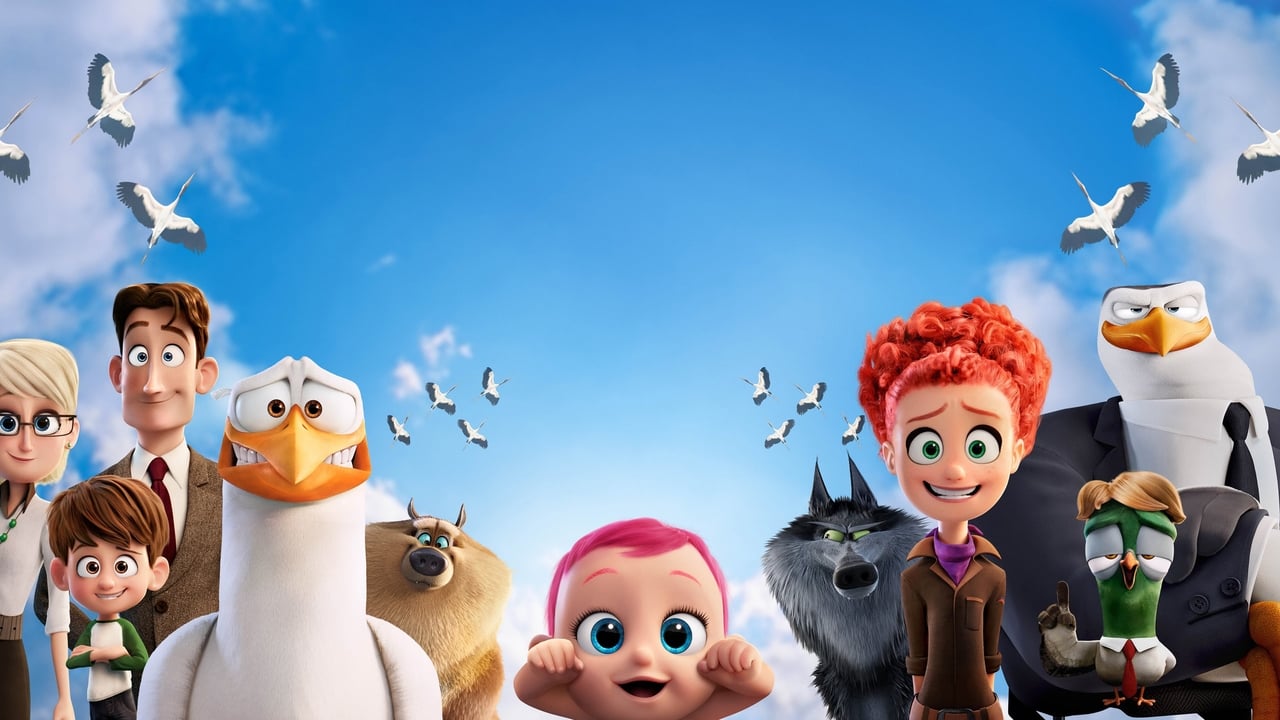
I’ve found that my appreciation for this movie grows every time I see it referenced in deep-cut internet circles. It represents a brief window in time where big studios were willing to let a writer-director from the world of R-rated live-action comedy run wild with a $70 million animation budget. It doesn't try to be "important" or "timeless" in the way a Pixar movie does; instead, it aims to be the funniest thing in the room at any given second.
The film's legacy isn't built on world-shattering technology or a massive franchise—it’s built on the fact that it’s just genuinely, weirdly funny. It captures the frantic energy of 21st-century life and wraps it in a story about a bird and a girl trying to do the right thing. In a landscape of sequels and "safe" IP, Storks remains a vibrant reminder that sometimes, the best adventures are the ones that are a little bit broken, a little bit loud, and a whole lot of fun.
Storks is a high-speed delivery of laughs that manages to stick the landing despite its frantic pace. It’s a film that respects its audience’s intelligence by never slowing down to explain its own absurdity. Whether you're here for the wolf-submarine or the surprisingly relatable parenting jokes, it’s an adventure that earns its place in the "hidden gem" category of modern animation. If you haven't seen it since its theatrical run, it’s time to revisit the flock.

Keep Exploring...
-

Hotel Transylvania: Transformania
2022
-
Chip 'n Dale: Rescue Rangers
2022
-

Trolls
2016
-
Cars 3
2017
-
Ferdinand
2017
-
Abominable
2019
-
Spies in Disguise
2019
-
Toy Story 4
2019
-
Onward
2020
-
The SpongeBob Movie: Sponge on the Run
2020
-
Trolls World Tour
2020
-

The Boss Baby: Family Business
2021
-
The Lego Movie 2: The Second Part
2019
-
Finding Dory
2016
-
The Angry Birds Movie
2016
-
Minions
2015
-
The SpongeBob Movie: Sponge Out of Water
2015
-
Kung Fu Panda 3
2016
-
Moana
2016
-
The Secret Life of Pets
2016