Sully
"208 seconds. One miracle. A lifetime of scrutiny."

I remember watching this for the first time on a flight—which, in hindsight, was a bold choice—while wrapped in one of those scratchy airline blankets that I’m 90% sure are made of recycled fiberglass. There is a specific kind of irony in watching Tom Hanks ditch a plane into the Hudson while you’re 30,000 feet over Nebraska, hoping the person in 14B doesn’t recline their seat any further. But that’s the thing about Sully: it’s a film that thrives on the tension between the terrifyingly extraordinary and the mundanely professional.
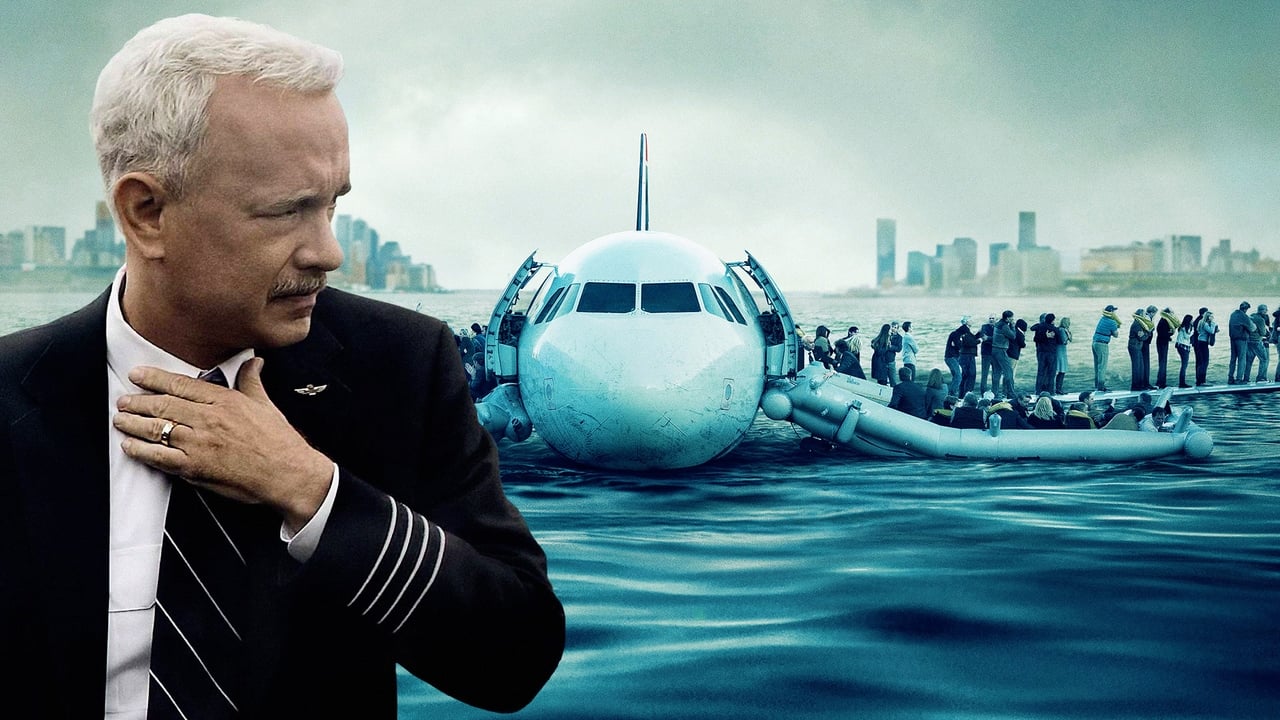
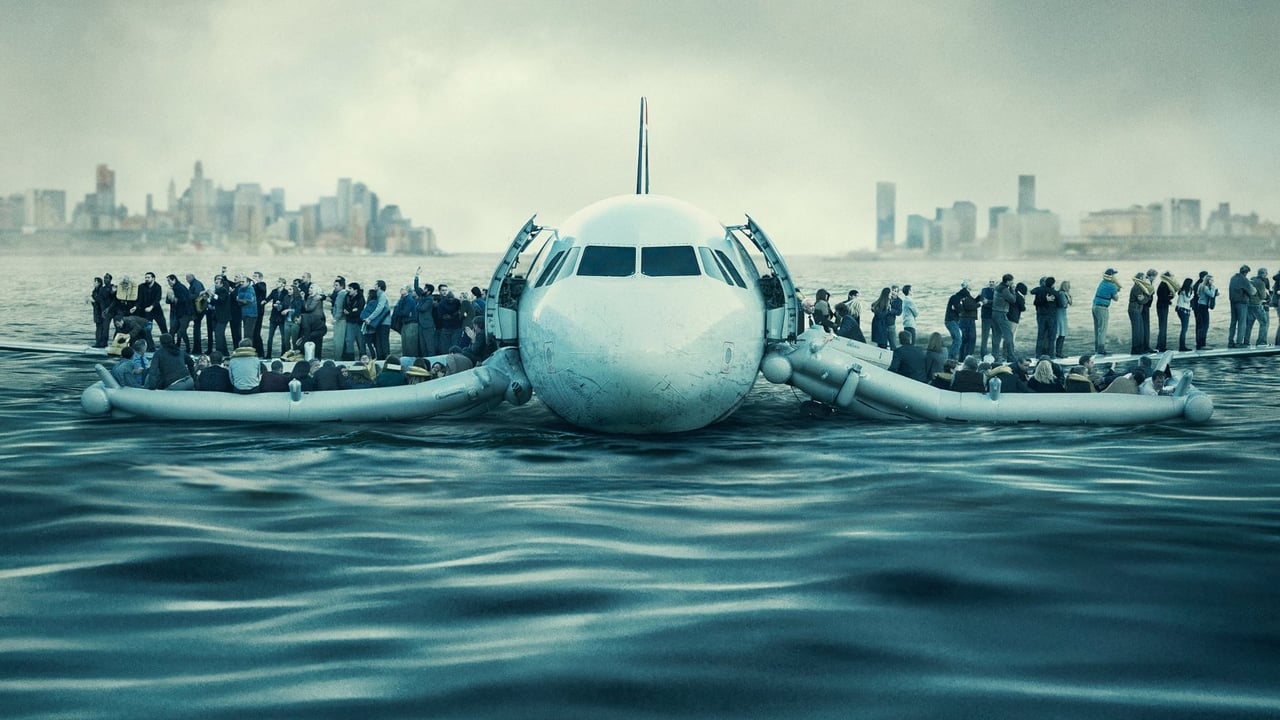
When we think of the "Miracle on the Hudson," we think of the grainy news footage and the sight of 155 people standing on the wings of a sinking Airbus A320. We think of it as a finished story with a happy ending. Clint Eastwood, ever the fan of the "competent man under fire" trope, decided to dig into the part we didn’t see—the bureaucratic nightmare that followed.
The Trial of a Hero
The genius of the screenplay by Todd Komarnicki is that it doesn’t just show us the crash once. It loops back, showing us the event through different lenses: Sully’s PTSD-riddled nightmares, the cold data of flight simulators, and finally, the actual, harrowing reality. This structure turns what could have been a thin, one-note docudrama into a psychological study.
I’ve always felt that Tom Hanks has reached a point in his career where he doesn't even need to speak; he just has to exist on screen with a certain level of weary integrity. As Chesley Sullenberger, he’s all gray hair and quiet precision. He plays Sully not as a cape-wearing savior, but as a guy who was just doing his job and is deeply annoyed that the math is being questioned. Beside him, Aaron Eckhart (of The Dark Knight fame) provides the perfect foil as Jeff Skiles. Their chemistry is built on the shared language of pilots—short sentences, dry humor, and a total lack of panic. Eckhart’s mustache deserves its own IMDB credit, honestly; it’s the most trustworthy facial hair in cinematic history.
The Villainy of the Board
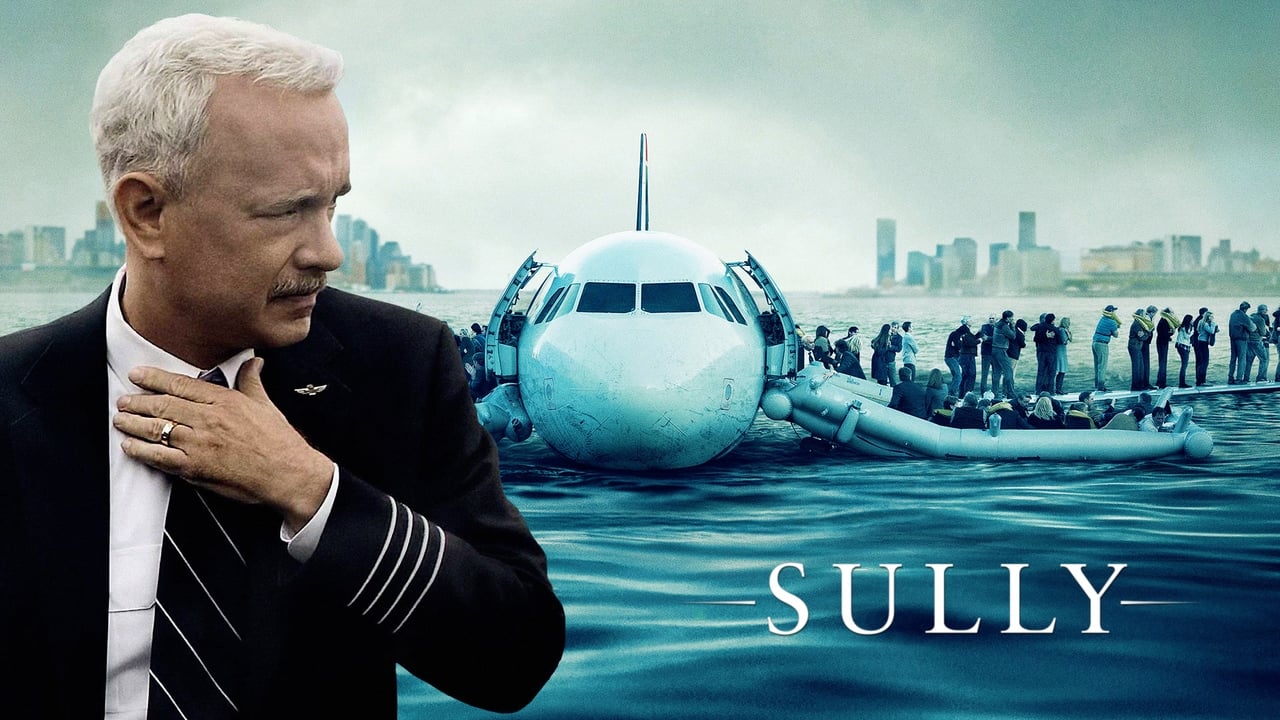
If there’s a point of contention in this film, it’s the portrayal of the National Transportation Safety Board (NTSB). In the movie, the investigators—played with a wonderful, bureaucratic coldness by the likes of Mike O’Malley and Jamey Sheridan—come across like Disney villains who hate puppies and also safe landings.
In reality, the NTSB investigation wasn’t nearly this adversarial, but for the sake of drama, it works. It creates a "man vs. machine" conflict where the machine is the computer simulation telling Sully he could have made it back to LaGuardia. I found myself rooting for Sully to prove the "math" wrong, which is a testament to Eastwood’s ability to make a public hearing feel as high-stakes as a dogfight. It’s "competence porn" at its absolute finest.
A Giant of Contemporary Cinema
From a production standpoint, Sully was a massive swing that paid off. It was the first film to be shot almost entirely with IMAX cameras, which seems like overkill for a movie that takes place mostly in hotel rooms and hearing chambers—until you see the crash. The scale of the Hudson sequence is breathtaking. It doesn't feel like a CGI spectacle; it feels like a heavy, metal bird falling out of the sky.
The film was a certified blockbuster, raking in $240.8 million against a $60 million budget. In an era increasingly dominated by the MCU and Star Wars legacy sequels, Sully proved that there was still a massive audience for "grown-up" movies—films about real people, real stakes, and real skill. It tapped into a post-9/11 New York psyche, offering a story about a plane in the city that actually had a happy ending.
One of my favorite bits of trivia is that many of the ferry captains and rescue workers who appear in the movie were the actual people who responded on that day in 2009. Eastwood wanted that authenticity, and it shows. When you see the boats pulling up to the plane, those aren't just extras; they’re the people who lived it.
At its heart, Sully is a tribute to the idea that being good at your job matters. It’s a lean, 96-minute masterclass in efficiency, mirroring the very man it’s about. While it might lean a little too hard on making the NTSB look like the bad guys, the central performance by Tom Hanks and the visceral recreation of the ditching make it an essential piece of modern historical drama. It’s the kind of movie that makes you want to thank your pilot on the way out, even if your flight was just a boring two-hour hop to Chicago.


Keep Exploring...
-
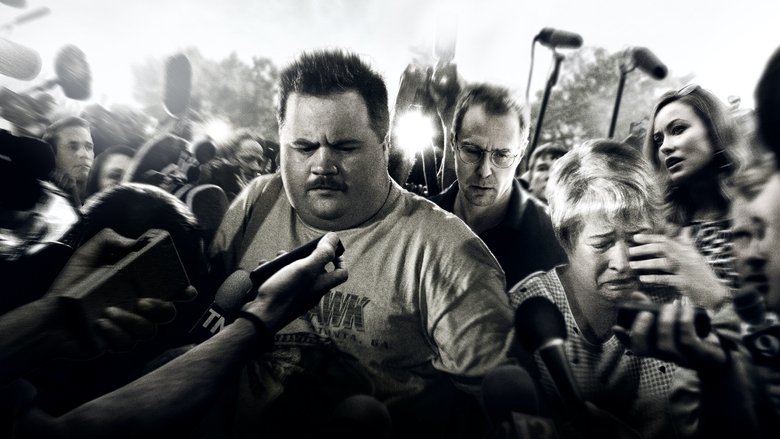
Richard Jewell
2019
-
The Mule
2018
-
The Post
2017
-
Everest
2015
-
Ip Man 4: The Finale
2019
-

Bridge of Spies
2015
-
J. Edgar
2011
-
Ip Man 3
2015
-
Darkest Hour
2017
-
Downton Abbey
2019
-

The Professor and the Madman
2019
-
Flags of Our Fathers
2006
-
Invictus
2009
-
Black Mass
2015
-

In the Heart of the Sea
2015
-
13 Hours: The Secret Soldiers of Benghazi
2016
-
The Finest Hours
2016
-
Hostiles
2017
-
First Man
2018
-
1917
2019