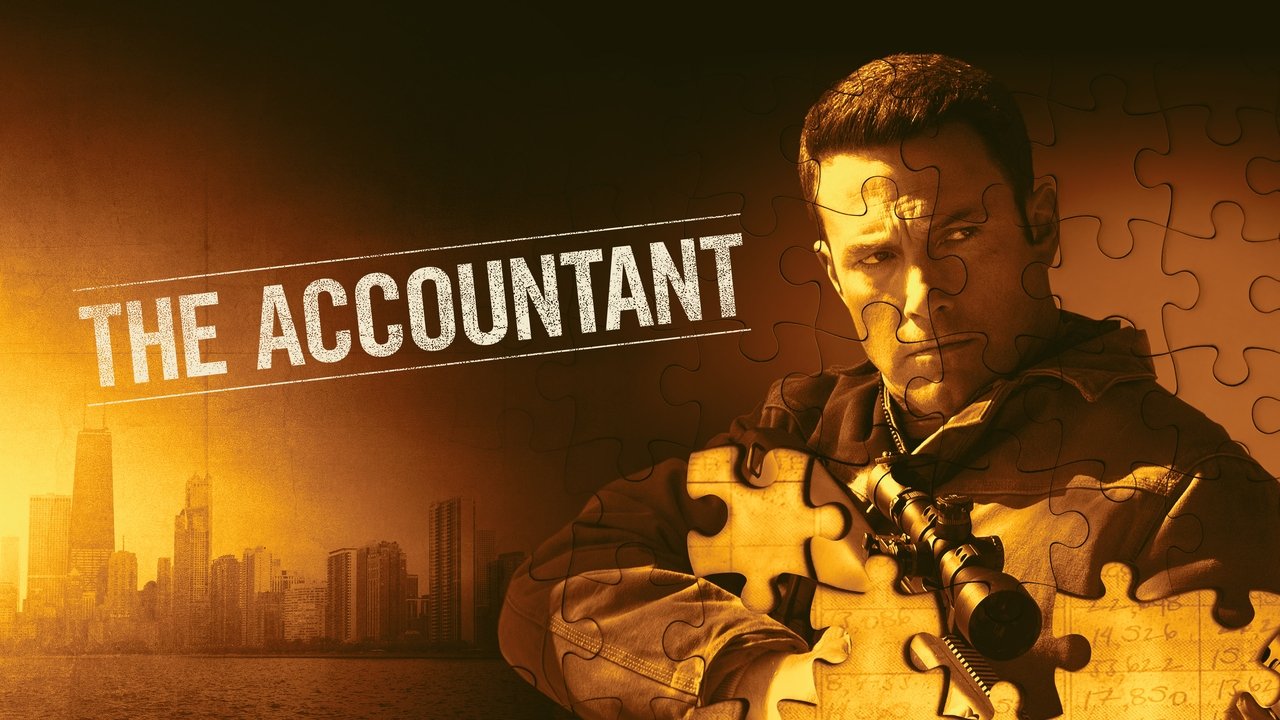
The Accountant
"He’ll crunch the numbers. And your bones."
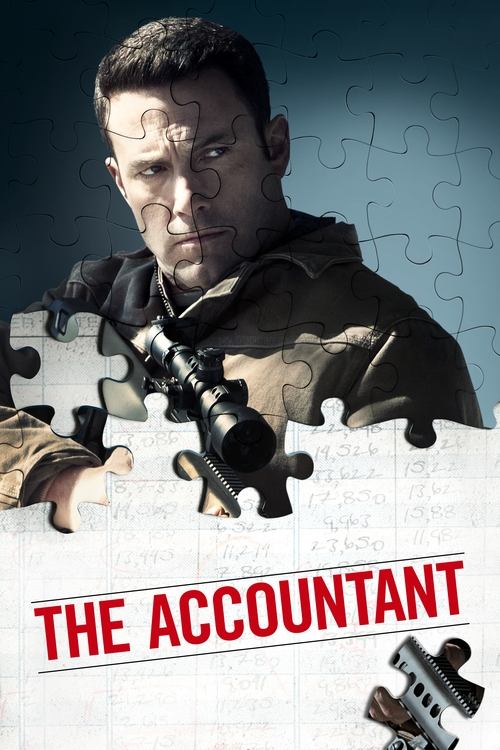
There is a specific, tactile sound at the heart of The Accountant—the rhythmic, aggressive scraping of a wooden dowel against a shinbone. It’s uncomfortable, methodical, and entirely representative of the film’s strange DNA. Most action thrillers want to be sleek and frictionless, but this movie wants you to feel every jagged edge of its protagonist’s psyche. I watched this for the first time while nursing a slightly burnt batch of microwave popcorn, and honestly, that charred, over-salted crunch felt like the perfect sensory companion to Ben Affleck’s stiff, salt-of-the-earth intensity.
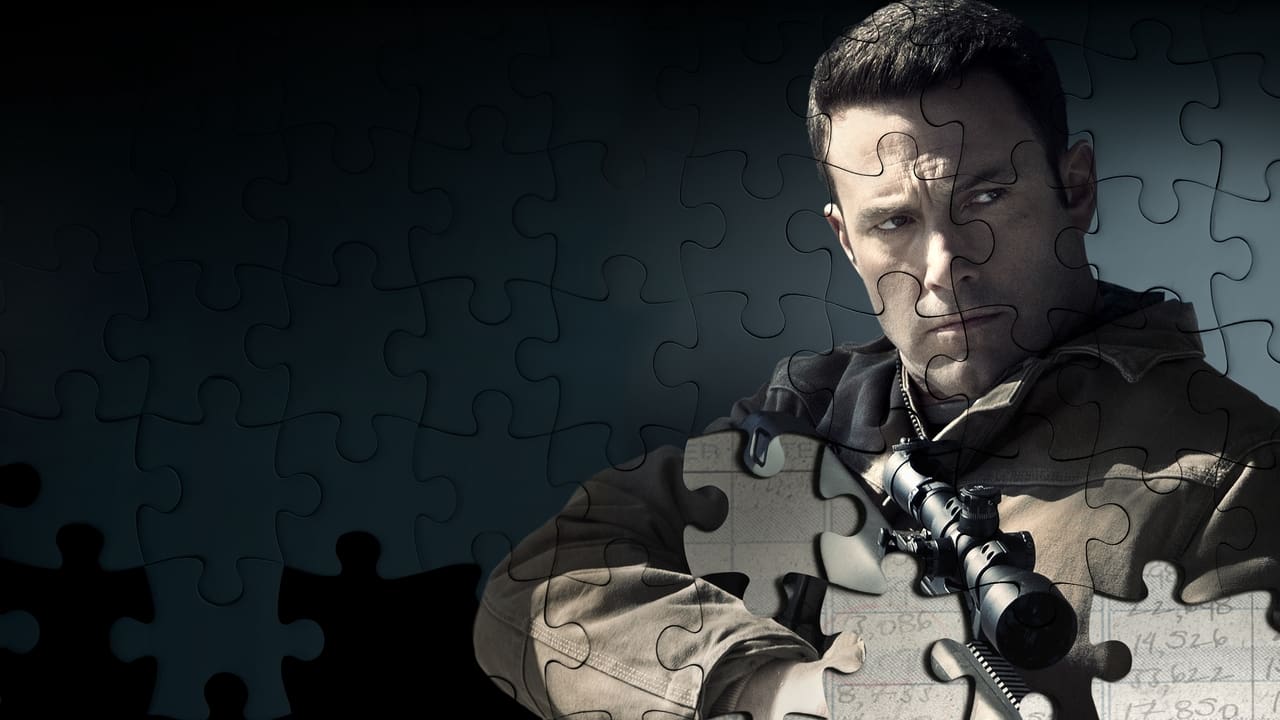
The Math of the Macabre
On paper, the premise sounds like a discarded "Saturday Night Live" sketch: What if an accountant... was also a ninja? It’s the kind of high-concept pitch that usually signals a frantic, tongue-in-cheek romp. Yet, director Gavin O'Connor—who previously gave us the bruisingly emotional Warrior (2011)—treats the material with the gravity of a Shakespearean tragedy. He leans into the "Dark/Intense" modifier with total sincerity. Christian Wolff isn’t a quippy hero; he’s a man living in a self-imposed prison of ritual and forensic accounting, blowing on his fingers before he touches his keyboard like he’s prepping for a concert.
Ben Affleck is genuinely fascinating here. Coming off his turn as the world's most cynical Batman, he strips away the charisma and gives us a protagonist who is perpetually overwhelmed by the world's sensory input. It’s a performance of restraint. When he’s "uncooking" the books for Living Robotics, he isn't just looking for numbers; he’s looking for order in a chaotic universe. I love the way the film visualizes his process—not with floating holographic UI screens like a Marvel movie, but with markers, glass walls, and a deep, heavy silence.
A Rare Mid-Budget Titan
In our current era of "mega-franchise or bust," The Accountant feels like a relic from a parallel dimension where adult-oriented, mid-budget thrillers still rule the multiplex. It cost $44 million—a modest sum by today's standards—and raked in over $155 million. Why? Because it’s "Dad Cinema" at its absolute zenith. It offers the kind of structured, competent storytelling that audiences crave when they’re tired of multiverses and CGI sky-beams.

The supporting cast is an embarrassment of riches. Anna Kendrick plays Dana Cummings, the junior accountant who inadvertently stumbles into a conspiracy, and her presence is vital. She provides the "normal" perspective, but she doesn't treat Christian like a freak or a prop. Their chemistry is delightfully awkward; it’s less of a romance and more of two nerds bonding over a shared love of Ledger-standardization. Meanwhile, J.K. Simmons (bringing that Whiplash authority) and Cynthia Addai-Robinson hold down the Treasury Department B-plot, which adds a layer of "the walls are closing in" tension that keeps the pacing tight.
But let’s talk about the lightning bolt that is Jon Bernthal. As the mercenary Brax, he brings a feral, kinetic energy that threatens to vibrate right off the screen. The ending is basically a superhero origin story for people who find Excel spreadsheets erotic, and Bernthal’s role in that climax is where the film’s emotional stakes finally collide with its body count.
Behind the Ledger
What really strikes me about this film in a contemporary context is how it handles neurodiversity. While it certainly leans into the "autism-as-superpower" trope—complete with a backstory involving brutal martial arts training in Indonesia—it manages to feel more grounded than most. Apparently, Ben Affleck spent months meeting with people on the spectrum to ensure his physical tics and speech patterns weren't just caricatures.
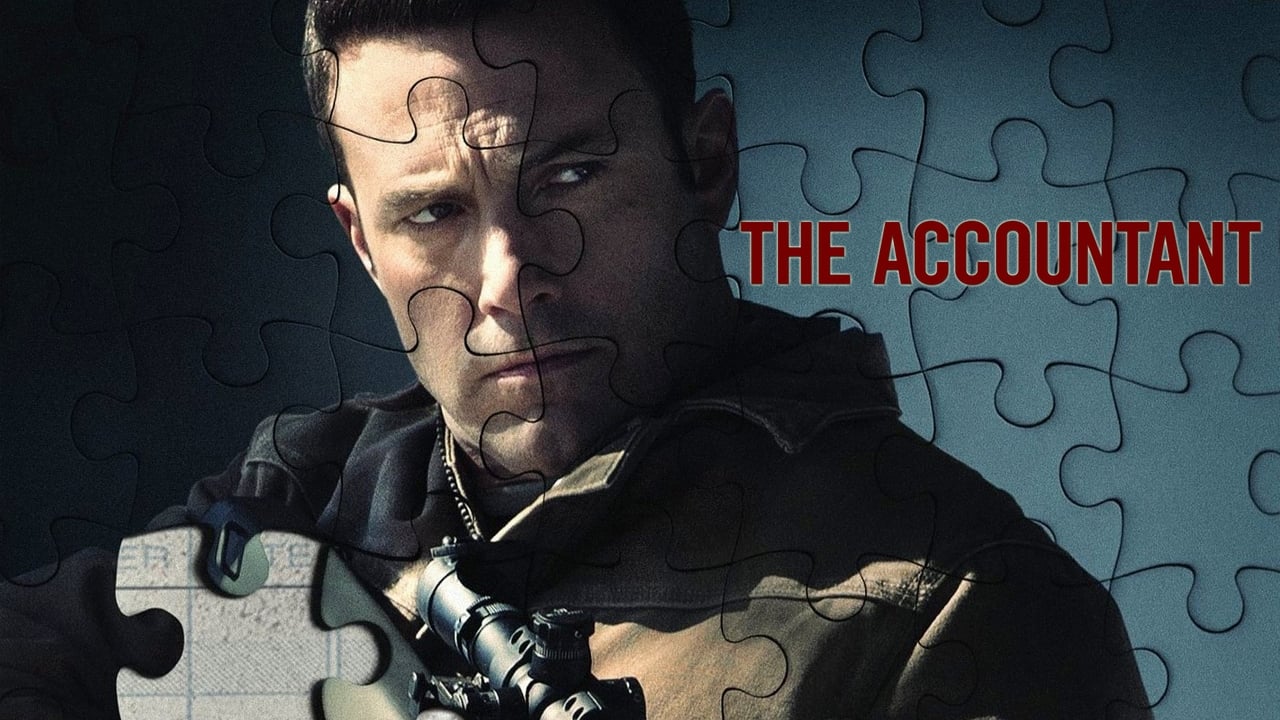
The production was equally committed to authenticity in its violence. The fighting style Wolff uses is Pentjak Silat, a brutal Indonesian martial art that focuses on efficiency and breaking limbs. There’s no wasted movement. It mirrors the character's internal logic: if a problem exists, solve it in the fewest steps possible. It’s also worth noting that John Lithgow shows up to do what John Lithgow does best—exuding a grandfatherly warmth that masks a cold, corporate heart.
I’ve always been a sucker for the "Solomon Grundy" nursery rhyme used as a grounding mantra throughout the film. It adds a gothic, almost mythic quality to a story that could have easily been a generic procedural. It’s those little eccentricities—the Airstream trailer filled with fine art and gold bars, the Jackson Pollock painting on the ceiling—that make the film stick in your ribs long after the credits roll.
The Accountant is a weird, wonderful anomaly. It’s a film that takes a patently ridiculous premise and executes it with such grim, tactical precision that you can't help but buy in. It’s not a "masterpiece" in the traditional sense, but it is a masterclass in how to make a high-concept thriller feel personal and weighty. If you’re looking for a movie that respects your intelligence while also giving you a front-row seat to some of the most efficient cinematic violence of the last decade, this is your audit. Just don't forget to blow on your fingers before you hit play.
Keep Exploring...
-

The Accountant²
2025
-

Patriots Day
2016
-

Snowden
2016
-

Uncut Gems
2019
-

Promising Young Woman
2020
-

Wrath of Man
2021
-
The Town
2010
-

Batman vs. Robin
2015
-

Suburra
2015
-

Live by Night
2016
-

Miss Sloane
2016
-

Good Time
2017
-

22 July
2018
-

The House That Jack Built
2018
-
El Camino: A Breaking Bad Movie
2019
-

Joker
2019
-

The Devil All the Time
2020
-

Bridge of Spies
2015
-

Don't Breathe
2016
-

It
2017