The Autopsy of Jane Doe
"The dead have plenty to say."
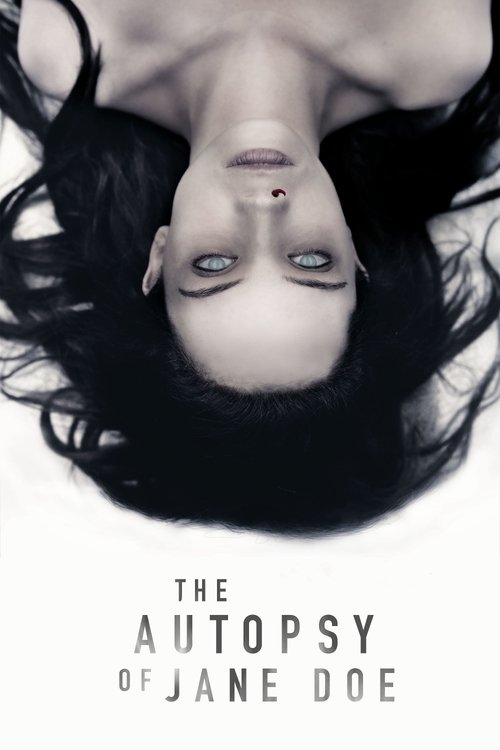
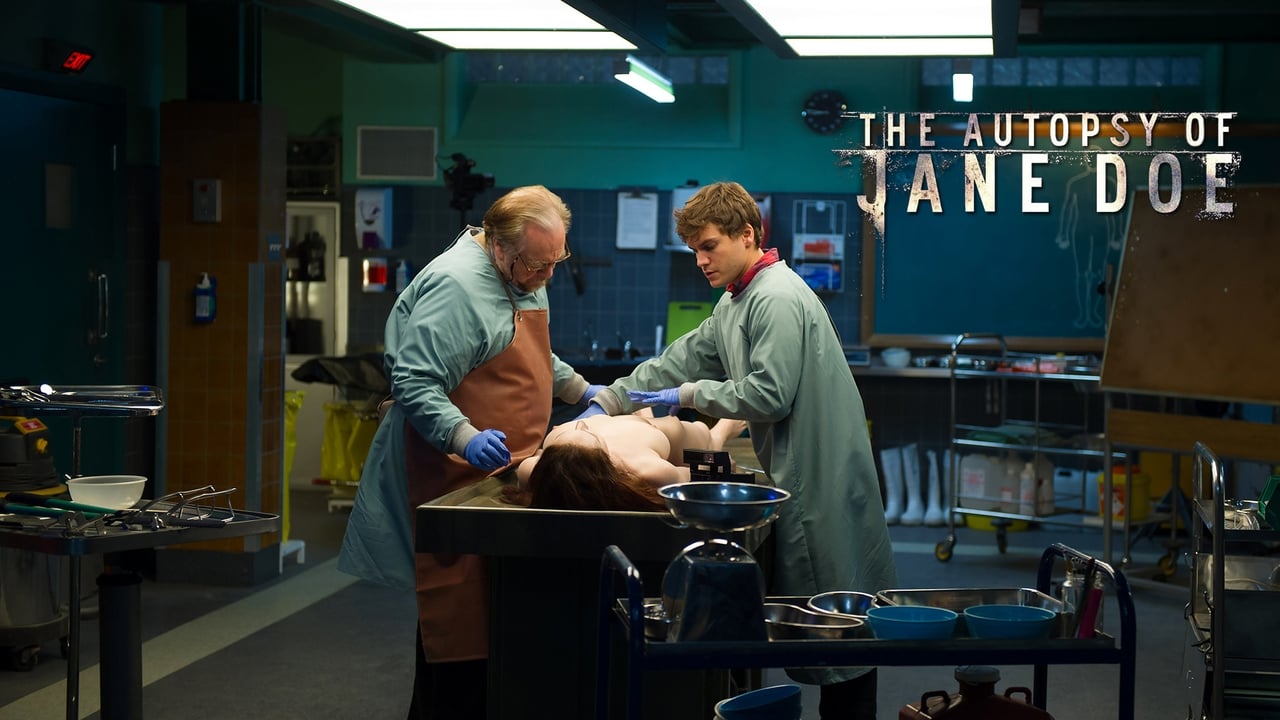
There is something deeply unnatural about a body that refuses to look like a corpse. Most "dead" actors in Hollywood look like they’re just holding their breath for a paycheck, but Olwen Catherine Kelly—the titular Jane Doe—achieves a level of stillness that is frankly upsetting. I watched this for the third time last Tuesday with a bowl of lukewarm popcorn that I’d forgotten to salt, and the blandness of the snack only highlighted how much the movie was making my stomach turn. It’s a film that demands your full attention, not because it’s loud, but because it is so calculatedly quiet.

In an era of cinema often defined by sprawling franchises and CGI-heavy spectacle, André Øvredal (the man who gave us the delightfully scrappy Trollhunter) decided to go the opposite direction. He locked two men in a basement with a cadaver and asked, "How much can we make the audience squirm without the body ever moving?" The result is a masterclass in claustrophobic tension that feels like a throwback to the days when horror relied on atmosphere rather than a $200 million marketing budget.
The Anatomy of a Mystery
The setup is deceptively simple. Brian Cox, playing Tommy Tilden, is a veteran coroner with a "just the facts" approach to death. His son, Austin, played by Emile Hirsch (Into the Wild), is learning the family trade while eyeing the exit door. They are handed a "Jane Doe" by Michael McElhatton (best known as the treacherous Roose Bolton from Game of Thrones), found at a bizarre crime scene with no signs of trauma. The clock is ticking, a storm is rolling in, and the autopsy begins.
The first half of this film is easily the tightest horror mystery of the last decade. It plays out like a procedural thriller. As Tommy and Austin peel back the layers—literally—they find things that shouldn't be there. A shattered pelvis with no bruising. Peat moss under the fingernails. A tongue cleanly severed. Øvredal treats the autopsy with a clinical reverence that makes the eventual supernatural pivot feel earned rather than forced. You aren't just watching a horror movie; you’re solving a puzzle alongside characters who are actually good at their jobs. There's nothing more frustrating than "dumb" horror characters, and the Tildens are refreshing in their competence.
Practical Magic and the Art of Stillness
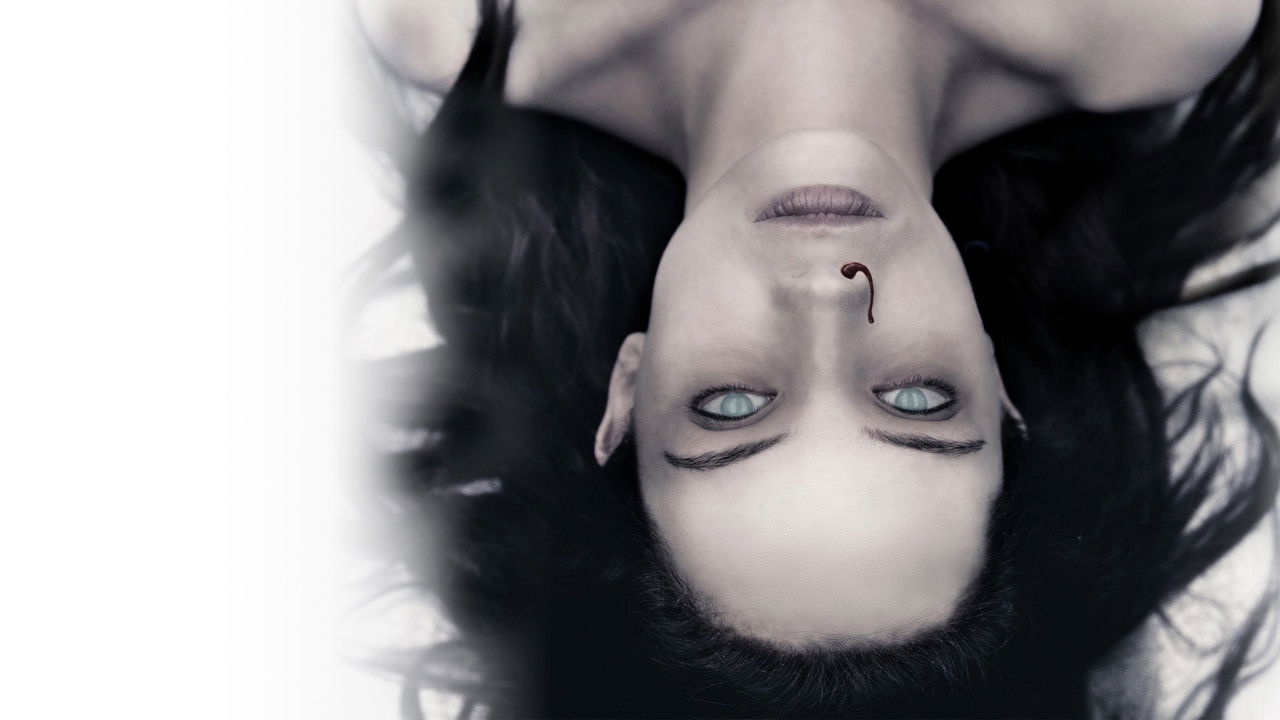
We need to talk about Olwen Catherine Kelly. Playing a corpse sounds like the easiest gig in the world until you realize she has to remain perfectly still while veteran actors poke and prod at her for weeks. She supposedly used meditation and yoga to control her breathing, and it shows. Her presence is a constant, radiating threat. Because the camera lingers on her face so often, every shadow that plays across her eyes feels like a potential blink. It’s a performance of pure stillness that anchors the entire film.
In a digital age, Øvredal’s reliance on practical effects is a godsend. The production used a prosthetic body for the more invasive "internal" shots, and the craftsmanship is hauntingly detailed. It’s gross, yes, but it’s tangible gross. You can almost smell the formaldehyde and the metallic tang of blood. The sound design follows suit—the wet snip of surgical scissors, the crunch of a ribcage, and the tinkling of the bell tied to the corpse's ankle. That bell is a classic "low-budget" horror trope that Øvredal revitalizes with surgical precision. When that bell rings in the dark, I dare you not to check the locks on your front door.
A Modern Indie Gem in a Franchise World
Released in 2016, The Autopsy of Jane Doe arrived right as the "A24-style" elevated horror wave was cresting, yet it feels distinct from the folk-horror of The Witch or the grief-trauma of Hereditary. It’s more of a "high-concept" indie that prioritizes the "thrill" in thriller. While it was a modest success at the box office, its true life began on streaming platforms, where word-of-mouth turned it into a contemporary cult classic.
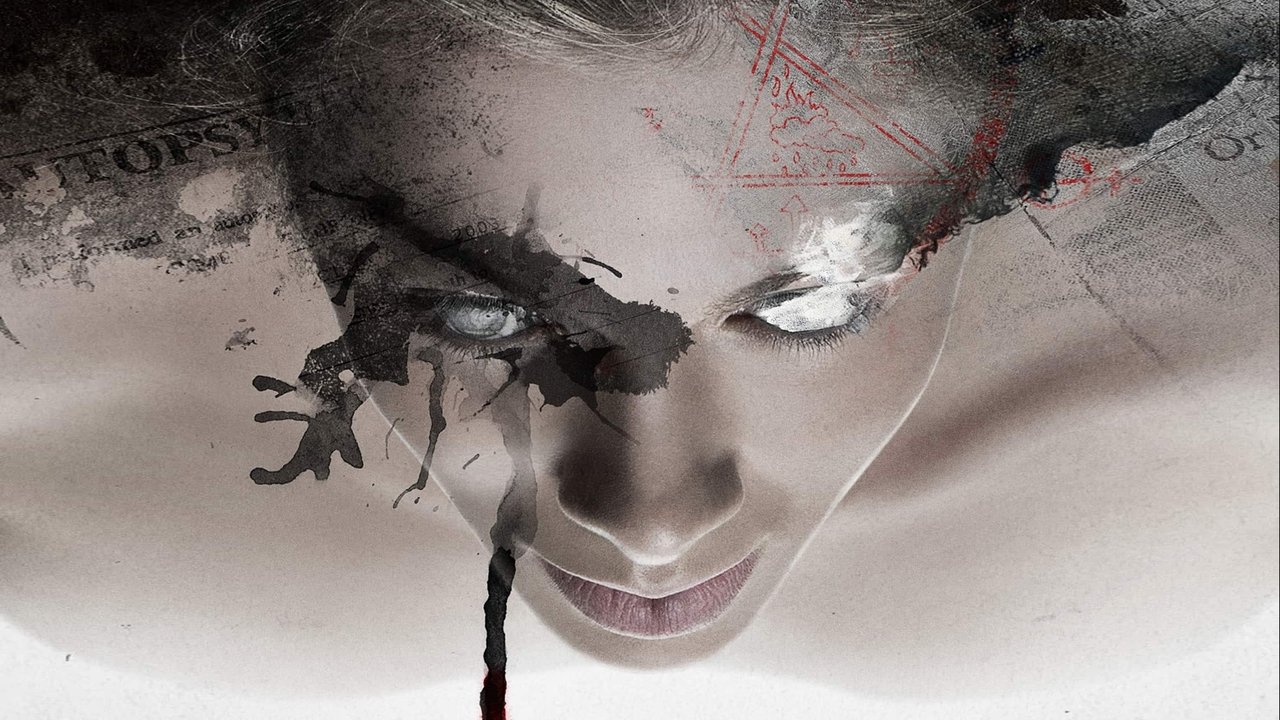
It represents a specific moment in independent cinema where filmmakers were realizing they didn't need a sprawling "cinematic universe" to tell a terrifying story. You just need a solid script and a director who understands that what we imagine happening under the skin is always scarier than what we see on the surface. The film does shift gears in the final act, moving away from the clinical mystery into more traditional "haunted house" territory, which some critics found jarring. I’d argue it’s a necessary release of the pressure valve—you can only hold that level of tension for so long before something has to break.
The Autopsy of Jane Doe is the kind of movie I find myself recommending to people who say they’re "bored" of modern horror. It’s a lean, mean, 86-minute machine that respects your intelligence and your phobias in equal measure. Brian Cox provides the soulful gravity, Emile Hirsch provides the audience's mounting dread, and Olwen Catherine Kelly provides a chilling reminder that some secrets are better left buried. If you haven't seen it, dim the lights, silence your phone, and prepare for a very long night in the basement. Just don't blame me if you start hearing bells in your sleep.
Keep Exploring...
-
Scary Stories to Tell in the Dark
2019
-
The Ritual
2017
-
I See You
2019
-
Circle
2015
-
It Follows
2015
-
Cam
2018
-
Summer of 84
2018
-
Unfriended: Dark Web
2018
-
Vivarium
2019
-
Bodies Bodies Bodies
2022
-
Get Out
2017
-
Happy Death Day
2017
-

Apostle
2018
-
Black Mirror: Bandersnatch
2018
-
Last Night in Soho
2021
-
The Night House
2021
-
The Last Voyage of the Demeter
2023
-
Host
2020
-
Crimson Peak
2015
-
Goodnight Mommy
2015