The Belko Experiment
"Corporate culture is a real killer."
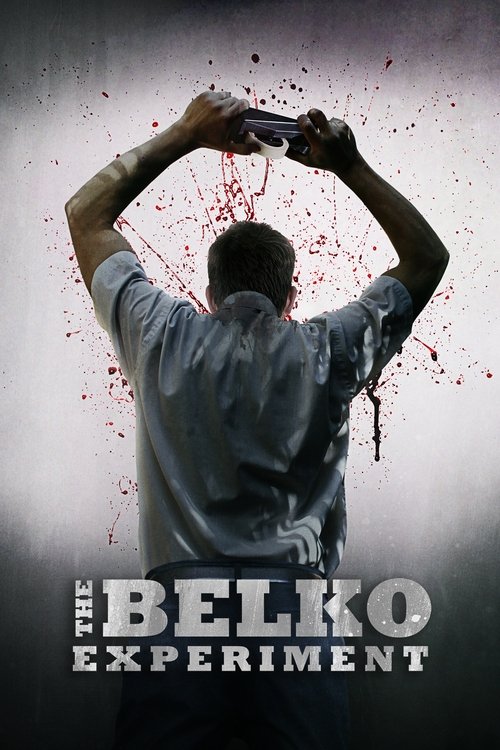
I watched The Belko Experiment for the second time last Tuesday while sitting in a cubicle that smells faintly of burnt popcorn and existential despair, which is, I’m convinced, the only way to truly experience it. There is something uniquely cathartic about watching a high-concept slasher while surrounded by the very filing cabinets and "Hang in There" kitty posters that the movie seeks to soak in blood. I was actually eating a slightly soggy turkey wrap from a vending machine when the first head exploded on screen, and honestly, I didn't even stop chewing.
Released in 2016, The Belko Experiment arrived just as James Gunn was transitioning from a Troma-trained provocateur to the architect of the MCU’s cosmic side. While he was busy making us cry over a talking raccoon in Guardians of the Galaxy, he handed this script—a mean, lean, and deeply cynical little thought experiment—to director Greg McLean, the man who gave us the unrelenting Australian nightmare Wolf Creek. The result is a film that feels like a collision between a dark sitcom and a snuff film.
The Ultimate Performance Review
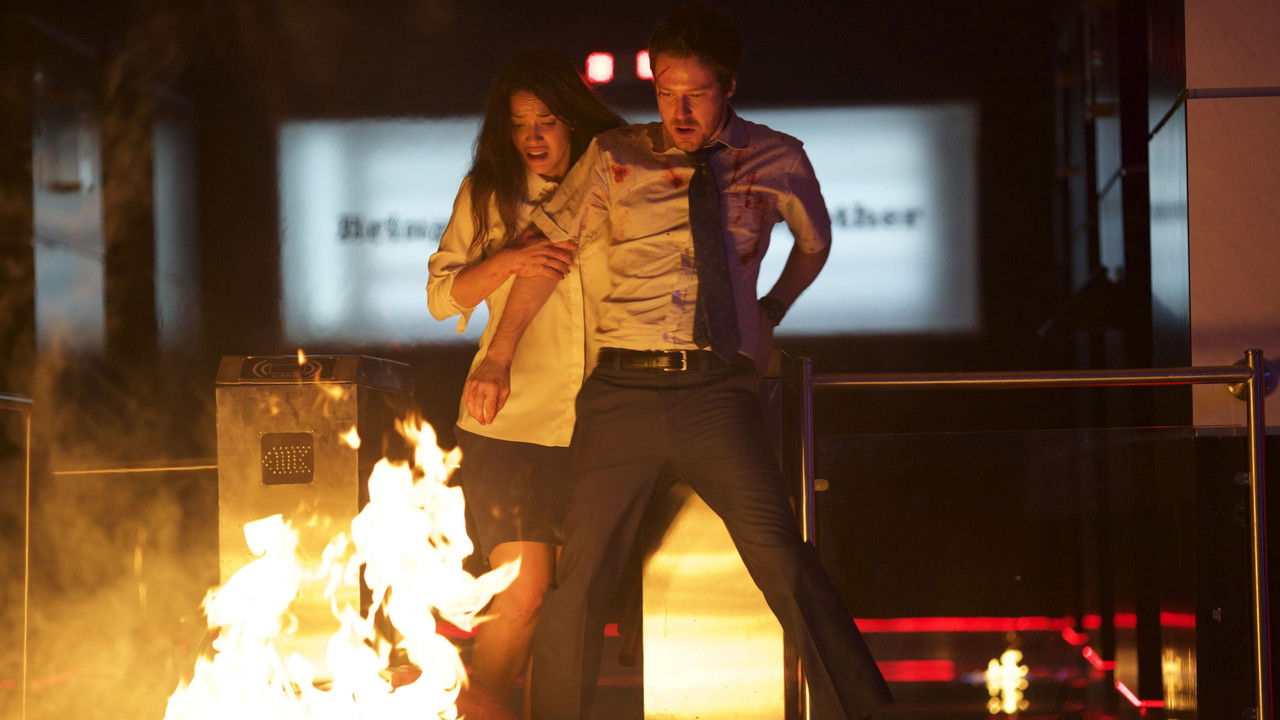
The setup is deceptively simple: eighty American expats working for the mysterious Belko Corp in Bogota, Colombia, find themselves trapped when massive steel shutters seal the building. A calm, disembodied voice over the intercom informs them that they must kill a certain number of their coworkers within a time limit, or the explosive tracking chips implanted in their skulls will be detonated remotely.
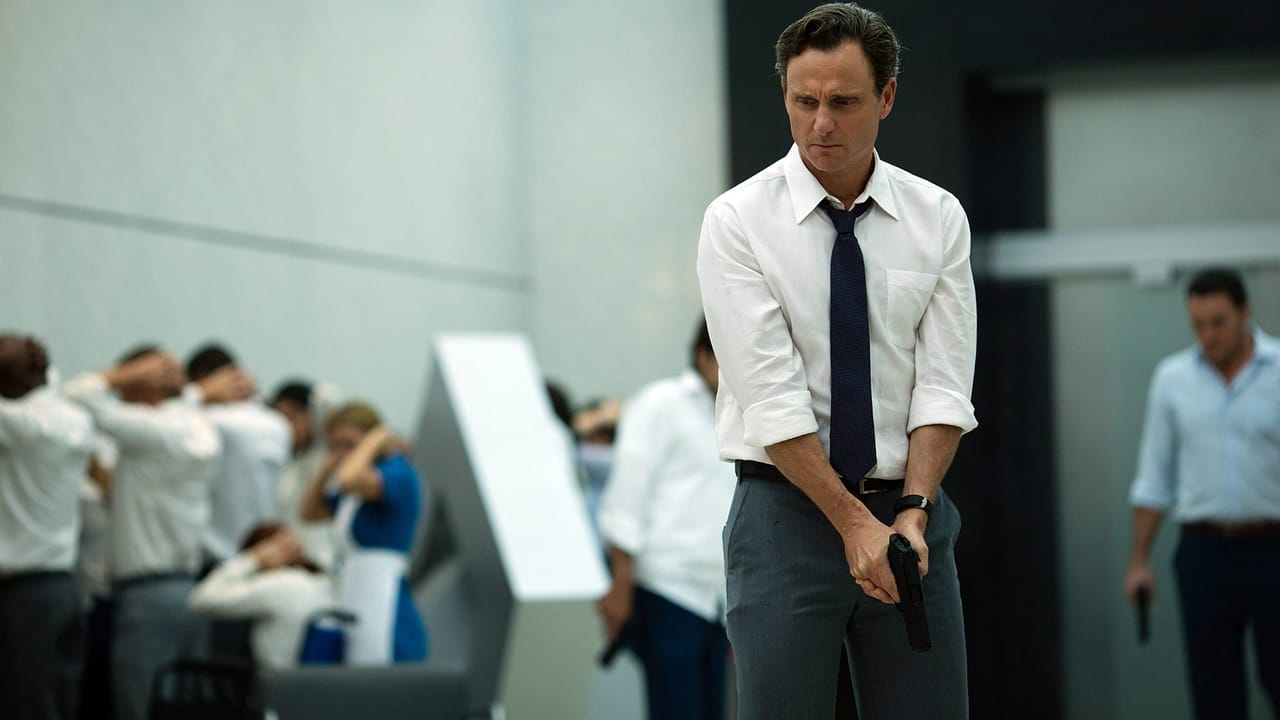
It’s Battle Royale by way of Office Space, but without the redemptive "we’re all in this together" spirit of most disaster movies. What I find most interesting about Belko is how quickly the social contract dissolves. It doesn’t take days for these people to turn on each other; it takes about forty minutes. John Gallagher Jr. (who was so good in 10 Cloverfield Lane) plays Mike, the moral compass who desperately wants to believe in human decency. Opposing him is Tony Goldwyn, the boss who immediately pivots into "executive decision-making" mode—which in this case means murdering his staff to ensure his own survival. Goldwyn is terrifying here because he plays the role with the same cold, spreadsheet-driven logic you’d use to justify a round of layoffs.
Mid-Budget Mayhem in the Streaming Gap
There’s a reason you might have missed this one. It was released by the revived Orion Pictures during a weird transitional era for mid-budget horror. It wasn't a "prestige" horror film like The Witch, and it wasn't a sprawling franchise entry like The Conjuring. It occupied that middle ground that has since been almost entirely swallowed up by streaming platforms like Shudder or Netflix. In 2016, it was a "see it in a half-empty theater on a Tuesday" kind of movie. Today, it feels like a cult relic of the pre-pandemic world, a time when our biggest fear was the soul-crushing monotony of the 9-to-5, rather than the literal air we breathe.
The film also features an incredible "that guy" cast. You’ve got John C. McGinley (Dr. Cox from Scrubs) leaning into a truly unsettling, predatory energy as a middle-manager who clearly had these fantasies long before the intercom told him to kill. Then there’s Michael Rooker, a James Gunn staple, who brings a weirdly grounded heart to the basement maintenance crew. Watching these familiar faces participate in such a grotesque spectacle gives the film a surreal, almost meta-textual quality. It’s basically Office Space if Mike Judge had a massive grudge and a bucket of stage blood.
Practical Gore and Corporate Coldness
From a craft perspective, McLean doesn't shy away from the nastiness. This is a "hard R" in every sense. The effects are largely practical, which is a breath of fresh air in an era where digital blood splatter often looks like a Snapchat filter. When a head pops in this movie, you feel the mess. The cinematography by Luis David Sansans uses the sterile, fluorescent lighting of the office to create a sense of inescapable coldness. There are no shadows to hide in here—just white walls and ergonomic chairs that are about to be ruined by arterial spray.
The movie’s biggest flaw—and perhaps the reason it hasn't quite reached "classic" status—is its nihilism. It is a relentlessly mean-spirited film. It doesn't have the satirical wit of The Cabin in the Woods or the political bite of The Purge. It’s just a meat grinder. But in an era of sanitized, four-quadrant blockbusters, there’s something refreshing about a movie that is this committed to being unpleasant. This is a film that hates its characters as much as you hate your Monday morning Zoom meetings.
Ultimately, The Belko Experiment is a tight, 89-minute exercise in tension that knows exactly what it is. It doesn't try to over-explain its mythology or set up a convoluted cinematic universe (though the ending certainly leaves the door ajar). It’s a grisly, well-acted curiosity that serves as a reminder of what happens when you give a talented horror director a mean script and a bunch of character actors. If you’ve ever wanted to see a stapler used as a lethal weapon, this is the one for you.
Just maybe don't watch it on your lunch break if you have a sensitive stomach. Or a boss who looks like Tony Goldwyn. It’s a grim little gem that deserved more than its quiet disappearance from theaters, and it remains a perfect pick for a double feature with Mayhem or Ready or Not. It's not a life-changing experience, but as a piece of high-intensity genre filmmaking, it certainly clocks in and gets the job done.
Keep Exploring...
-

Brahms: The Boy II
2020
-
Regression
2015
-

Morgan
2016
-
The Other Side of the Door
2016
-
Cult of Chucky
2017
-
Wish Upon
2017
-

Assassination Nation
2018
-
Hell Fest
2018
-
The Strangers: Prey at Night
2018
-
Haunt
2019
-
The Prodigy
2019
-
Color Out of Space
2020
-
Gretel & Hansel
2020
-

The Turning
2020
-
Willy's Wonderland
2021
-
Hush
2016
-
Hidden
2015
-
I Spit on Your Grave III: Vengeance Is Mine
2015
-
Before I Wake
2016
-
Friend Request
2016