The Choice
"Life is a series of decisions. Choose wisely."
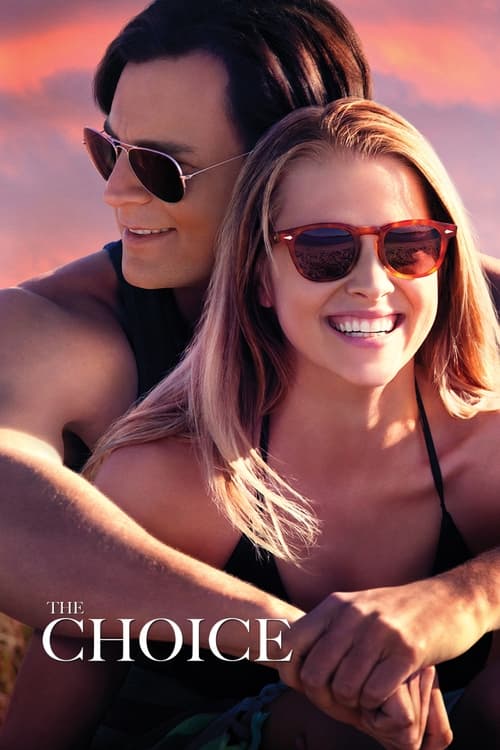
By 2016, the Nicholas Sparks "formula" had become less of a literary genre and more of a predictable meteorological event. You knew the forecast: 100% chance of North Carolina sunsets, a 90% probability of a tragic letter or medical emergency, and a mandatory heavy downpour during a pivotal argument. The Choice, directed by Ross Katz (Adult Beginners), arrived at a fascinating crossroads in cinema history. It was the eleventh Sparks adaptation, hitting theaters just as the mid-budget theatrical romance was being aggressively hunted to extinction by the looming shadow of Netflix’s algorithm.

I watched this film while nursing a slightly-too-warm peach Snapple, which felt appropriately Southern for the setting, even if the drink's sweetness eventually became as cloying as the movie's third act. It’s a film that sits in that strange "Contemporary Obscure" category—not because it’s hard to find, but because it’s so thoroughly average that it has effectively evaporated from the collective cultural memory.
The Spark of a Suburban Rivalry
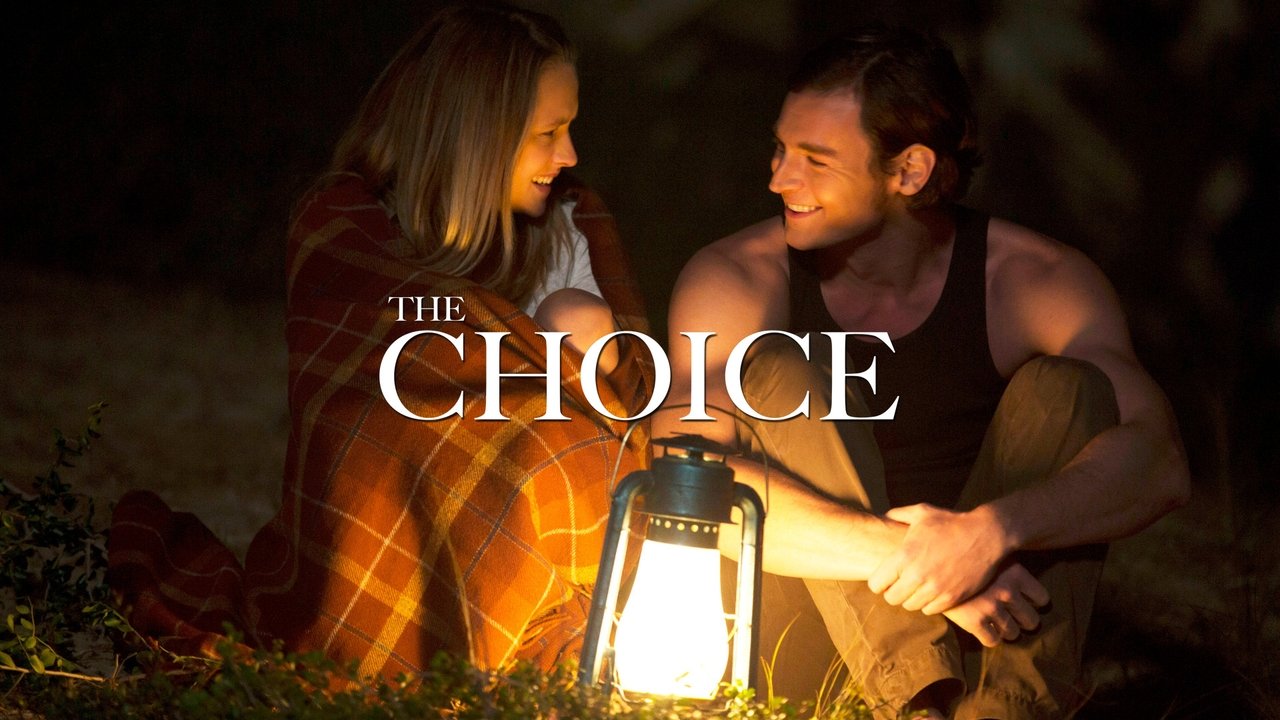
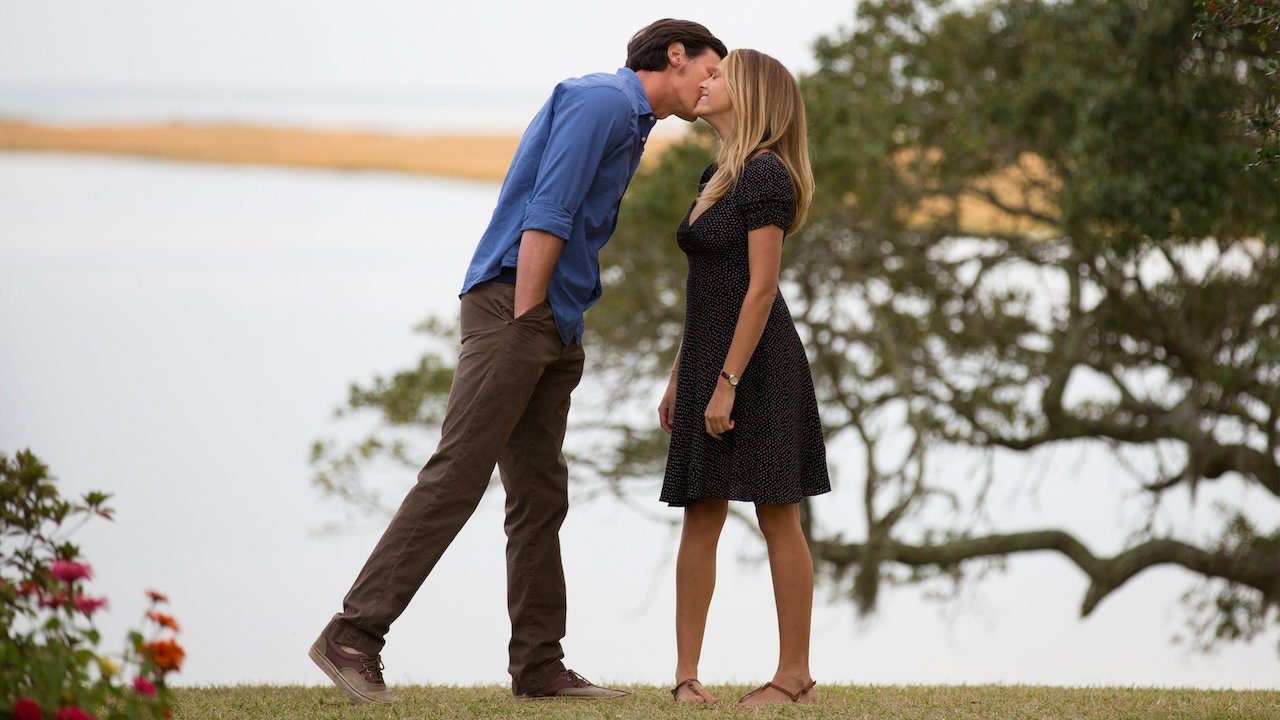
The setup is classic Sparks territory. We meet Travis Parker, played by Benjamin Walker (Abraham Lincoln: Vampire Hunter), a local veterinarian and world-class bachelor whose life consists of boat rides, beer, and a very impressive head of hair. His peaceful existence is disrupted by Gabby Holland, portrayed by the always-magnetic Teresa Palmer (Hacksaw Ridge), a medical student who moves in next door and immediately starts complaining about his loud music and his dog’s "extracurricular" activities with her dog.
The chemistry between Benjamin Walker and Teresa Palmer is actually the film's strongest asset. Walker brings a sort of "theater kid energy" to a role that could have been played by any generic Abercrombie model, and Palmer has a sharp, intelligent edge that makes her feel like a real human being rather than a mere plot device. They engage in that specific type of cinematic flirting where "I hate you" clearly means "I want to marry you in a gazebo," and for the first hour, it’s a perfectly serviceable, breezy rom-com. It’s basically a feature-length ad for North Carolina real estate.
The Genre Pivot and the "Choice"
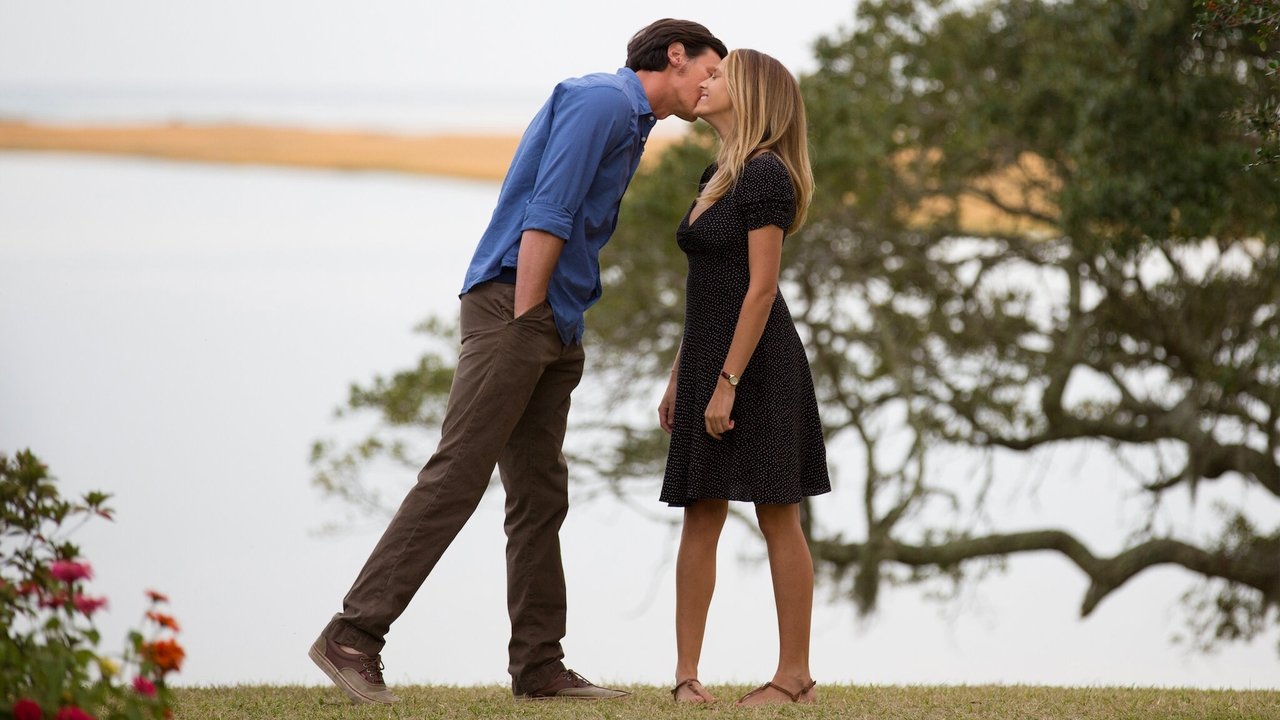
Then, the "Sparks Pivot" happens. Without venturing into heavy spoiler territory for a eight-year-old movie, the narrative takes a sharp turn from sun-drenched flirting into a somber meditation on grief and medical ethics. This is where the film struggles to maintain its footing. The shift is so jarring that it feels like two different movies were stitched together during a frantic editing session.
While the drama is meant to provide the titular "choice," it often feels manipulative rather than earned. We see the arrival of Tom Welling (Smallville) as Gabby’s "other" boyfriend, Ryan. Welling is essentially there to be the "Wrong Guy" (despite being a perfectly nice doctor), a role that has become a staple of the genre. We also get the legendary Tom Wilkinson (Michael Clayton) as Travis’s father, Dr. Shep. Wilkinson is clearly overqualified for the material, but he lends a much-needed gravity to the proceedings. His presence is like putting a high-end tuxedo on a golden retriever; it’s nice, but ultimately unnecessary.
A Relic of the Pre-Streaming Era
What makes The Choice interesting now is how it represents the end of an era. Shortly after its release, these types of "weepies" almost entirely migrated to streaming platforms. Today, a story like this would be a ten-episode limited series on Netflix or a Hallmark original. Seeing it produced with a $10 million budget and a theatrical release feels like looking at a fossil from a world before the franchise-or-bust mentality took over the box office.
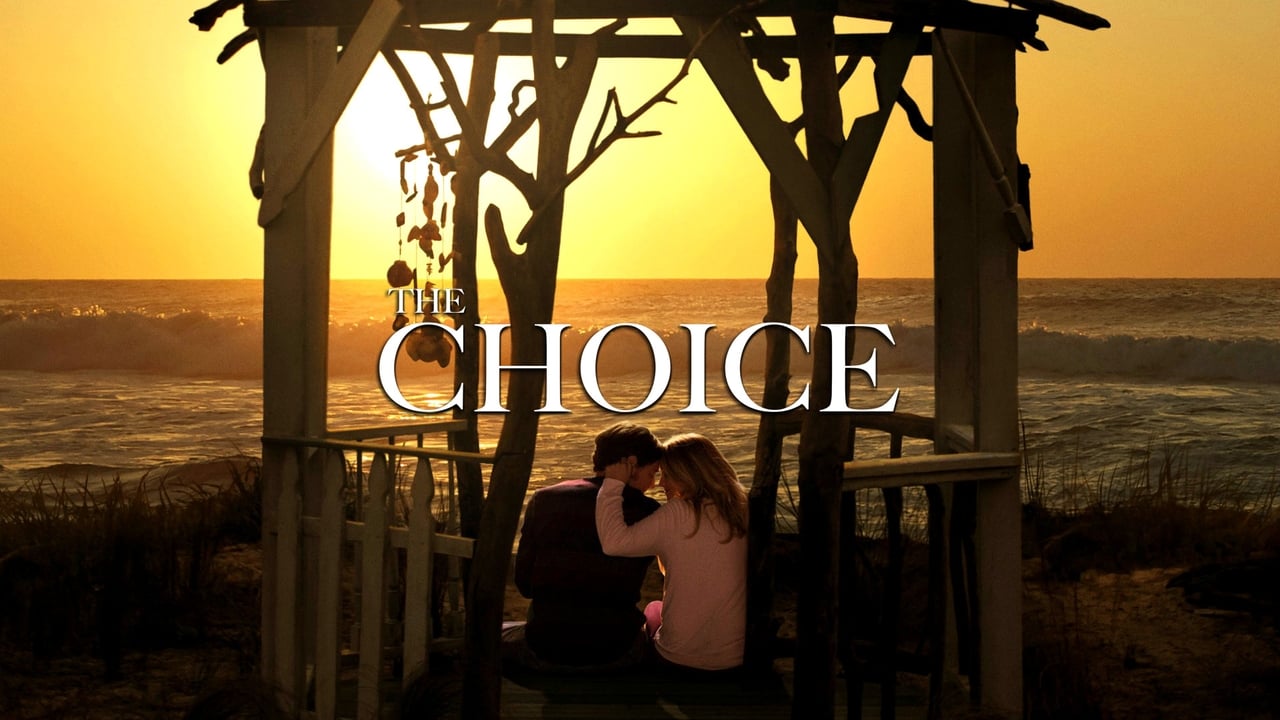
The cinematography by Alar Kivilo (The Blind Side) captures the coastal beauty with a crispness that looks great on a big screen, but the script by Bryan Sipe often leans too heavily on platitudes. The dialogue is peppered with lines like, "Tell me something I don't know," which is usually followed by a monologue about the meaning of life. The dog’s romantic subplot—between Moby and Molly—is arguably more compelling and logically consistent than the humans'.
Behind the scenes, the film was the first to be produced by Nicholas Sparks Productions itself. They were trying to take more creative control over the brand, but the timing was off. The audience was already beginning to suffer from "Sparks fatigue," and the film was overshadowed by larger, more "event-ized" romances like Me Before You, which came out the same year.
The Choice is the cinematic equivalent of a cozy blanket that’s a little too scratchy. It’s comforting in its familiarity, and the lead performances are genuinely charming, but it can’t escape the gravitational pull of its own clichés. If you’re a fan of the genre, it’s a pleasant enough way to spend two hours, but it lacks the iconic punch of The Notebook or the earnestness of A Walk to Remember.
It’s a film that asks big questions about the paths we take and the people we love, but it answers them with a Hallmark card. Still, for a movie that has largely disappeared into the digital ether, it’s a fascinating look at the final gasps of the mid-budget theatrical romance. It didn't change the world, but it sure did make me want to buy a boat in Wilmington.
Keep Exploring...
-
The Light Between Oceans
2016
-
The Discovery
2017
-
Wonder Wheel
2017
-
The Aeronauts
2019
-
The Art of Racing in the Rain
2019
-
Tolkien
2019
-
I Still Believe
2020
-
Suite Française
2015
-
High Strung
2016
-
Attraction
2017
-
The Guernsey Literary & Potato Peel Pie Society
2018
-
Tall Girl
2019
-
Chemical Hearts
2020
-
The Hating Game
2021
-
After Ever Happy
2022
-
After Everything
2023
-
Beautiful Disaster
2023
-

Below Her Mouth
2017
-
Mary Shelley
2017
-
A Whisker Away
2020