The Founder
"The American Dream is a hostile takeover."

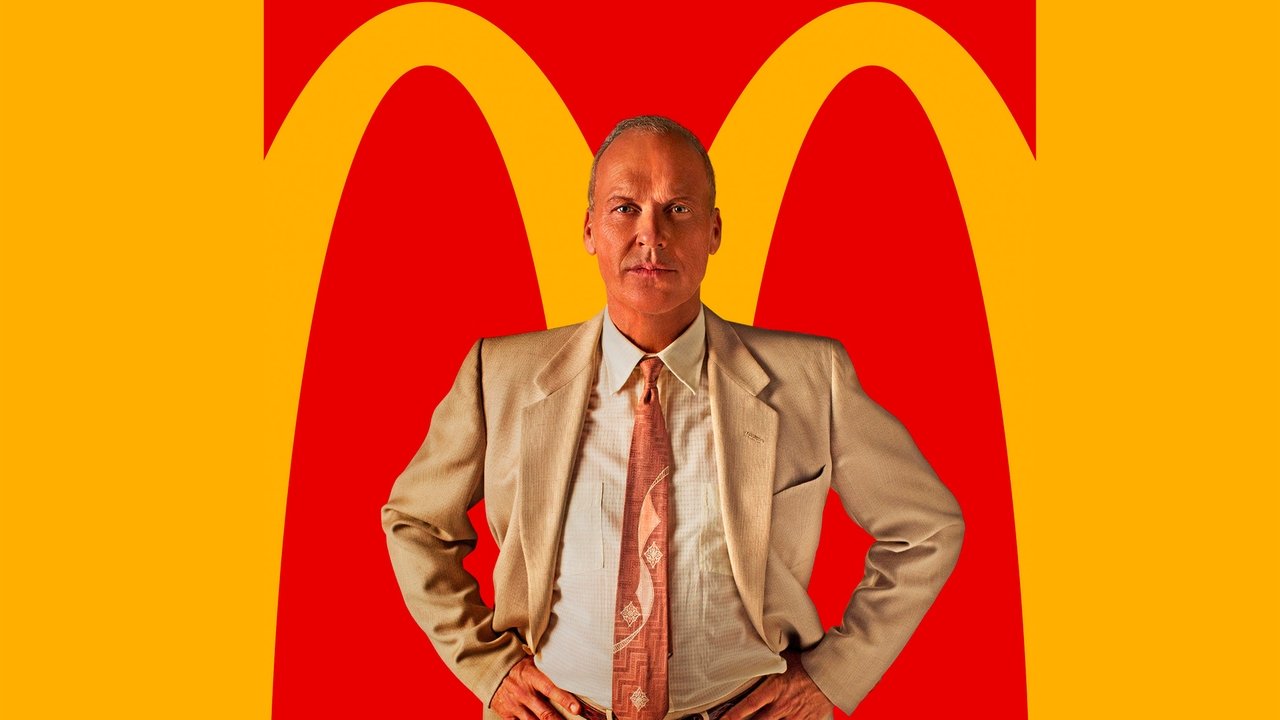
There is a specific, terrifying glint in Michael Keaton’s eyes that usually signals he’s about to put on a cape or start talking to ghosts. But in The Founder, that manic energy is channeled into something far more frightening: a 52-year-old traveling salesman with a trunk full of five-spindle milkshake mixers and a soul that’s been sanded down by decades of "no." I watched this film while wearing a pair of old sweatpants with a hole in the knee, feeling remarkably un-ambitious compared to the shark on my screen, and honestly? It made me want to go back to sleep just to stay safe from people like Ray Kroc.
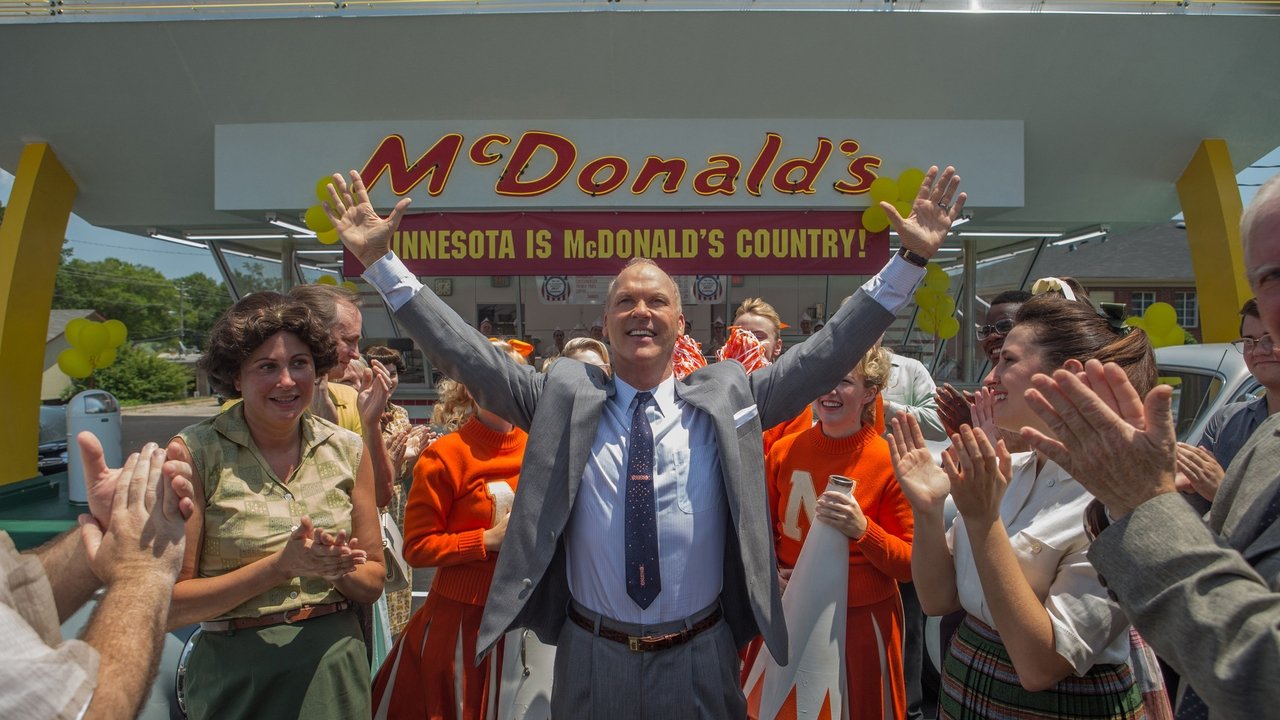
Released in 2016, right as the world was beginning to grapple with the reality of "disruptor" culture, The Founder isn't a celebratory biopic about the birth of a fast-food giant. It’s a corporate slasher flick. Directed by John Lee Hancock (The Blind Side, Saving Mr. Banks), it tells the story of how Kroc met Dick and Mac McDonald, realized their "Speedee System" was a goldmine, and proceeded to systematically dismantle their lives to build a global empire.
The Wolf in the Cheap Suit
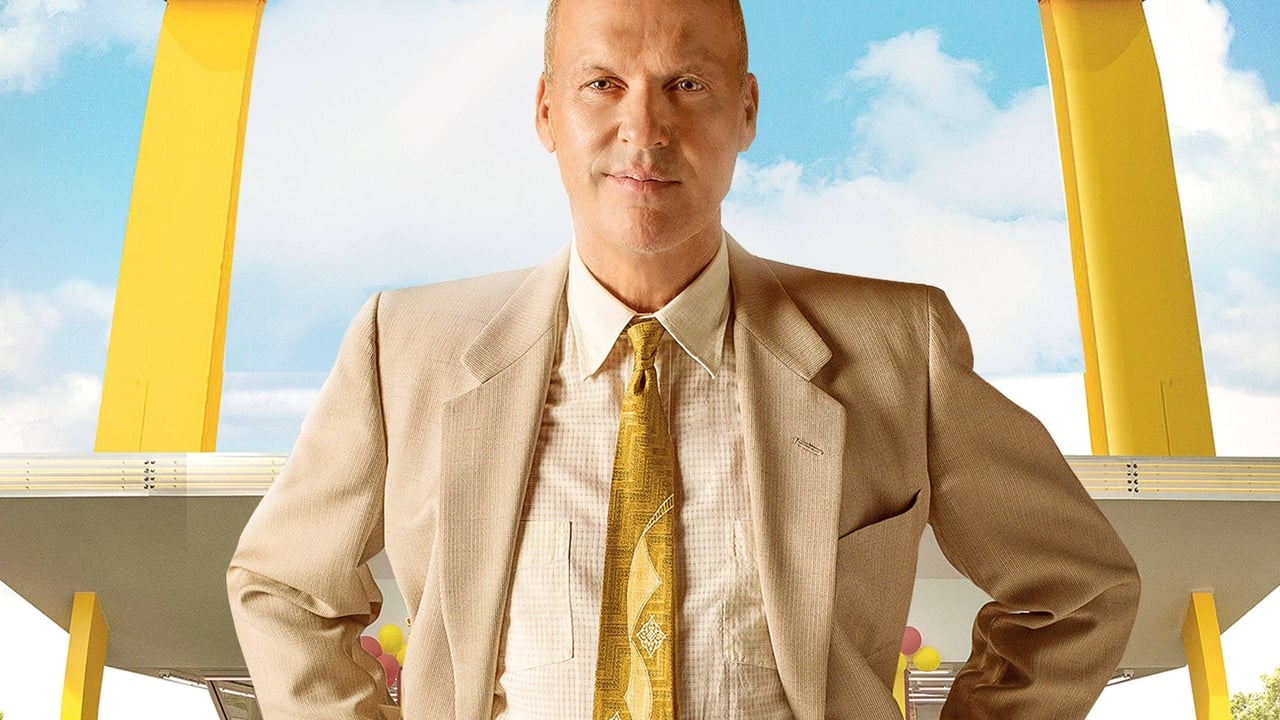
Michael Keaton is a force of nature here. Following his career resurgence in Birdman and Spotlight, he plays Kroc not as a mustache-twirling villain, but as a man who has finally found the "One Big Thing" and refuses to let anyone—including the people who actually invented it—stand in his way. Ray Kroc is the cinematic ancestor of every LinkedIn influencer currently ruining your feed. He is the "rise and grind" mentality personified, and Keaton makes his desperation feel like a physical weight.
The film does something brilliant with its structure. For the first thirty minutes, you’re actually rooting for him. You see the grit. You see him listening to self-improvement records in dingy motels—trivia fans might like to know those were actual recordings of "The Power of the Positive" by Earl Nightingale. But then, the pivot happens. As soon as Kroc sees those Golden Arches in San Bernardino, the movie stops being a story of perseverance and starts being a story of parasitism.
I was struck by how much this film feels like the blueprint for the "product biopic" craze we’ve seen recently with Air or BlackBerry. However, The Founder has a much darker streak. It doesn't want you to buy the shoes or the phone; it wants you to see the blood on the grease trap.
The Tragedy of the Speedee System
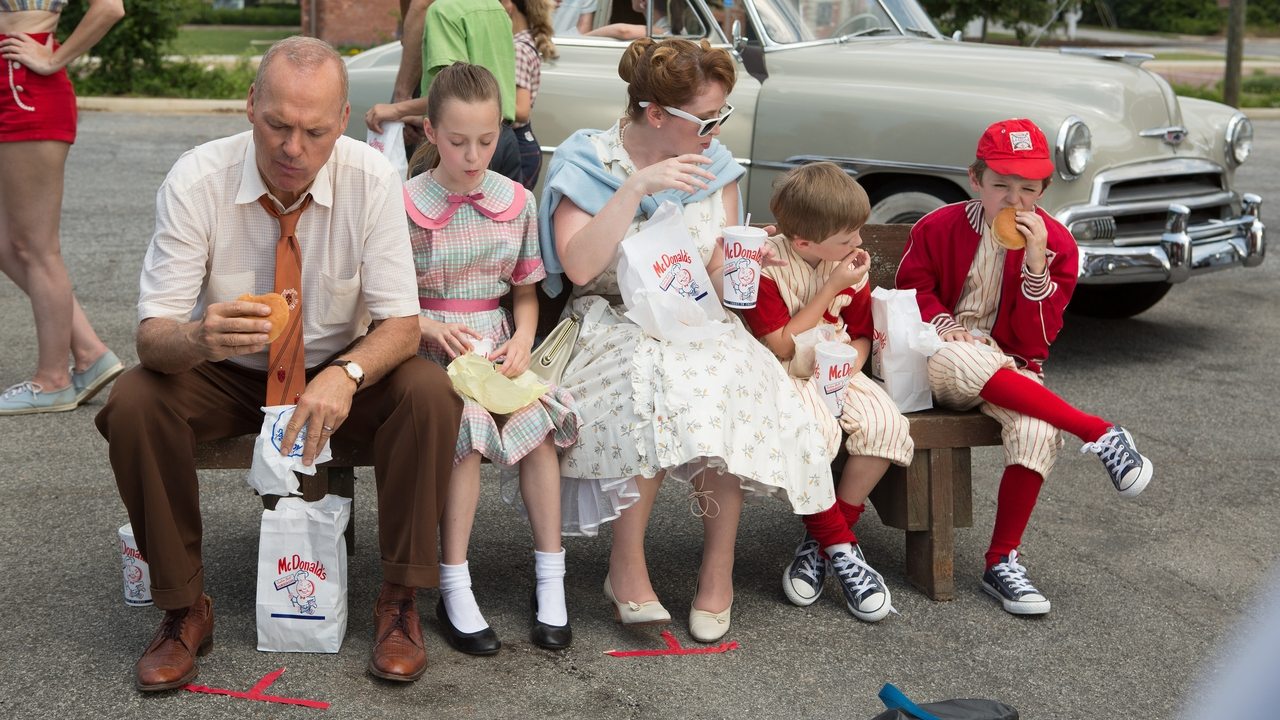
The heart of the movie—and its most tragic element—lies with Nick Offerman as Dick McDonald and John Carroll Lynch as Mac McDonald. Their chemistry is effortless; they feel like two halves of a single, earnest brain. Offerman, trading his Parks and Recreation gruffness for a precise, nervous perfectionism, is the ideal foil for Keaton’s chaotic expansionism.
The scene where the brothers explain their "Speedee System"—rehearsing the choreography of a kitchen on a chalk-drawn tennis court—is one of the most satisfying sequences in modern drama. Apparently, the production actually built a fully functional 1950s-era McDonald's in an Atlanta parking lot in just ten days because they couldn't find a standing one that looked right. You can feel that tactile reality. When Lynch hands Keaton a burger wrapped in paper, it’s treated with the reverence of the Holy Grail.
The tragedy, of course, is that the brothers wanted quality, and Kroc wanted a kingdom. Watching Kroc realize that he isn't in the burger business, but the real estate business—thanks to a cold-blooded B. J. Novak as Harry J. Sonneborn—is the moment the movie shifts from a drama into a tragedy. It’s a chilling reminder that in the modern era, the "idea" is often less valuable than the "platform."
A Cult Classic for the Hustle Era
While The Founder did respectable business, it has found a strange second life as a cult favorite among "sigma male" entrepreneurs who seem to unironically post clips of Kroc’s "Persistence" speech on TikTok. It’s a fascinating bit of contemporary irony; the film presents Kroc’s betrayal of the brothers as a moral bankruptcy, yet a certain segment of the audience sees it as a "how-to" guide for success.
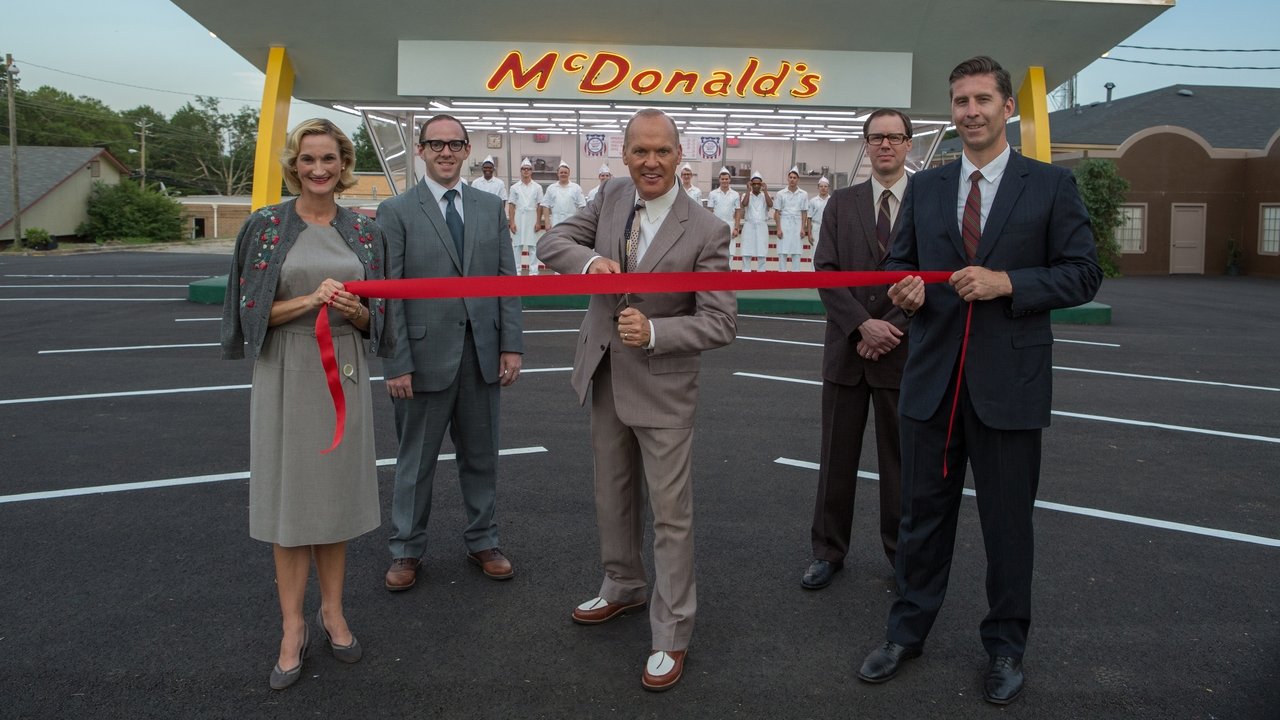
The film's look, captured by cinematographer John Schwartzman (Jurassic World, The Rock), is deceptively sunny. It uses a warm, mid-century palette that evokes nostalgia, which only makes the coldness of the final act feel more jarring. Laura Dern, as Ray’s neglected first wife Ethel, provides the necessary emotional grounding. She represents the life Ray is leaving behind—the "normal" life that isn't enough for a man who wants to own the horizon.
There’s a bit of trivia that always sticks with me: Keaton reportedly spent hours watching old footage of Kroc to mimic his specific way of walking—a gait that looks like he’s constantly leaning into a headwind. It’s that attention to detail that elevates The Founder above your standard "Based on a True Story" fare. It’s a movie about the cost of the American Dream, and whether or not you can live with yourself once you’ve bought it.
If you missed this in theaters, it’s time to catch up. It’s a sharp, cynical, and impeccably acted drama that feels more relevant every year as we watch corporate giants swallow everything in their path. It’ll make you think twice the next time you see those Golden Arches—and it’ll almost certainly make you crave a cheeseburger, despite your better judgment. Just don't expect a happy meal.
Keep Exploring...
-
The Highwaymen
2019
-
The Little Things
2021
-
The Trial of the Chicago 7
2020
-
Saving Mr. Banks
2013
-

Steve Jobs
2015
-
The Walk
2015
-

Eddie the Eagle
2016
-
Patriots Day
2016
-
Silence
2016
-
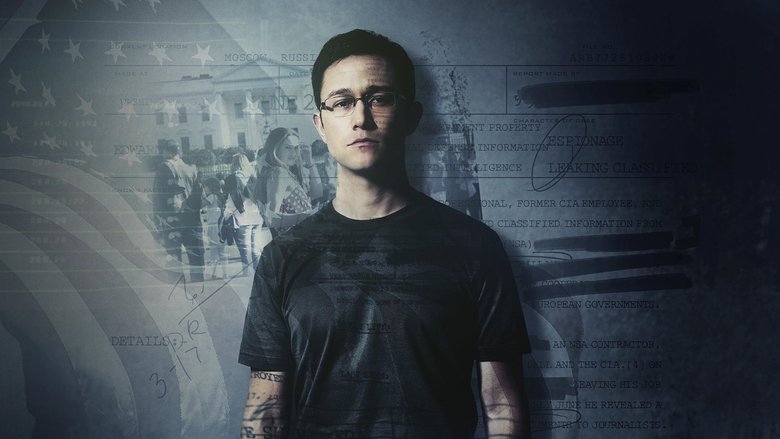
Snowden
2016
-
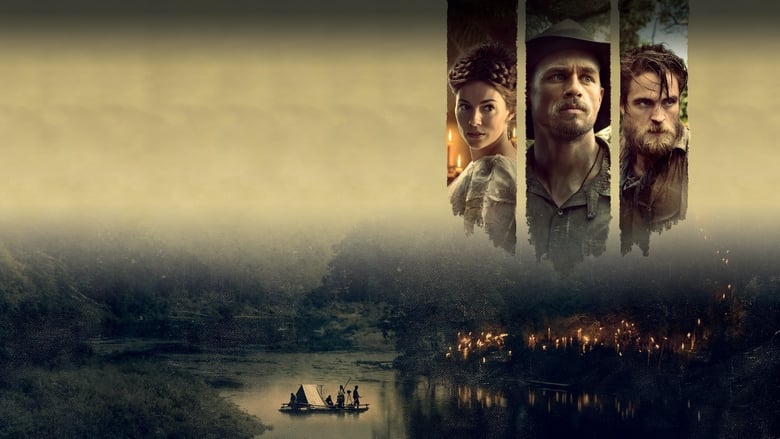
The Lost City of Z
2017
-
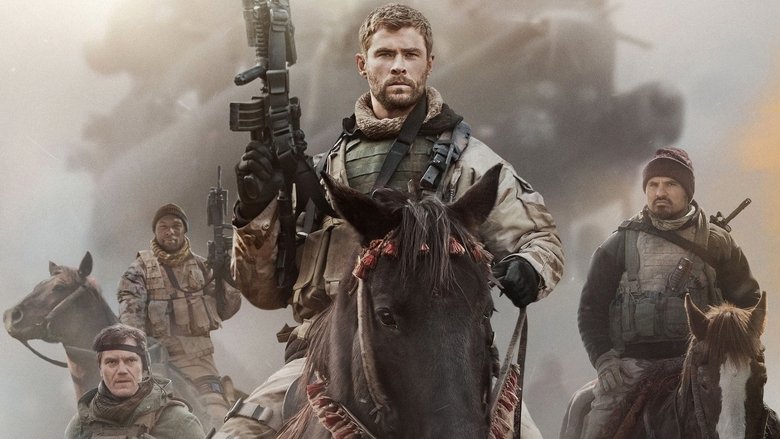
12 Strong
2018
-
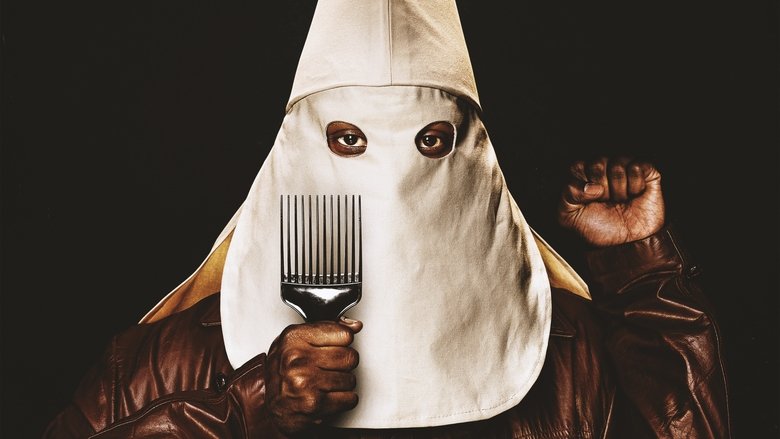
BlacKkKlansman
2018
-
The Favourite
2018
-
Just Mercy
2019
-
Richard Jewell
2019
-
Black Mass
2015
-
Brooklyn
2015
-

In the Heart of the Sea
2015
-
True Story
2015