The Girl on the Train
"What you see will destroy you."
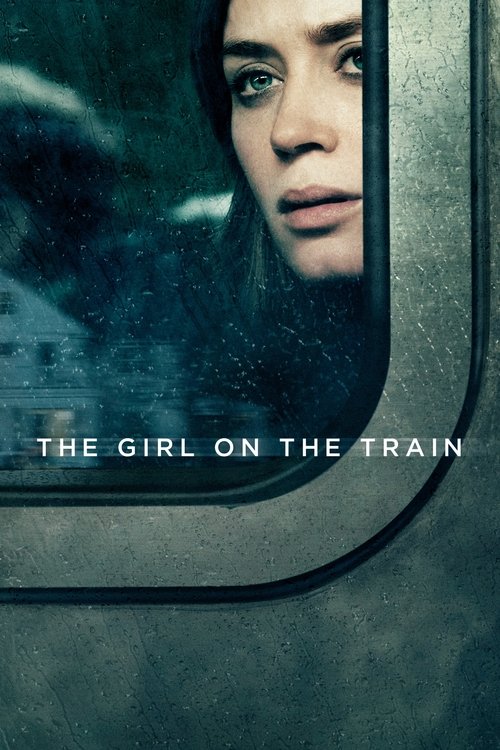
There is a specific, voyeuristic itch that only a morning commute can scratch. We’ve all done it: staring into the backyard of a house that backs onto the tracks, catching a three-second glimpse of a life that looks infinitely more put-together than our own. In 2016, The Girl on the Train took that universal habit and curdled it into a cocktail of gin-soaked paranoia and suburban dread. It arrived right at the peak of the "Domestic Noir" boom, a period where every thriller was desperately trying to be the next Gone Girl (2014), and while it doesn’t quite reach those Fincher-esque heights, it remains a fascinating relic of mid-2010s studio filmmaking.
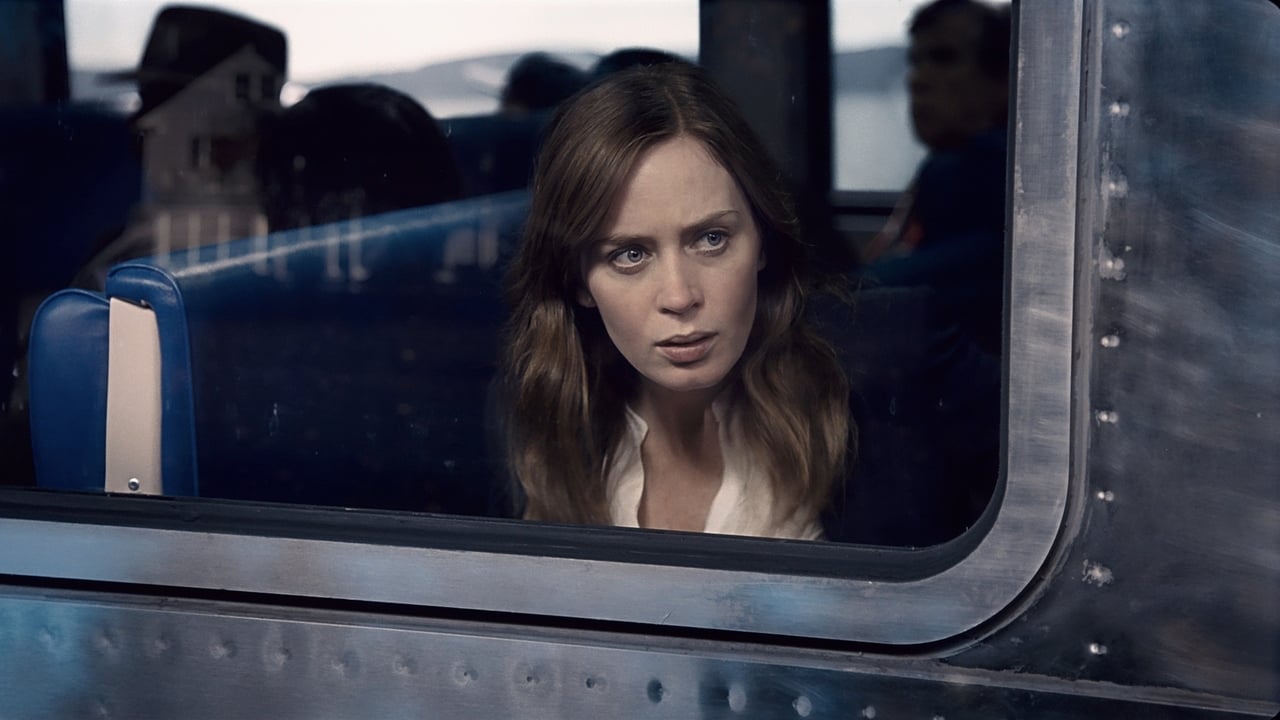
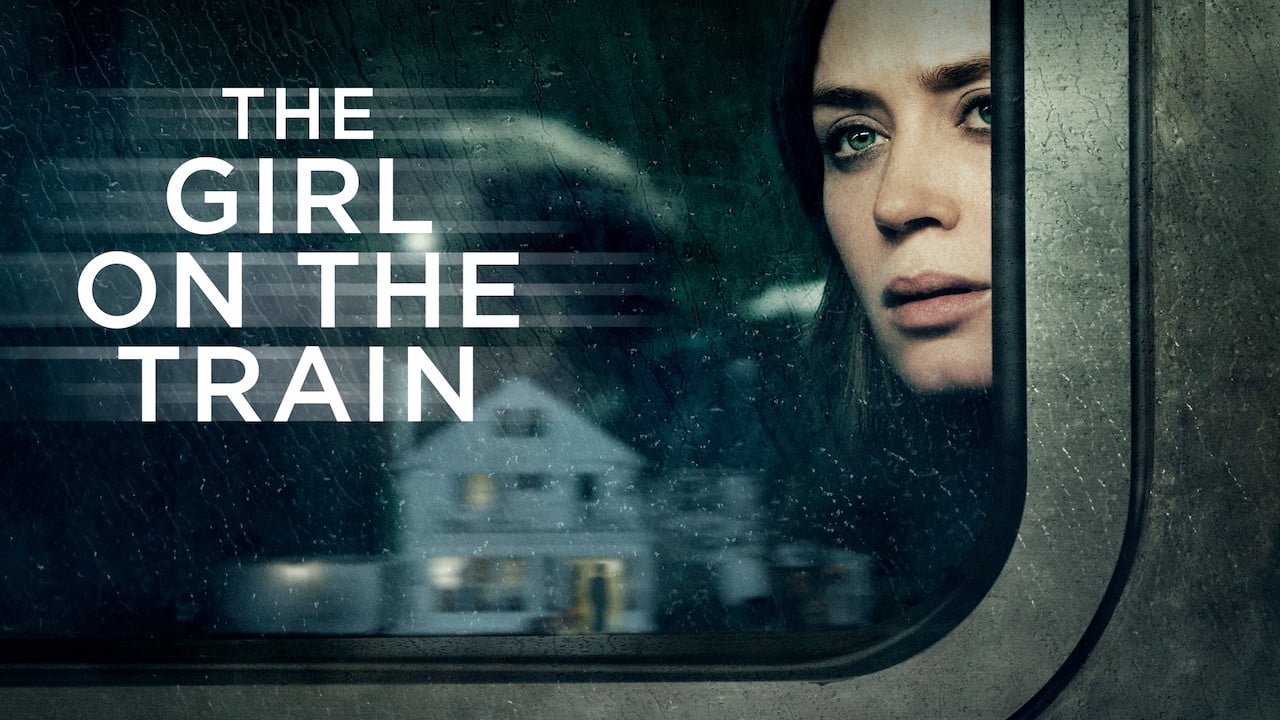
I’ll be honest: I have a massive bias toward "messy" protagonists. I’d much rather watch someone make a series of catastrophic life choices than see a perfect hero save the day. That’s why Emily Blunt is the absolute engine of this movie. Playing Rachel Watson, a woman who has lost her marriage, her job, and her dignity to alcoholism, Blunt does away with the "Hollywood Drunk" clichés. She’s puffy, blotchy, and genuinely unpleasant to be around. I watched this on a Tuesday afternoon while nursing a lukewarm peppermint tea, and Blunt’s performance was so convincing it actually made me feel slightly hungover by the third act.
The View from the Metro-North
The transition from the book’s London setting to the New York suburbs was a point of contention for fans, but director Tate Taylor (who previously directed The Help) uses the Hudson Line to great effect. There’s a cold, clinical grey to the cinematography by Charlotte Bruus Christensen that makes the affluent neighborhoods feel like high-end morgues.
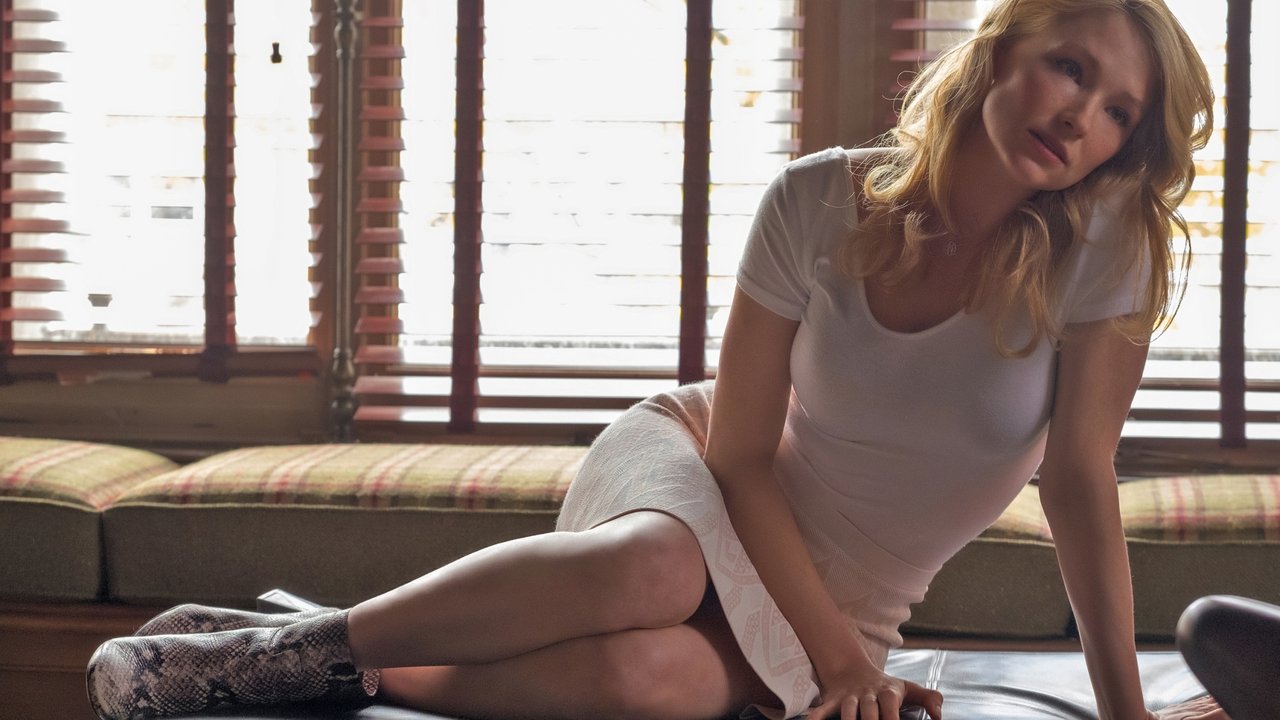
The story revolves around a missing woman, Megan Hipwell (Haley Bennett), whom Rachel has been "stalking" from the train window, projecting a fantasy of domestic bliss onto Megan and her husband Scott (Luke Evans). When Megan disappears, Rachel becomes the ultimate unreliable witness. Is she a concerned bystander, or did she do something terrible during one of her frequent blackouts?
The supporting cast is stacked, though some get more to chew on than others. Rebecca Ferguson plays Anna, the "new wife" who has replaced Rachel, and she brings a sharp, protective edge to a role that could have been a cardboard cutout. Meanwhile, Justin Theroux plays Tom (Rachel’s ex-husband) with a performance that I can only describe as the cinematic equivalent of a low-frequency hum that makes your teeth ache. He’s great at playing characters who feel like they’re hiding a secret in plain sight.
Gaslighting in the Pre-Social Media Shadow
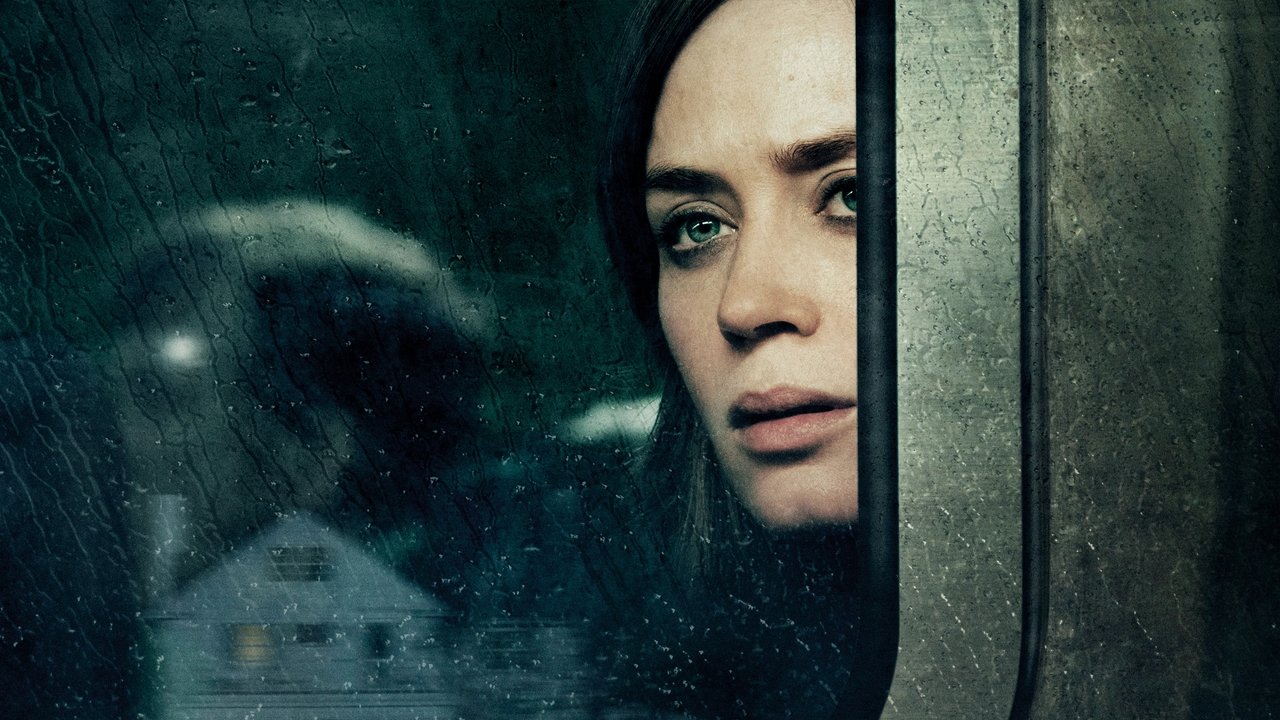
Looking at this film now, through a 2024 lens, the themes of gaslighting and emotional abuse hit differently. In 2016, we were just beginning to have broader cultural conversations about the ways men systematically dismantle the sanity of the women in their lives. The mystery itself is a bit of a slow burn—sometimes so slow it feels like the train has stopped for signal malfunctions—but the payoff is rooted in a very real, very ugly kind of manipulation.
One of the coolest bits of trivia involves Emily Blunt’s preparation. To get the "drunk eyes" right, she wore various sets of tinted contact lenses that made her pupils look dilated or her sclera look bloodshot. Beyond the physical, she was actually pregnant during filming, which adds a layer of unintentional irony given that Rachel’s inability to conceive is a central trauma of the character. It also meant the production had to get creative with costumes to hide a growing baby bump while she was supposed to be playing a woman at her lowest physical ebb.
A Blockbuster for the Book Club Crowd
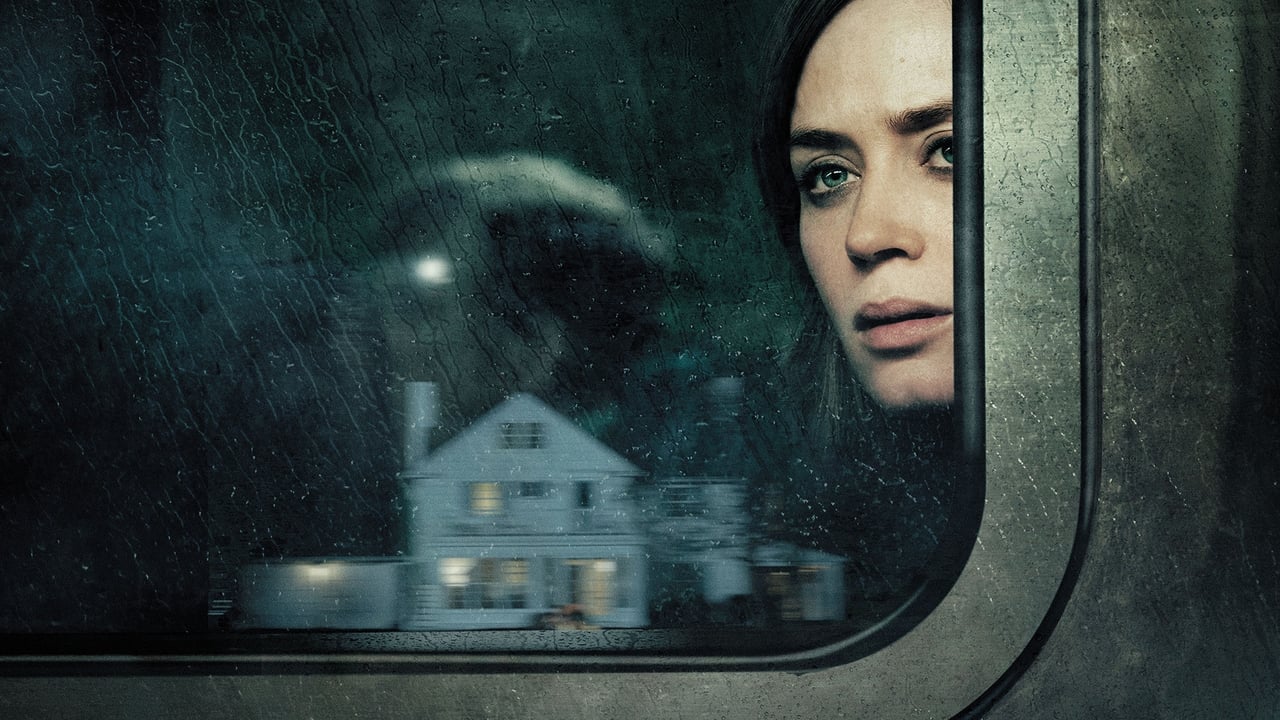
Commercially, this was a juggernaut. It cost $45 million to produce and raked in over $173 million worldwide. It’s the kind of "mid-budget adult drama" that streamers like Netflix and Apple TV+ have largely swallowed up today. In 2016, you went to a theater to see Emily Blunt have a breakdown; in 2024, you’d likely watch this on your iPad while doing laundry.
The marketing was genius, leaning heavily into the "What did she see?" hook, which helped it dominate the box office despite mixed reviews. It captured the public imagination because it tapped into that collective anxiety about the secrets hidden behind the manicured lawns of the suburbs. Allison Janney also shows up as Detective Riley, and frankly, every movie is improved by at least 15% when Allison Janney enters the room to look disappointed in people.
While the script by Erin Cressida Wilson struggles to balance the three different female perspectives that made the book so compelling, the film succeeds as a character study of a woman trying to reclaim her memory. It’s a somber, often depressing ride, but as a snapshot of the "Domestic Noir" era, it’s a journey worth taking—even if you have to sit in the quiet carriage.
Ultimately, this is a film that lives and dies by its lead. Emily Blunt carries the weight of the entire production on her slumped, cardigan-clad shoulders, elevating a somewhat predictable mystery into something more visceral. It’s not a masterpiece of the genre, but it is a solid, well-acted thriller that understands that sometimes the scariest thing you can see out of a train window is a reflection of your own life falling apart.
Keep Exploring...
-
Ava
2020
-
Longlegs
2024
-
Secret in Their Eyes
2015
-
Survivor
2015
-
Suburbicon
2017
-
Anon
2018
-
Bad Times at the El Royale
2018
-

Ma
2019
-
The Woman in the Window
2021
-

Dark Places
2015
-
Solace
2015
-
Crooked House
2017
-

The Fate of the Furious
2017
-

Everybody Knows
2018
-
Don't Breathe
2016
-

Mechanic: Resurrection
2016
-
The Accountant
2016
-
The Hitman's Bodyguard
2017
-
Game Night
2018
-
Escape Room
2019