The Girl with All the Gifts
"Evolution has a very sharp set of teeth."
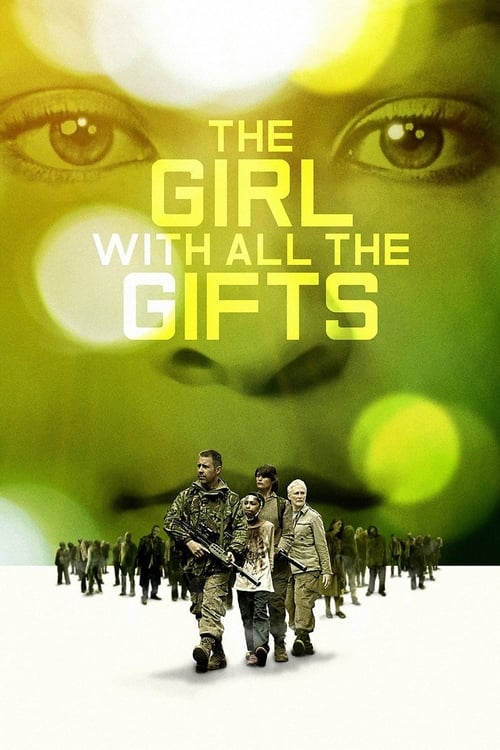
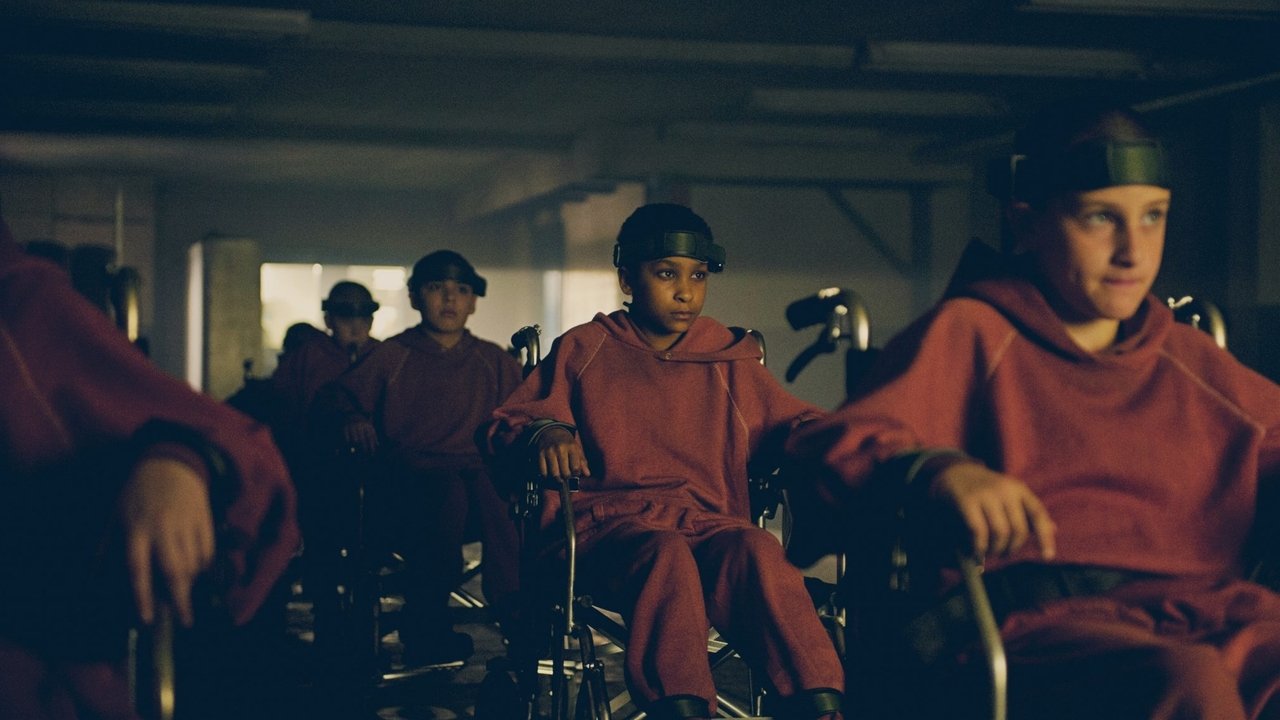
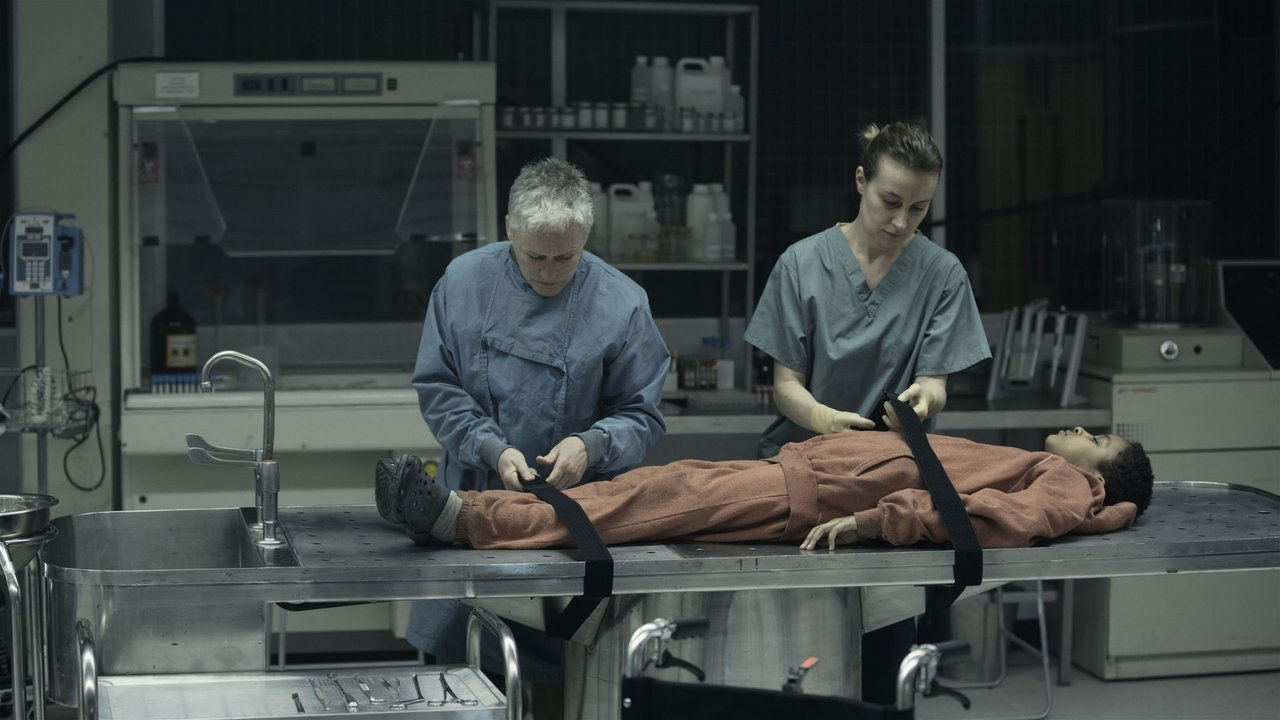
The most striking image in the first twenty minutes of The Girl with All the Gifts isn't a monster or a blood-spattered wall. It’s a polite, highly articulate ten-year-old girl named Melanie being strapped into a wheelchair at gunpoint. She says "Good morning" to the soldiers as they tighten the leather restraints around her wrists and head, and she means it. It’s a chilling, deeply effective subversion of the "innocent child" trope that immediately separates this film from the rotting pile of zombie cinema that dominated the mid-2010s.
I remember watching this for the first time on a humid Sunday afternoon while my neighbor was obsessively mowing his lawn, and the constant, low-frequency hum of his mower outside perfectly mimicked the industrial drone of the military base on screen. It made the whole experience feel weirdly tactile, like the walls were closing in on my living room just as they were for Melanie.
Classroom of the Damned
By 2016, we were all supposed to be "over" zombies. The Walking Dead had turned the apocalypse into a soap opera, and big-budget spectacles like World War Z had traded genuine dread for CGI swarms. Colm McCarthy, directing from a script by Mike Carey (who also wrote the excellent novel), smartly pivots away from the "how do we kill them?" formula. Instead, the film asks: "What comes next?"
We start in an underground bunker where a group of "Hungries" (the film’s term for the infected) are being educated. They are second-generation hybrids—children who carry the fungal pathogen but haven’t lost their cognitive functions. They’re fine as long as they don't smell human skin, at which point their jaws start snapping like biological clockwork. Sennia Nanua is a revelation as Melanie. She balances a heartbreaking sweetness with a predatory stillness that is genuinely unnerving. When she’s on screen, you’re never quite sure if she wants to hug her teacher, Miss Justineau (Gemma Arterton), or eat her.
A British Apocalypse (On a Budget)

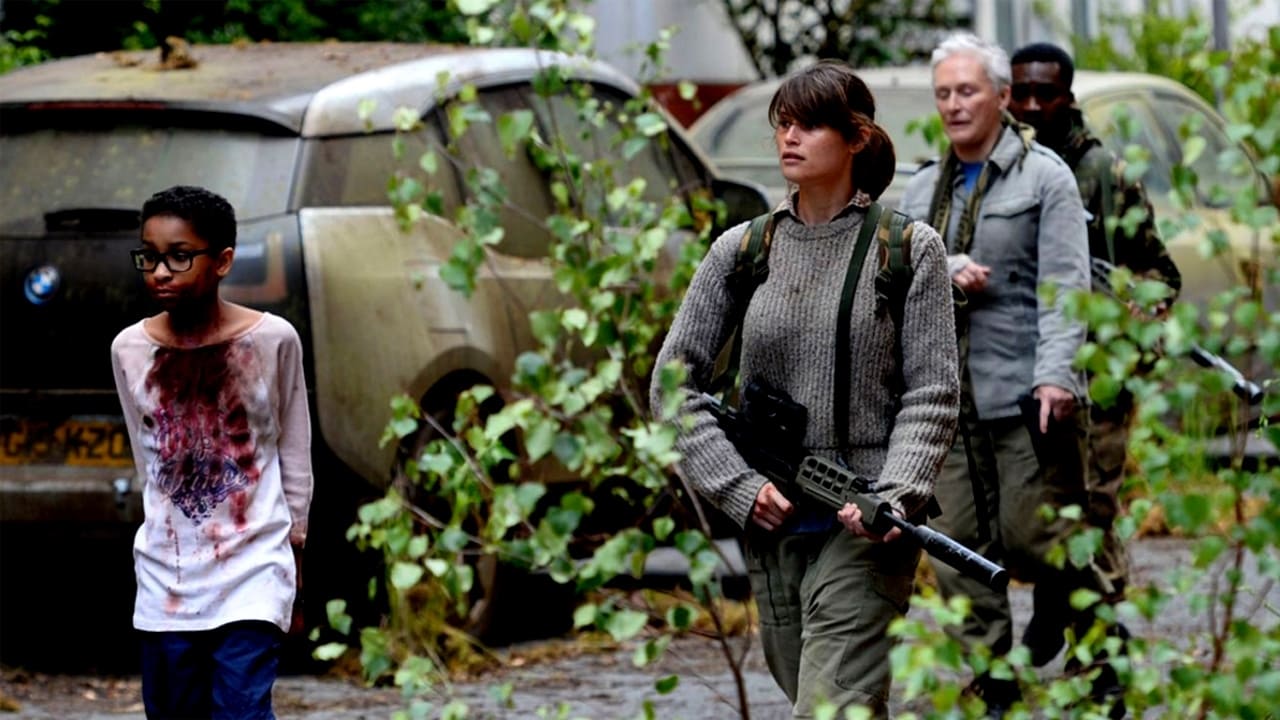
When the base inevitably falls, the film transforms into a road movie through a decaying, vine-choked London. This is where the $5 million budget actually becomes a strength. Rather than relying on massive digital sets, the production used drone footage of the abandoned city of Pripyat near Chernobyl to stand in for a reclaimed London. The result is hauntingly beautiful and far more "real" than the shiny, over-produced ruins we usually see in Hollywood blockbusters.
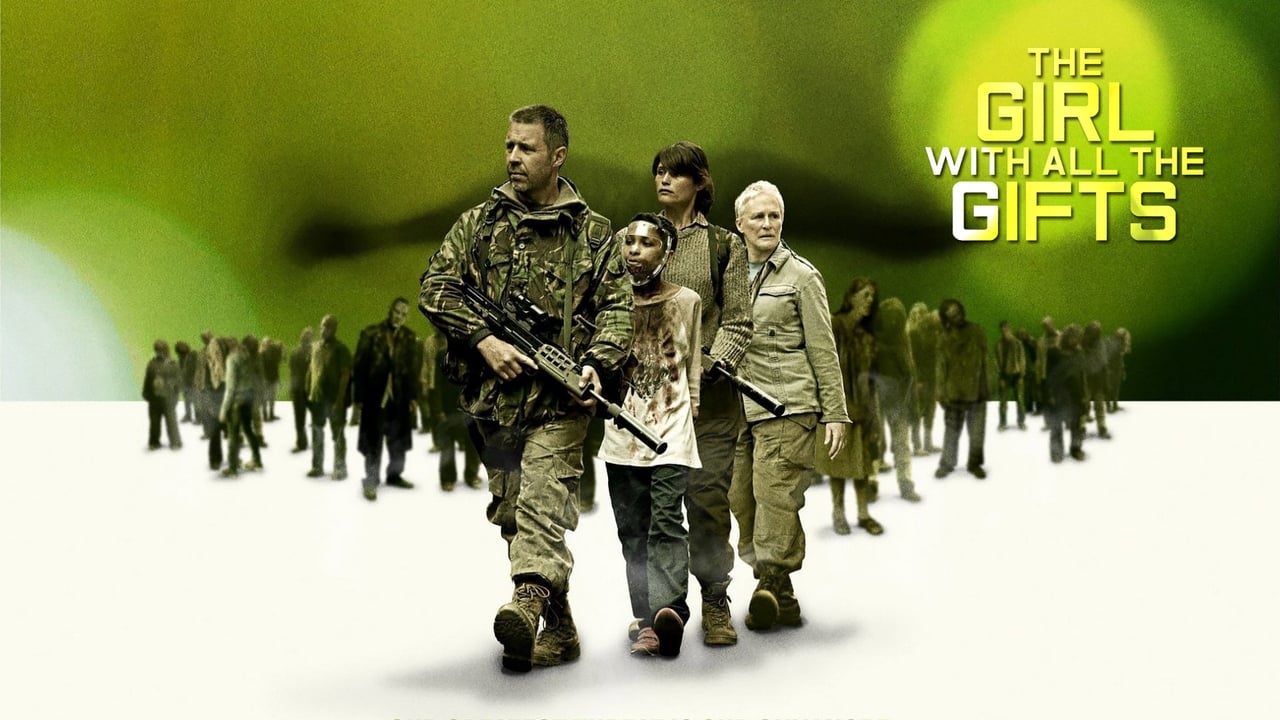
The group dynamic is a classic four-cornered stress test. You have the empathetic teacher (Gemma Arterton), the pragmatic, weary Sergeant Parks (Paddy Considine), and the cold-blooded Dr. Caldwell (Glenn Close). Seeing an actor of Glenn Close’s stature in a grimy British horror flick is a treat. She isn't a "villain" in the traditional sense; she’s a scientist who views Melanie as a biological resource to be harvested for a cure. Her performance is clinical, terrifying, and entirely devoid of ego. The zombies in World War Z look like CGI laundry compared to these fungal terrors. The "Hungries" here feel like a part of the landscape—literally. They stand frozen in the streets like statues until a sound wakes them up, a clever bit of creature design that saves on makeup costs while cranking up the tension.
The Fungal Revolution
What makes The Girl with All the Gifts feel so relevant in our current era of "prestige" horror is its refusal to provide easy comfort. It shares a lot of DNA with The Last of Us, particularly the focus on the Ophiocordyceps fungus, but it pushes its philosophical conclusion much further. It’s a film about the generational divide, released right as the world was starting to feel particularly fractured.
The score by Cristóbal Tapia de Veer deserves its own shout-out. It’s a shimmering, alien soundscape filled with choral gasps and electronic pulses that feels totally disconnected from standard horror tropes. It doesn't tell you when to be scared; it just makes the world feel fundamentally wrong.
If you're looking for a "cult" gem that skipped the mainstream's radar because of zombie fatigue, this is the one. It’s a smart, mean, and surprisingly moving look at the end of the world that understands that sometimes, for the planet to move on, we have to get out of the way. The ending is a total gut-punch that reframes the entire hero's journey as something much more primal. It’s the kind of ending that sticks to your ribs long after the credits roll, making you look at the weeds growing in your sidewalk with a new sense of suspicion.
This is high-concept sci-fi that remembers to be a horror movie first. It takes a tired subgenre and injects it with fresh, fungal blood, anchored by a trio of heavy-hitting performances and a breakout turn from a young lead. It proves that you don't need a hundred million dollars to build a world—you just need a good script, a creepy forest, and a girl who’s a little too hungry for her own good. It’s the best zombie movie of the last decade that isn't actually a zombie movie.
Keep Exploring...
-
Resident Evil: Welcome to Raccoon City
2021
-
Underwater
2020
-

Resident Evil: The Final Chapter
2016
-
Shin Godzilla
2016
-

Underworld: Blood Wars
2016
-
What Happened to Monday
2017
-

#Alive
2020
-
Unhinged
2020
-
Resident Evil: Vendetta
2017
-

The Meg
2018
-
The New Mutants
2020
-
Chappie
2015
-
Self/less
2015
-
A Cure for Wellness
2017
-
Annihilation
2018
-
Black Mirror: Bandersnatch
2018
-

Mandy
2018
-
Overlord
2018
-
Brightburn
2019
-
Code 8
2019