The Great Wall
"Colorful monsters, bungee-jumping warriors, and Matt Damon’s ponytail."
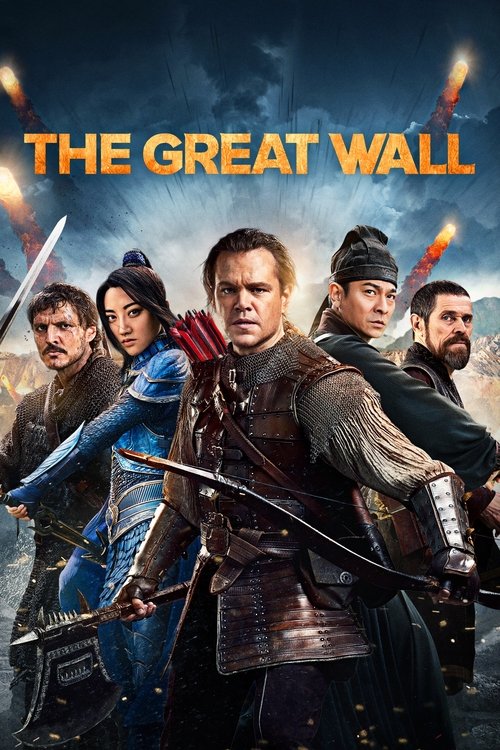
I remember watching this for the first time while nursing a mild sunstroke and eating a room-temperature Uncrustable, and honestly, the sheer, kaleidoscopic absurdity of the film was the only thing that kept me from drifting into a sugar-crust-induced coma. There is something fundamentally fascinating about The Great Wall. It’s a $150 million "what if" scenario that feels like it was cooked up during a very expensive lunch between a Hollywood executive and a Chinese government official who both really loved Starship Troopers. It exists in that strange, mid-2010s pocket where Hollywood was desperately trying to build a bridge to the Chinese box office, and the result is a movie that feels like a $150 million Power Rangers episode directed by a visionary.
The Bungee-Jumping Color Guard
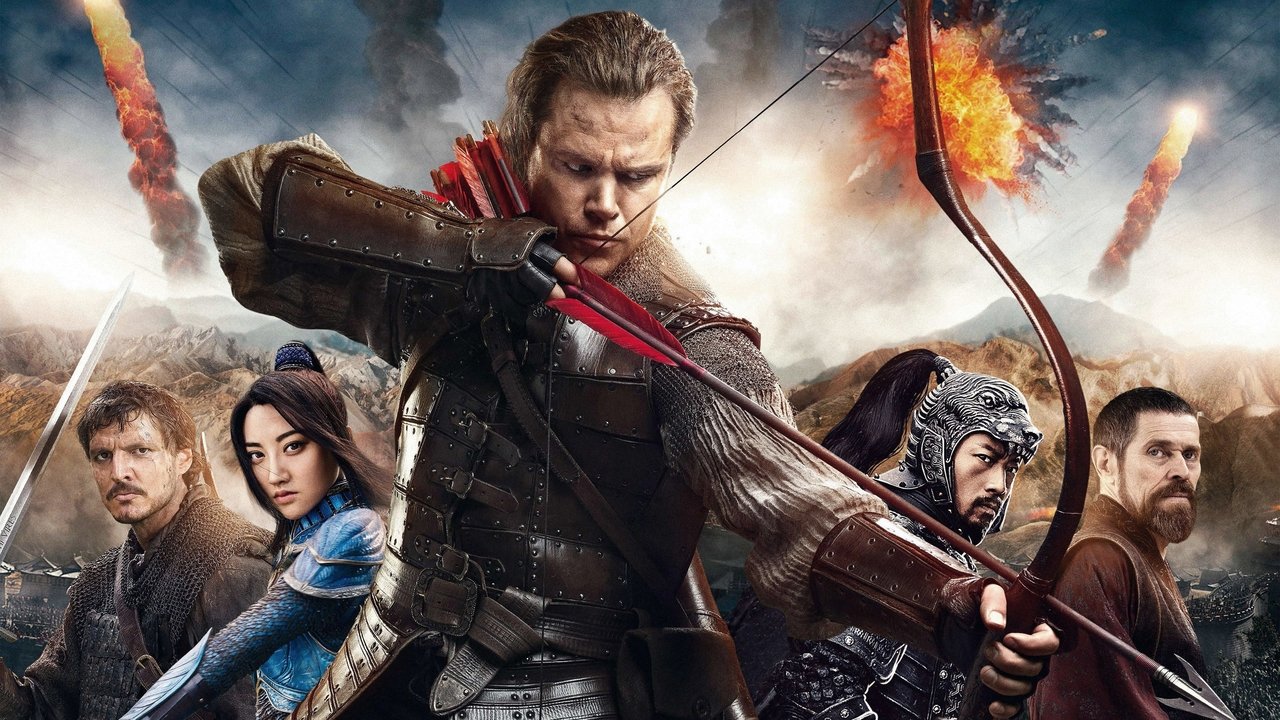
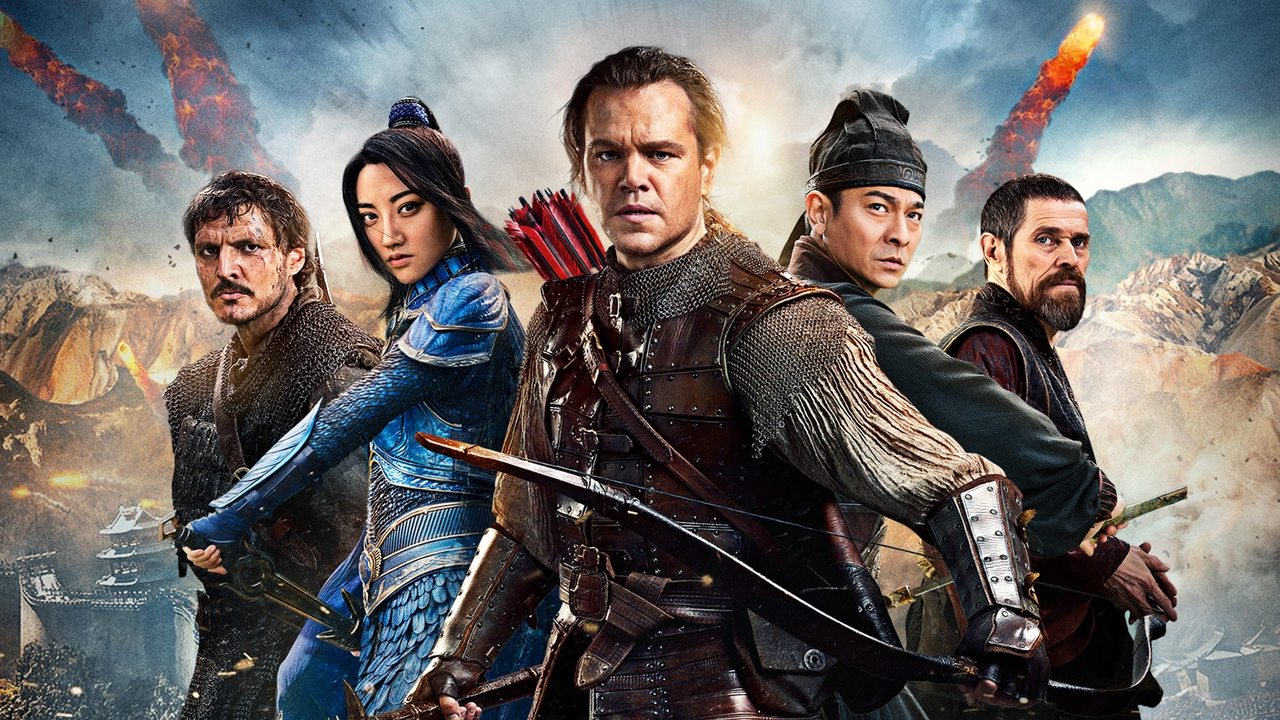
If you know the work of Zhang Yimou, you know the man treats color like a primary character. Whether it’s the crimson drapes in Raise the Red Lantern or the autumnal yellows of Hero, he’s a master of the visual palette. In The Great Wall, he takes this to a literal extreme. The "Nameless Order" defending the wall is color-coded by unit: blue for the aerialists, red for the archers, purple for the infantry. It’s visually arresting and completely impractical, which is exactly why I love looking at it.
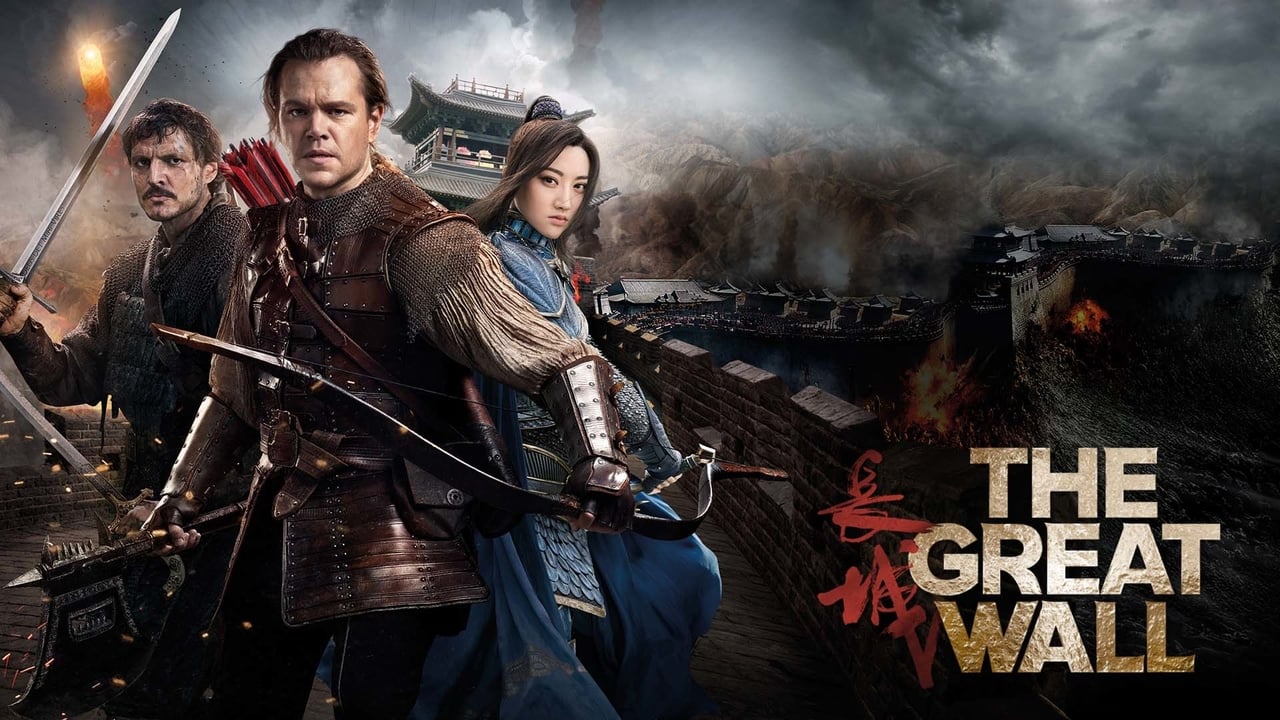
The standout action sequence involves the Crane Corps—the all-female blue unit—who literally bungee jump off the wall with spears to stab the monsters (the Tao Tei) before being yanked back up. From a tactical standpoint, it is the single most inefficient way to kill a monster ever committed to film, but as a piece of action choreography, it’s breathtaking. Zhang Yimou frames these dives with a rhythmic elegance that most Western action directors can’t touch. The way the blue capes flutter against the gray stone of the wall creates a visual contrast that almost makes you forget the plot is thinner than a piece of single-ply tissue paper.
The Great Wall of Global Ambition
Released in 2016, this film arrived at the peak of "The Global Co-Production" era. This was before the pandemic shifted the theatrical landscape and before geopolitical tensions cooled the Hollywood-China romance. At the time, everyone was convinced that the future of cinema was these massive, hybrid blockbusters. Matt Damon plays William, a mercenary searching for "black powder" (gunpowder) who stumbles into this ancient war.
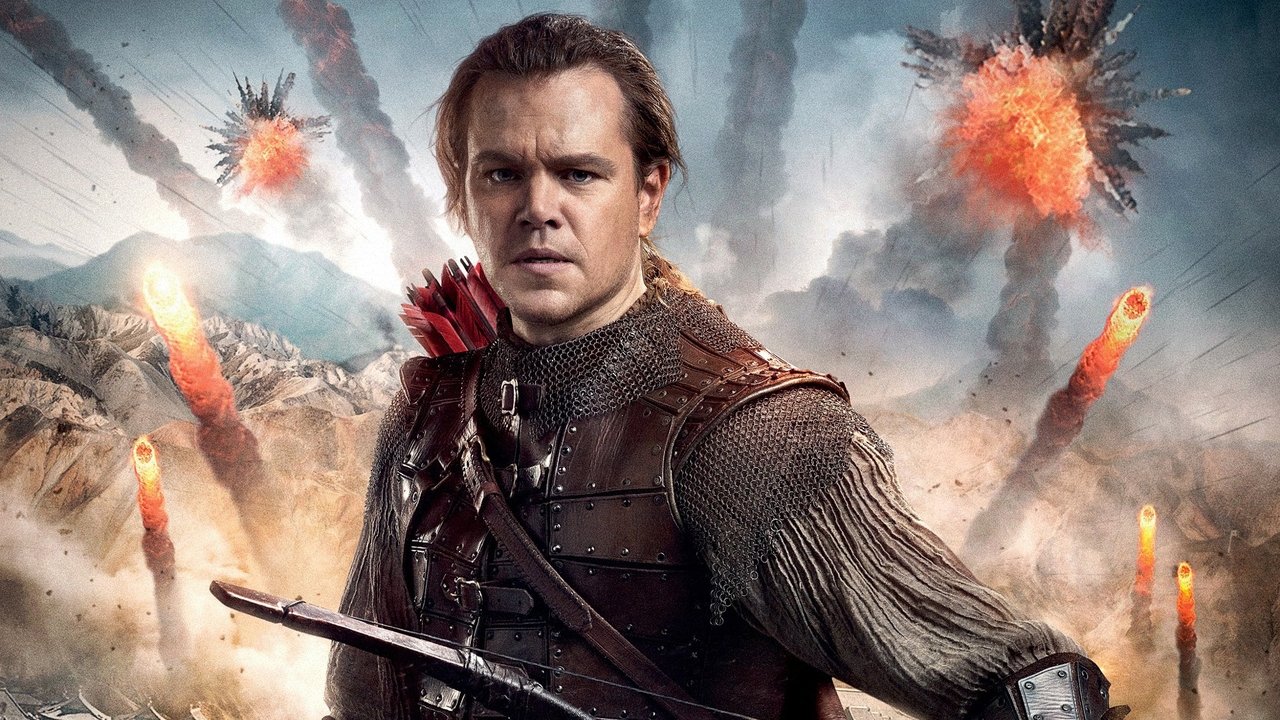
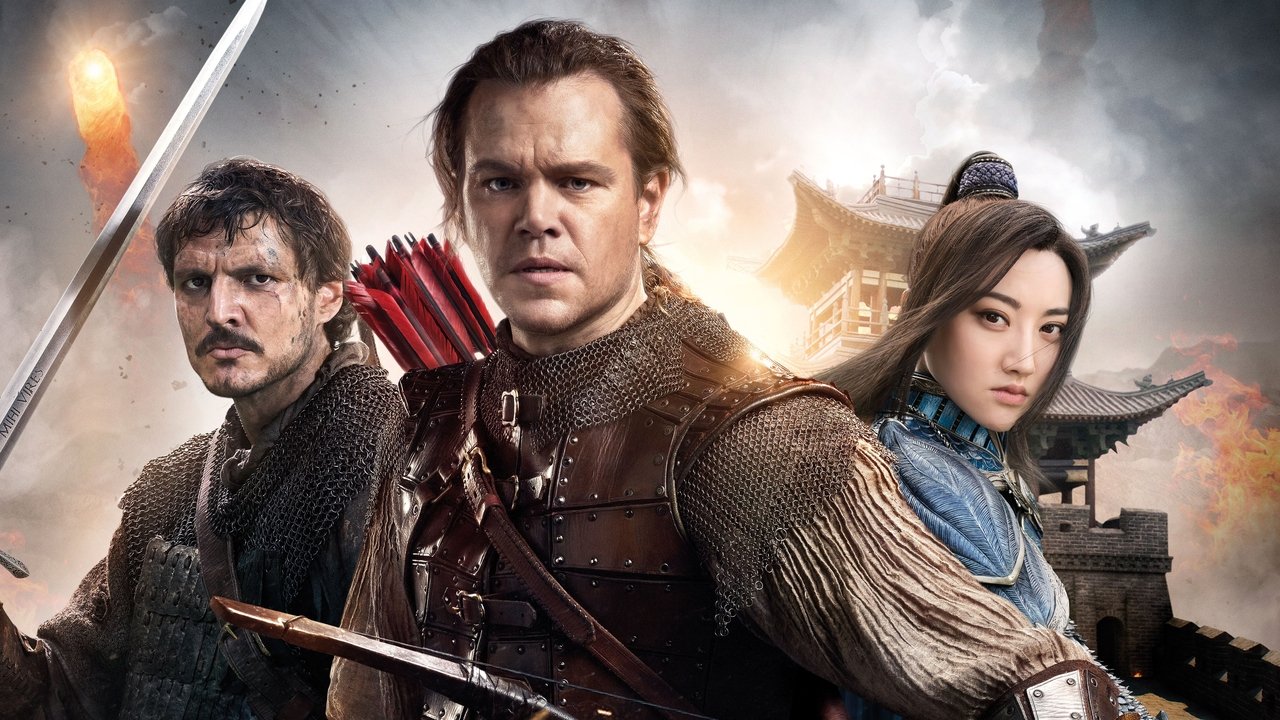
Back then, the discourse was dominated by "white savior" accusations, but watching it now, that critique feels almost misplaced because the movie isn't really interested in William. It’s interested in the Wall. Matt Damon mostly seems to be struggling with a shifting Irish-ish accent and a ponytail that deserves its own billing, while the real heavy lifting is done by Jing Tian as Commander Lin Mae. She’s the heart of the film, and the chemistry between her and Matt Damon is less "romantic leads" and more "coworkers who respect each other's LinkedIn profiles." Interestingly, Pedro Pascal—well before his The Last of Us and The Mandalorian superstardom—is the absolute MVP here. He’s playing Tovar, William’s cynical partner, and he seems to be the only one who realizes he’s in a giant monster movie. His comedic timing provides a much-needed release valve for the film's self-serious tone.
Monsters, Machines, and Midnight Movie Energy
The action doesn't just rely on the human element. The Tao Tei themselves are a fascinating piece of design, based on actual Chinese mythology. They aren’t just mindless beasts; they operate with a hive-mind intelligence that leads to some genuinely creative set pieces involving giant mechanical blades swinging from the wall and primitive-but-effective artillery. The CGI, handled by ILM, is a bit of a mixed bag—at times it’s seamless, and at others, it looks like a high-end video game cinematic—but the scale is undeniable.
Turns out, the production was a logistical nightmare. They built several massive sections of the wall in Qingdao because, surprisingly, the Chinese government wouldn't let them film giant monsters exploding on the actual Great Wall. The crew was a bilingual army of over 1,000 people, with over 100 interpreters on set just to make sure the "action" was understood by everyone. You can feel that weight on screen; the movie feels massive, even when the logic feels minuscule.
It’s also worth noting the score by Ramin Djawadi, who was fresh off his Game of Thrones success. He leans heavily into massive taiko drums and choral arrangements that give the skirmishes a sense of ancient, epic doom. It’s the kind of sound design that vibrates your teeth, which is exactly what you want when a few thousand green lizards are trying to eat Willem Dafoe (who is also here, playing a character named Ballard who has been stuck at the Wall for 20 years for… reasons).
Ultimately, The Great Wall is a glorious, colorful, well-intentioned mess. It lacks the soul of Zhang Yimou’s earlier masterpieces and the narrative tightness of a top-tier Hollywood thriller, but as a piece of pure spectacle, it’s undeniably fun. It’s a relic of a very specific moment in film history when we thought the future of movies was a seamless blend of East and West. It didn't quite work, but I'd rather watch this ambitious failure than a dozen more gray, sludge-colored superhero sequels. If you’ve got 100 minutes and an appreciation for Spear-Bungee-Jumping, you could do a lot worse.
Keep Exploring...
-
Pacific Rim: Uprising
2018
-
Wonder Woman 1984
2020
-
The Last Witch Hunter
2015
-

The Legend of Tarzan
2016
-
Warcraft
2016
-
Tomb Raider
2018
-
Hellboy
2019
-
Pokémon Detective Pikachu
2019
-
Mulan
2020
-

Pan
2015
-
Gods of Egypt
2016
-
Robin Hood
2018
-
Monster Hunter
2020
-
Mortal Kombat
2021
-
Aquaman
2018
-
Aquaman and the Lost Kingdom
2023
-
Damsel
2024
-
Batman v Superman: Dawn of Justice
2016
-
Suicide Squad
2016
-
X-Men: Apocalypse
2016