The Handmaiden
"A clockwork puzzle of silk, ink, and the liberating power of a well-timed lie."
The sharp, rhythmic scraping of a silver thimble against a snagged tooth isn't usually where one finds the heart of a grand romantic epic. Yet, in this fleeting, breathlessly intimate moment between a faux-handmaiden and her sheltered mistress, Park Chan-wook signals exactly what kind of game he's playing. This isn't just a period piece or a twisty heist; it is a tactile, sensory assault that demands you feel the texture of the silk, the coldness of the basement, and the electricity of a forbidden touch.
Released in 2016, a year where Western audiences were beginning to grow weary of the monolithic franchise machine, The Handmaiden arrived like a lightning bolt of pure, uncompromising cinema. It didn't just invite viewers back into theaters; it reminded them that movies could be dangerous, beautiful, and obscenely smart all at once. By transplanting Sarah Waters' Victorian novel Fingersmith to 1930s Korea under Japanese occupation, the film adds a searing layer of colonial tension to an already volatile cocktail of class warfare and sexual politics.
The Architecture of Deception
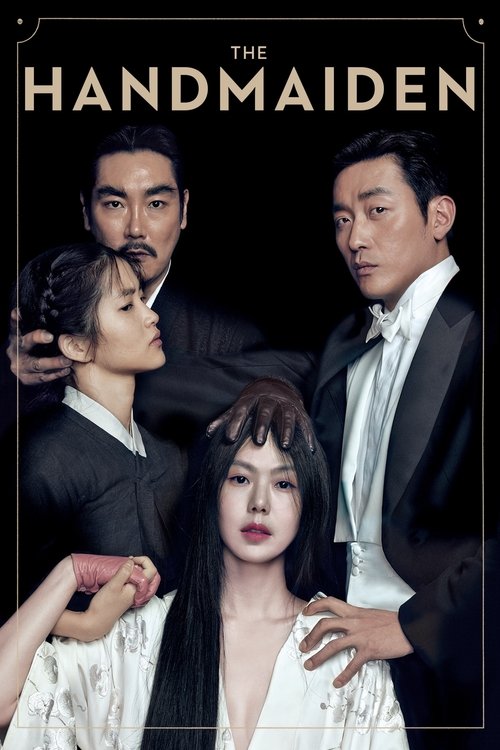
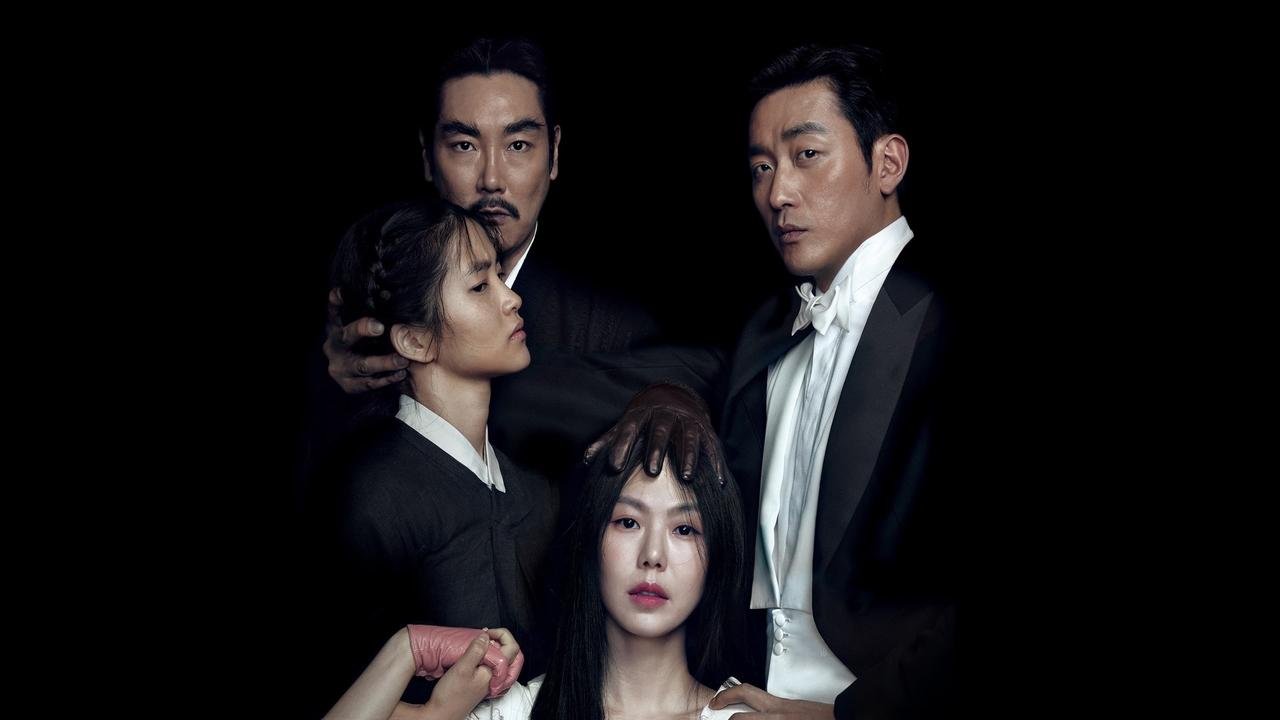
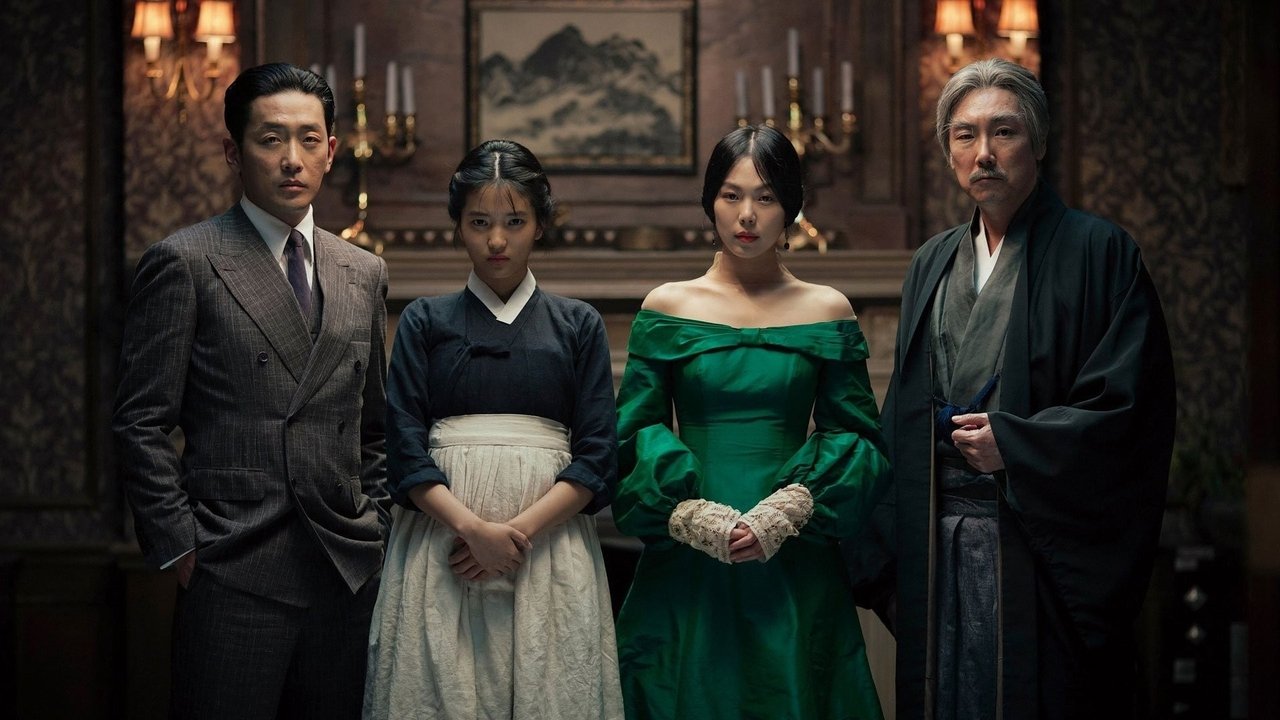
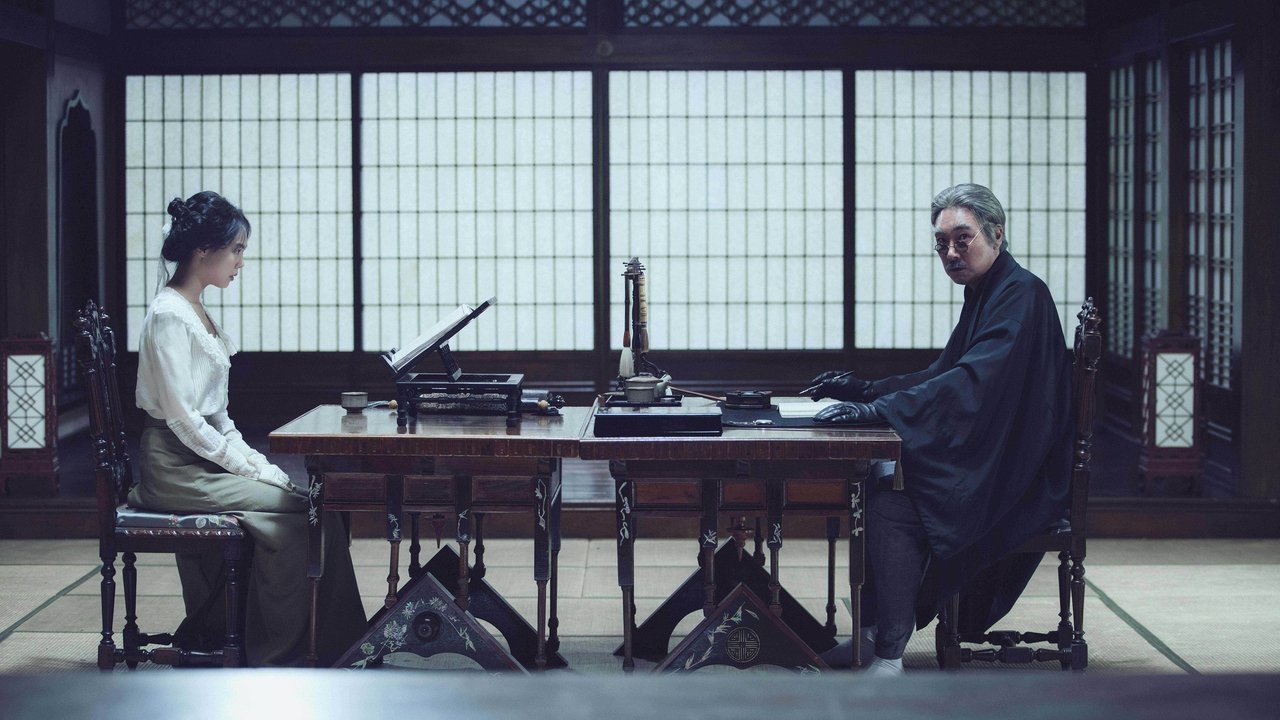
The plot functions like a nesting doll carved from obsidian. We begin with Sook-hee (Kim Tae-ri, in a career-making debut), a street-smart pickpocket recruited by a smooth-talking swindler known as the Count (Ha Jung-woo, oozing a desperate, oily charm). The plan is simple: Sook-hee embeds herself as a maid to Lady Hideko (Kim Min-hee), a Japanese heiress living under the thumb of her book-obsessed, sadistic Uncle Kouzuki (Cho Jin-woong). Sook-hee's job is to nudge Hideko into the Count's arms, steal her fortune, and commit her to an asylum.
But the brilliance of the screenplay—penned by Park Chan-wook and Chung Seo-kyung—lies in its refusal to stay still. Just as you think you've mapped out the boundaries of the betrayal, the film restarts, shifting perspectives and revealing that every sigh, every glance, and every "accident" was part of a different, deeper scheme. It's a drama that treats the audience with immense respect, trusting us to keep pace with its shifting loyalties without ever feeling like a cheap "gotcha" gimmick.
Performances Behind the Masks
While the plot provides the skeleton, the performances are the hot, pulsing blood. Kim Min-hee delivers a performance of staggering complexity as Hideko. She transitions from a porcelain doll, seemingly devoid of agency, to a woman wielding her trauma like a razor blade. Opposite her, Kim Tae-ri provides the film's moral and emotional anchor. Her Sook-hee is earthy, foul-mouthed, and fiercely protective.
The chemistry between them isn't just erotic; it's revolutionary. In an era where "representation" often feels like a corporate checklist, The Handmaiden offers a substantive, visceral portrayal of queer desire used as a tool for liberation. Their relationship is the only honest thing in a house built on lies. Watching them navigate the predatory gaze of the men around them—men who view women and art as mere collectibles—gives the film a biting contemporary relevance that hasn't faded since its premiere.
A Technical Masterclass
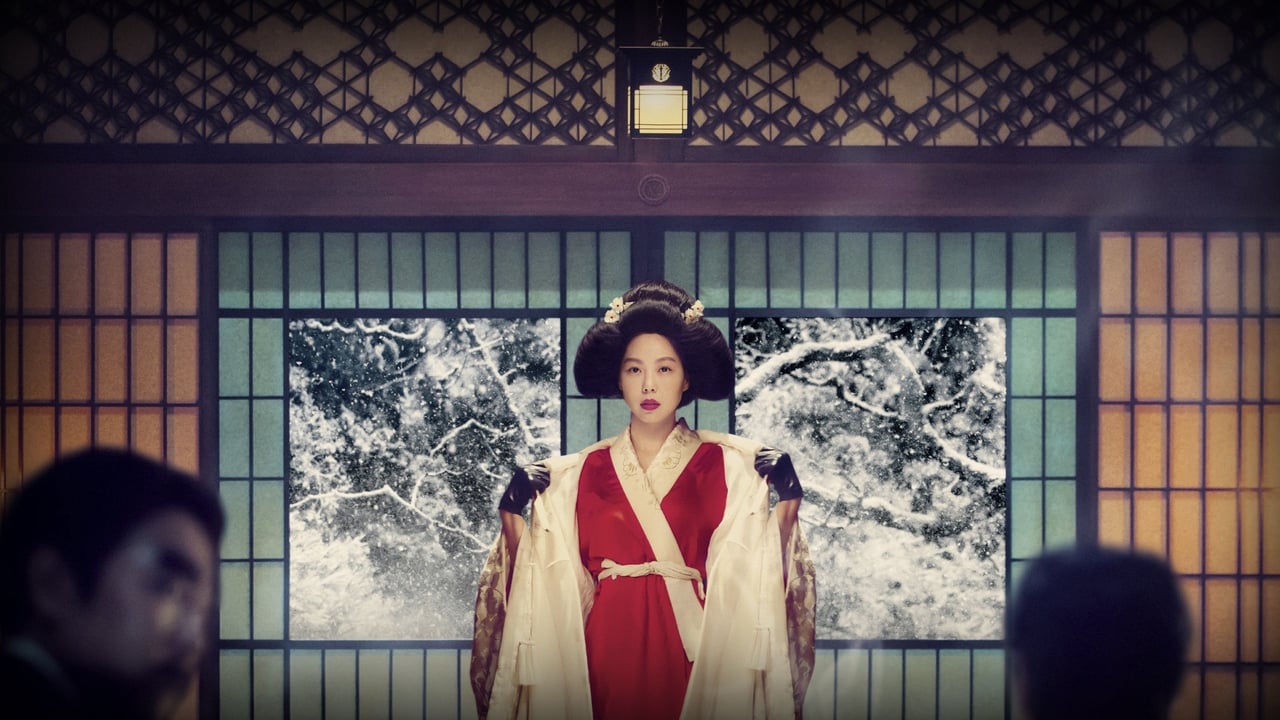
Visually, the film is an embarrassment of riches. Cinematographer Chung Chung-hoon (who also lensed the original Oldboy and later brought his talents to IT and Obi-Wan Kenobi) uses anamorphic lenses to capture the sprawling, oppressive beauty of the estate. The production design by Syd Lim is a triumph of hybridity, blending traditional Japanese architecture with cold, Victorian Gothic elements to create a home that feels like a beautiful cage.
Even the sound design carries weight. The rustle of paper in Kouzuki's library, where he forces Hideko to read erotic texts to a room of salivating aristocrats, feels as violent as a physical blow. The score by Cho Young-wuk avoids period-drama clichés, opting instead for a playful, ticking momentum that mirrors the film's heist-like structure.
The Prestige of the Prickly

The Handmaiden was a massive critical success, notably winning the BAFTA for Best Film Not in the English Language—the first South Korean film to ever do so. Its victory served as a precursor to the global "K-Wave" that would eventually lead to Parasite's historic Oscar sweep.
Inside the Library:
The film's central library set was so massive and intricate that it took nearly six months to design and build, serving as a physical manifestation of the Uncle's obsession with control. Park Chan-wook insisted on filming the more explicit sequences with a skeleton crew and remote-controlled cameras to ensure the actors felt entirely safe and in control of the space. In a nod to his own filmography, Park included a brief, subtle reference to an octopus—a creature that became synonymous with his name after 2003's Oldboy. The film premiered at the Cannes Film Festival to a standing ovation, immediately positioning it as the "prestige" title of the year, despite its pulpy, erotic-thriller roots.
This is not a film for the faint of heart or those who prefer their dramas polite. It is a story about the cruelty humans inflict on one another and the breathtaking ingenuity required to escape it. Park takes the "erotic thriller"—a genre often dismissed as tawdry—and elevates it to high art without losing the grit and sweat that makes it exciting. In a cinematic landscape often dominated by "safe" choices, The Handmaiden remains a defiant, gorgeous outlier. It's a film that demands to be watched on the biggest screen possible, where you can get lost in the ink and the lace, only to realize the real trap was set for you the moment the lights went down.
Keep Exploring...
-
Decision to Leave
2022
-
Oldboy
2003
-
Parasite
2019
-
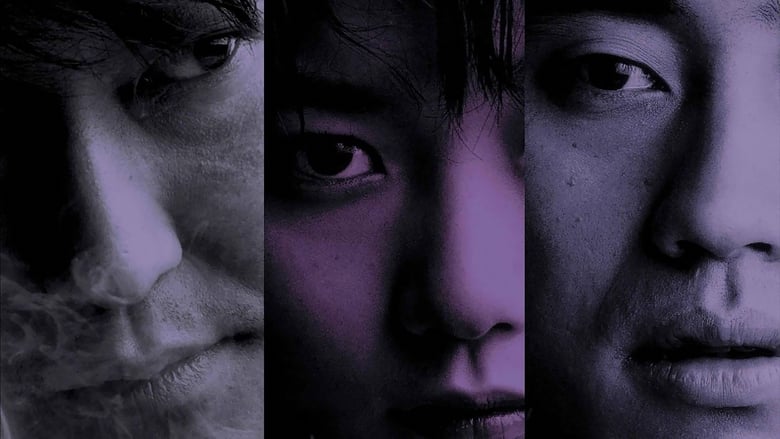
Sympathy for Mr. Vengeance
2002
-

Lady Vengeance
2005
-

Room
2015
-
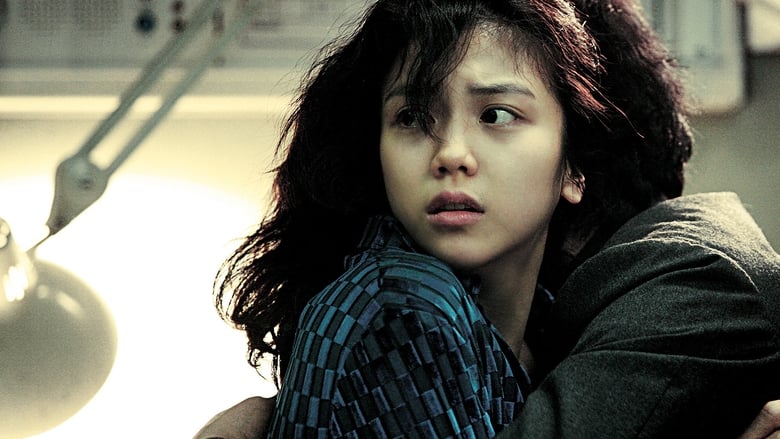
Thirst
2009
-

The Invisible Guest
2017
-

Joker
2019
-

My Fault
2023
-

Along with the Gods: The Two Worlds
2017
-

Burning
2018
-

Bridge of Spies
2015
-

Suburra
2015
-

Suite Française
2015
-

Miss Sloane
2016
-

Nocturnal Animals
2016
-

Detroit
2017
-

It
2017
-

Dark Waters
2019