The Invitation
"Pull up a chair. Stay forever."
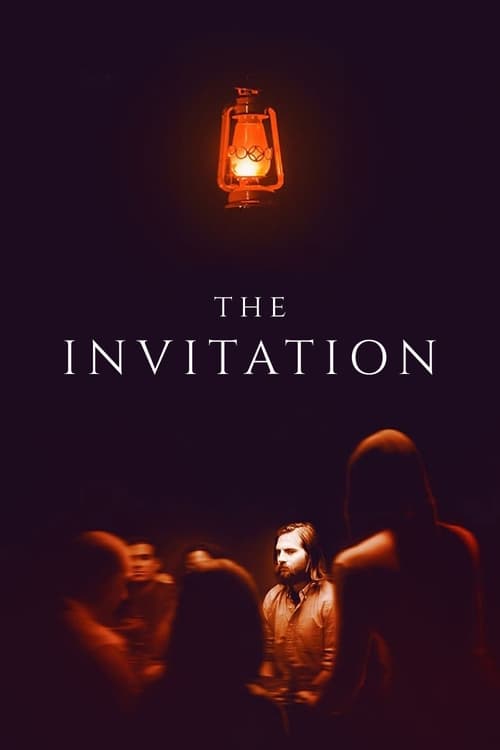
There is a specific brand of social politeness that feels like a slow-motion chokehold. You’re at a party, the wine is expensive, the lighting is "ambient," and someone says something so fundamentally wrong that your internal alarm bells start screaming. But you stay. You don't leave because leaving would be rude. You don't want to be the "crazy one" who ruins the vibe. The Invitation (2016) takes that very modern, very middle-class anxiety and sharpens it into a jagged piece of glass.

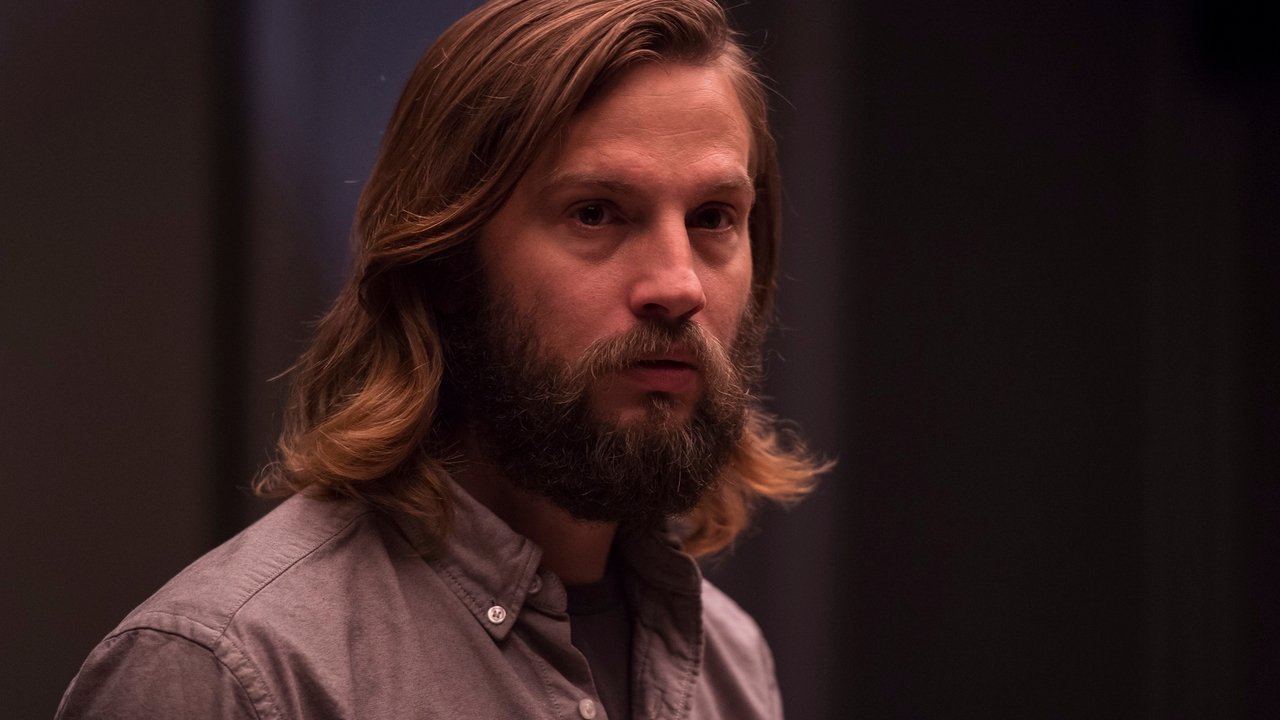
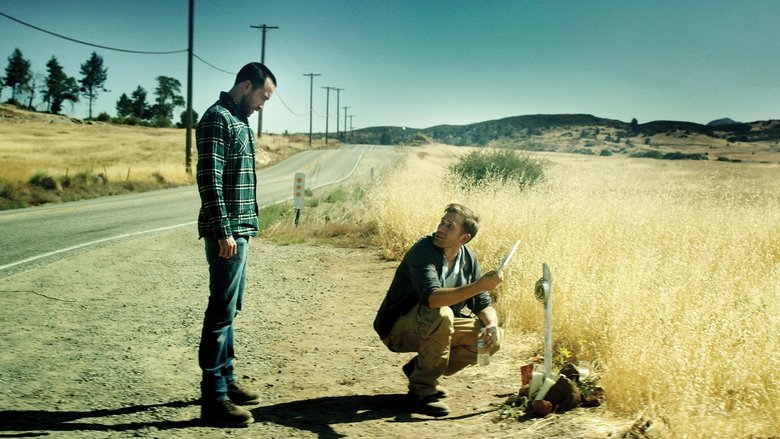
I watched this for the first time while wearing a pair of incredibly itchy wool socks I immediately regretted putting on, and honestly, that physical discomfort perfectly matched the movie’s vibe. From the moment Logan Marshall-Green (who is essentially Tom Hardy if he spent more time reading Nietzsche) pulls up to his old house in the Hollywood Hills, the air feels thin. He’s there with his girlfriend Kira (Emayatzy Corinealdi) to attend a dinner party hosted by his ex-wife, Eden (Tammy Blanchard), and her new husband, David (Michiel Huisman). They haven't seen each other in years, following a tragedy that destroyed their marriage.
The Etiquette of Paranoia
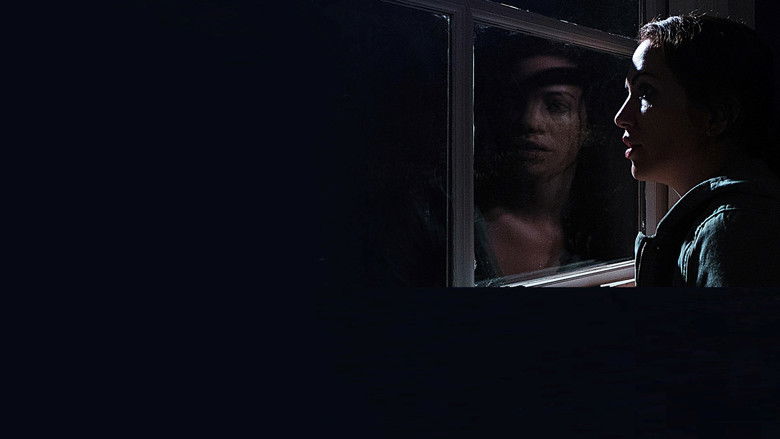
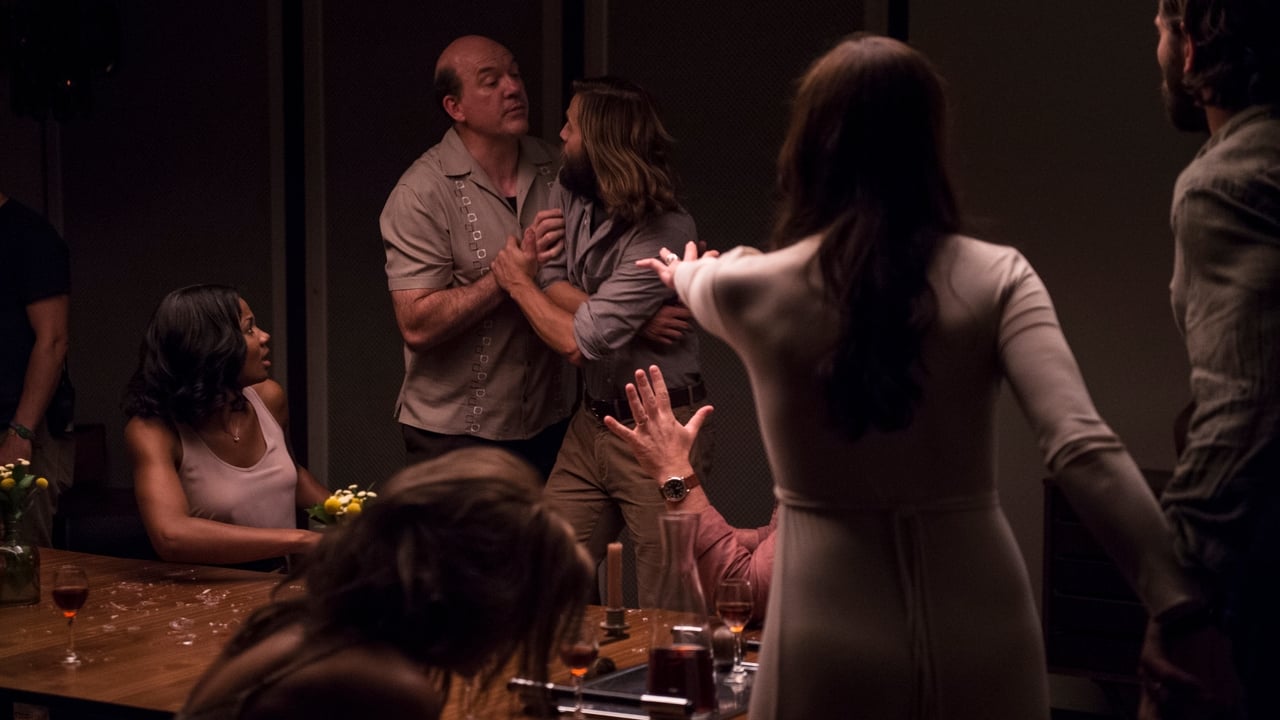
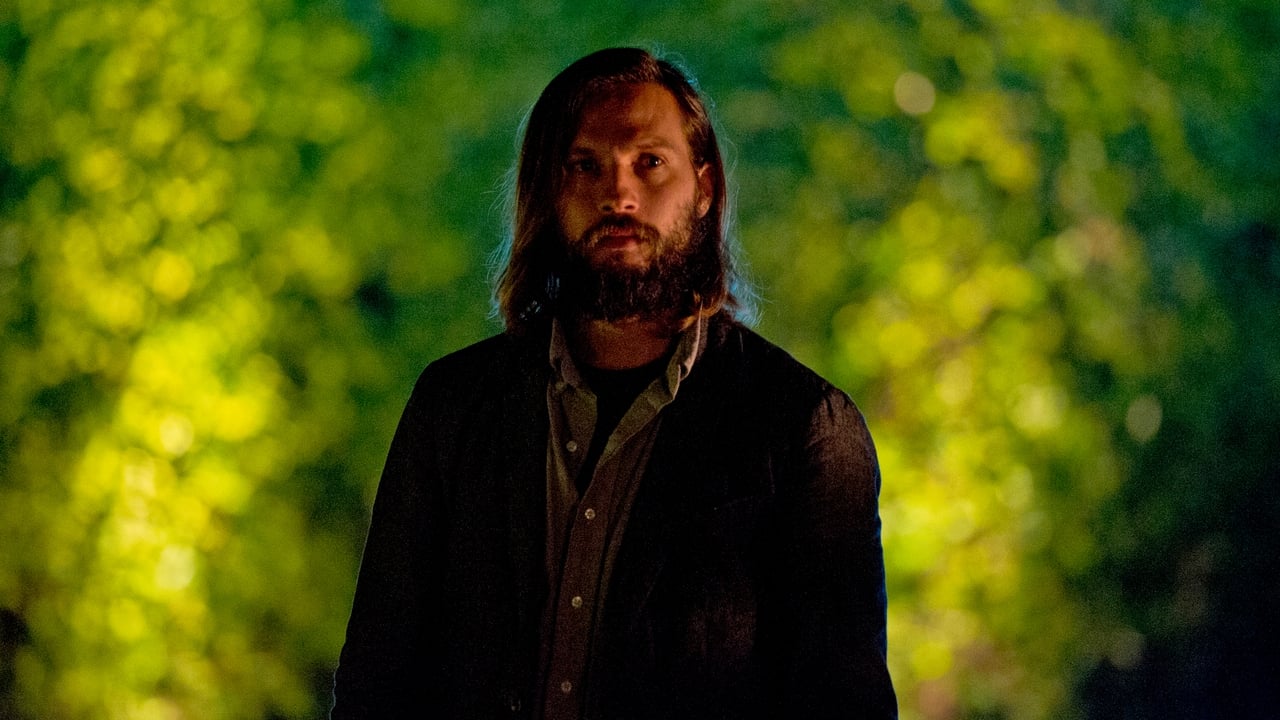
What follows is a masterfully controlled exercise in gaslighting. We see the night through the eyes of Will (Logan Marshall-Green), who is still visibly vibrating with grief. He notices things: the bars on the windows, the doors being locked from the inside, the presence of a mysterious, soft-spoken man named Pruitt (John Carroll Lynch). Every time Will voices a concern, the rest of the guests—a collection of "enlightened" L.A. types—look at him with a mixture of pity and annoyance.
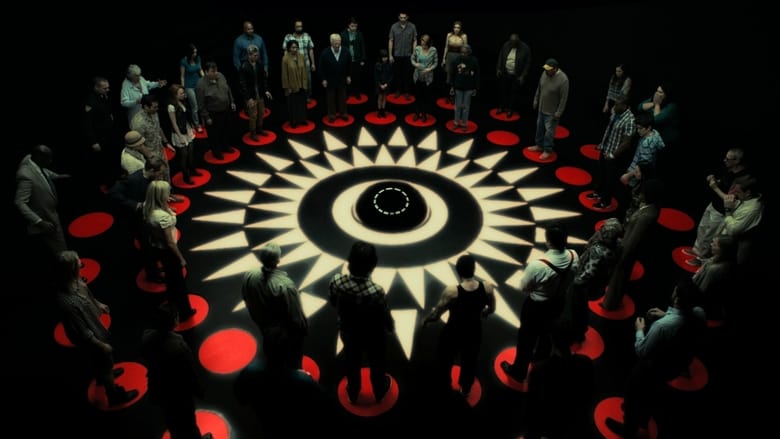
This is where the film excels as a contemporary thriller. It weaponizes social etiquette against the protagonist. David and Eden have joined a "group" (read: cult) in Mexico that helped them "process" their grief, and they want to share the message. When they show a video of a woman dying as part of a group ritual, the guests are uncomfortable, but they stay. If someone shows you a video of a woman dying at a dinner party, you don't stay for the dessert—you jump out the nearest window. But here, the characters are too trapped by the "well, let’s hear them out" culture of the 2010s to act on their survival instincts.
John Carroll Lynch, whom I will always associate with the terrifying ambiguity of Zodiac (2007), is spectacular here. He has this way of being incredibly gentle while making you feel like he’s calculating how many seconds it would take to snap your neck. He and Lindsay Burdge, who plays a high-strung wildcard named Sadie, provide the "stranger danger" element that balances the domestic tension.
Doing More With a Single Zip Code
From a production standpoint, The Invitation is a textbook example of how to beat a limited budget. Shot for just $1 million over about 20 days, it relies entirely on its single location. Director Karyn Kusama—who finally got the respect she deserved here after being unfairly sidelined following Jennifer's Body (2009)—uses the house as a character. At first, it’s beautiful and aspirational; by the third act, it’s a tomb.
The script, written by Matt Manfredi and Phil Hay, is incredibly lean. There’s no wasted motion. They understand that the "horror" isn't just in what might happen, but in the agonizing process of a man wondering if he’s actually losing his mind. The Hollywood Hills are basically a giant petri dish for upper-middle-class insanity, and the film captures that specific flavor of "wellness-culture-turned-deadly" perfectly. It’s a film that didn't need a massive theatrical rollout to work; in fact, its life on streaming platforms is what cemented its status as a modern cult classic. It’s the kind of movie you find on a Friday night and then immediately text three friends about.
The Red Lantern
I won't spoil the ending, but I will say it contains one of the most haunting final shots in recent memory. It’s a moment that shifts the scale of the movie from a claustrophobic dinner party to something much wider and more terrifying. It recontextualizes the entire slow-burn build-up in a way that feels earned rather than cheap.
The sound design by Theodore Shapiro deserves a shout-out too. There’s a persistent, low-level hum and the sound of crickets that seems to get louder as Will’s mental state frays. It’s a tactile movie; you can almost smell the expensive red wine and the stale air of a house where the windows haven't been opened in days.
The Invitation is a reminder that you should always trust your gut, even if it makes you look like a jerk at a party. It’s a lean, mean, 100-minute exercise in tension that proves you don't need a hundred million dollars to scare the hell out of an audience—you just need a locked door, a grieving man, and a host who won't take "no" for an answer.
This is the kind of indie horror that makes you want to stay home and order pizza instead of ever accepting a "mystery" dinner invite again. Karyn Kusama turned a small budget into a towering achievement of suspense. It’s smart, it’s cruel, and it understands exactly how fragile our social masks really are. Just do me a favor: if they start pouring the expensive stuff and locking the doors, just leave. Be rude. Your life might depend on it.