The Jungle Book
"The jungle breathes, even if it's made of pixels."
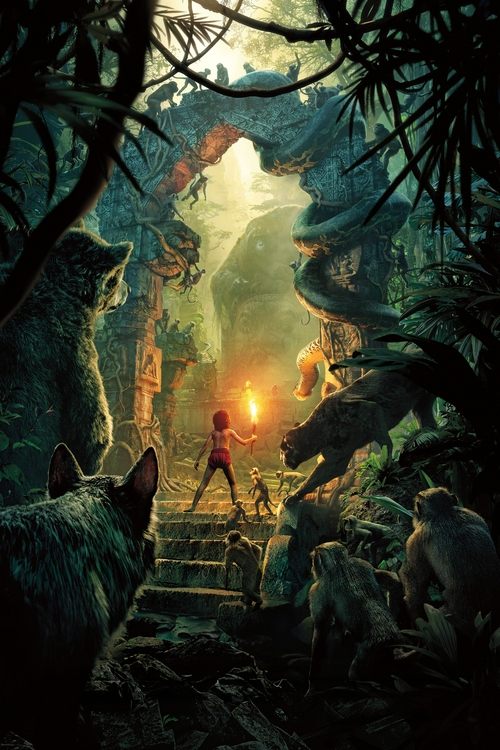
I remember sitting in the third row of a packed IMAX theater, clutching a lukewarm cherry slushie that had already started to separate into syrup and ice, and feeling a genuine sense of vertigo as a tiny boy sprinted across a collapsing canopy of tree limbs. At that moment, I realized we had crossed a digital Rubicon. I knew, intellectually, that young Neel Sethi was probably just jumping over a pile of blue gym mats in a Los Angeles warehouse, but my lizard brain was screaming that he was about to be eaten by a very expensive, very hungry tiger.
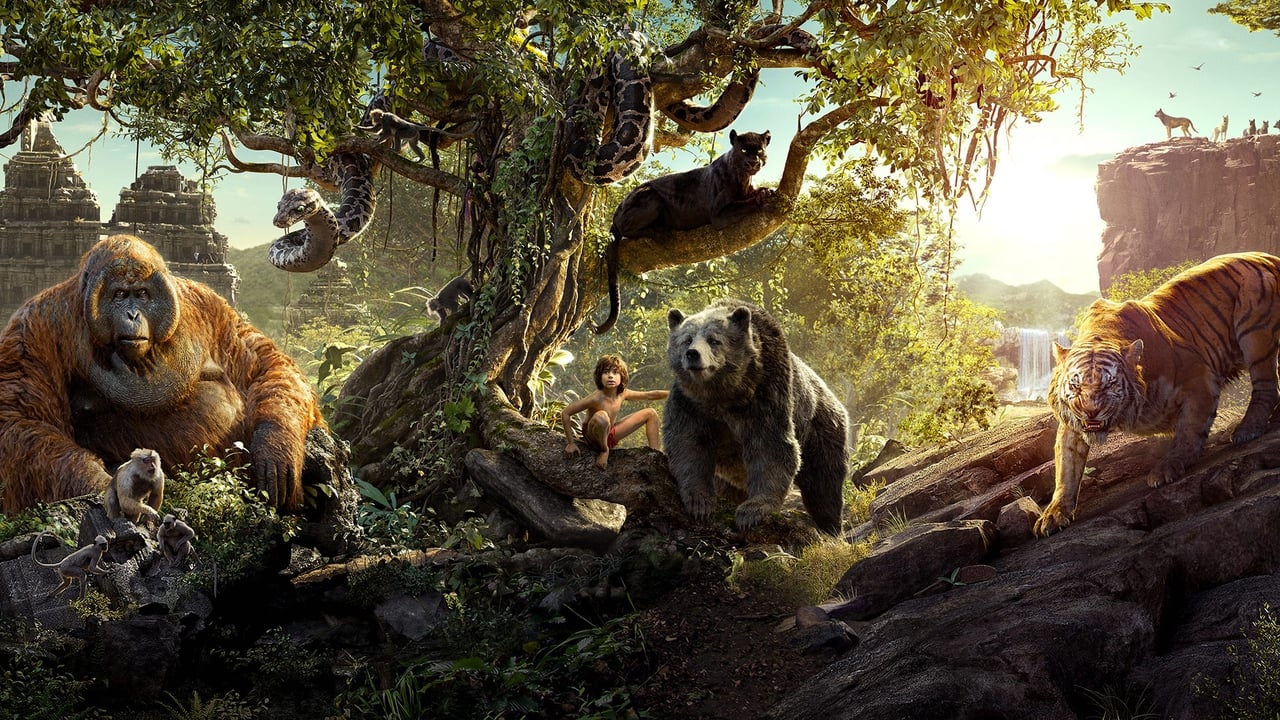
When Disney announced they were giving the 1967 animated classic a "live-action" facelift, the collective groan from cinema purists was loud enough to wake a sleeping sloth bear. We were already neck-deep in the era of the "unnecessary remake," where studios began mining our childhoods for easy box office gold. But Jon Favreau (fresh off the indie charm of Chef and the blockbuster blueprinting of Iron Man) did something unexpected. He didn't just photocopy the cartoon; he used cutting-edge tech to build a bridge back to the primal, dangerous spirit of Rudyard Kipling’s original stories.
A Digital Ecosystem That Actually Breathes
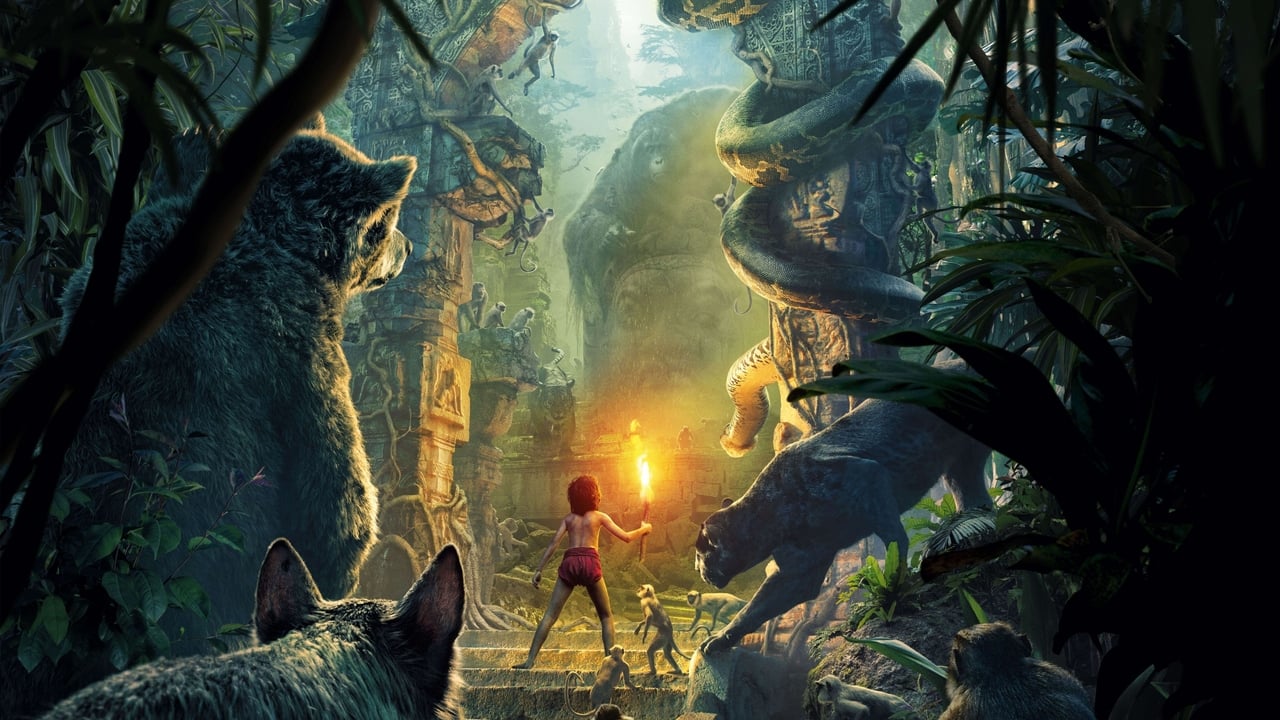
In the current landscape of contemporary cinema, we’re drowning in CGI. Usually, it feels like we’re looking at a screensaver, but Favreau and cinematographer Bill Pope (The Matrix, Spider-Man 2) treated the digital jungle like a practical location. There’s a weight to the mud, a dampness to the moss, and a terrifying scale to the "Red Flower" (fire) that feels tangible.
What fascinates me now, looking back from our post-pandemic world of "The Volume" and virtual production, is how this film served as the laboratory for everything that followed. It’s the high-water mark of the Disney remake machine precisely because it prioritizes the adventure over the brand. When Mowgli is caught in a buffalo stampede during a drought, the peril feels earned. It isn’t just a sequence; it’s a masterclass in pacing. I’d argue it’s the only Disney remake that justifies its own existence by improving on the source material's stakes.
The Voices in the Leaves
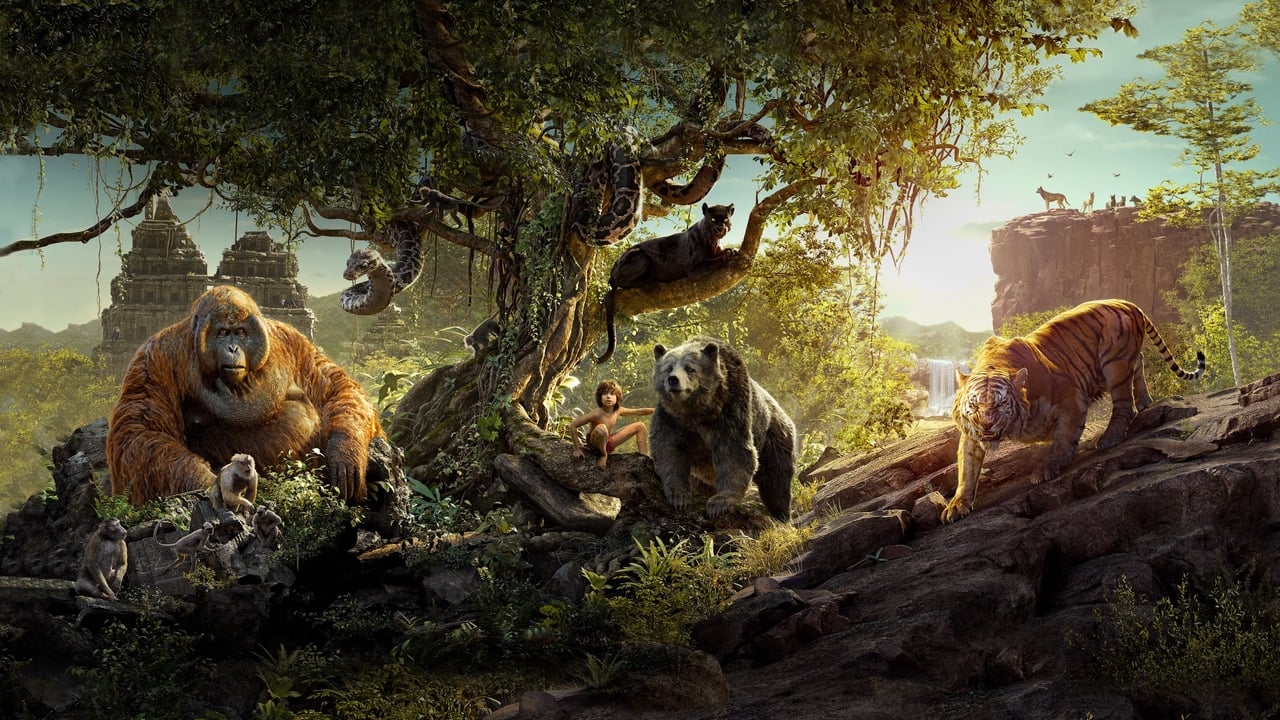
The casting here is a bit of a "cheat code." You bring in Ben Kingsley to voice Bagheera, and suddenly the panther has the gravitas of a Shakespearian mentor. Then you have Idris Elba as Shere Khan. Elba doesn't just play a villain; he plays a scarred, hateful manifestation of trauma and power. Every time his voice rumbled through the theater speakers, the kids in the row in front of me stopped rustling their candy wrappers. He is legitimately terrifying, a reminder that nature isn't "cute"—it’s a hierarchy.
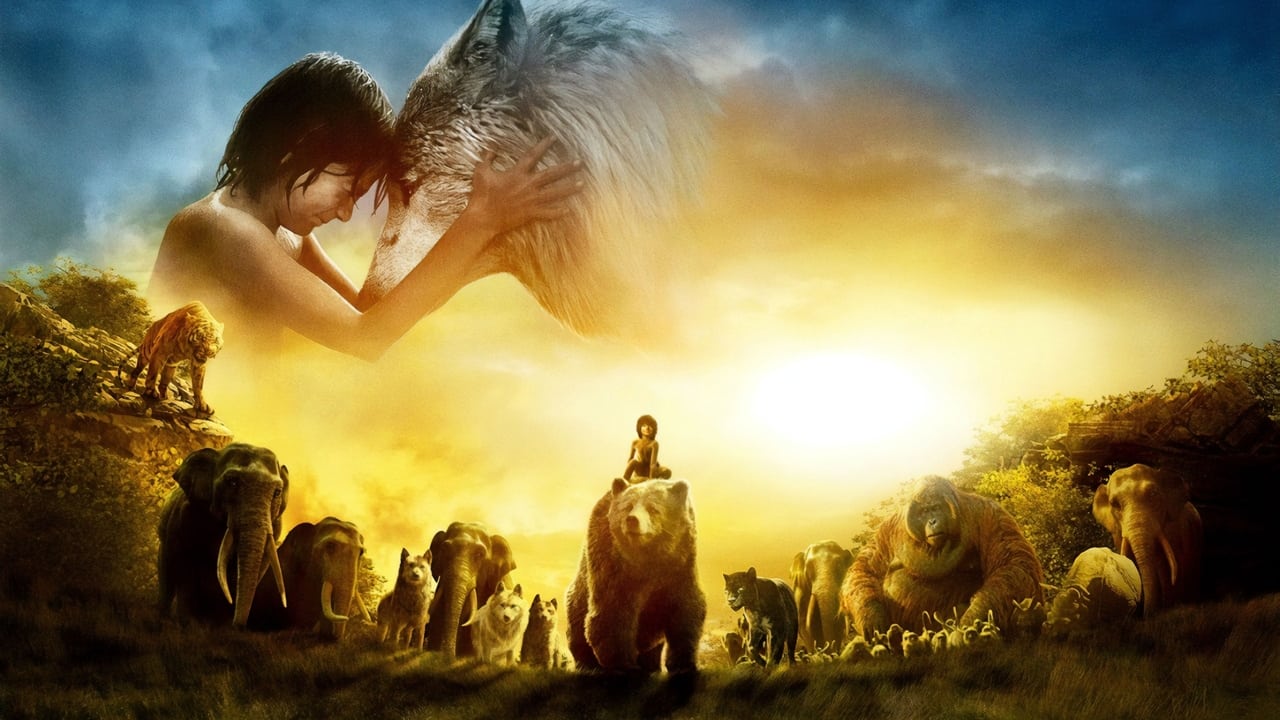
And then there’s Bill Murray as Baloo. It’s the most "Bill Murray" performance to ever happen in a recording booth. He brings a necessary levity that prevents the film from descending into a grim-dark slog. When he and Neel Sethi finally break into "The Bare Necessities," it doesn't feel like a cynical "play the hits" moment. It feels like two friends messing around in a river. I watched this again recently on a flight next to a guy who was aggressively eating a tuna salad sandwich, and even the smell of canned fish couldn't ruin the pure, nostalgic joy of that song.
The King of the Swingers
We have to talk about Christopher Walken as King Louie. In the '67 version, Louie is a jazzy, bumbling orangutan. Here, he’s a Gigantopithecus—a prehistoric ape the size of a small house—dwelling in a crumbling temple that looks like it was rejected from an Indiana Jones set. Walken plays him like a jungle mob boss, a hairy Colonel Kurtz who wants the secret of fire. Turning a beloved Disney monkey into a literal kaiju is the kind of swing I wish more blockbusters would take. It’s weird, it’s unsettling, and it’s arguably the best scene in the movie.
The film does stumble slightly in its third act, falling into the modern trap of needing a massive, explosive showdown that feels a bit more "superhero movie" than "fable." But the emotional core remains intact. Sethi, the only human on screen for 90% of the runtime, handles the physical demands and the "acting at nothing" requirements with more poise than many seasoned vets.
Stuff You Didn't Notice
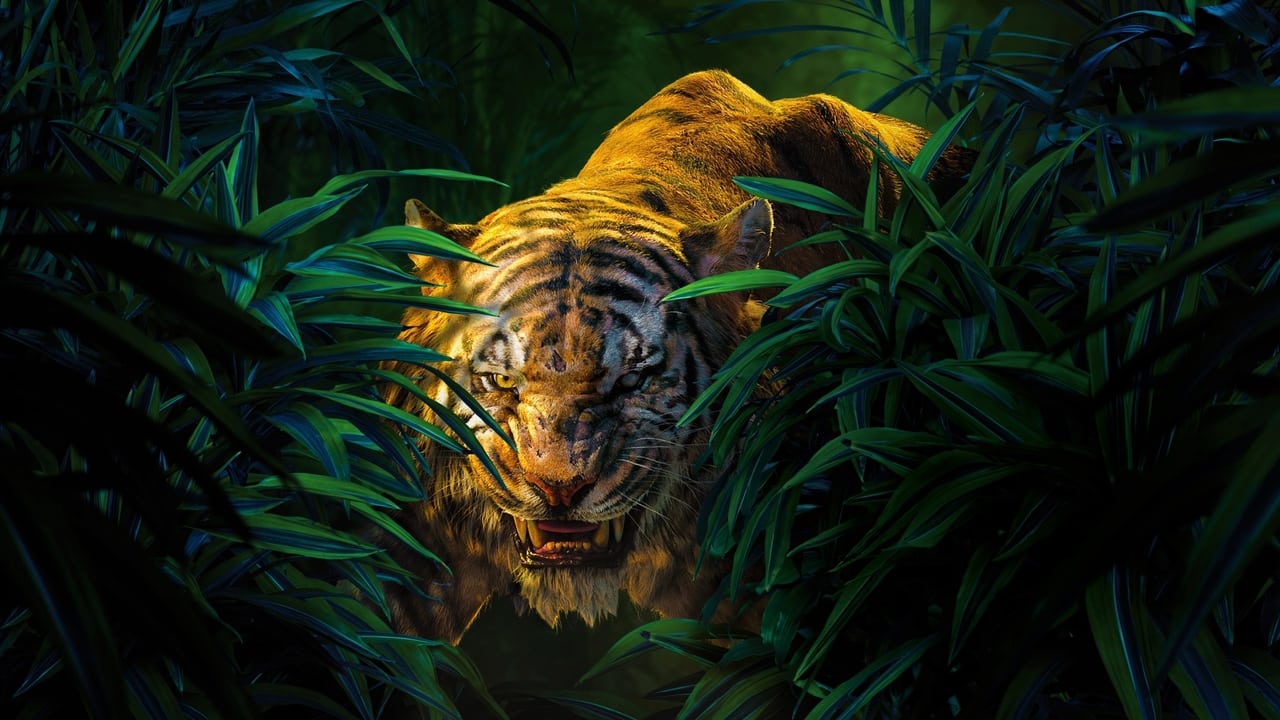
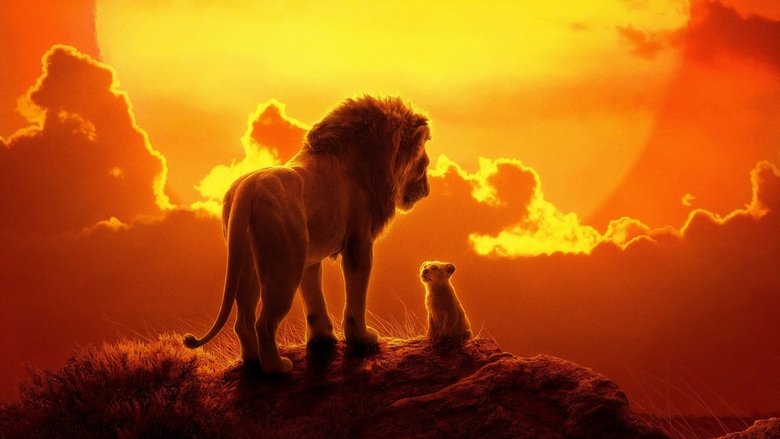
Interestingly, despite the "Live-Action" label, there is only one live-action element in the entire film: Neel Sethi. Everything else—the animals, the leaves, the water, the lighting—is a digital creation. It’s a technical marvel that actually has a soul, which is more than I can say for the 2019 Lion King (also directed by Favreau), which traded expression and heart for a National Geographic documentary aesthetic that felt cold. The Jungle Book strikes the perfect balance; the animals look real, but their eyes still tell a story.
It’s also worth noting that the film’s massive $966 million box office haul basically gave Disney the "green light" to remake every single property they own. While we can debate the creative merits of that trend, this specific film remains the gold standard of the bunch. It’s a grand, sweeping adventure that reminds you why we go to the movies in the first place: to see things that shouldn't be possible look like they’re happening right in front of us.
Ultimately, The Jungle Book is a rare beast: a high-budget franchise entry that feels like it was made by people who actually love the craft of storytelling. It captures that elusive childhood feeling of wandering into the woods behind your house and imagining the shadows are shifting into something ancient and powerful. If you’ve skipped the Disney remake trend out of a sense of principle, make an exception for this one. It’s the real deal.
Keep Exploring...
-
The SpongeBob Movie: Sponge Out of Water
2015
-
Aladdin
2019
-
Frozen II
2019
-
The Lion King
2019
-
The Croods: A New Age
2020
-

A Dog's Purpose
2017
-

Minions: The Rise of Gru
2022
-
The Super Mario Bros. Movie
2023
-
Kung Fu Panda 4
2024
-
Moana 2
2024
-
A Minecraft Movie
2025
-
Alice Through the Looking Glass
2016
-
Finding Dory
2016
-
Miss Peregrine's Home for Peculiar Children
2016
-
Pete's Dragon
2016
-

The BFG
2016
-

Trolls
2016
-
Zootopia
2016
-

Dumbo
2019
-
Maleficent: Mistress of Evil
2019