The Light Between Oceans
"A miracle in a rowboat becomes a storm of conscience."

In the mid-2010s, we were witnessing the final, gasping breaths of the sweeping, mid-budget adult drama as a theatrical staple. Before these stories were almost entirely exported to streaming platforms to be watched between laundry loads, we had films like The Light Between Oceans. It arrived in 2016 with all the pedigree of an Oscar heavyweight—based on a massive bestseller, directed by the king of raw intimacy, and starring three of the most talented actors on the planet—yet it largely vanished from the collective conversation within months. I watched this again recently on a flight where the person in the seat next to me was reading a book about tax law, and honestly, the contrast between their dry spreadsheets and the crashing, salt-sprayed melodrama on my screen felt like a personal rebellion against boredom.
The Chemistry of Isolation
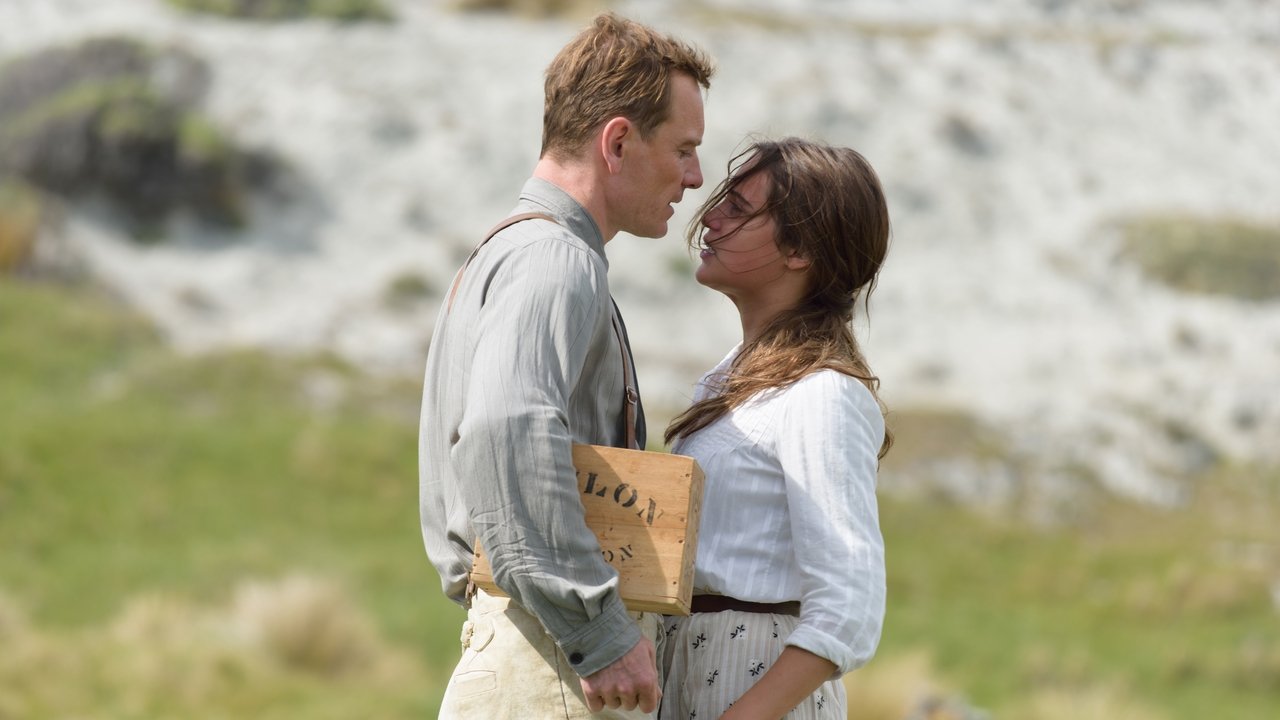
The film belongs to Michael Fassbender (who you might know as the younger, angrier Magneto or the terrifying android in Prometheus) and Alicia Vikander (Ex Machina, The Danish Girl). They play Tom and Isabel Sherbourne, a couple living on Janus Rock, an isolated lighthouse station off the coast of Western Australia just after World War I. Tom is a veteran looking for silence to drown out the echoes of the trenches; Isabel is the burst of life that refuses to let him vanish into his own head.
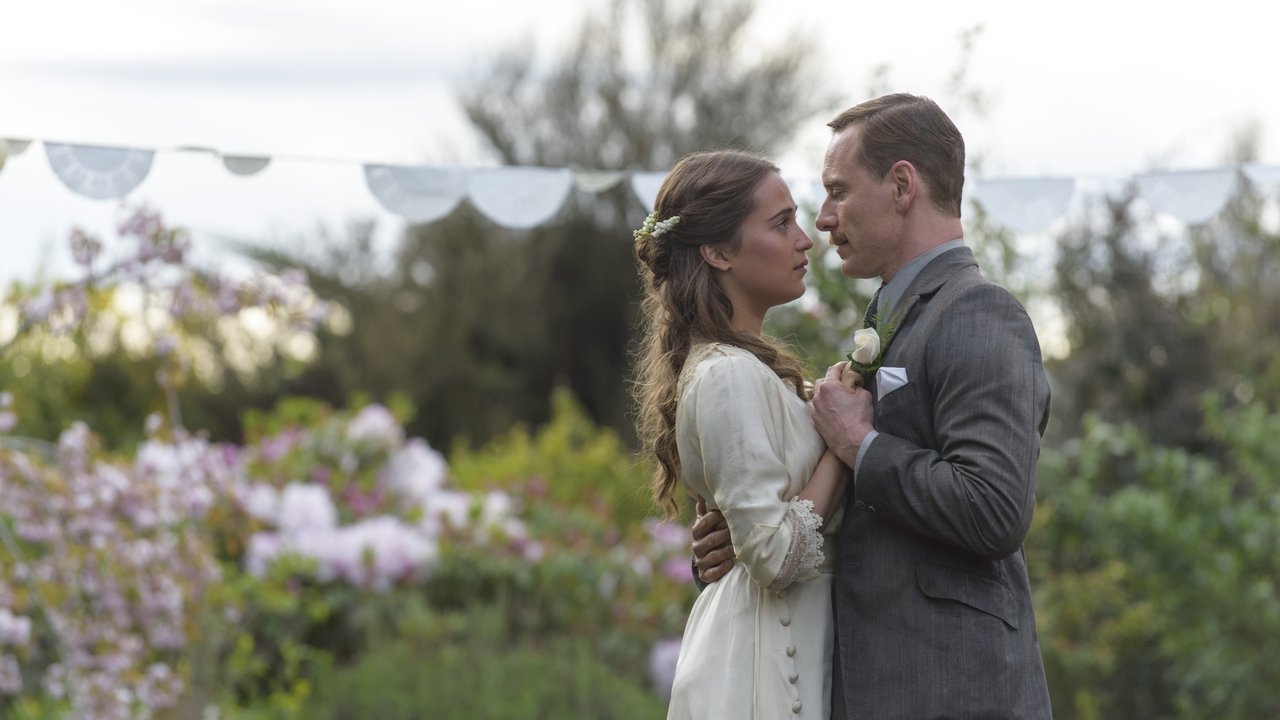
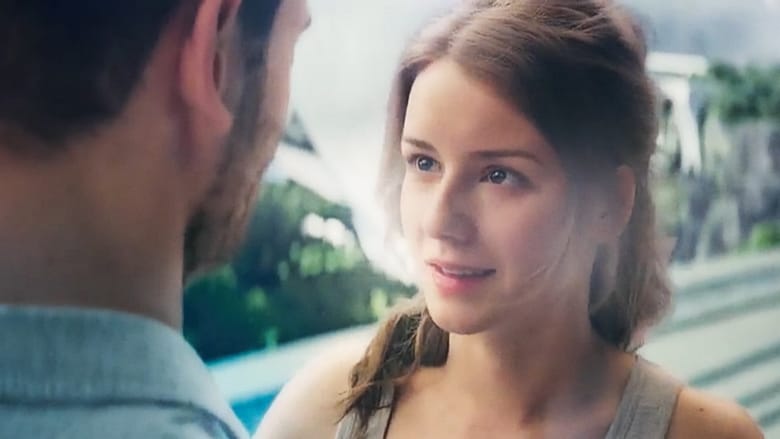
Their chemistry is the film’s strongest engine. It’s well-documented trivia that Fassbender and Vikander fell in love for real during this production, eventually getting married, and you can see it in every frame. There is a tactile, unforced sweetness to their early scenes—the way they shave his face or play on the wind-swept hills—that makes the coming tragedy feel less like a script requirement and more like a genuine haunting. Fassbender’s face is basically a tectonic plate of repressed emotions, shifting millimeters at a time while expressing leagues of internal pain.
A Moral Fog on the Horizon
The plot kicks into gear when a rowboat washes ashore containing a dead man and a very much alive infant. After suffering multiple heartbreaking miscarriages, Isabel sees the baby as a gift from God; Tom, ever the rule-follower, sees a report that needs to be filed. They keep the child, naming her Lucy-Grace, and for a few years, they are a perfect, if isolated, family.
Then comes the inevitable collision with the real world. During a trip to the mainland, they encounter Hannah, played with a brittle, shattering intensity by Rachel Weisz (The Favourite, The Constant Gardener), who is mourning the loss of her husband and baby at sea. The moral dilemma is the kind of thing that keeps you up at night: do you do the "right" thing and return the child, destroying the only mother she has ever known, or do you maintain a lie that keeps a grieving woman in a perpetual state of purgatory?
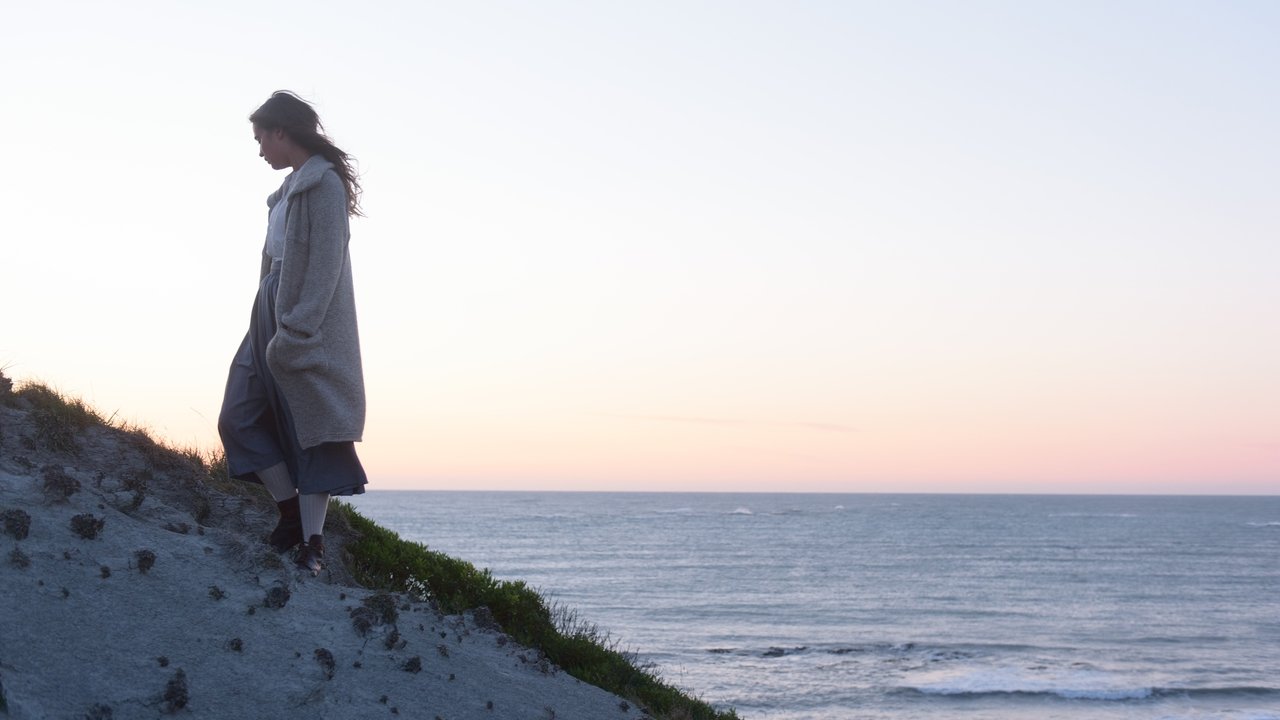
Director Derek Cianfrance—who previously gave us the beautiful, soul-crushing Blue Valentine—doesn't let anyone off the hook. He treats the landscape like a character. The cinematography by Adam Arkapaw (who also shot the grimy, gorgeous True Detective Season 1) is stunning. The light is golden and hazy, but the ocean is always there, grey and uncaring, reminding you that these people are tiny specs on a very large, indifferent rock.
Why Did This One Get Lost?
Looking back from our current era of franchise dominance, it’s easy to see why The Light Between Oceans struggled at the box office. It’s a "weepie" in an era where audiences were beginning to prefer their tears to come from superhero sacrifices rather than period-piece moral quandaries. It’s also incredibly slow. The third act leans so hard into the misery that it starts to feel like an Olympic sport for crying, and for some, that's a tough sell on a Friday night.
Furthermore, the film was caught in a bit of a corporate shuffle. It was one of the last films released by DreamWorks via their distribution deal with Disney before moving to Universal. In the marketing world, that often means a film becomes an "orphan" (ironic, given the plot), losing the promotional push it needs to survive the crowded autumn awards corridor.
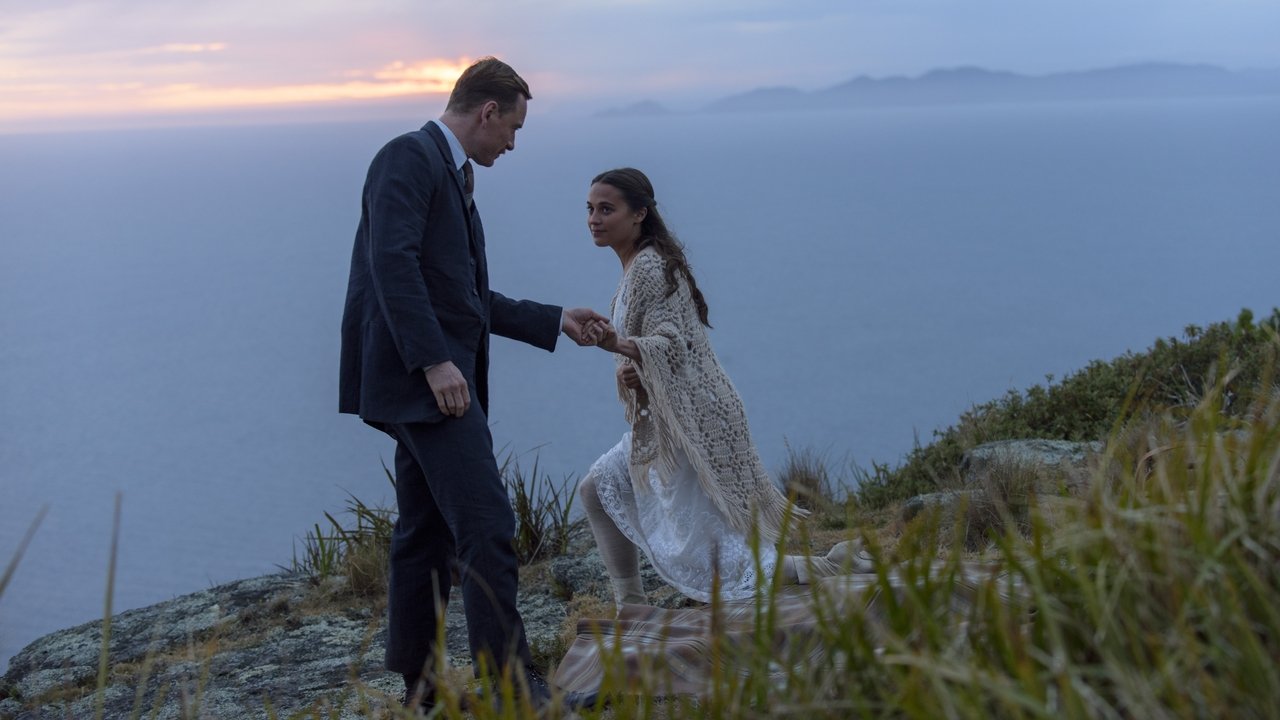
Despite its lack of "legendary" status, I think it’s a film that deserves a second look now. In an age of digital sets and "Volume" filming, there is something deeply refreshing about seeing actors actually standing on a real, wind-battered cliff. Apparently, the cast and crew lived in trailers on the remote New Zealand peninsula where they filmed, and that sense of physical isolation bleeds into the performances. It’s a beautifully crafted, deeply earnest film that isn't afraid to be "too much." If you're in the mood for a movie that feels like a heavy wool blanket on a cold night—slightly scratchy but undeniably warm—this is the one you’ve likely overlooked.
It is a film that demands your patience and a fair amount of tissues. While it might occasionally tip over into sentimentality, the sheer power of the central performances—especially the simmering guilt portrayed by Michael Fassbender—keeps it anchored. It’s a reminder that even in our modern, fast-paced cinema landscape, there’s still room for a story about a lighthouse, a lie, and the crushing weight of a secret.
---
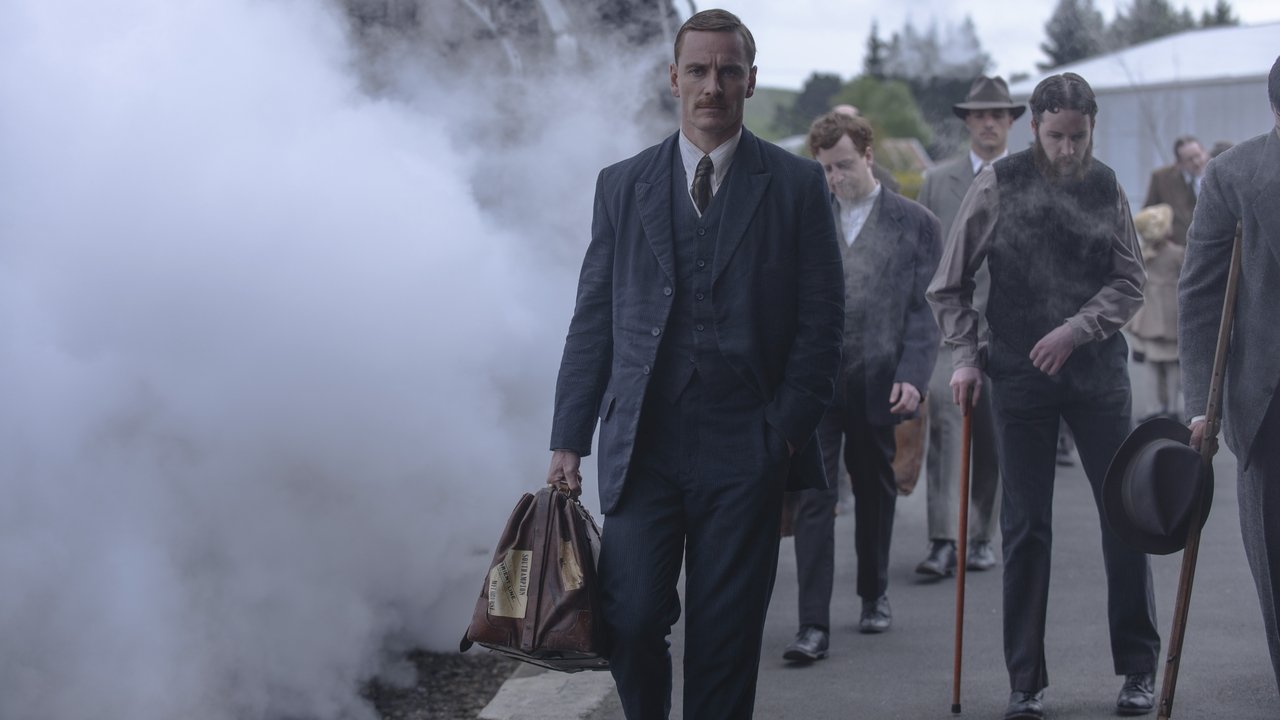
Keep Exploring...
-
Anomalisa
2015
-
Equals
2015
-
Far from the Madding Crowd
2015
-
Slow West
2015
-
Loving
2016
-
The Choice
2016
-
Home Again
2017
-
Professor Marston and the Wonder Women
2017
-
The Discovery
2017
-
Wonder Wheel
2017
-
Disobedience
2018
-
If Beale Street Could Talk
2018
-
The Aeronauts
2019
-
Tolkien
2019
-
I Still Believe
2020
-
Blue Valentine
2010
-
Suite Française
2015
-
Fallen
2016
-
High Strung
2016
-
Attraction
2017