The Magnificent Seven
"Justice comes with a heavy caliber."
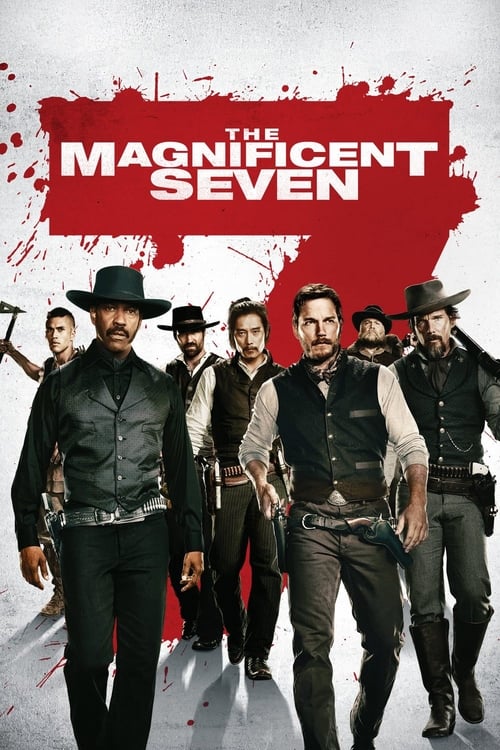
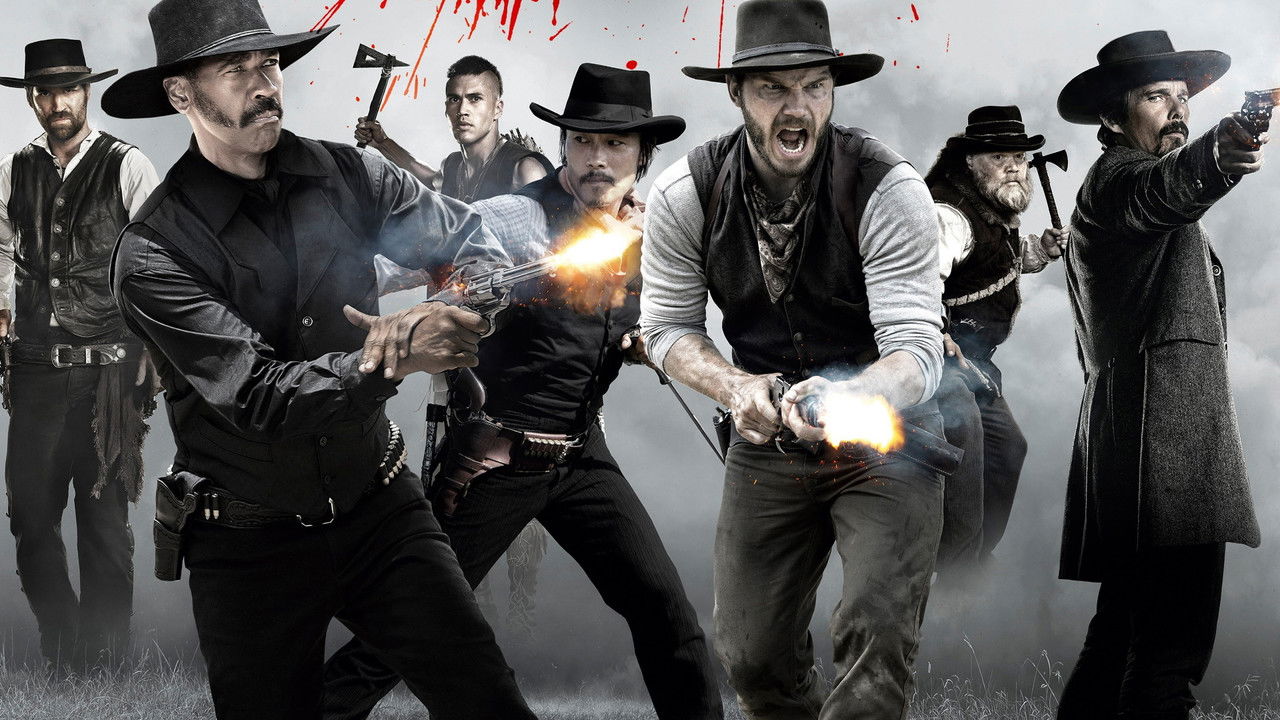
The modern Western is a bit like a ghost at a crowded party: it doesn’t quite know where to sit, and half the guests aren't sure why it’s there, but it still commands the room when it speaks. In an era where every major release feels like a 200-million-dollar mortgage payment on a superhero franchise, Antoine Fuqua's 2016 take on The Magnificent Seven arrived with a different kind of swagger. It wasn't trying to deconstruct the genre or offer a gritty, existential "meditation" (sorry, I promised not to use that word). It just wanted to watch Denzel Washington look cool in a black hat while things exploded.
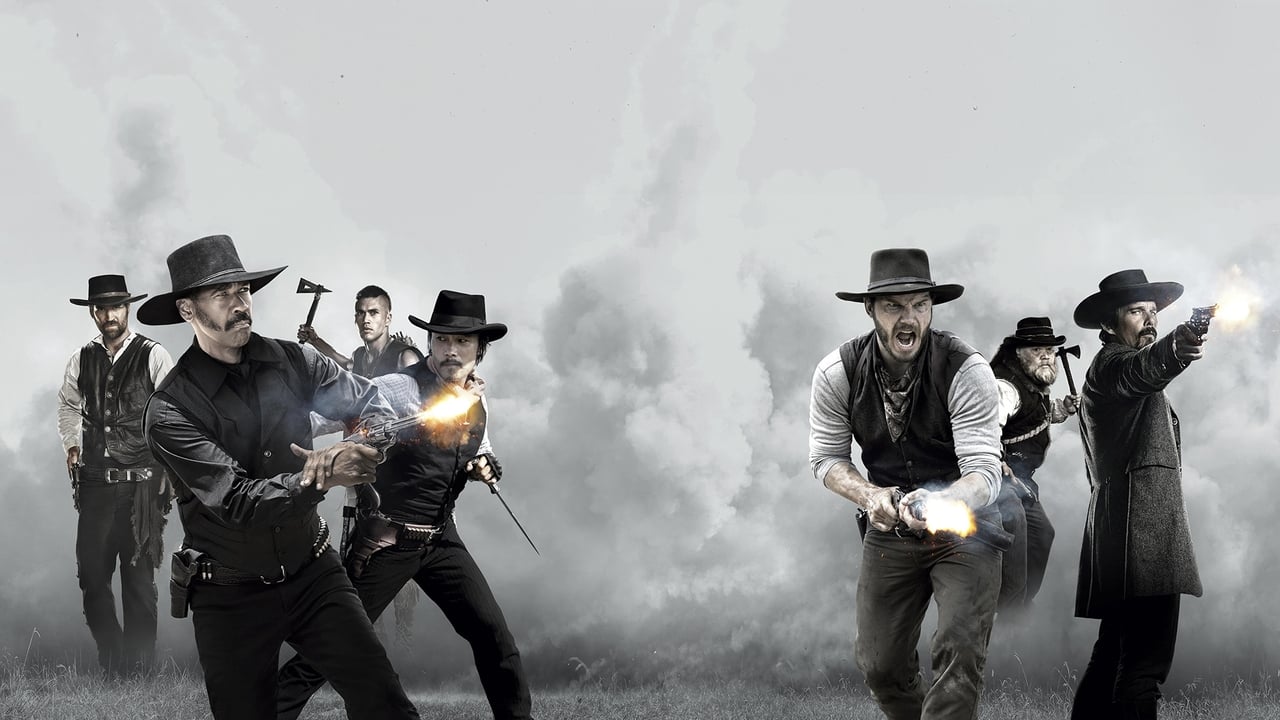
I watched this most recently while wearing a pair of slightly damp socks that I was too lazy to change, and honestly, the sheer, dry heat radiating off the screen almost dried them for me. There is something profoundly satisfying about a movie that understands the assignment: assemble a group of charismatic dudes, give them a common enemy, and let the gunpowder do the talking.
A Modern Blueprint for the Old Guard
While the 1960 original was a translation of Akira Kurosawa’s Seven Samurai, the 2016 version is a translation of the 21st-century blockbuster mindset. It’s cleaner, faster, and much more aware of the world outside the American frontier. The casting of Lee Byung-hun as the knife-wielding Billy Rocks and Manuel Garcia-Rulfo as the outlaw Vasquez wasn't just box-checking; it gave the film a texture that the older versions lacked. Denzel Washington, as Sam Chisolm, is the ultimate anchor. Denzel could recite a grocery list and make it sound like a declaration of war. He doesn't need to shout; his stillness is the most intimidating thing in the movie.
Then you have Chris Pratt doing his peak "Early 2010s Chris Pratt" thing. He’s the comic relief with a hidden layer of trauma, a character archetype he could play in his sleep by 2016, but he fits the "Joshua Farraday" role like a well-worn holster. The real standout for me, though, is Vincent D'Onofrio. He plays Jack Horne like a mountain man who accidentally inhaled a balloon full of helium. It’s a bizarre, high-pitched vocal choice that should have been a disaster but somehow makes him the most memorable person on screen.
The Craft of the Chaos
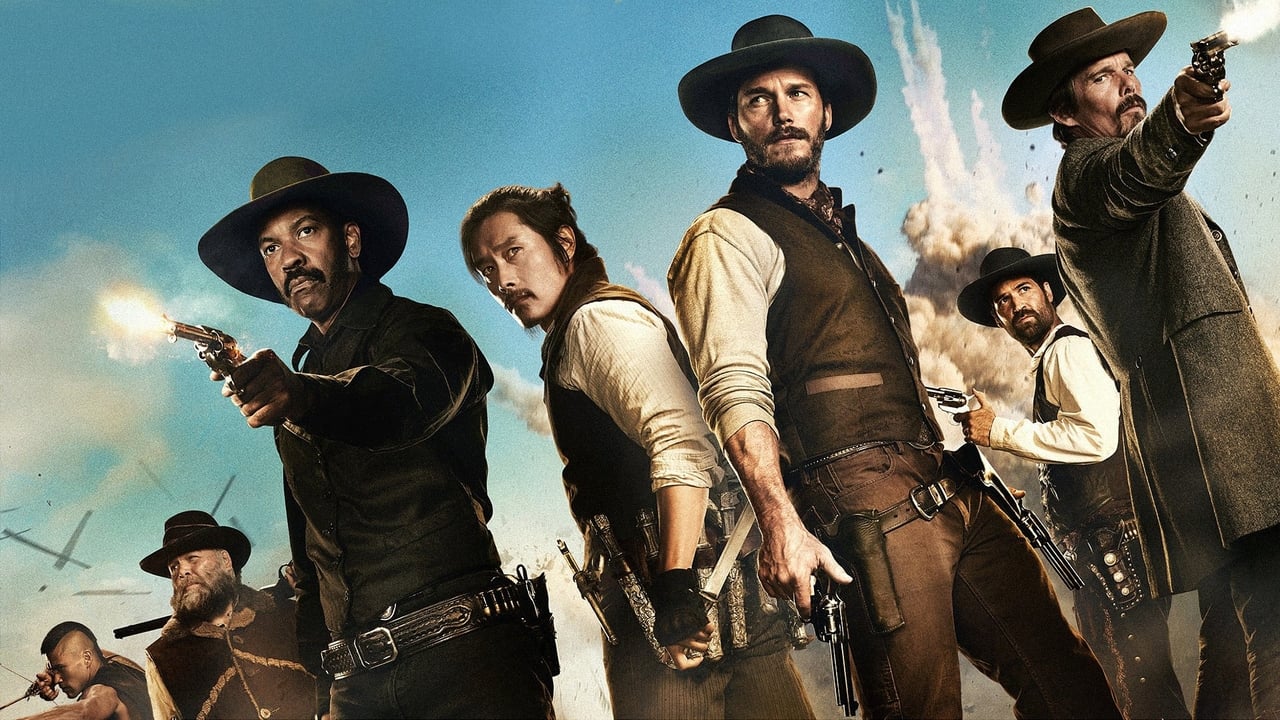
Fuqua, working with cinematographer Mauro Fiore (who lensed Avatar), treats the action with a clarity that many contemporary directors have forgotten. When the final forty-minute shootout kicks off, you actually know where everyone is standing. This sounds like a low bar, but in an age of "shaky-cam" and "muddled CGI soup," it’s a revelation. The stunt work is largely practical, with real horses and real explosions that feel heavy and dangerous.
The pacing is relentless once the Seven are assembled. You get the classic recruitment montage—which is basically the action-movie version of a first date—and then it's straight into the tactical preparation for the defense of Rose Creek. The sound design is particularly mean. Every gunshot has a "thwack" to it that makes you jump, and when the Gatling gun finally shows up, it sounds less like a weapon and more like a construction site falling down a flight of stairs. It’s a movie that values the rhythm of a reload as much as the punchline of a joke.
Stuff You Didn't Notice
What’s fascinating about this film’s legacy is how it became a posthumous tribute to one of cinema’s greats. The legendary composer James Horner (Titanic, Braveheart) actually wrote the score based entirely on the script before filming even began. He died in a plane crash before he could see a single frame of footage. His friend and producer Simon Franglen finished the work, making it one of the most hauntingly beautiful "parting gifts" in film history.

Behind the scenes, the production was a bit of a survival test. They filmed in the soul-crushing heat of Baton Rouge, Louisiana, rather than the actual Old West. Apparently, it was so hot that the cast was constantly cycling through IV drips just to stay upright. Denzel Washington famously chose not to watch the 1960 original before filming because he didn't want it to color his performance. Meanwhile, Chris Pratt spent his downtime learning actual card tricks and sleight-of-hand from the film’s magic consultant so he could do his own flourishes on camera.
There's also a weird cult following for the chemistry between Ethan Hawke's Goodnight Robicheaux and Lee Byung-hun's Billy Rocks. The internet has basically decided they are the "emotional core" of the group, and rightfully so. Their shorthand and mutual respect feel more lived-in than any of the other dynamics. It’s these small, character-focused details that have kept the movie alive on streaming platforms long after its theatrical run ended.
The Magnificent Seven is exactly the kind of movie we say they don't make anymore, even though they clearly just did. It doesn't try to reinvent the wheel; it just puts some shiny new rims on it and drives it through a saloon door. While it might lack the philosophical weight of its 1950s and 60s ancestors, it makes up for it with sheer, unadulterated entertainment value. It’s a loud, proud, and beautifully shot reminder that sometimes, all you need for a good time is a horse, a hat, and a very large amount of ammunition.
Keep Exploring...
-
The Equalizer 3
2023
-
The Equalizer 2
2018
-
Infinite
2021
-
Southpaw
2015
-
Terminator Genisys
2015
-
Kraven the Hunter
2024
-
Valerian and the City of a Thousand Planets
2017
-
The Guilty
2021
-
King Arthur
2004
-

In the Heart of the Sea
2015
-
Point Break
2015
-
The Last Witch Hunter
2015
-
Star Trek Beyond
2016
-
Teenage Mutant Ninja Turtles: Out of the Shadows
2016
-
The Great Wall
2016
-

The Huntsman: Winter's War
2016
-

The Legend of Tarzan
2016
-
Warcraft
2016
-
Hostiles
2017
-
Power Rangers
2017