The Other Side of the Door
"One rule. One door. One very big mistake."

If a mysterious woman in a frayed sari tells you to go to a crumbling temple in the middle of a forest and specifically instructs you not to open a door no matter what happens, you should probably just stay home and order takeout. But in the world of the supernatural thriller, common sense is the first casualty of grief. The Other Side of the Door takes that classic "Forbidden Door" trope and transplants it into the humid, crowded, and aesthetically rich landscape of Mumbai, giving us a ghost story that feels both familiar and refreshingly foreign.
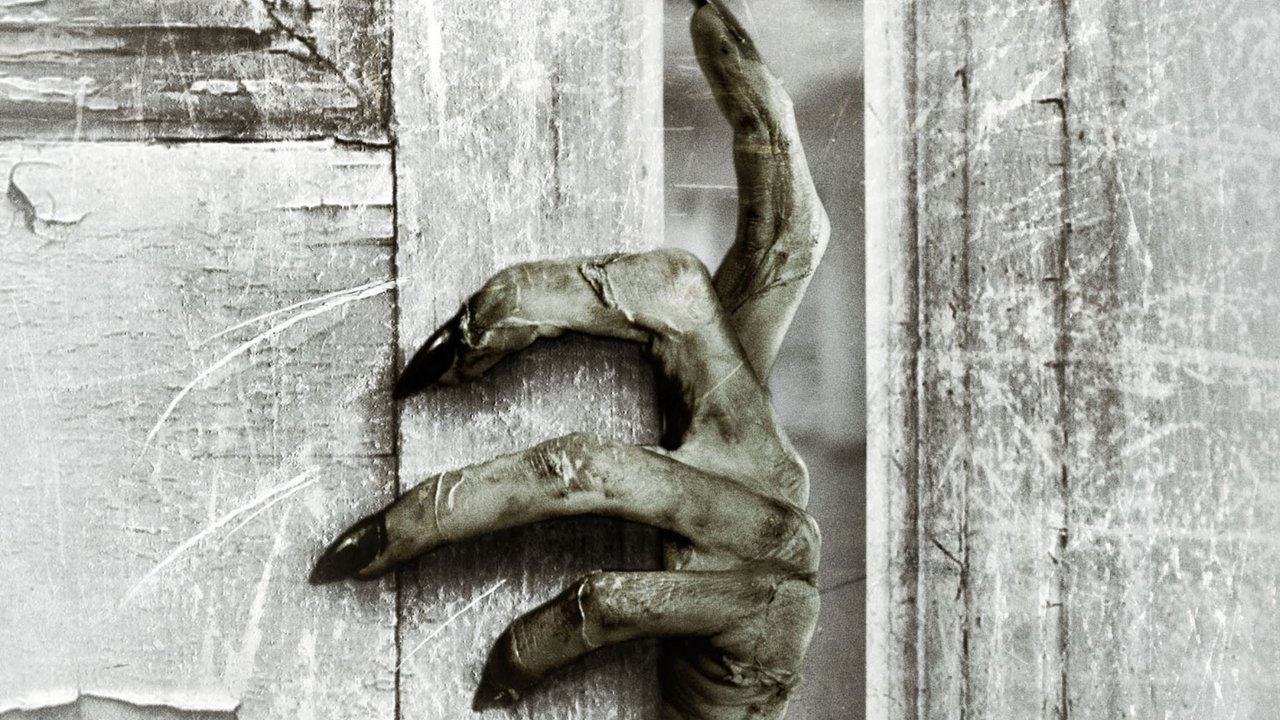
A Geography of Grief
I watched this movie on a Tuesday night while trying to navigate a bowl of slightly-too-spicy ramen, which turned out to be a mistake because every jump scare became a genuine choking hazard. The film stars Sarah Wayne Callies (of The Walking Dead and Prison Break fame) as Maria, a mother paralyzed by the loss of her young son, Oliver. The setup is genuinely harrowing; a tragic car accident in India forces Maria to make an impossible choice between saving her son or her daughter. She chooses her daughter, and the guilt is eating her alive.
Sarah Wayne Callies does "shattered mother" better than almost anyone in the business. She has this way of looking physically brittle, like she might actually snap if someone speaks too loudly. When her housekeeper, Piki (Suchitra Pillai), tells her about a ritual that allows one last goodbye through a temple door, Maria jumps at it. It’s a "Pet Sematary" setup with a Hindu-inspired coat of paint, and for the first forty minutes, the atmosphere is thick enough to choke on. Director Johannes Roberts (who later gave us the shark-tastic 47 Meters Down) uses the setting to great effect. India isn't just a backdrop here; the colors, the noise, and the ancient-feeling architecture make the supernatural elements feel grounded in a way a suburban haunting just wouldn't.
Breaking the Golden Rule
Naturally, Maria opens the door. If she didn't, we’d have a thirty-minute short film about a woman having a nice chat with a piece of wood. By opening it, she lets something back into our world that definitely isn't her son—or at least, it isn't the version of her son that liked bedtime stories and hugs. What follows is a fairly standard descent into "scary kid" territory, but it’s bolstered by some truly creepy creature design.
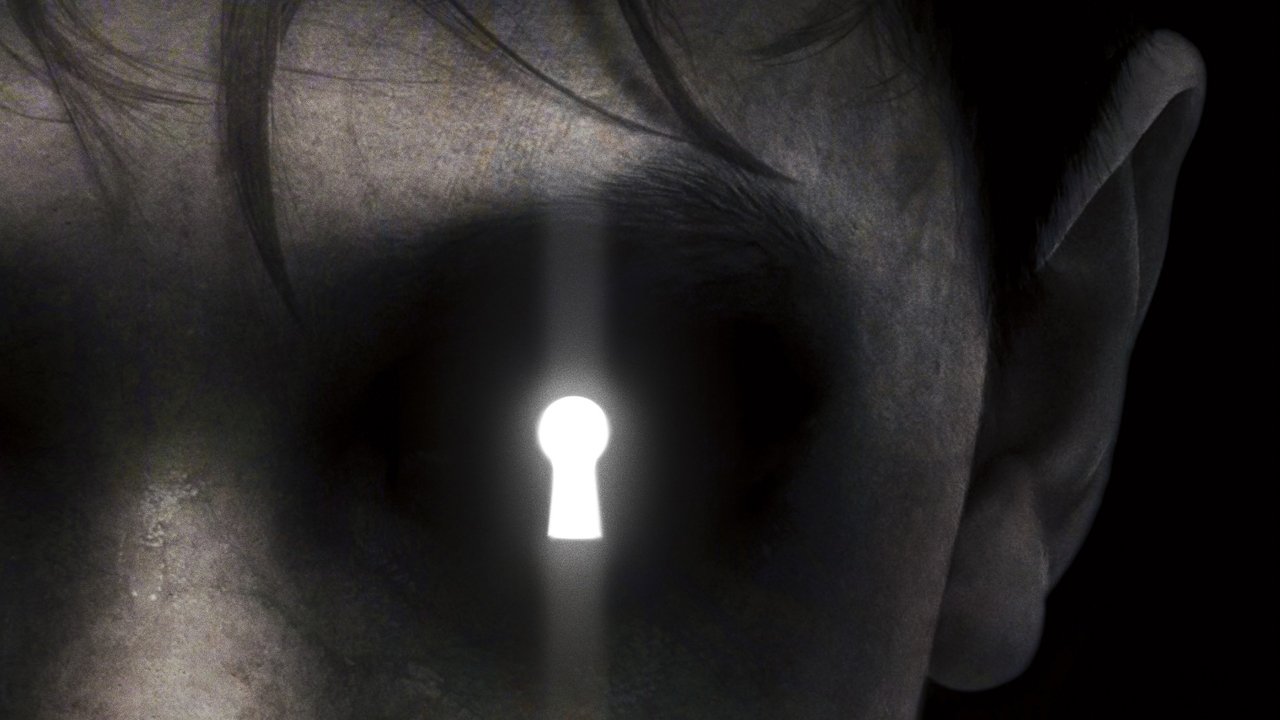
The "Myrtu"—a four-armed, grey-skinned guardian of the underworld—is a standout. In an era where CGI often robs horror of its weight, the practical-feeling design of the Myrtu is unsettling. It skitters and looms in a way that reminded me of the best work from producer Alexandre Aja, the man behind the Hills Have Eyes remake and Crawl. However, the film starts to lean a bit too heavily on the "loud noise + quick cut" school of horror. The jumps are effective, but they feel like the cinematic equivalent of someone sneaking up behind you and popping a paper bag. It’s a startle, not a linger.
Jeremy Sisto (Clueless, FBI) plays the husband, Michael, and he is stuck in the unenviable position of being the "Logical Man" who refuses to believe his house is haunted until a literal demon is eating his dinner. Sisto is a great actor, but the script gives him very little to do other than look concerned and wonder why the plants are dying. The real MVP is young Sofia Rosinsky as the daughter, Lucy. She has to carry a lot of the third-act tension, and she does it with a creepiness that rivals the actual ghosts.
The Streaming Era’s Hidden Ghost
Released in 2016, this film hit right as the "Elevated Horror" trend was taking off with movies like The Witch. The Other Side of the Door doesn't quite fit into that prestige bucket; it’s much more of a "Friday night with popcorn" flick. It’s a mid-budget studio horror movie that actually went to theaters—a species that is becoming increasingly rare in our current "straight to Hulu" landscape.
Interestingly, Johannes Roberts actually lived in India for a while, which explains why the film avoids the most egregious "clueless tourist" clichés, even if it still plays with Western anxieties about foreign mysticism. Apparently, the production had to deal with real-life monkeys constantly stealing equipment and food on set, which I find infinitely more terrifying than a four-armed ghost. It turns out the screeching you hear in some of the forest scenes wasn't just sound design; it was the local wildlife being "creative" with the crew.
While the ending is a bit of a predictable slap in the face—the kind of "gotcha" twist we’ve seen a thousand times—the journey there is atmospheric and genuinely spooky. It’s a movie about the selfishness of grief and how our refusal to let go can destroy the people still standing right in front of us.
The Other Side of the Door is a solid, upper-middle-of-the-pack horror entry that benefits immensely from its location and a committed lead performance. It doesn't reinvent the wheel, and it relies a bit too much on the Joseph Bishara school of "violins-screeching-at-your-ears" jump scares, but it’s a perfect pick for a rainy evening. It’s the kind of film that makes you double-check the locks on your own doors, even if you haven't been visiting any suspicious forest temples lately.

Keep Exploring...
-

47 Meters Down: Uncaged
2019
-

47 Meters Down
2017
-
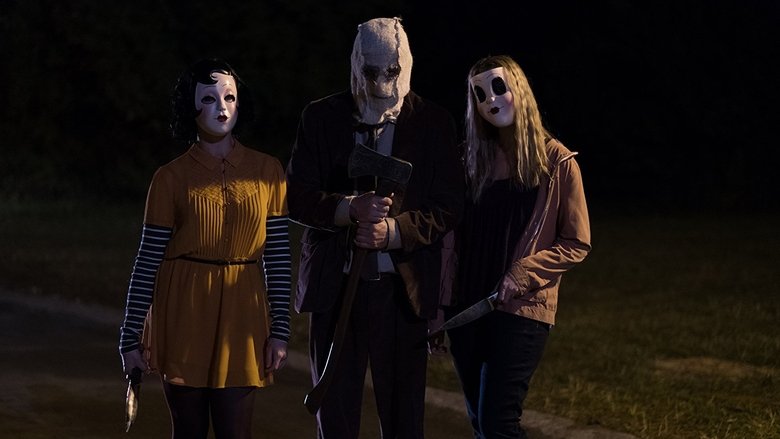
The Strangers: Prey at Night
2018
-
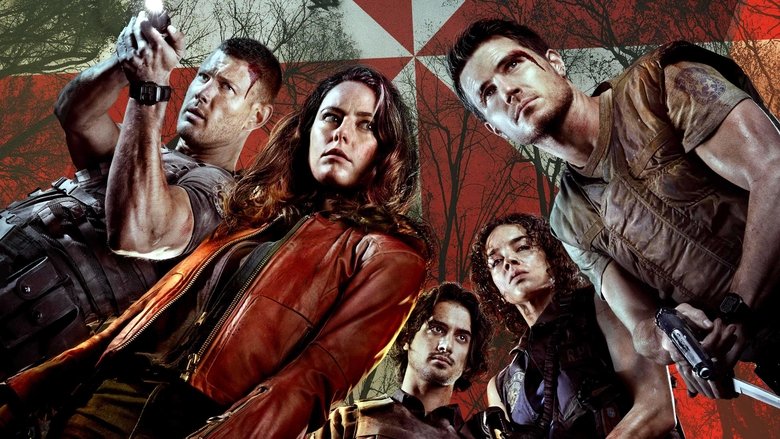
Resident Evil: Welcome to Raccoon City
2021
-
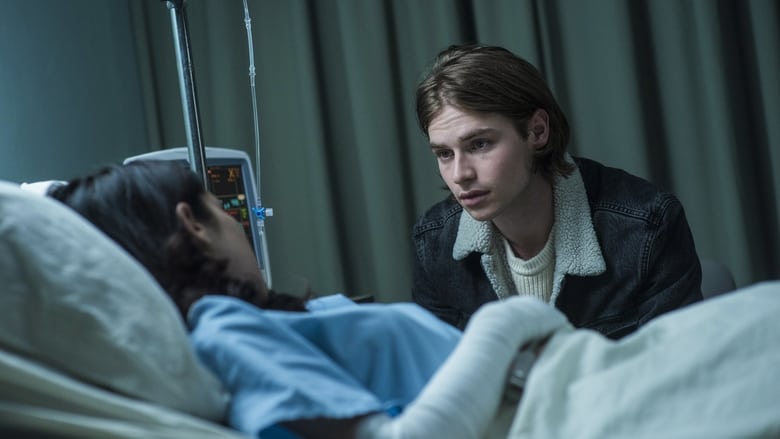
Polaroid
2019
-
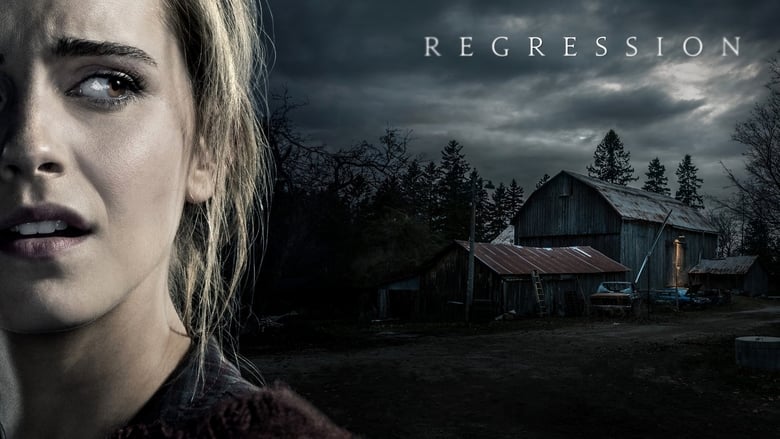
Regression
2015
-
Morgan
2016
-
Cult of Chucky
2017
-
Wish Upon
2017
-
Assassination Nation
2018
-
Hell Fest
2018
-
The Prodigy
2019
-
Brahms: The Boy II
2020
-
Color Out of Space
2020
-
Gretel & Hansel
2020
-
The Turning
2020
-
Willy's Wonderland
2021
-
I Spit on Your Grave III: Vengeance Is Mine
2015
-
Before I Wake
2016
-
Friend Request
2016