The Red Turtle
"A wordless wonder that makes survival look like a dream."

Imagine walking into a cinema, settling in with a tub of popcorn, and realizing fifteen minutes in that no one is going to say a single word. In our current era of "quip-heavy" superhero scripts and movies that feel like they were written by an algorithm designed to maximize "engagement," The Red Turtle (2016) feels like a radical act of rebellion. It’s a film that trusts you. It trusts your eyes, your ears, and your ability to sit still without a character explaining their motivations every thirty seconds.
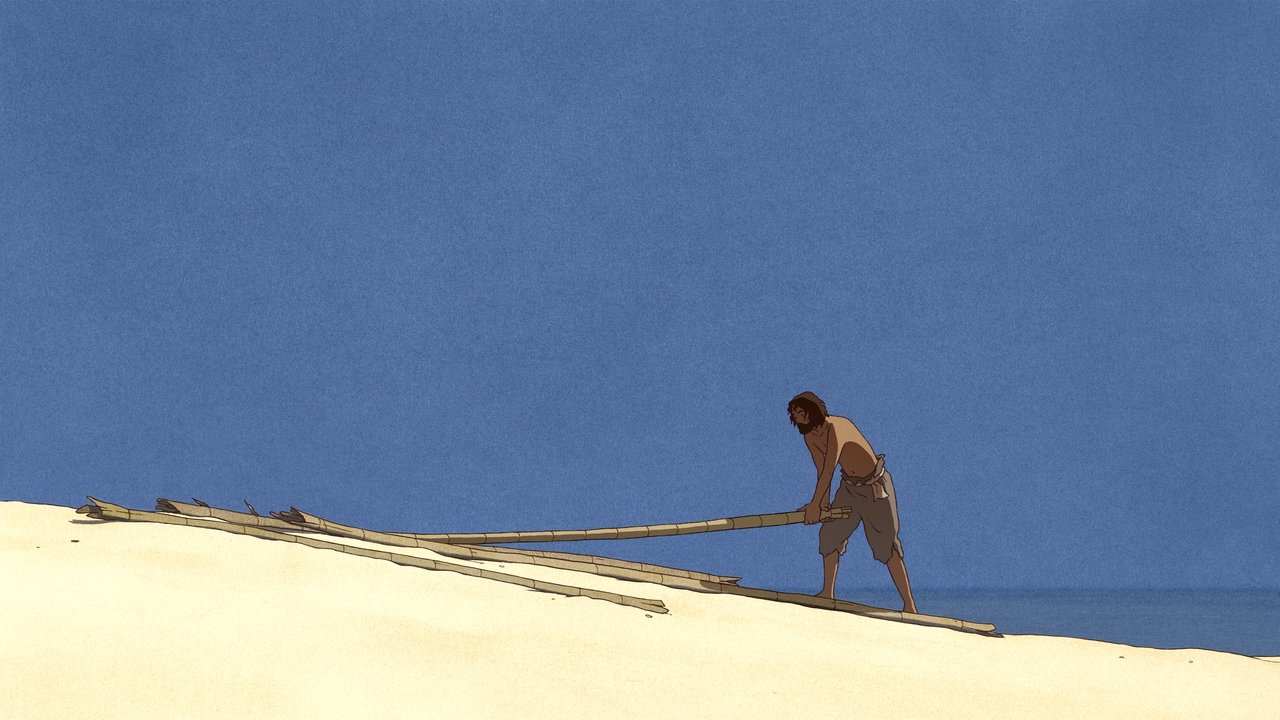
I watched this on a Tuesday night while my neighbor was apparently practicing for a competitive furniture-dragging championship, and yet, within ten minutes, the sound of the animated surf completely drowned out the real-world chaos. That is the power of a film that understands silence isn’t just the absence of noise—it’s a narrative tool.
The Ghibli Magic in a New Language
This film occupies a strange, beautiful corner of contemporary cinema. It’s the first time the legendary Studio Ghibli (the house that Totoro built) reached outside of Japan to co-produce a feature. They hand-picked Dutch animator Michael Dudok de Wit after seeing his short film Father and Daughter. The result is a movie that carries that unmistakable Ghibli DNA—a profound respect for nature and the "Ma" (the space between things)—but filters it through a European, charcoal-brushed aesthetic.
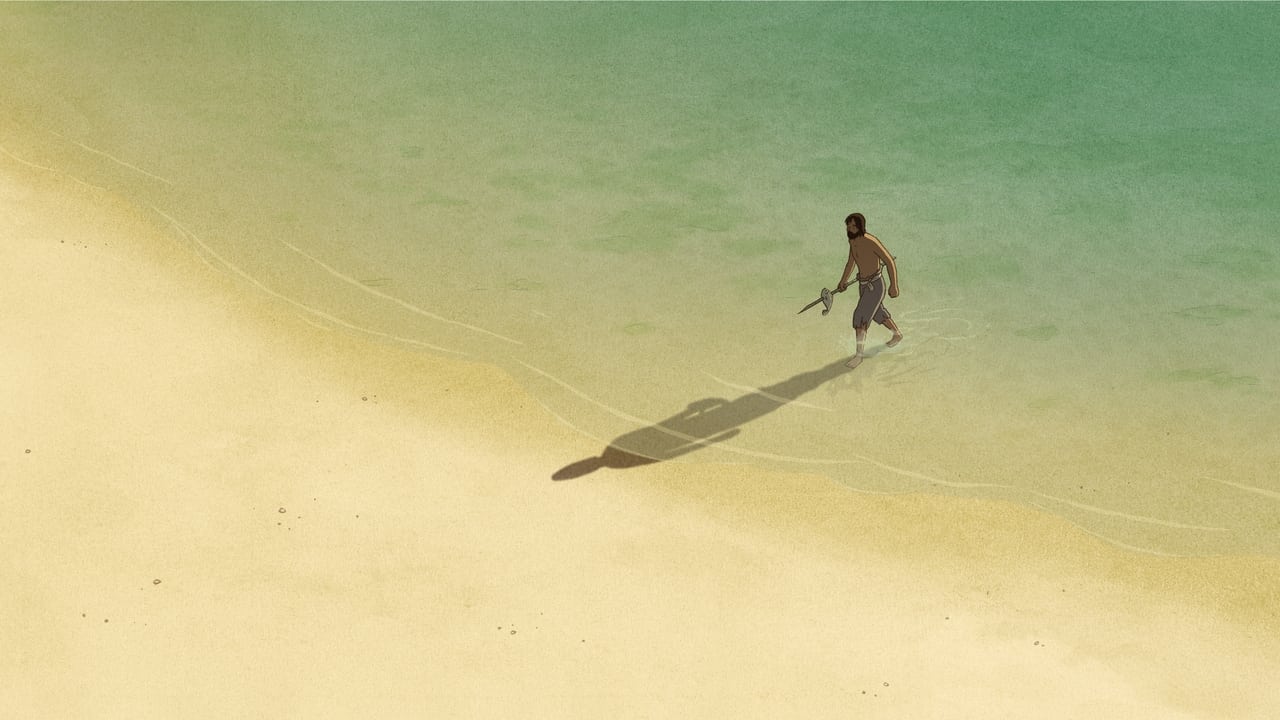
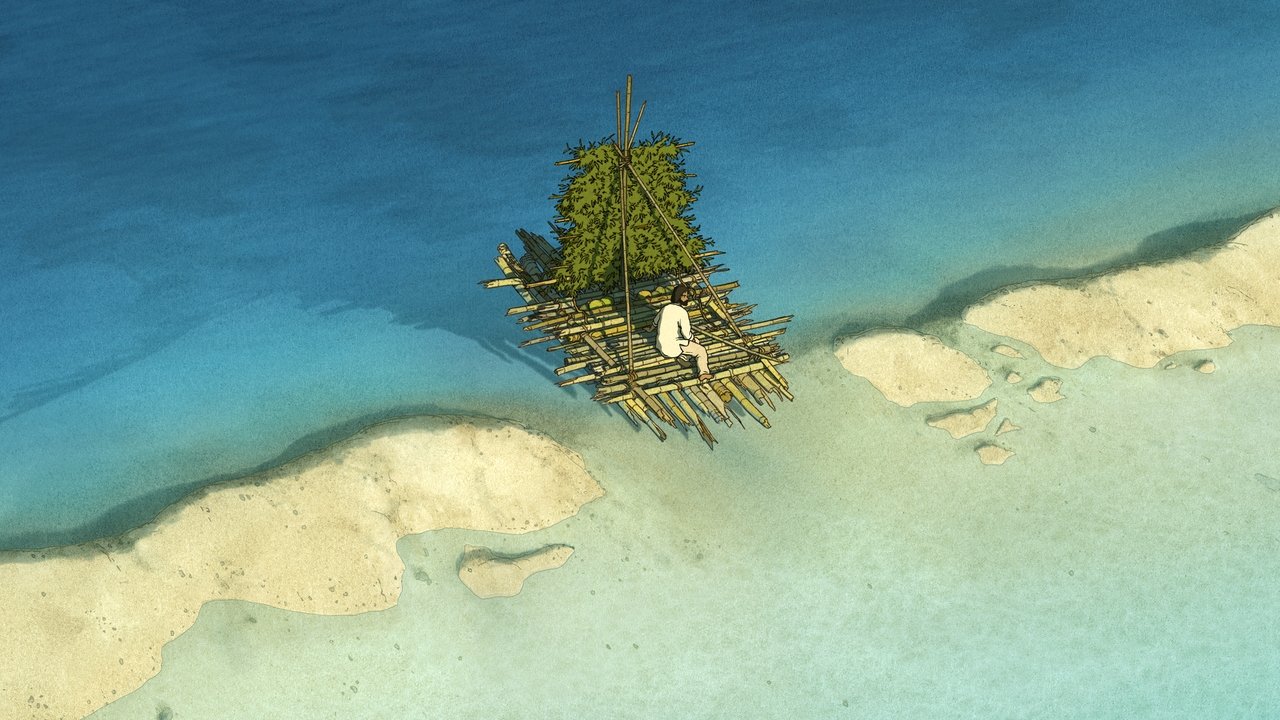
In an age where we are drowning in hyper-realistic CGI that often feels sterile, The Red Turtle is a breath of fresh air. It looks like a high-end storybook that has somehow learned to breathe. The story is deceptively simple: a man is shipwrecked on a tropical island. He builds a raft to escape; a massive red turtle destroys the raft. This happens again. And again. It’s a loop of frustration that eventually gives way to a surreal, fairytale transformation. The turtle becomes a woman (Barbara Beretta), and the film shifts from a survival thriller into a life-spanning drama about family, aging, and the quiet rhythm of existing on a planet that doesn't particularly care if you're there or not.
Acting Without Words
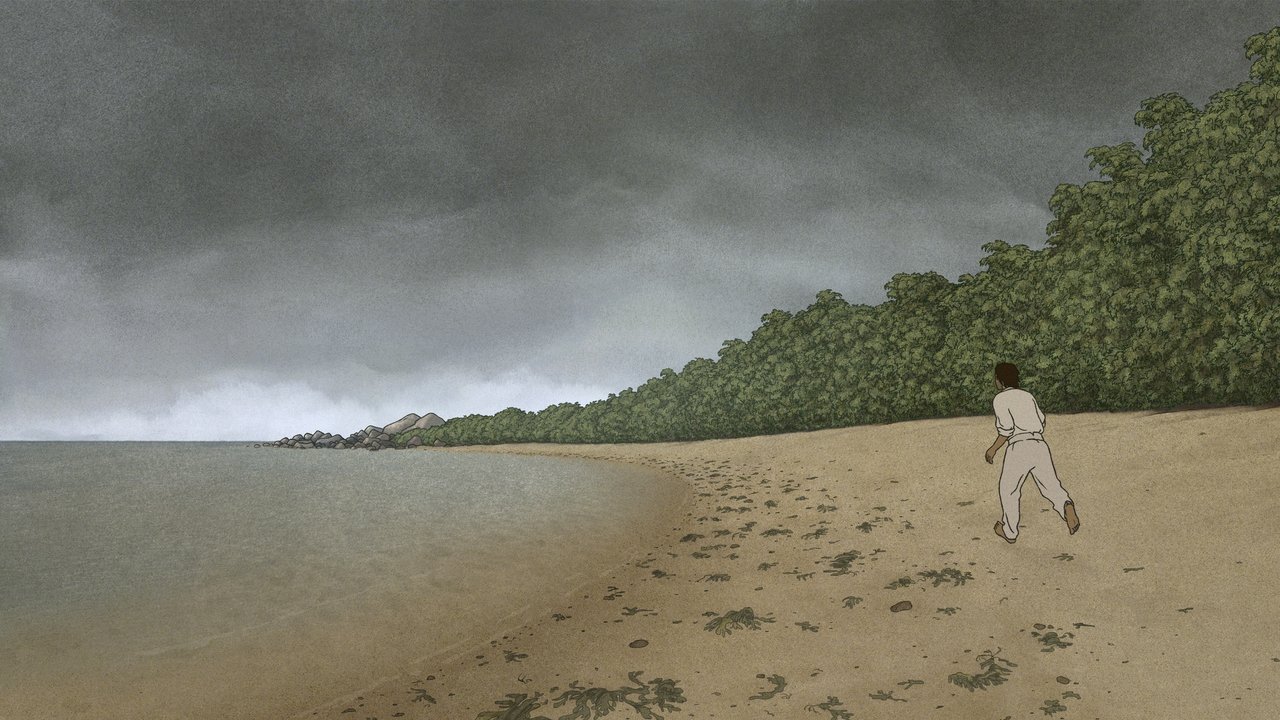
You might look at the cast list and wonder why there are actors for a dialogue-free movie. Tom Hudson, Baptiste Goy, and Axel Devillers play the son at various stages of life, while Barbara Beretta provides the presence of the mother. Their "performances" are all about breath, effort, and those small, guttural sounds of human emotion. It’s a masterclass in physical storytelling.
When the man first encounters the turtle, his rage is palpable. He attacks a literal force of nature because he’s bored and lonely, and the weight of that guilt is carried entirely in the slump of his shoulders and the way the animation captures his hesitant movements. There’s a specific scene where the couple just watches their son explore the shoreline, and the chemistry between these animated figures feels more authentic than half the romantic comedies released in the last decade. It reminds me that performance isn't about what you say; it's about how you occupy the space.
Why It Vanished (And Why You Should Find It)
Despite an Oscar nomination, The Red Turtle didn't exactly set the box office on fire, pulling in less than a million dollars. It’s one of those "half-forgotten oddities" that suffers from being "too artistic" for the blockbuster crowd and "too animated" for the prestige drama crowd. In the streaming era, it often gets buried under rows of flashy thumbnails.
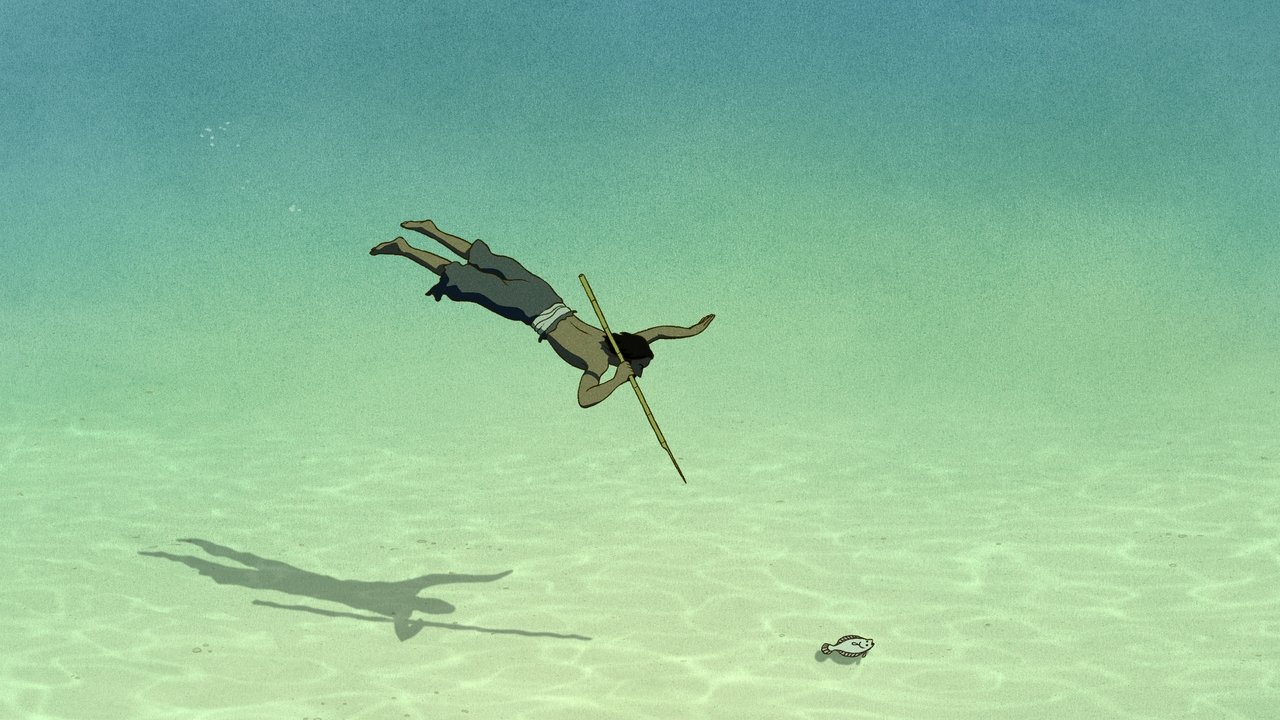
But here’s some cool stuff you might not notice: Michael Dudok de Wit actually spent time on a real deserted island in the Seychelles to get the "vibe" right. He took thousands of photos, realizing that the light on an island isn't just bright—it’s oppressive. You can feel that in the film’s "charcoal on paper" texture. Also, the legendary Isao Takahata (director of the heartbreaking Grave of the Fireflies) served as the artistic producer. This was one of his final projects before he passed away, and you can feel his influence in the way the film treats the cycle of life with a mixture of brutality and tenderness.
The score by Laurent Perez del Mar is also doing a lot of the heavy lifting. Since there’s no dialogue, the music acts as the film’s internal monologue. It’s lush and sweeping, but it knows when to shut up and let the sound of a crab scuttling across the sand take center stage.
The Red Turtle is a rare bird. It’s a contemporary film that feels like it could have been made a hundred years ago or a hundred years from now. It’s the perfect "five-minute test" movie—if you watch the first five minutes and don't feel a sense of wonder at how much story can be told through a simple charcoal line and the sound of the wind, then maybe go back to your 24-episode binge-watch. But if you're looking for something that treats cinema as a visual language rather than a delivery system for plot points, this is your hidden gem. It’s a quiet, shimmering reminder that the most profound stories don't need a script to break your heart.
Keep Exploring...
-
The Boy and the Beast
2015
-
Soul
2020
-
Batman vs. Robin
2015
-
Mary and The Witch's Flower
2017
-
The Breadwinner
2017
-
Bao
2018
-
How to Train Your Dragon: Homecoming
2019
-
I Lost My Body
2019
-
Pinocchio
2019
-
Red Shoes and the Seven Dwarfs
2019
-
A Whisker Away
2020
-
Over the Moon
2020
-
The Willoughbys
2020
-
Wolfwalkers
2020
-
Wish Dragon
2021
-
The Boy and the Heron
2023
-
Suzume
2022
-
The House
2022
-
The Sea Beast
2022
-
Nimona
2023