The Siege of Jadotville
"Betrayed by the UN, remembered by history."
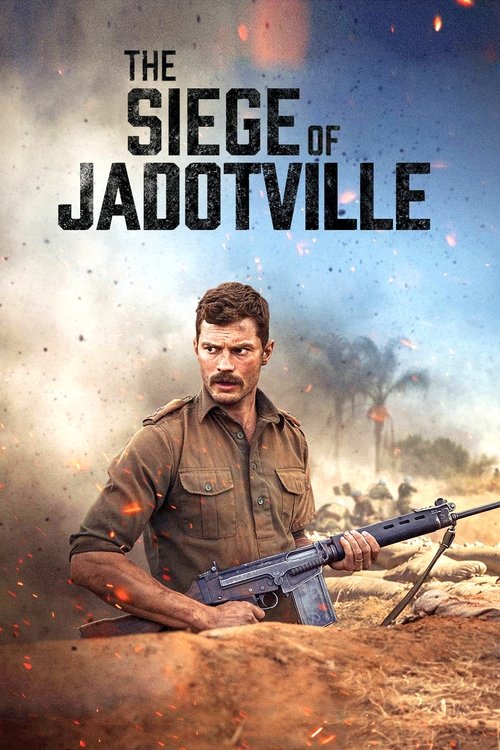
Imagine being an Irish soldier in 1961. Your country hasn't seen real combat in decades. You’re sent to the Congo on a "peacekeeping" mission, wearing heavy wool tunics in 100-degree heat, carrying bolt-action rifles that belong in a museum. You’re essentially a diplomat in a helmet. Then, suddenly, 3,000 Katangese gendarmes and French mercenaries—hardened by the fires of Algeria—decide they want you dead. This isn't a drill; it’s a death sentence signed by bureaucrats in New York.
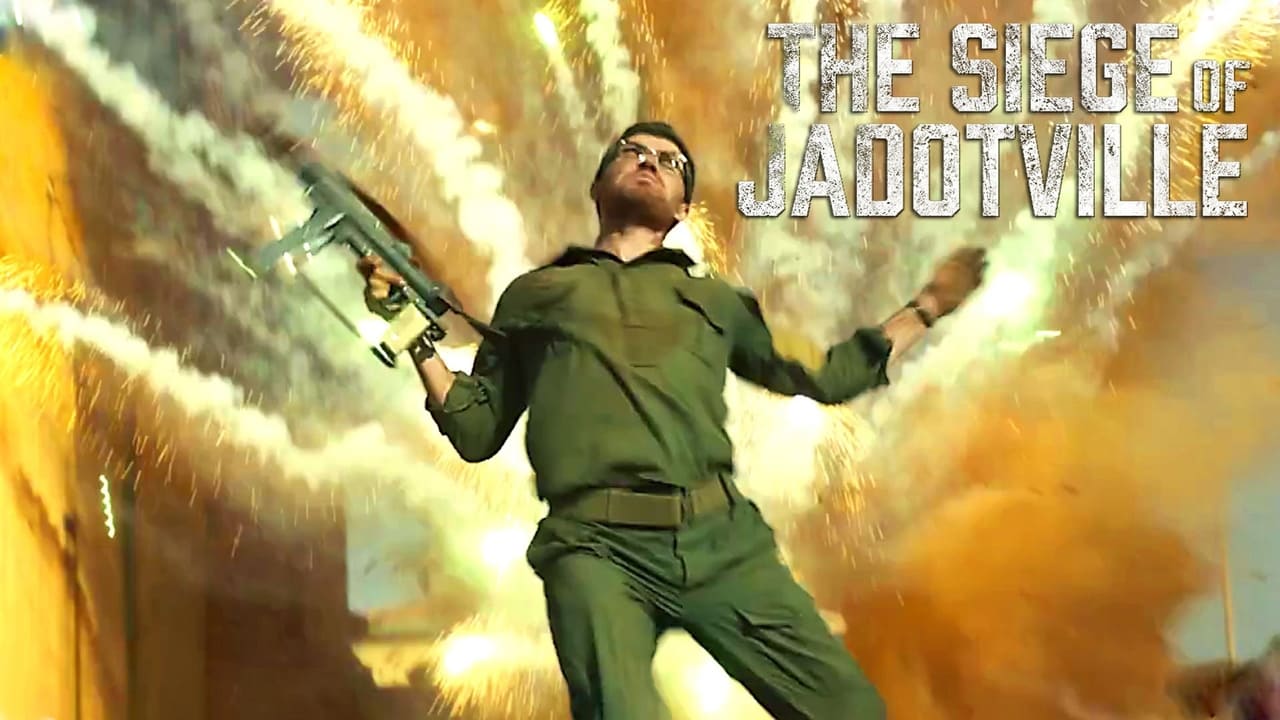
I watched The Siege of Jadotville on a rainy Tuesday while my cat, Barnaby, relentlessly tried to eat my shoelaces. Oddly enough, the domestic chaos only sharpened my focus on the tactical nightmare unfolding on my screen. This is one of those films that the streaming era was built for—a mid-budget, high-stakes historical drama that would have been absolutely buried in a 2016 theatrical landscape dominated by superheroes, but found a second life as a "must-see" recommendation in the Netflix algorithm.
The Streaming Era's Hidden Hero
In the current landscape of cinema, we’re often told that if a movie doesn’t have a $200 million price tag or a "Cinematic Universe" attached, it doesn't exist. The Siege of Jadotville punches back against that notion. Director Richie Smyth, who previously made a name for himself directing music videos for U2 and Bon Jovi, brings a sharp, lean aesthetic here that avoids the bloated sentimentality of older war epics.
This film represents a specific win for contemporary cinema: the "Dad Movie" done right. It’s the kind of story that used to be a staple of Sunday afternoon television, now revitalized with modern production values and a refusal to sugarcoat the political cynicism of the 1960s. It’s a film that gained its reputation through word-of-mouth on social media rather than a massive billboard campaign, proving that the digital "forgotten" bin is actually a goldmine for genuine history buffs.
Dornan’s Deconstruction of the Hero
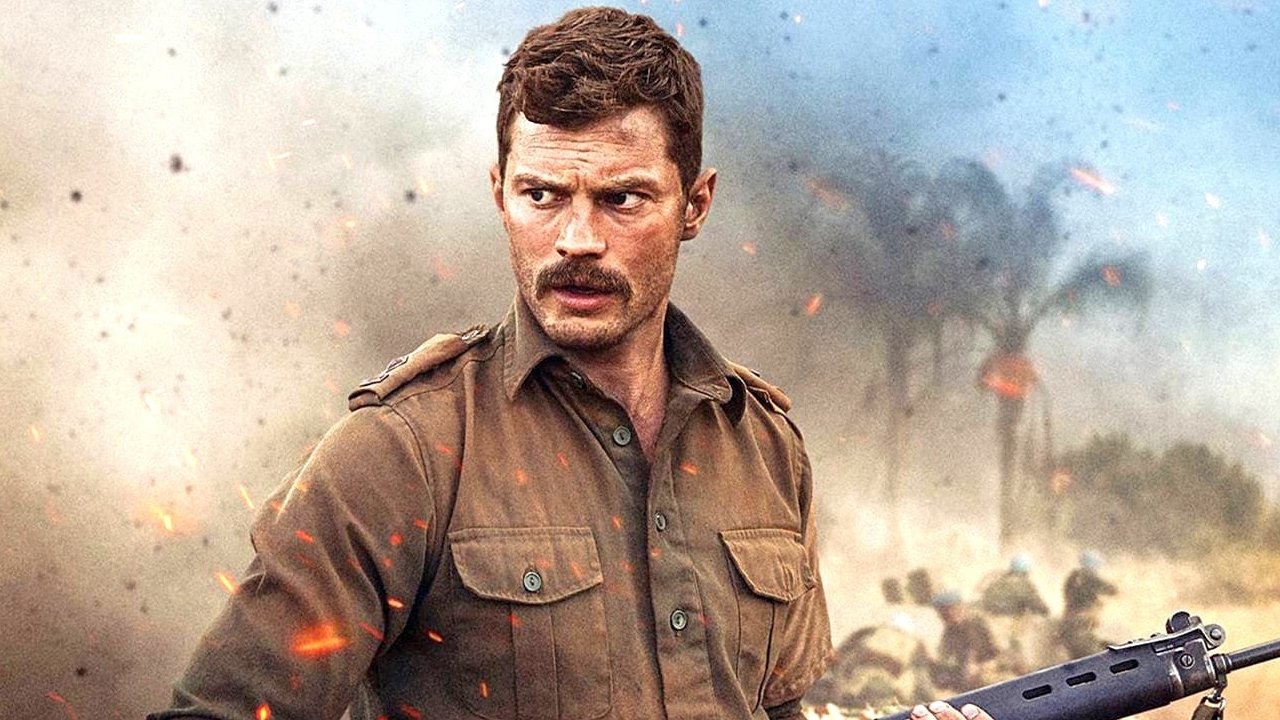
The biggest surprise here is Jamie Dornan. Released right in the thick of his Fifty Shades notoriety, this film served as a loud, clear signal that the man had serious dramatic chops. As Commandant Pat Quinlan, Jamie Dornan plays a leader who is painfully aware that he is outclassed and outnumbered. He doesn’t play Quinlan as a swaggering action hero; he plays him as a math teacher trying to solve an impossible equation where the remainder is always a body count.
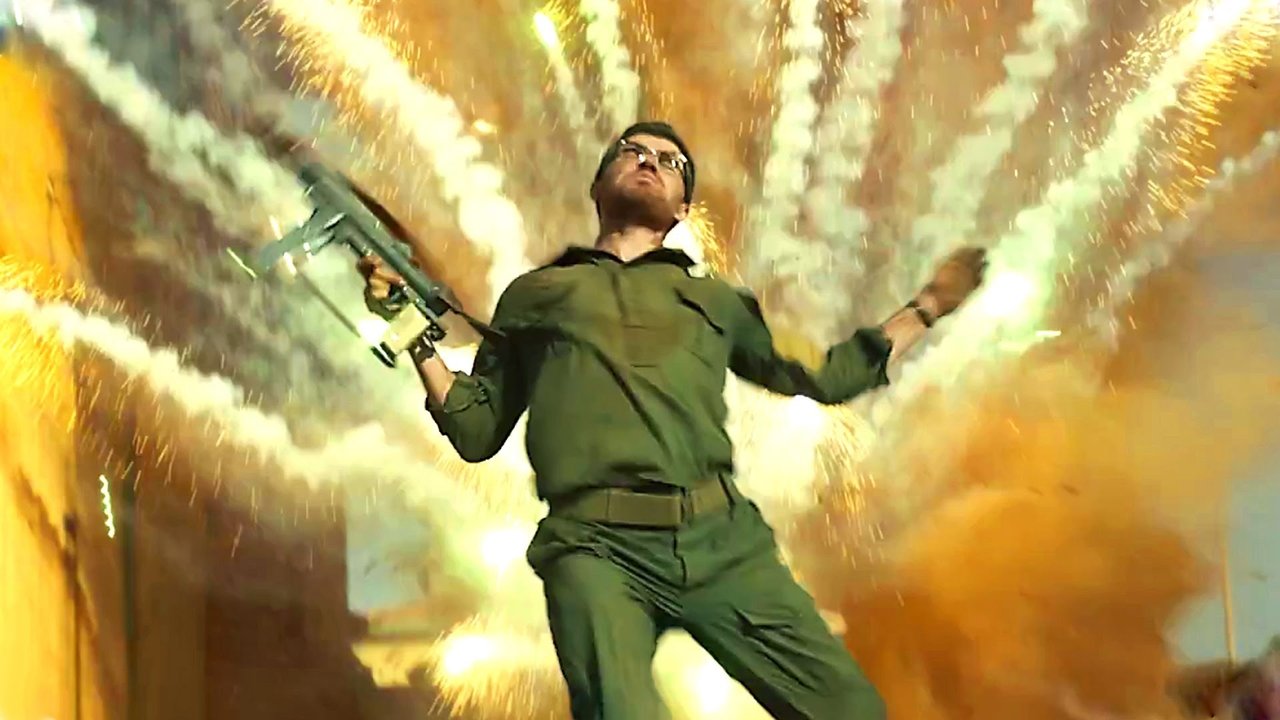
Opposite him, we get Guillaume Canet as Rene Faulques, the lead mercenary. The chemistry between them—conducted mostly over radio or through binoculars—is a highlight. It’s a professional respect between two men who know they are pawns in a much uglier game. Mark Strong also shows up as Conor Cruise O'Brien, the UN representative whose ambition and tactical arrogance effectively leave the Irish boys to rot. Mark Strong has made a career out of playing the smartest, most punchable man in the room, and here he excels at portraying the kind of "representation" that leads to disaster.
The Dark Reality of the "Jadotville Jacks"
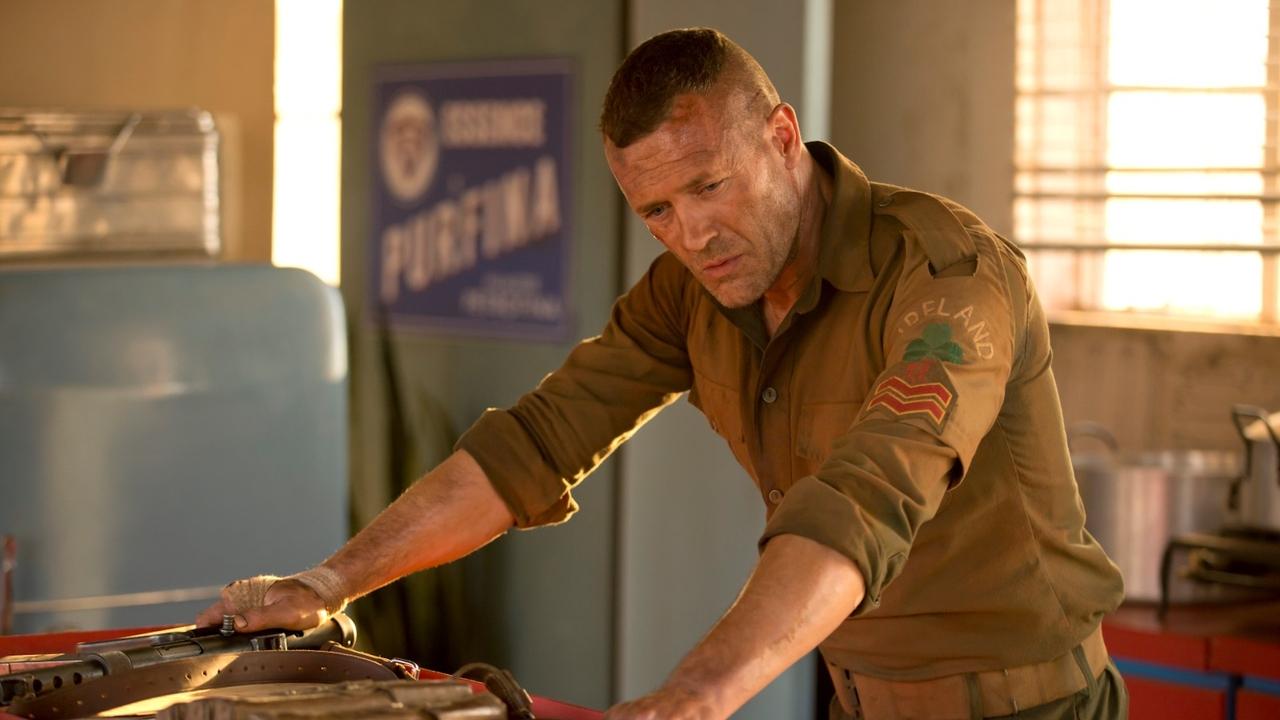
The film doesn't shy away from the grim reality of what happens when politics interferes with the lives of soldiers. The tension is baked into every frame by cinematographer Nikolaus Summerer, who uses a dusty, sun-bleached palette that makes you feel the dehydration. The siege itself is a masterclass in tactical geography; you always know where the Irish are, where the mercenaries are, and exactly how much water is left in the barrels.
What makes this drama truly dark isn't just the bullets—it’s the aftermath. For decades, these men were branded cowards (the "Jadotville Jacks") by their own government because they surrendered after running out of ammunition. They killed 300 enemies and lost zero of their own, yet they were erased from history to save face for the UN. The film captures that suffocating feeling of being abandoned by the very institutions you swore to protect. It’s a bitter pill, and the movie refuses to wash it down with a happy, triumphant ending. It stays in the gray, murky waters of 1960s cold-war ethics.
Stuff You Didn't Notice
One of the best things about the production is the commitment to realism. The actors went through a grueling functional "boot camp" in South Africa before filming. Jamie Dornan reportedly stayed in character as a commander, even during drills, to ensure the power dynamic with the younger actors felt authentic.
Also, keep an eye on the weaponry. The Irish use the Bren light machine gun and the Vickers—relics of WWII—while the mercenaries have much more modern gear. It’s a subtle touch that highlights the technological gap. Apparently, the real Pat Quinlan was a tactical genius who had his men dig trenches that were deeper than standard issue, which is essentially the only reason they survived the heavy mortar fire. The film gets these little details right, which adds a layer of respect to a story that was suppressed for fifty years.
The Siege of Jadotville is a taut, intelligent, and deeply frustrating look at a piece of history that should never have been forgotten. It avoids the "instant classic" trap by simply being a rock-solid, incredibly well-acted war drama that respects the audience's intelligence. It’s the perfect example of why we need streaming services to keep taking swings on stories that the big studios think are too small or too Irish. If you’ve got two hours and a desire to see Jamie Dornan prove he’s more than just a suit and a smirk, this is your movie.
Keep Exploring...
-
Anthropoid
2016
-
Eye in the Sky
2015
-
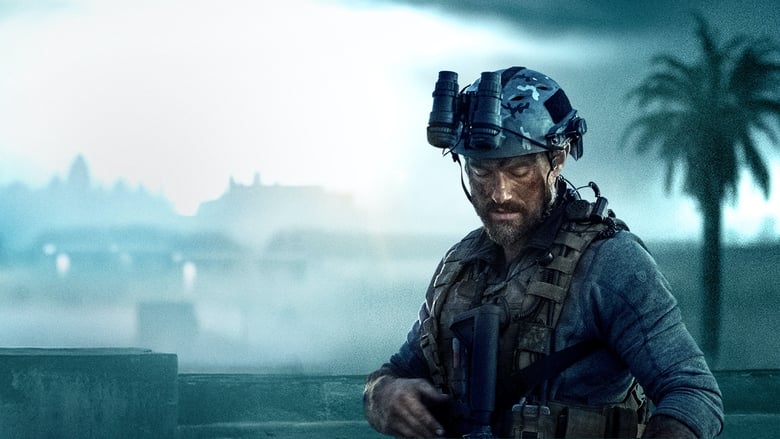
13 Hours: The Secret Soldiers of Benghazi
2016
-
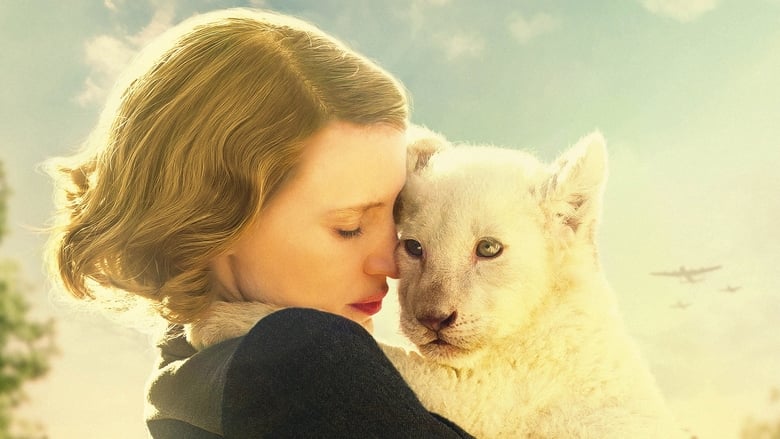
The Zookeeper's Wife
2017
-

Son of Saul
2015
-

Miss Sloane
2016
-
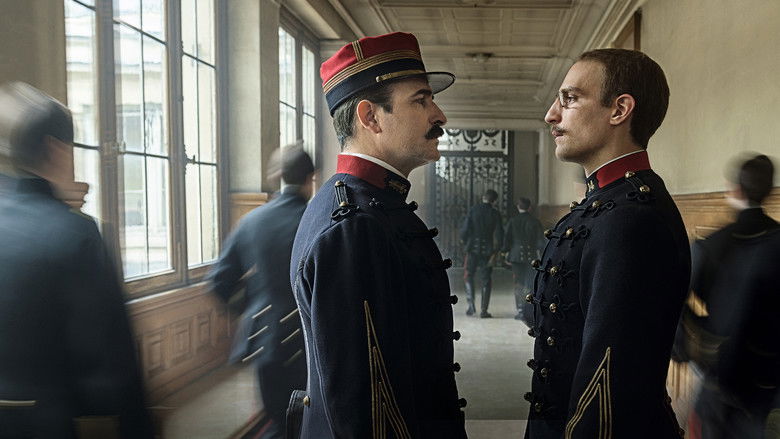
An Officer and a Spy
2019
-
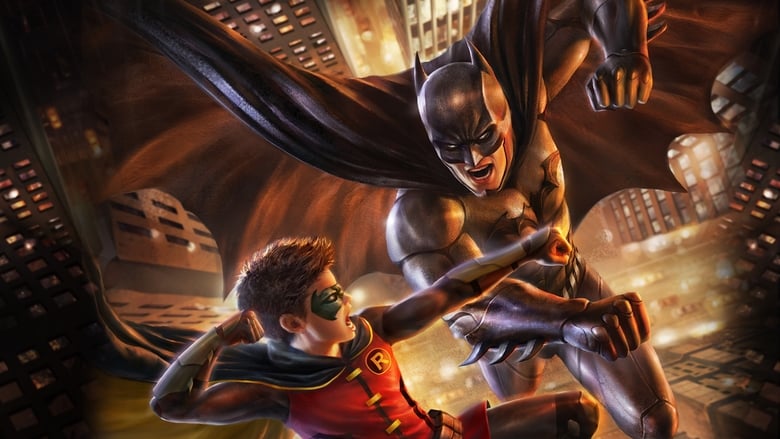
Batman vs. Robin
2015
-
Beasts of No Nation
2015
-

Detroit
2017
-
Hotel Mumbai
2019
-
The Courier
2020
-
The Mauritanian
2021
-

Land of Mine
2015
-
Suburra
2015
-
Suite Française
2015
-
Boyka: Undisputed IV
2016
-

Brimstone
2016
-
The Salesman
2016
-
A Bag of Marbles
2017