The Void
"Death Is Just the Waiting Room."
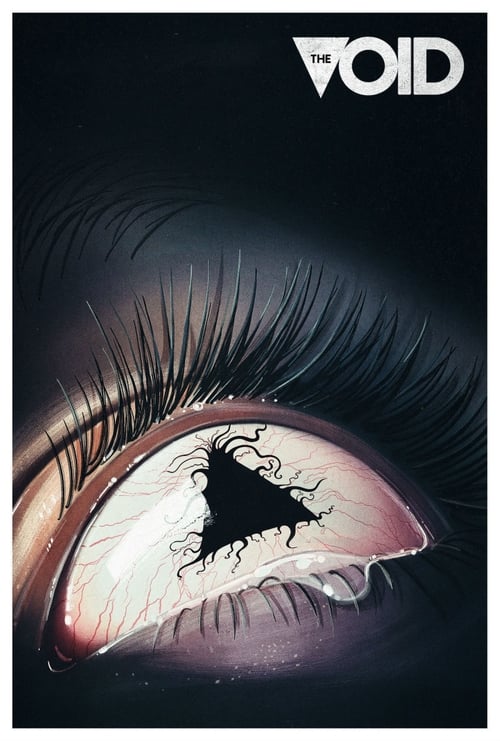
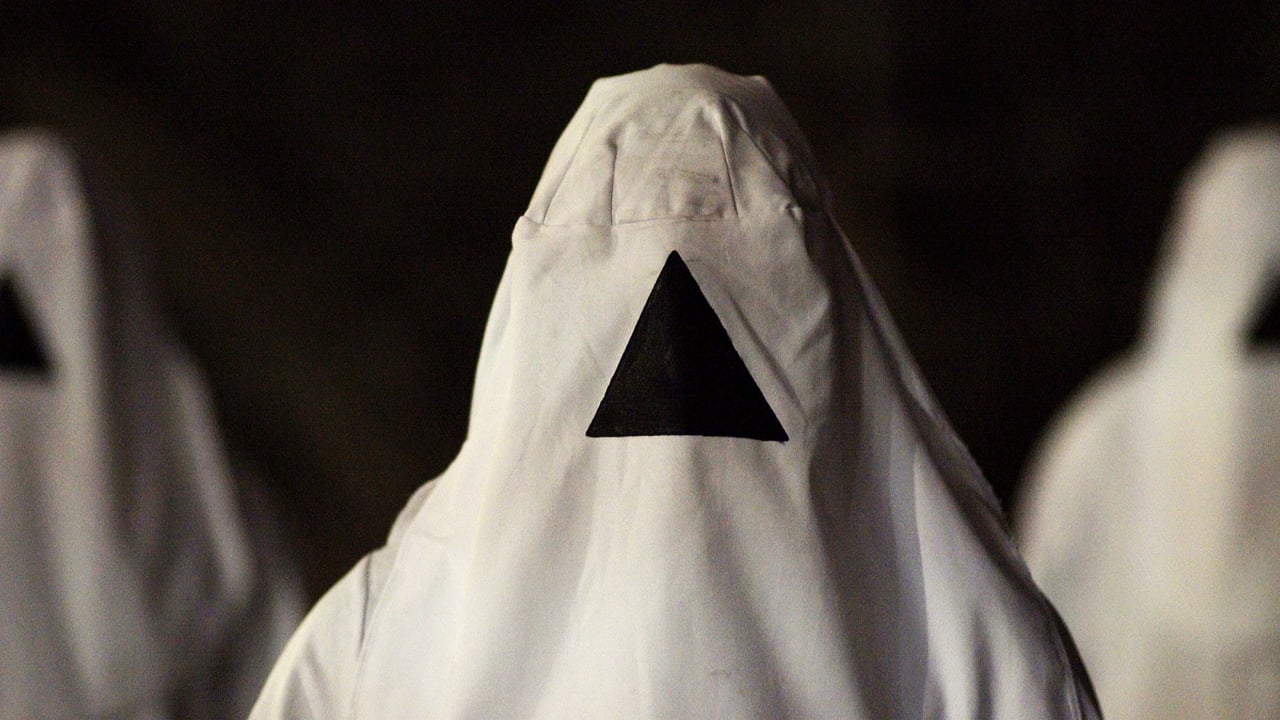
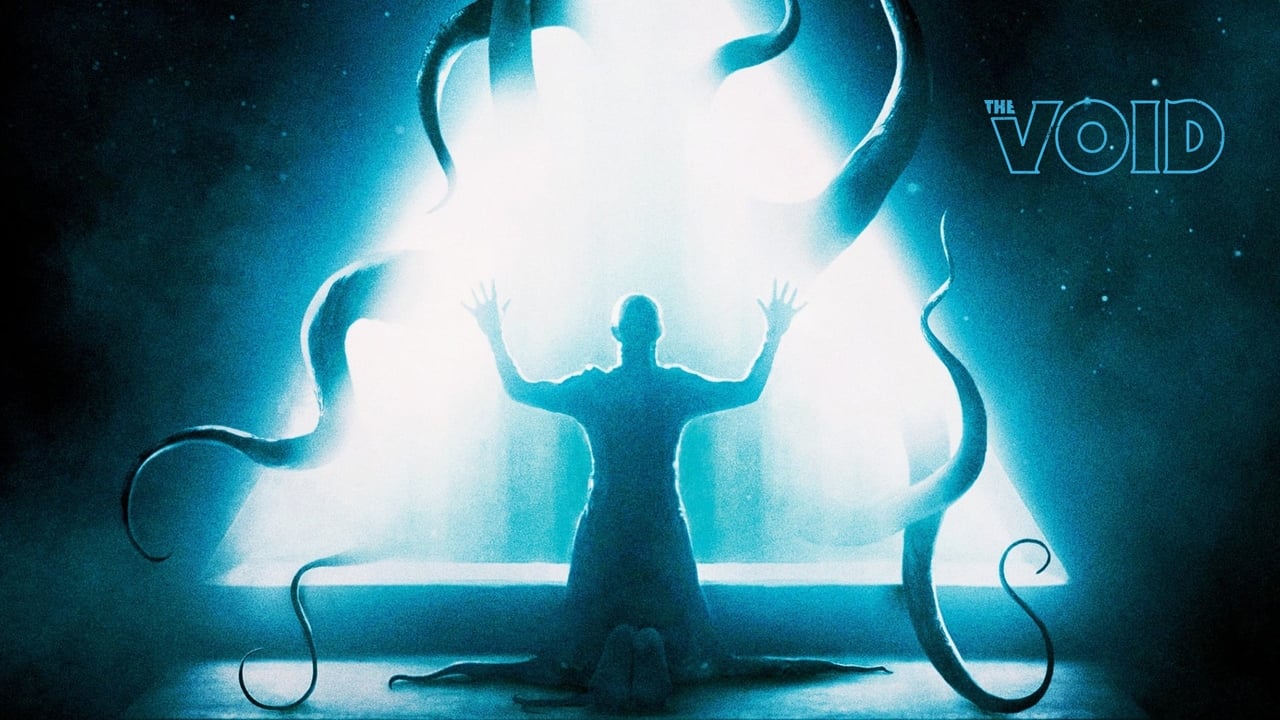
The first time I saw those silent, white-hooded figures standing motionless in the hospital parking lot, I forgot to breathe. There is something fundamentally wrong about a cult that doesn't scream or chant, but just exists in the periphery of your vision like a cataract. It’s a striking image that anchors Jeremy Gillespie and Steven Kostanski’s The Void, a film that feels like it was unearthed from a 1985 time capsule, yet carries all the anxieties of our current, digital-heavy cinematic era.
I watched this for the third time last Tuesday while my neighbor was outside trying to start a lawnmower that clearly wanted to stay dead, and the rhythmic, metallic sputtering actually provided a better soundtrack than most modern horror scores. It’s that kind of movie—it thrives on the mechanical, the physical, and the sound of things breaking.
The Practical Magic of Body Horror
In an age where Marvel movies have turned digital "nanotech" into a catch-all solution for every visual problem, The Void feels like a rebellious act of manual labor. The directors are veterans of the special effects industry—having worked on everything from Suicide Squad to It—and they clearly spent their lunch breaks dreaming of ways to make foam latex look like a nightmare.
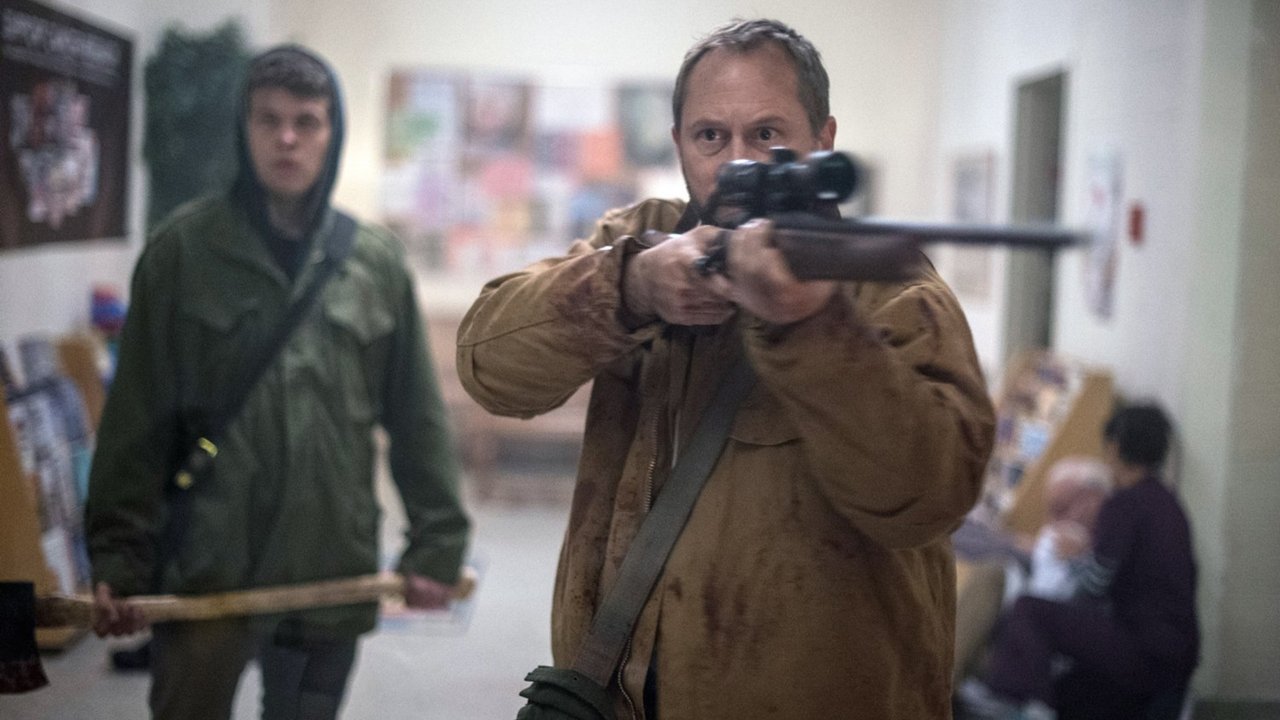
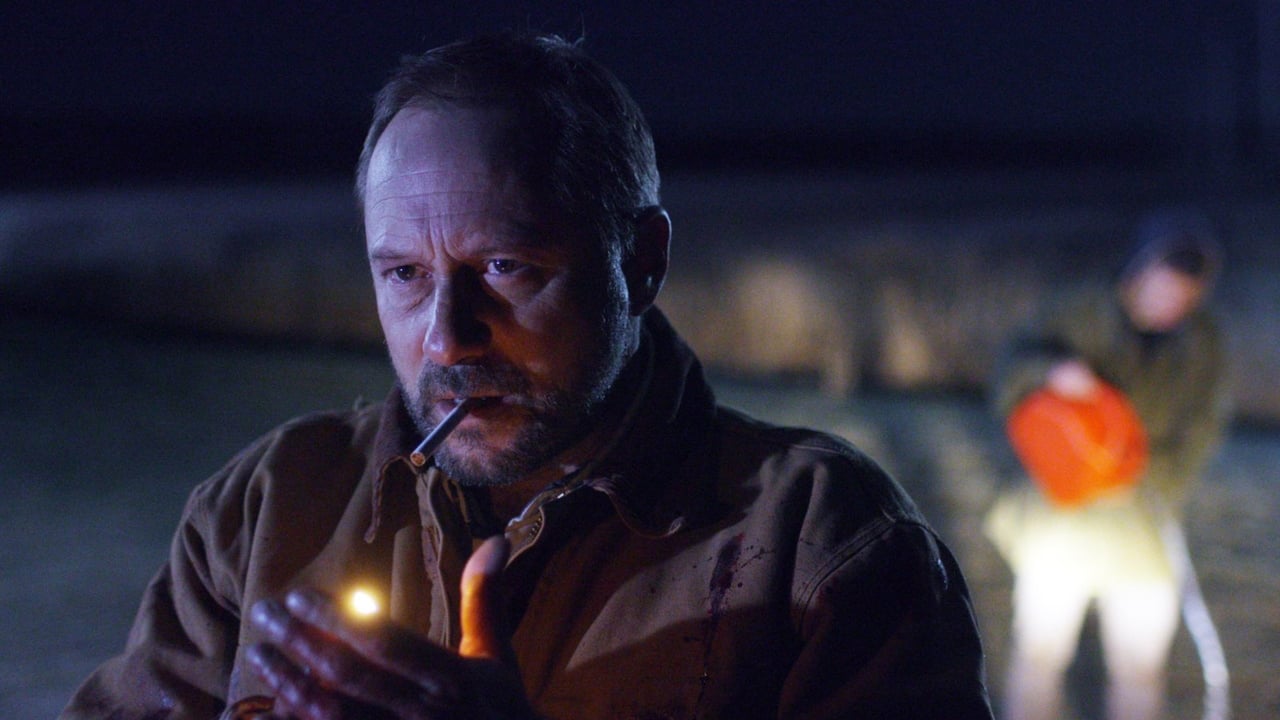
The plot kicks off with a small-town cop, Daniel Carter (Aaron Poole), finding a bloodied junkie on a dirt road. He hauls him to a local hospital that is halfway through being decommissioned after a fire. It’s a classic "siege" setup, but once the lights start flickering, it stops being a police procedural and starts being a wet, sticky descent into cosmic madness. We’re talking about creatures that look like they were birthed from a collaboration between John Carpenter and H.P. Lovecraft. The practical effects here aren't just a gimmick; they are the movie’s soul. When a nurse’s face begins to peel away to reveal something that definitely shouldn't have teeth, you feel the weight of it. You can almost smell the corn syrup and silicone through the screen.
A Crowdfunded Descent into Madness
Released in 2016, The Void arrived right as the "elevated horror" trend was taking over. While films like The Witch or Hereditary were busy being atmospheric and grief-stricken, The Void was more interested in whether it could fit a three-story monster into a basement hallway. It’s a product of the Indiegogo era—a film literally willed into existence by fans who were tired of CGI ghosts and jump-scares involving loud violins and falling kitchen utensils.
This "current moment" context is vital. The Void represents a specific branch of contemporary cinema: the "fan-funded throwback." It’s a movie made by people who grew up on VHS tapes for an audience that still keeps their VCRs plugged in. However, it doesn't just coast on nostalgia. It uses the modern lack of studio oversight to go places a major release wouldn't dare. The plot eventually dissolves into a kaleidoscopic fever dream that makes absolutely zero sense if you try to map it out on a whiteboard. But honestly? I didn't care. I was too busy watching Kenneth Welsh (the legendary Windom Earle from Twin Peaks) deliver a performance that oscillates between grieving father and cosmic architect.
The Siege and the Subtext
The cast is surprisingly sturdy for a film that spends half its budget on fake blood. Kathleen Munroe plays Allison, Daniel’s estranged wife and a nurse at the hospital, and she brings a grounded, weary energy that keeps the film from floating off into total absurdity. Even Ellen Wong (who many of us loved in Scott Pilgrim vs. The World) shows up as a terrified intern, reminding us that in this era of horror, no one is safe just because they have a recognizable face.
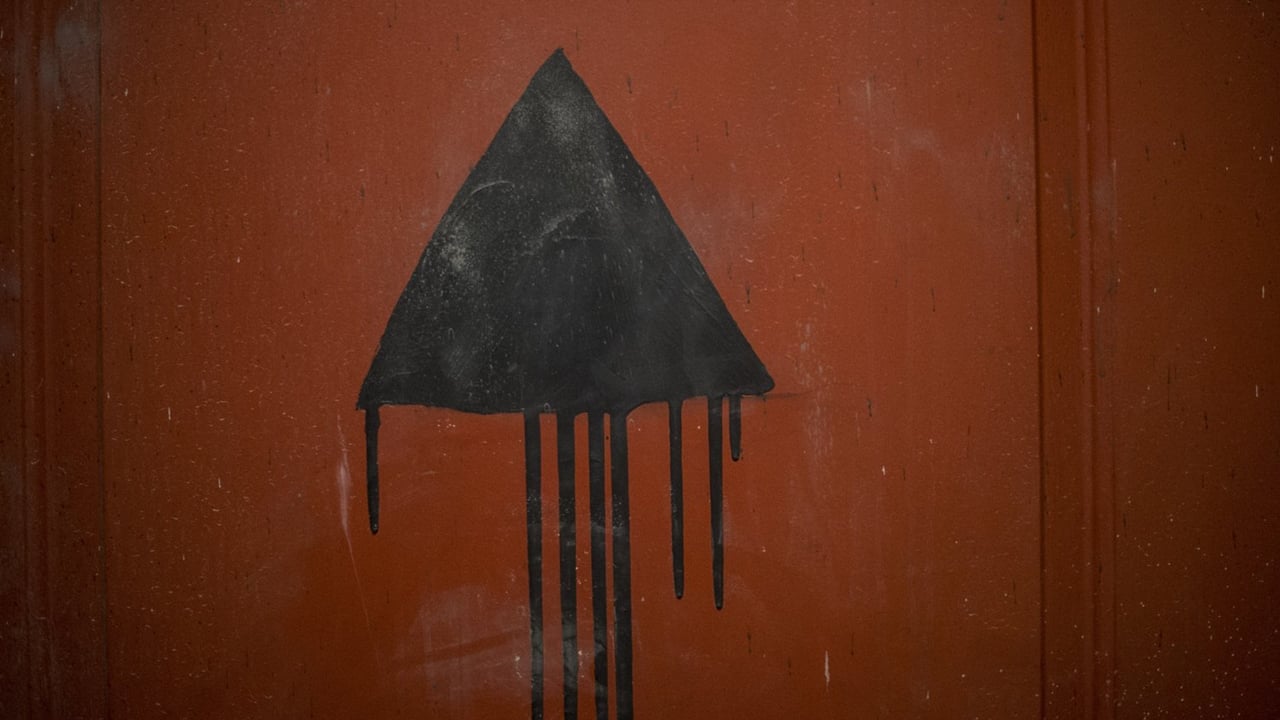
The film does struggle with its middle act. There’s a bit of "corridor fatigue" where characters run back and forth through the same three hallways, a clear symptom of its limited budget. But it compensates with a crushing sense of dread. The antagonists—those hooded figures with the black triangles for faces—never explain themselves. In our current era of "Lore" and "World-building" where every monster needs a three-movie origin story, the silence in The Void is refreshing. It understands that the most terrifying thing about the universe is that it doesn't owe you an explanation.
The Void is a glorious, messy, and deeply sincere reminder of why we fell in love with horror in the first place. It’s not perfect—the dialogue can be a bit wooden and the ending is a total "what just happened?" moment—but it has a tactile reality that is missing from 90% of modern horror. It’s a film that demands to be watched in the dark, preferably with a group of friends who don't mind a little slime. It’s a testament to what can happen when effects artists are given the keys to the asylum. If you’re tired of the "franchise fatigue" currently plaguing the multiplex, take a trip into this basement. Just don't expect to come back out the same way you went in.
Keep Exploring...
-
The Room
2019
-
Color Out of Space
2020
-
Circle
2015
-
A Cure for Wellness
2017
-
Life
2017
-
Black Mirror: Bandersnatch
2018
-
Vivarium
2019
-
Antlers
2021
-
Goodnight Mommy
2015
-
Regression
2015
-

Morgan
2016
-
2:22
2017
-
Resident Evil: Vendetta
2017
-
The Discovery
2017
-
Anon
2018
-

Apostle
2018
-
High Life
2018
-
Mute
2018
-
Tau
2018
-
Polaroid
2019