The Wailing
"Doubt is the hook."
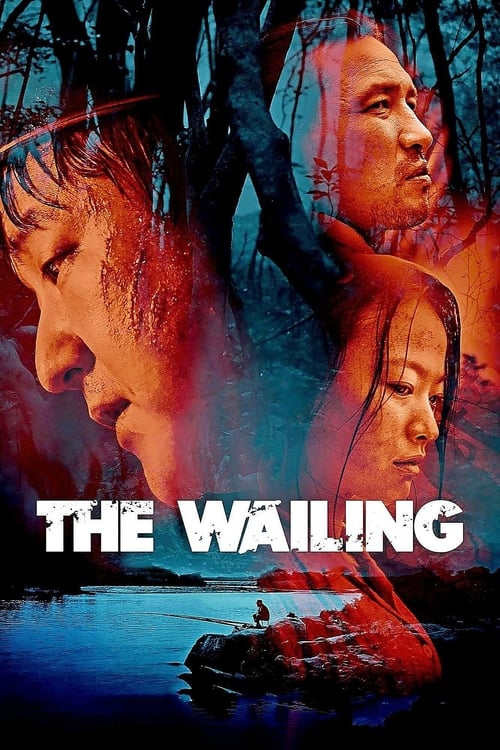
The rain in Goksung doesn't just fall; it saturates the soul, turning the very earth into a slick, treacherous trap for the unwary. By the time the credits rolled on Na Hong-jin’s The Wailing, I found myself sitting in my darkened living room nursing a lukewarm cup of barley tea that had gone stone cold two hours prior. I was too paralyzed by the film’s suffocating atmosphere to even reach for the mug. This isn't just a horror movie; it’s a theological ambush that preys on the basic human instinct to find order in chaos. In an era where many horror films rely on the predictable rhythm of the "jump-scare-then-release," this 156-minute South Korean epic chooses instead to slowly tighten a noose around your neck until you’re begging for the snap.
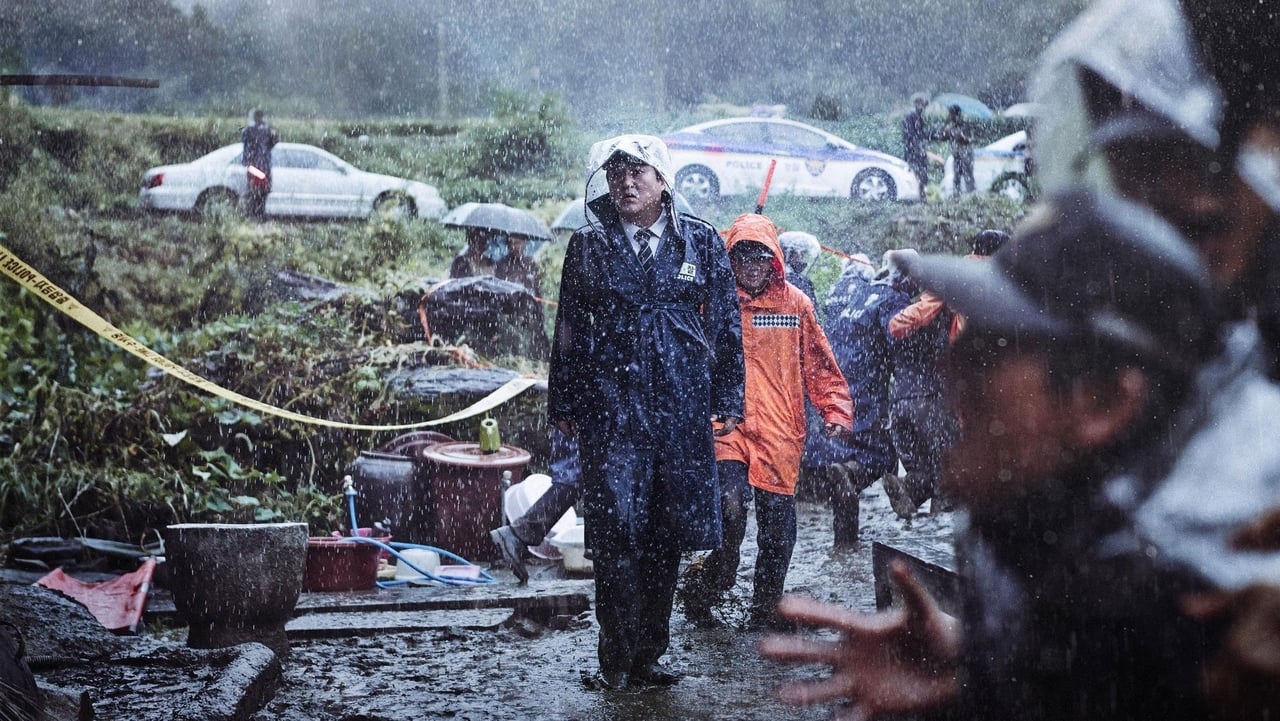
The Anatomy of a Nightmare
We enter the story through Jong-goo (Kwak Do-won), a local policeman who is, quite frankly, a bit of a coward. He’s the antithesis of the hyper-competent detectives we usually see in Korean cinema (think Song Kang-ho in Memories of Murder). When a mysterious Japanese stranger (Jun Kunimura) moves into a shack in the mountains and a localized plague of madness and murder begins to fester, Jong-goo is out of his depth. The film begins with a deceptive, almost dark-comedy tone, watching this bumbling officer navigate crime scenes that look like they were painted in blood by a manic-depressive.
But the laughter dies a swift death when the sickness reaches Jong-goo’s home. His young daughter, Hyo-jin (Kim Hwan-hee), begins to exhibit the same foul-mouthed, contorted symptoms as the previous victims. Suddenly, the "case" isn't a job; it’s a desperate, flailing struggle for a father’s sanity. The Shaman ritual sequence in the middle of this film is the most stressful forty minutes of cinema produced in the last decade. Director Na Hong-jin cuts between three different locations with a rhythmic, percussive intensity that feels like a physical assault on the viewer.
Folklore and False Prophets
What makes The Wailing so potent in our current cultural moment is its obsession with misinformation and the danger of "knowing." We live in a world of conflicting narratives, and Na Hong-jin weaponizes that uncertainty. He pulls from Korean Shamanism, Christian iconography, and deep-seated historical tensions with Japan to create a cocktail of dread where every character seems to be telling a different version of the truth.
When the flamboyant shaman Il-gwang (Hwang Jung-min) arrives, clad in designer clothes and exuding an arrogant confidence, we want to believe him because he represents a solution. We want to believe the mysterious woman in white (Chun Woo-hee) because she feels like a guardian. We want to fear the stranger because he is "other." But the film ruthlessly punishes us for these assumptions. Watching this movie is like trying to solve a jigsaw puzzle where the pieces keep biting your fingers.
The technical craft on display here is staggering. Cinematographer Hong Kyung-pyo, who would later go on to lens the Oscar-winning Parasite, treats the mountainous landscape as a character in itself. The mist and the mud feel heavy, almost tangible. There’s a specific shot of a character looking through a window during a rainstorm that manages to be more terrifying than a dozen CGI monsters.
The Weight of Silence
The performances are universally harrowing, but Kim Hwan-hee, the child actress playing the daughter, is the film's secret weapon. Her transformation is visceral—not just through makeup, but through a vocal and physical performance that should have sent shockwaves through the industry. When she screams at her father, questioning his competence and his love, it cuts deeper than any of the film’s more overt gore.

If you’re coming to The Wailing expecting a neat resolution or a comforting moral, you’re in the wrong village. This is a film about the agony of choice when all your options are poisoned. It’s a movie that asks: "What do you do when God is silent and the Devil is taking pictures?" It lingers in the mind like a fever dream you can’t quite shake, forcing you to re-examine every shadow in your own hallway. I’m still not entirely sure I’ve recovered from that final sequence in the cave—a moment of pure, undiluted cinematic evil that feels like a punch to the gut.
The Wailing is a monumental achievement in contemporary horror, a sprawling, ambitious, and deeply mean-spirited masterpiece that refuses to play by the rules. It demands your full attention and rewards it with a lingering sense of existential dread that few films have the courage to explore. It’s a dark, muddy, and magnificent descent into the heart of human doubt. Just make sure you leave a light on after you finish it—and maybe check the shed before you go to bed.

Keep Exploring...
-
Marrowbone
2017
-
Gonjiam: Haunted Asylum
2018
-
Fear Street: 1666
2021
-
Hereditary
2018
-
Midsommar
2019
-
Fear Street: 1978
2021
-

Last Night in Soho
2021
-
Burning
2018
-

#Alive
2020
-
Get Out
2017
-

Ghostland
2018
-
Shin Godzilla
2016
-
Forgotten
2017
-
The Call
2020
-

Black Box
2021
-
Goodnight Mommy
2015
-
The Room
2019
-
The Night House
2021
-
Saw X
2023
-

Weapons
2025