The Witch
"A nightmare of prayer and pine trees."
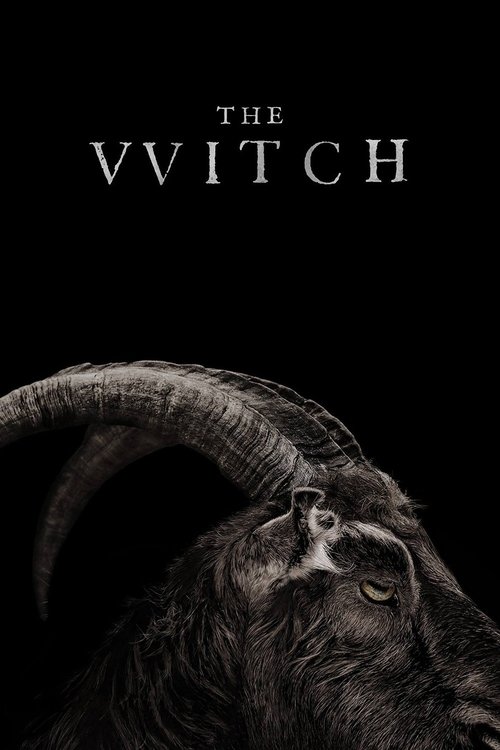
I remember the first time I watched The Witch. I was sitting in my living room with a radiator that kept clanking rhythmically, sounding like someone was trying to hammer their way out of the floorboards, and honestly, it only added to the experience. By the time the credits rolled on Robert Eggers’ debut, I felt like I needed to scrub my soul with lye soap and go sit in the sun for three days. It’s a film that doesn't just scare you; it infects you with the same cold, damp misery that its characters breathe for 92 minutes.

Released in early 2016, The Witch (or The VVitch, if you’re feeling fancy with your typography) was a seismic shift in the horror landscape. We were right in the middle of a transition where audiences were getting a bit tired of the "loud noise and a cat jumping out of a cupboard" jump-scare formula. Along comes this $4 million indie project that looks like a moving oil painting and sounds like a funeral dirge, and suddenly, everyone is talking about "elevated horror"—a term I personally find a bit pretentious, but it captures how Eggers forced the genre to grow up.
A Time Machine Built of Rotting Wood
What struck me immediately wasn't the horror, but the sheer, obsessive commitment to authenticity. Robert Eggers didn't just make a movie about 1630s New England; he practically built one. The dialogue is pulled directly from actual 17th-century journals and court records. If you find yourself leaning into the screen and squinting your ears to understand what Ralph Ineson is rumbling about, that’s by design. It’s a language that feels heavy, biblical, and utterly alien to our modern sensibilities.
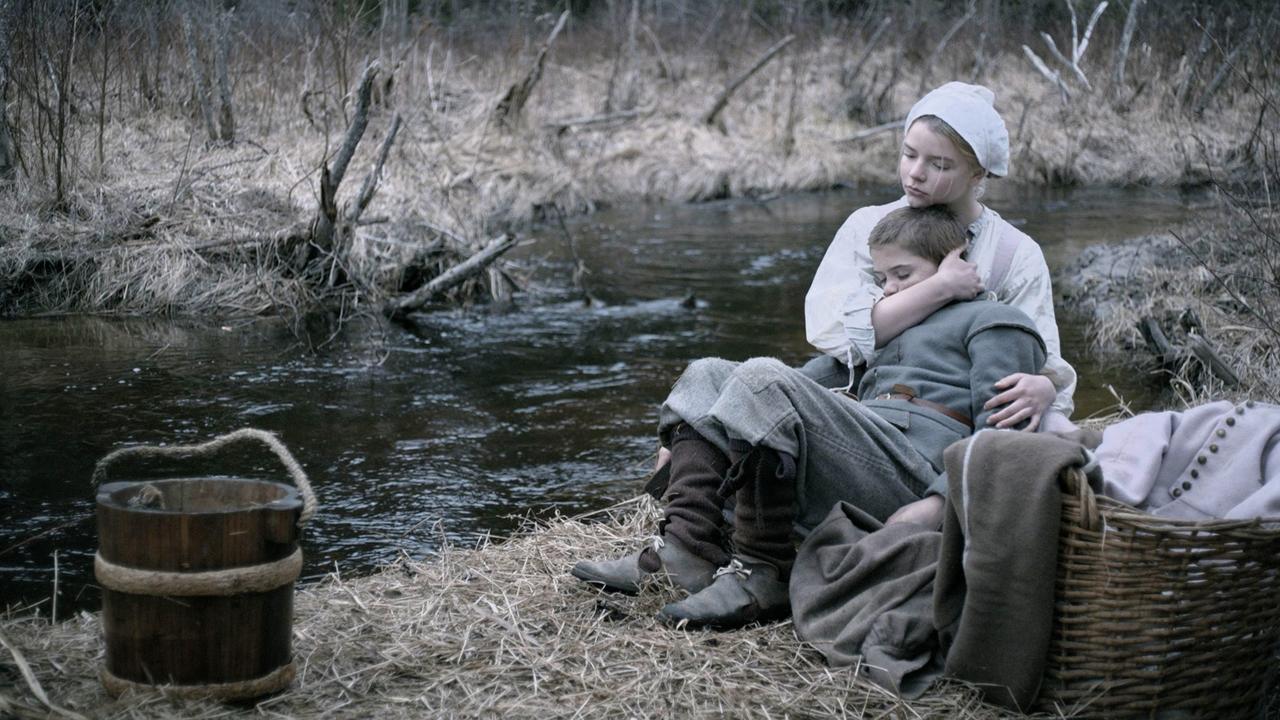
The production design follows suit. They used real hand-hewn timber and authentic clothing, and cinematographer Jarin Blaschke (who also shot the grimy, brilliant The Lighthouse) relied almost entirely on natural light. The result is a film that feels claustrophobic despite being set in a massive wilderness. The forest isn't just a location; it's a wall. When the family is exiled from their plantation, they aren't just moving house—they are being erased from the map. Watching this family fail at farming is more stressful than most slasher movies, mostly because you can practically smell the starvation setting in.
The Breakdown of a Pious Home
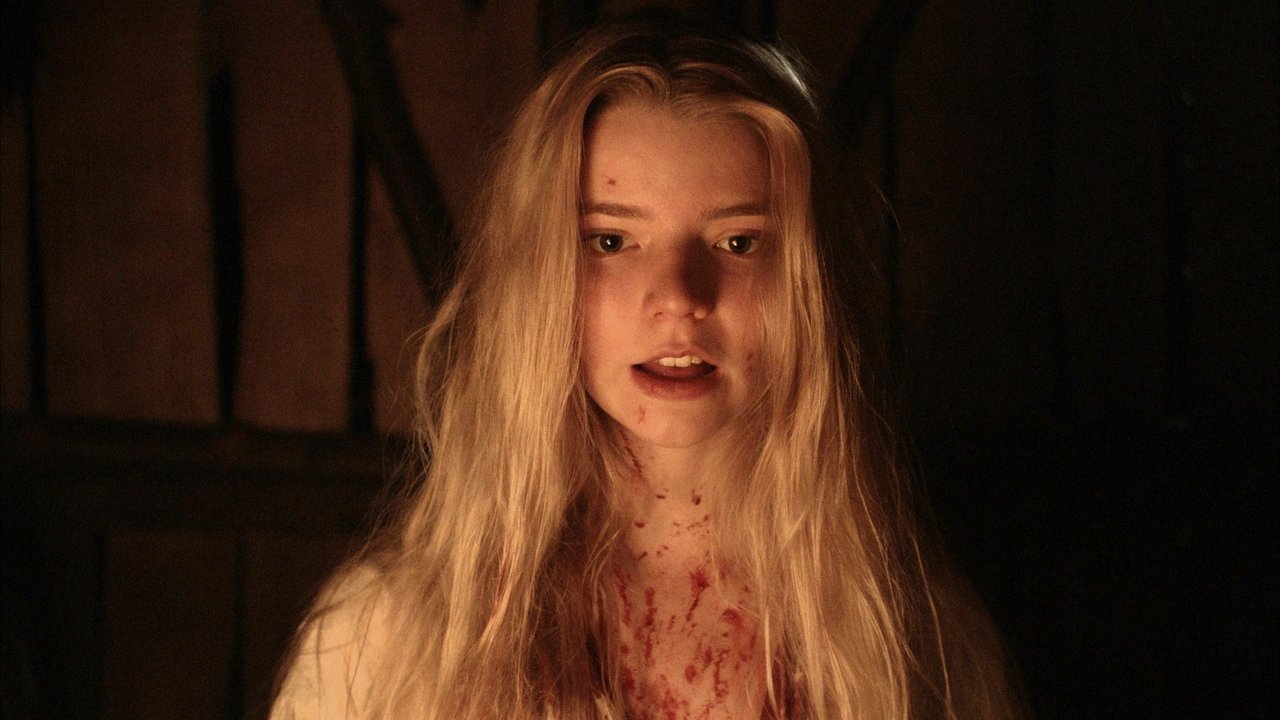
At the center of the storm is Thomasin, played by Anya Taylor-Joy in a performance that effectively launched her into the stratosphere. Before she was a chess prodigy or a Furiosa, she was a girl being crushed by the weight of her parents' failing faith. Taylor-Joy has these incredible, wide-set eyes that seem to absorb every ounce of dread the forest throws at her. She’s the perfect foil for Kate Dickie (familiar to Game of Thrones fans as the equally high-strung Lysa Arryn), whose grief over a lost baby turns into a sharp, jagged weapon.
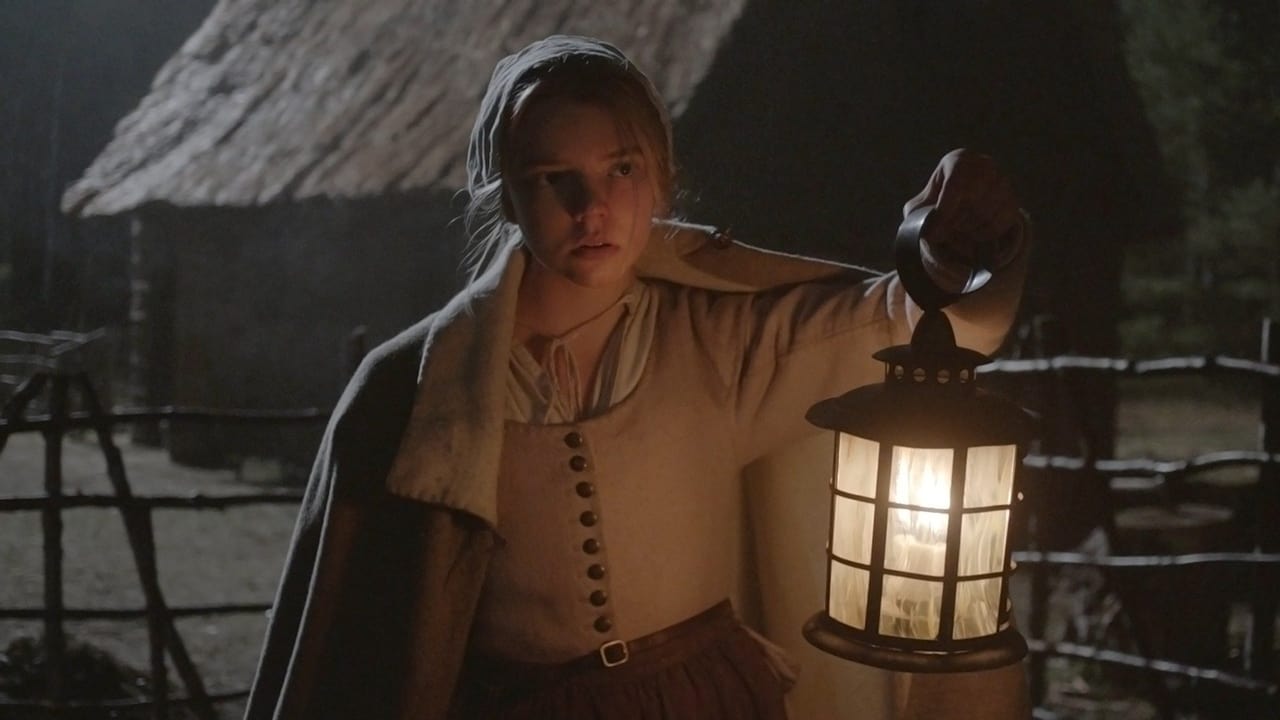
And then there’s Ralph Ineson. With a voice that sounds like a tectonic plate shifting over a bed of gravel, he plays William, a man whose pride is his only true possession. The scene where he tries to chop wood to vent his frustration is a masterclass in man-versus-nature futility. But the real scene-stealer is Harvey Scrimshaw as the young Caleb. There is a "possession" scene midway through the film that is so raw and uncomfortable it makes The Exorcist look like a puppet show. The fact that a child actor pulled that off is nothing short of miraculous.
Black Phillip and the Sound of Dread
We have to talk about the goat. Charlie, the real-life goat who played Black Phillip, was apparently a nightmare on set. Ralph Ineson has gone on record saying the animal was "horrible" and actually sent him to the hospital after a particularly nasty headbutt. But that real-life animosity translated perfectly on screen. Black Phillip is an all-time great horror antagonist precisely because he’s just a goat… until he isn't. He represents the wild, untamable chaos that the family’s rigid religion can’t account for. Black Phillip is the only one in this movie who actually seems to be having a good time.
The atmosphere is held together by Mark Korven’s score, which is a dissonant nightmare of nyckelharpa and waterphone. It doesn’t use traditional melodies; it uses textures. It sounds like bees buzzing in your skull or the wind howling through a ribcage. In a contemporary era where many horror scores feel like they’re just waiting for the "sting" to tell you when to be scared, Korven’s work is a constant, low-frequency hum of anxiety.
The film arrived at a perfect cultural moment, tapping into our modern anxieties about isolation and the breakdown of the family unit, while also engaging with a "folk horror" revival that paved the way for films like Midsommar and Hereditary. It proved that you don't need a $100 million budget or a CGI monster to terrify an audience; you just need a deep understanding of what people feared when they were alone in the woods four hundred years ago.

The Witch is a rare beast: a historical drama that functions as a high-tension thriller, fueled by a budget that wouldn't cover the catering on a Marvel set. It rewards the patient viewer with an ending that is both haunting and strangely liberating, depending on how you view Thomasin’s journey. If you’re tired of the "franchise-ification" of horror and want something that feels like a dark secret whispered in the dark, this is your movie. Just maybe keep an eye on your pets while you watch it.
Final act, lights up—it’s time to decide if you’re brave enough to sign the book.
***
Stuff You Didn't Notice:
The film was shot in 25 days in Kiosk, Ontario, which was an old lumber town. The remote location meant the cast and crew were as isolated as the characters. The dialogue isn't just "Old English style"; specific phrases were lifted from a pamphlet written in 1689 about a real-life case of "demonic possession." * Anya Taylor-Joy almost turned down the role because she had been offered a pilot on the Disney Channel at the same time. I think she made the right call.
Keep Exploring...
-
The Lighthouse
2019
-

Nosferatu
2024
-
Before I Wake
2016
-
Bone Tomahawk
2015
-
Swiss Army Man
2016
-
A Ghost Story
2017
-
Run
2020
-
The Northman
2022
-
The Exorcism of God
2022
-
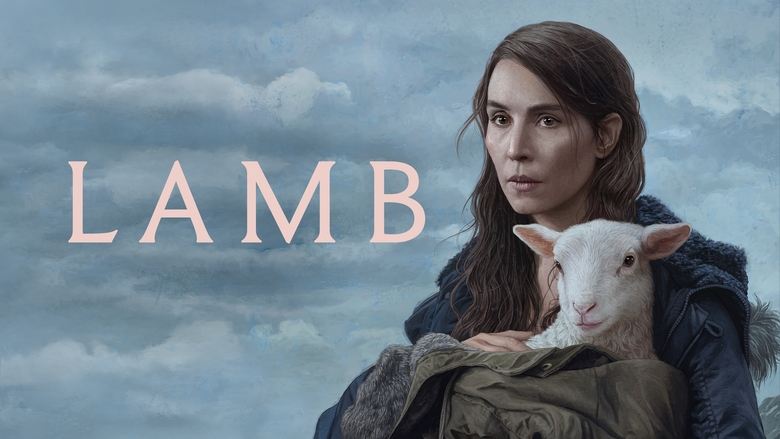
Lamb
2021
-
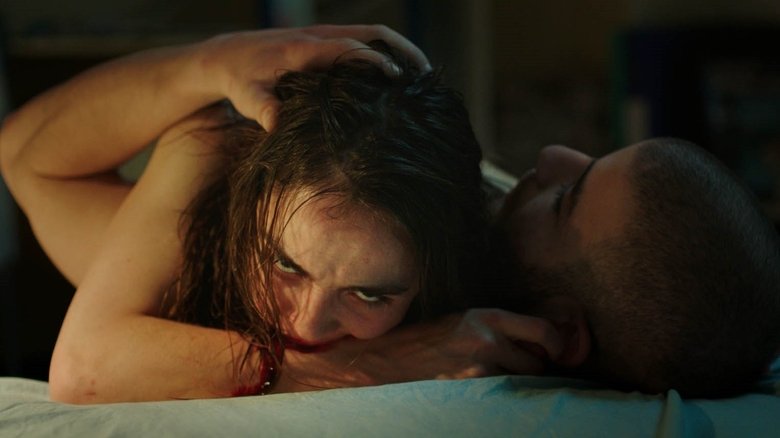
Raw
2016
-
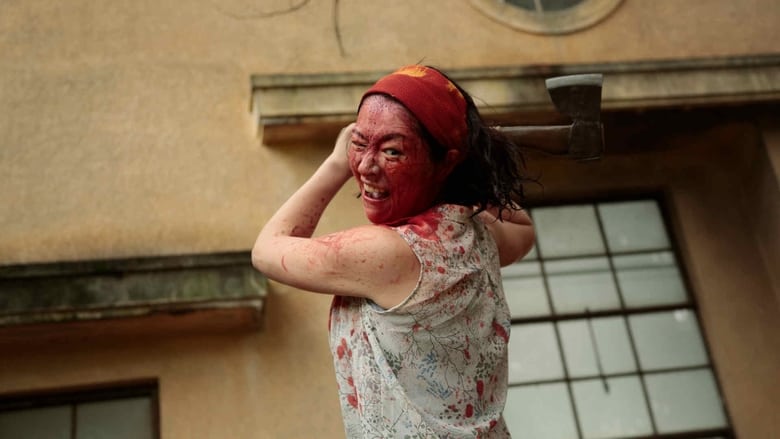
One Cut of the Dead
2017
-
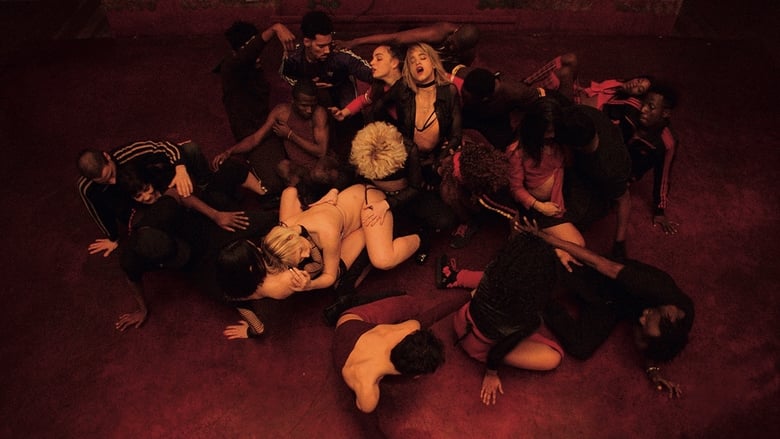
Climax
2018
-
Summer of 84
2018
-
Sputnik
2020
-
The Green Knight
2021
-
Frankenstein
2025
-
The Silence
2019
-
The Craft: Legacy
2020
-
The House
2022