They Call Me Jeeg
"Forget the cape. Grab the tracksuit."
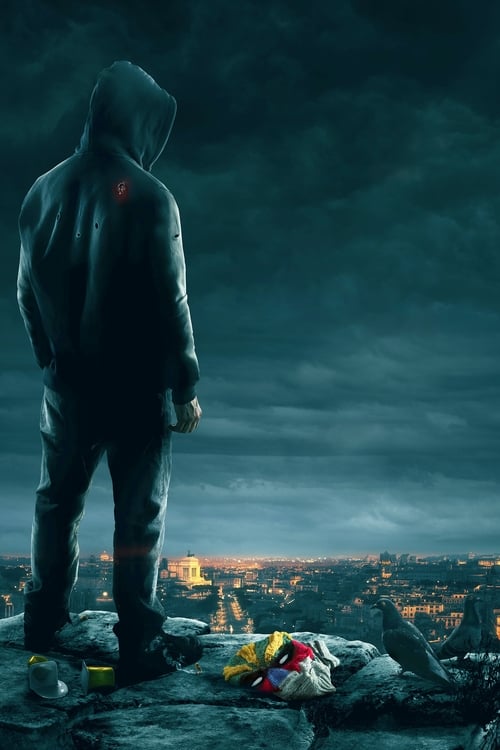
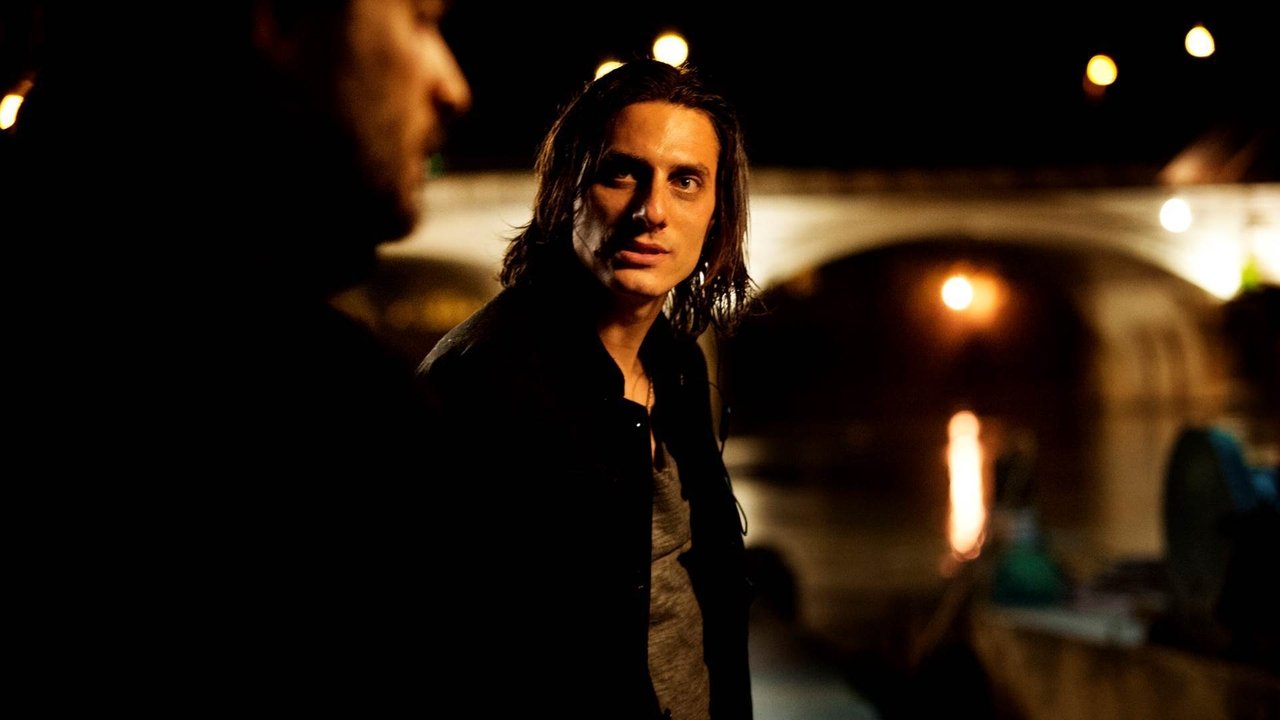
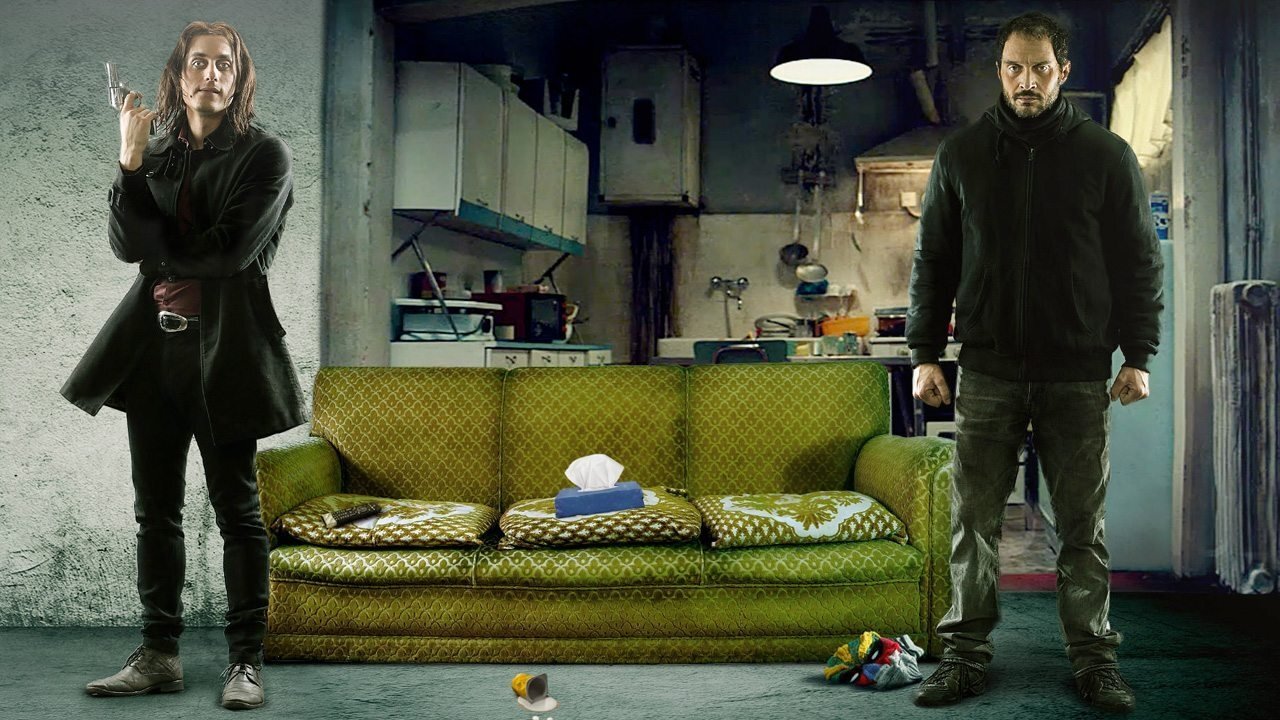
Most superhero origin stories begin in a pristine laboratory or beneath the glow of a mystical comet. They Call Me Jeeg (2016) begins in the literal filth of the Tiber River. Enzo Ceccotti, a misanthropic petty crook who looks like he hasn’t seen a vegetable or a shower in three years, dives into the water to escape the police and bumps into a barrel of radioactive waste. He doesn’t wake up with a mission to save Rome; he wakes up, goes home, eats a giant tub of plain yogurt, and realizes he can rip a radiator out of the wall with his bare hands.
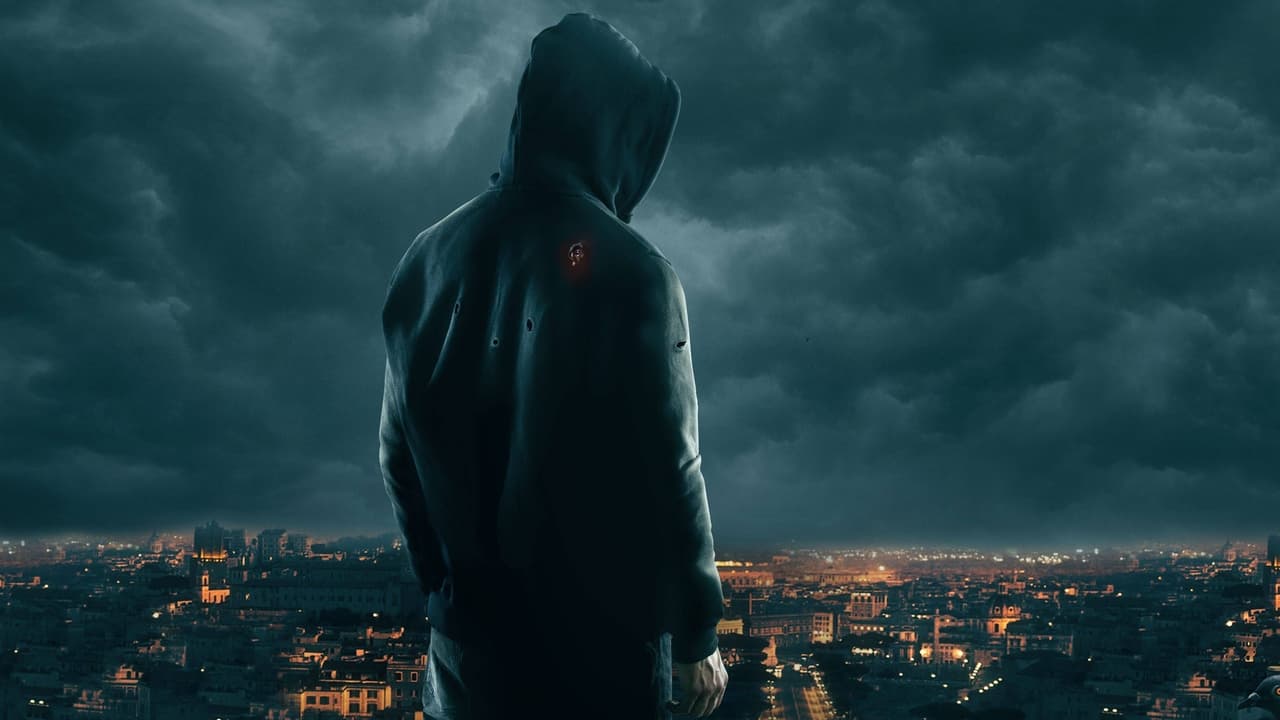
I watched this for the first time while sitting on a couch that smelled faintly of old pizza, wearing socks with holes in the toes, and honestly, it felt like the most appropriate environment possible. In an era where Marvel and DC have spent billions of dollars sanitizing the "super" experience into something safe and shiny, director Gabriele Mainetti (who also did the fantastic Freaks Out) offers a gritty, sweaty, and deeply human alternative.
The Hero Italy Didn't Ask For
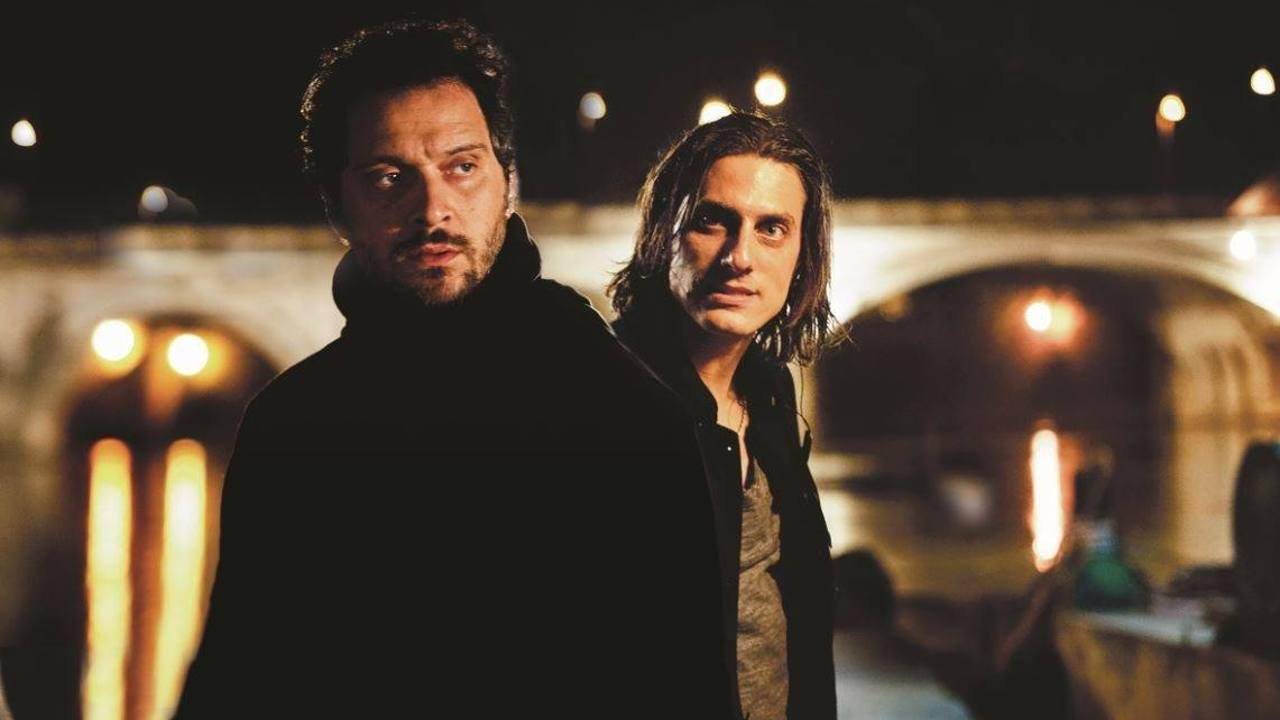
Claudio Santamaria (you might recognize him from Casino Royale) plays Enzo with a brooding, silent intensity that is refreshing in its lack of charisma. He’s not "misunderstood"—at least not at first. He’s a jerk. He uses his new strength to rip ATMs out of walls and steal. He has no interest in justice until he meets Alessia, played by Ilenia Pastorelli in a heartbreaking, career-making performance.
Alessia is a victim of severe trauma and spends her days lost in the world of the 1970s anime Steel Jeeg. She is convinced that Enzo is the live-action incarnation of the show’s hero, Hiroshi Shiba. This isn't just a quirky character trait; it’s a devastating look at how we use pop culture to survive an unbearable reality. The relationship between this hulking, reluctant brute and the fragile girl who sees a hero where there is only a criminal is the soul of the film. It's a "superhero" movie that functions more like a character study of broken people finding a reason to stand up.
A Villain for the Instagram Age
If Enzo is the immovable object, then the "Zingaro" (The Gypsy) is the unstoppable, fabulous force. Luca Marinelli, who later gained international fame in The Old Guard (2020), delivers a villainous performance that honestly puts most recent cinematic antagonists to shame. Zingaro is a failing gangster obsessed with social media fame, desperate to go viral, and prone to singing 80s Italian pop hits with the manic energy of a man who just snorted a line of glitter and gunpowder.
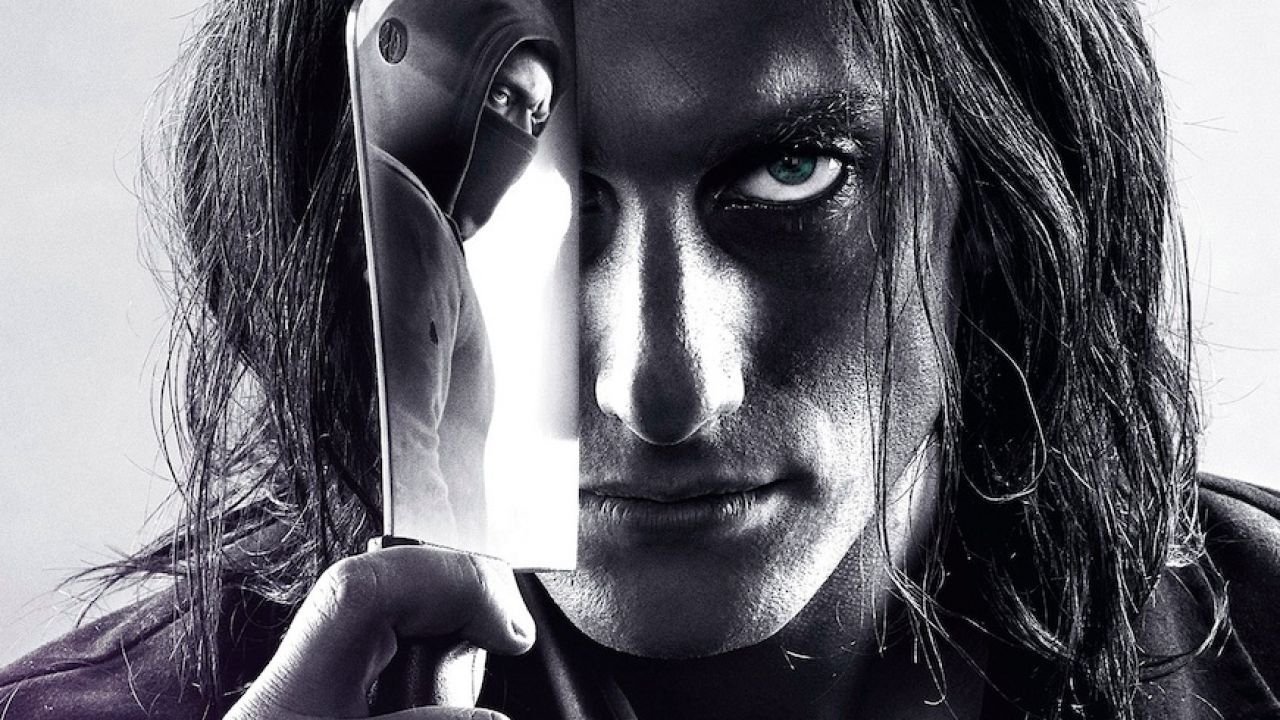
Zingaro looks like he walked out of a 1980s music video directed by a meth-addicted vampire. He’s the perfect foil for the era of "clout-chasing." While Enzo wants to be invisible, Zingaro wants the world to watch him burn. Their confrontation isn't just about good versus evil; it’s about the quiet dignity of a real hero versus the hollow spectacle of a narcissist.
Practical Punch, Not Pixel Polish
Because this was an independent production with a budget of only $1.9 million—roughly the cost of the catering budget on an Avengers set—Gabriele Mainetti couldn't rely on massive CGI sky-beams. Instead, the action is tactile and heavy. When Enzo hits someone, they don't fly back into a pile of breakaway crates; they hit the ground with a sickening thud that makes you winced.
The choreography is less "ballet" and more "bar fight." The cinematography by Michele D'Attanasio leans into the sun-drenched, decaying beauty of Rome’s outskirts, far from the tourist traps of the Colosseum. It’s a reminder that the MCU could learn a thing or two about how to make a city feel lived-in instead of a green-screened playground.
The film’s road to the screen is a classic indie hustle story. Mainetti and his writers, Nicola Guaglianone and Menotti, spent years trying to get funding. Italian producers didn't believe a "superhero" movie could work in Italy. Mainetti eventually formed his own production company, Goon Films, just to get it made. The gamble paid off: it swept the David di Donatello Awards (Italy's Oscars), winning seven trophies, including every single acting category—a feat almost unheard of for a genre film.
Stuff You Might Have Missed
It turns out that Claudio Santamaria actually gained 20 kilos (about 44 pounds) of muscle and bulk to play Enzo, which accounts for that lumbering, "tank-like" gait he has throughout the movie. Also, the choice of Steel Jeeg wasn't just random nostalgia; the anime was a massive cultural phenomenon in Italy during the late 70s and early 80s, creating a specific generational bond that the film taps into brilliantly. It uses that shared history to ground its fantastical elements in a way that feels incredibly authentic to the Roman setting.
The finale, set against the backdrop of a high-stakes football match at the Stadio Olimpico, is a masterclass in how to do "climax" on a budget. It’s tense, personal, and avoids the "world-is-ending" stakes that usually make these movies feel hollow. Instead, it’s about one man finally deciding to be the person a girl believed he could be.
They Call Me Jeeg is a miraculous piece of genre filmmaking. It takes the tired tropes of the superhero origin story and drags them through the mud, emerging with something that feels dangerous, romantic, and deeply sincere. It’s a film that understands that the most "super" thing about a hero isn't the ability to bend steel—it's the choice to care about someone other than yourself. If you’re tired of the multiverse and want a story with actual dirt under its fingernails, this is your movie.
Keep Exploring...
-
Freaks Out
2021
-
Batman vs. Robin
2015
-
Justice League vs. Teen Titans
2016
-

Logan
2017
-
The Wandering Earth
2019
-
Invasion
2020
-
Evangelion: 3.0+1.0 Thrice Upon a Time
2021
-
Kung Fury
2015
-
Upgrade
2018
-
The Platform
2019
-
Sputnik
2020
-

Justice League: Throne of Atlantis
2015
-
Batman: Bad Blood
2016
-

Italian Race
2016
-

Dragon Ball Super: Broly
2018
-
Finch
2021
-
Extinction
2018
-

Hardcore Henry
2015
-
iBoy
2017
-
The Wall
2017