Train to Busan
"Fear travels at 300 kilometers per hour."
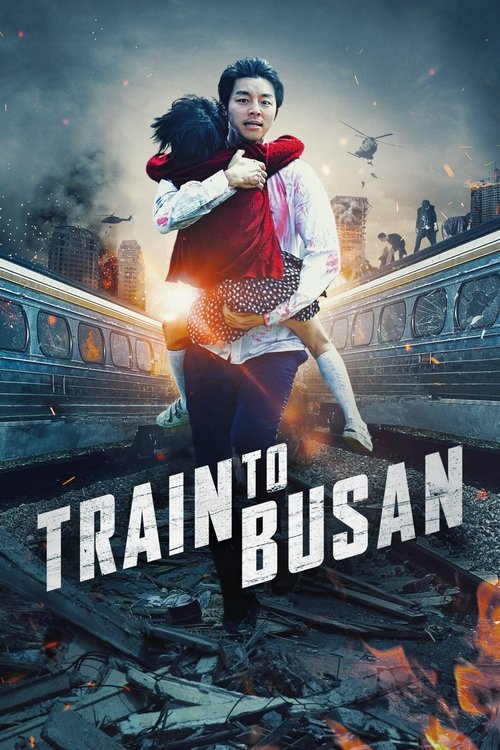
I remember the exact moment I realized Train to Busan wasn’t going to be just another "shambling corpse" movie. It happens early on: a young woman, pale and twitching, stumbles onto the KTX high-speed train just as the doors hiss shut. She’s ignored by the busy commuters, but within seconds, she isn’t just a passenger; she’s a biological glitch. When she finally snaps, she doesn't just bite—she launches herself with a terrifying, bone-cracking fluidity that made me accidentally drop a $12 tub of buttered popcorn all over my sneakers. I didn't even look down to clean it. I couldn't.
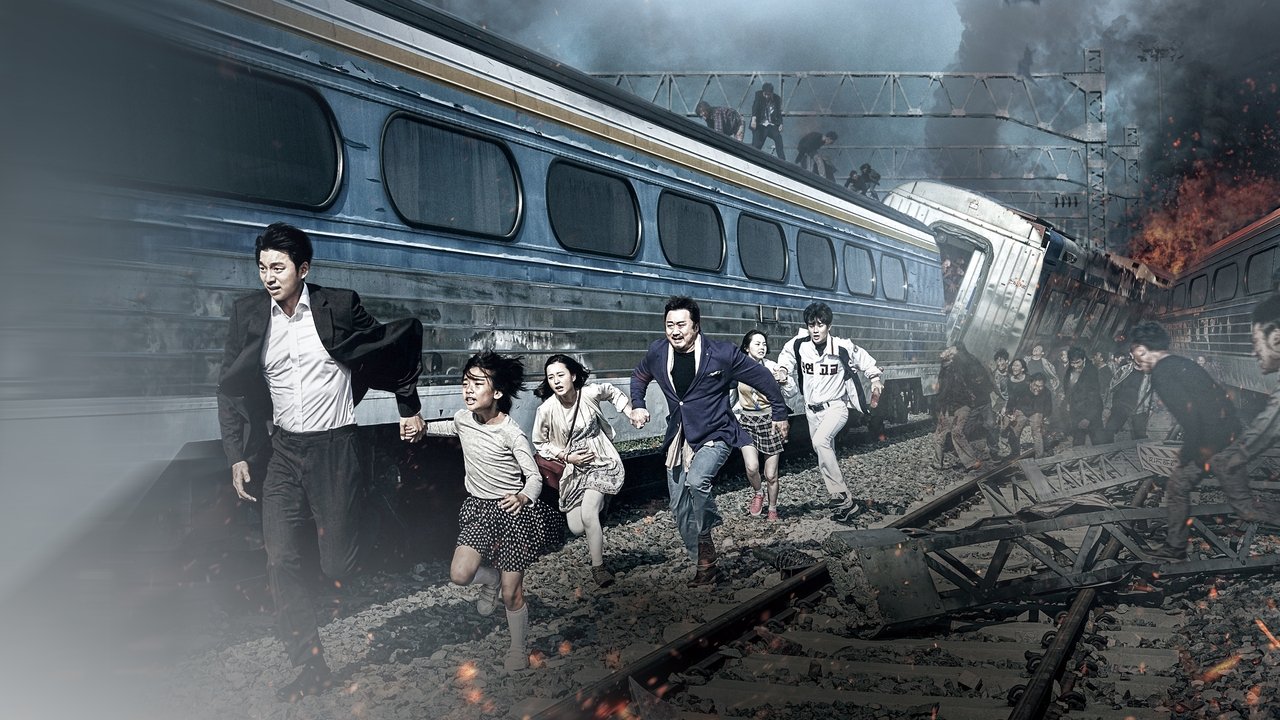
By 2016, the zombie genre was, ironically, looking a bit dead. We’d had a decade of The Walking Dead making the undead feel like a slow-moving weather front—unavoidable but predictable. Then came director Yeon Sang-ho, a man who previously specialized in bleak, haunting animation, and he decided to trap us in a pressurized metal tube with monsters that move like they’ve been shot out of a cannon.
The Physics of a Panic Attack
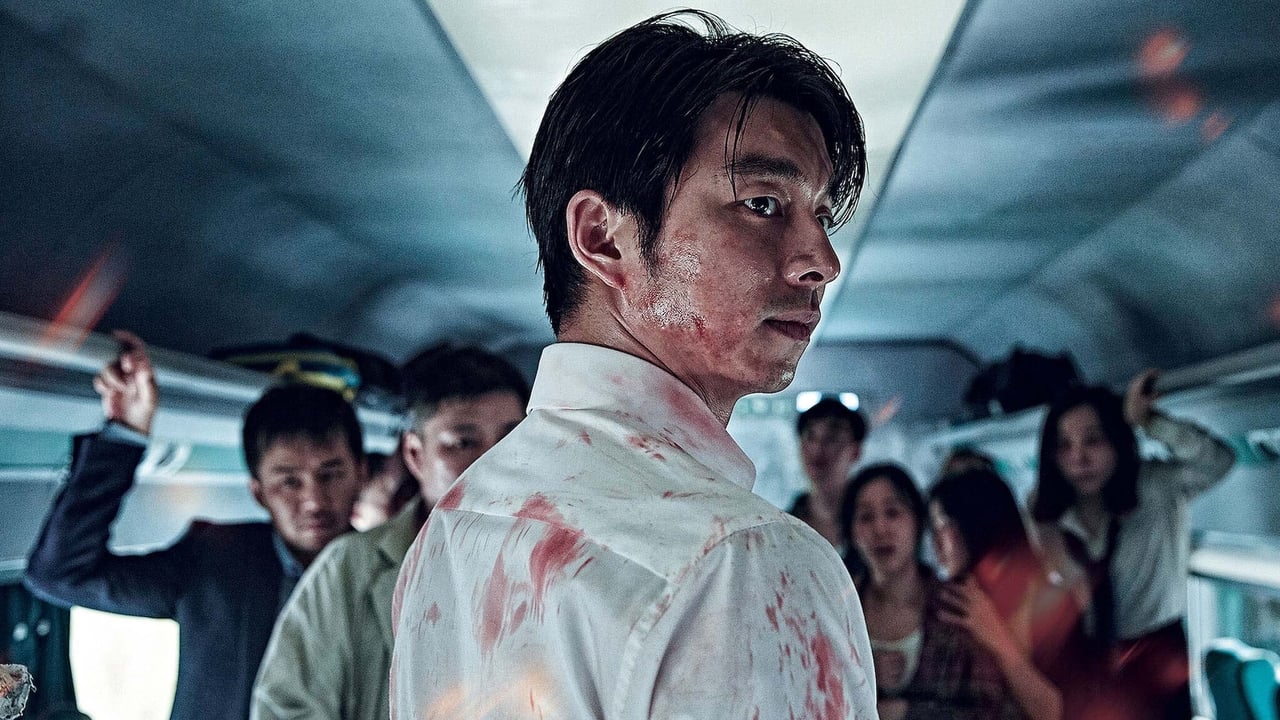
The brilliance of this film lies in its geography. By setting the bulk of the action on a train, Yeon removes the "open world" safety net. There is no running into the woods here. You go forward toward the engine, or you go back toward the caboose. This linear nightmare forces the characters—and us—into constant, agonizing proximity with the threat.
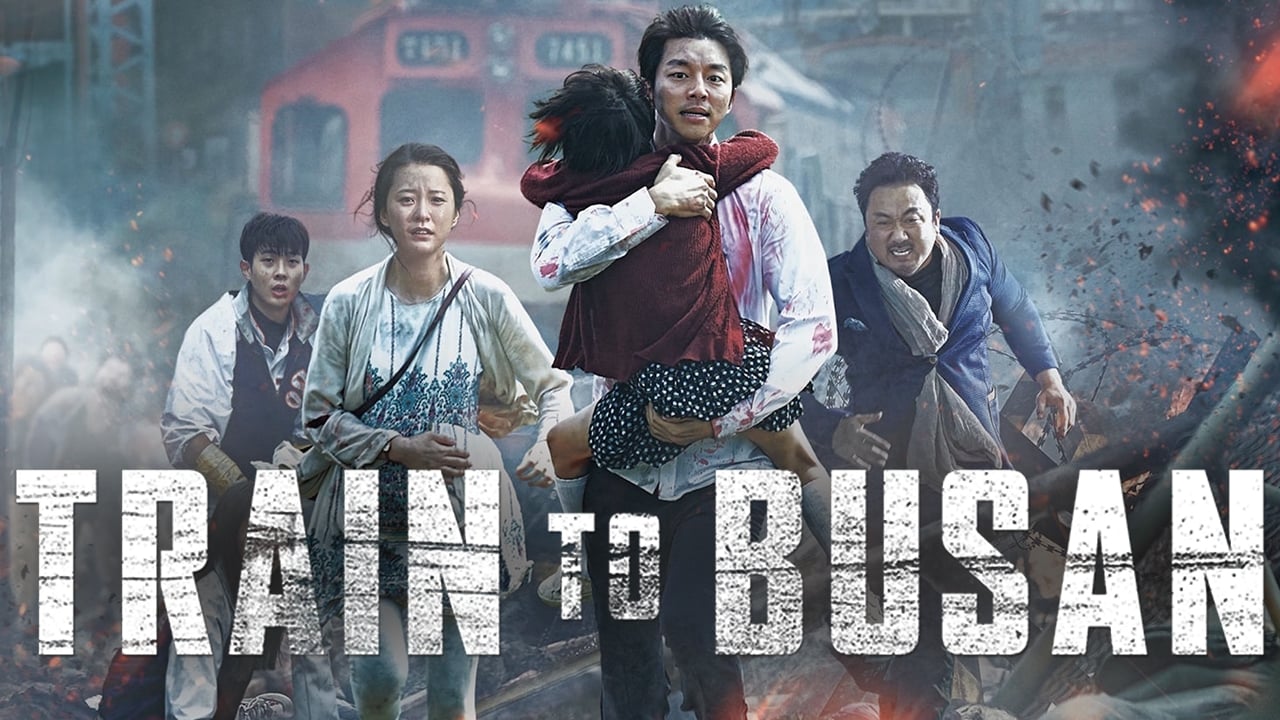
Gong Yoo, playing the workaholic fund manager Seok-woo, starts as the kind of protagonist I usually love to hate. He’s the guy who tells his young daughter, Soo-ahn (played with heartbreaking sincerity by Kim Su-an), that "at a time like this, you only look out for yourself." It’s a cynical, contemporary sentiment that the film spends the next 118 minutes systematically dismantling.
But if Gong Yoo is the emotional anchor, Ma Dong-seok is the film’s absolute powerhouse. Playing the tough-as-nails Sang-hwa, he brings a physical charisma that feels like a throwback to 80s action stars, but with a grounded, protective warmth. Watching a middle-aged man punch his way through a horde of undead is the only therapy I need. His chemistry with Jung Yu-mi, playing his pregnant wife, provides the film’s most genuine stakes. You don't just want them to survive; you feel like the moral center of the world depends on it.
More Than Just a Body Count
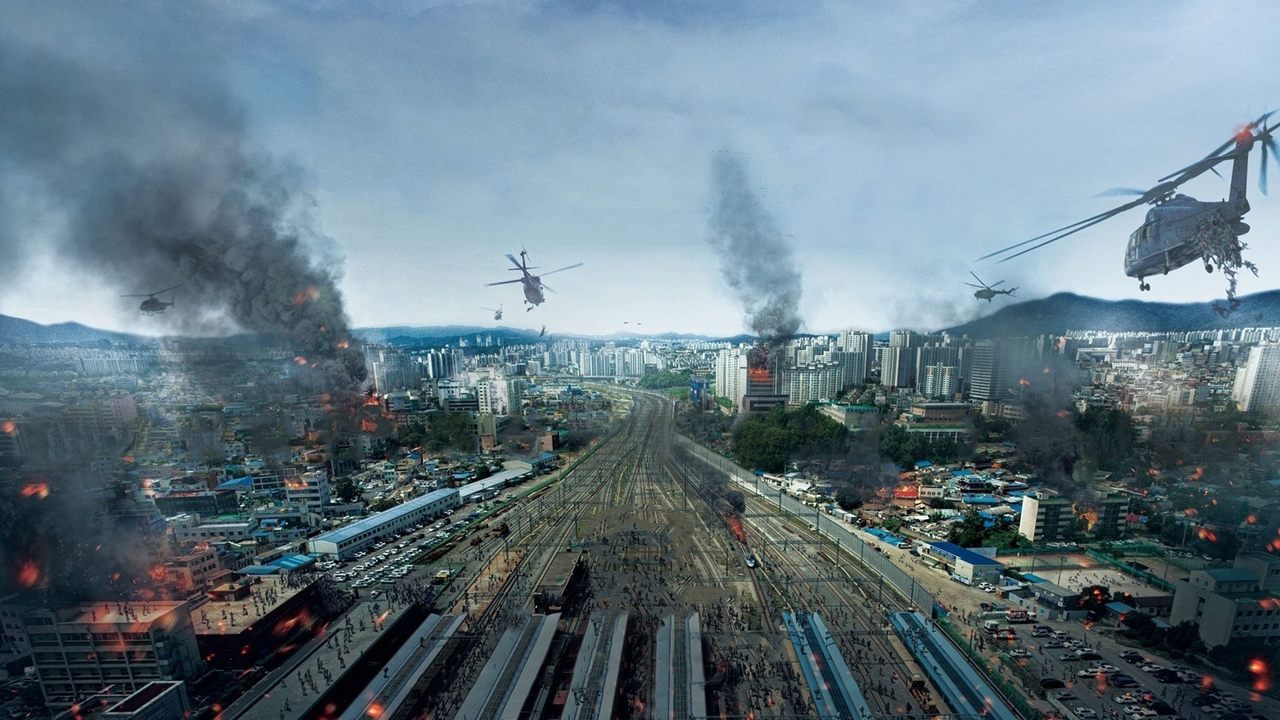
While the "fear mechanics" are top-tier—using darkness, luggage racks, and even cell phone ringtones to create tension—the darkness of the film runs deeper than the gore. In the current era of "me-first" social media discourse and political polarization, the human villain of the piece, a selfish COO played by Kim Eui-sung, is far scarier than the zombies. He represents the systemic rot of a society that prizes individual survival over communal safety.
The zombies themselves are a marvel of choreography. Apparently, the production hired a specialized movement coach, Jeon Young, who trained the actors in "bone-breaking" dance techniques to ensure they didn't just walk—they glitched. It creates this frantic, avian energy that makes the action sequences feel dangerously unpredictable. Most of the filming took place on actual KTX train sets or in studios with LED screens projecting the passing landscape, which gives the whole thing a tangible, claustrophobic reality that CGI backgrounds usually fail to capture.
The Global K-Wave Shift
Looking back, Train to Busan was a massive harbinger of the South Korean cultural explosion we’re living through now. Before Parasite took the Oscars or Squid Game broke Netflix, this was the film that proved Seoul could produce a blockbuster that rivaled anything coming out of Hollywood, often with a much tighter budget (around $8.5 million, which is pocket change in Marvel terms).
It’s a cult classic that didn't stay "cult" for long because its appeal is so universal. It’s a story about the transition from selfishness to sacrifice. It asks: in an emergency, do we become monsters, or do we become human? The ending is a somber, tear-streaked answer to that question that stays with you long after the credits roll. It’s a grim, intense experience, but one that feels vital.
Stuff You Didn't Notice
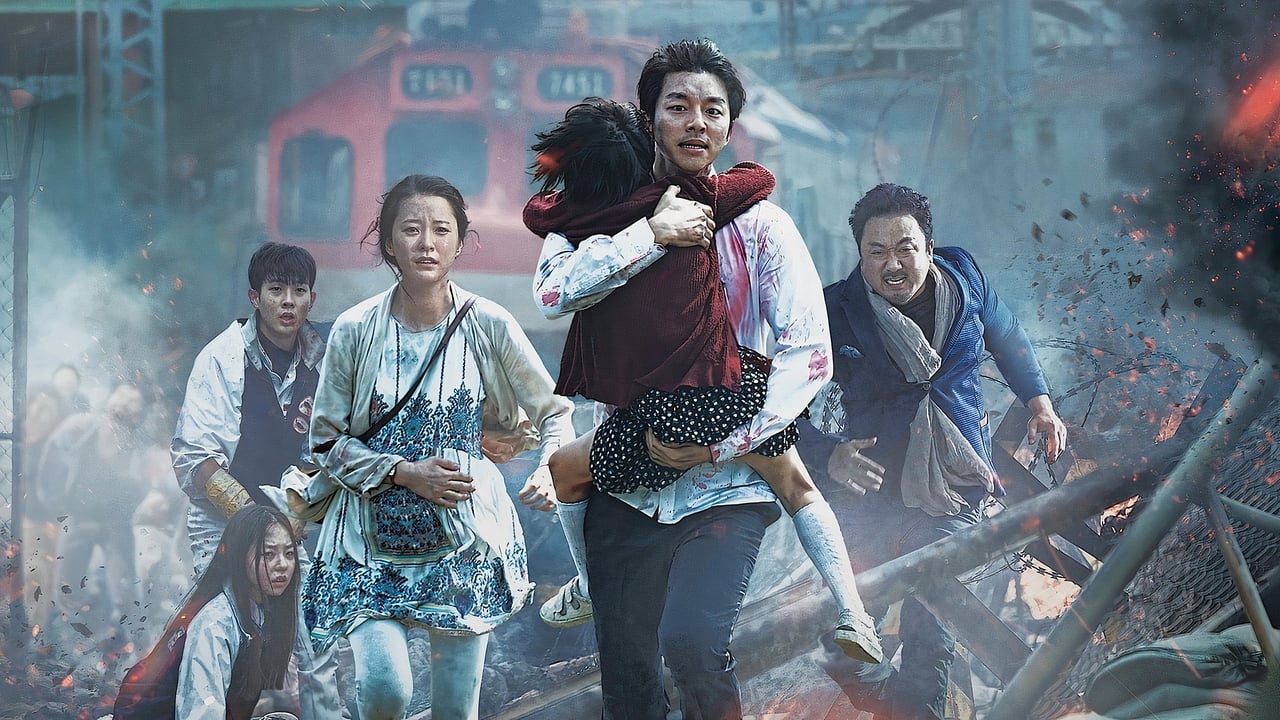
The Prequel: If you want to see how the chaos started, Yeon Sang-ho actually directed an animated prequel called Seoul Station that was released the same year. It’s even darker and much more cynical. The "Zombie School": The actors playing the infected had to attend a months-long "zombie school" to master the specific, jerky movements seen in the film. Ma Dong-seok's Glow-up: This film turned Ma Dong-seok into a global superstar, eventually leading him to the MCU as Gilgamesh in Eternals. The Animated Influence: Look closely at the framing of certain shots; Yeon’s background in animation shows in the way he uses silhouettes and extreme angles to emphasize the scale of the crowds. * Real-Time Speed: The train in the movie is a KTX, which can travel up to 300 km/h. The film tries to keep the sensation of that speed constant, which contributes to the relentless pacing.
Train to Busan is the rare horror film that manages to be both a relentless adrenaline delivery system and a genuine tear-jerker. It’s a film that respects its audience's intelligence while never forgetting to keep the pulse racing. If you haven't seen it yet, grab some popcorn (try not to drop it) and settle in for the best ride of your life. Just don't expect to feel particularly comfortable the next time you're standing on a train platform.
Keep Exploring...
-
Peninsula
2020
-

The Wolf's Call
2019
-

Greenland
2020
-
Along with the Gods: The Two Worlds
2017
-

Mission: Impossible - Dead Reckoning Part One
2023
-

Mission: Impossible - The Final Reckoning
2025
-

Anna
2019
-

Batman vs. Robin
2015
-
Maze Runner: The Death Cure
2018
-

No Time to Die
2021
-
Sicario
2015
-
Patriots Day
2016
-
What Happened to Monday
2017
-

Hereditary
2018
-

The House That Jack Built
2018
-

Nobody
2021
-

In the Heart of the Sea
2015
-

The King's Man
2021
-
13 Hours: The Secret Soldiers of Benghazi
2016
-

Ghostland
2018