Warcraft
"Orcs have souls. Humans have spirit-gum beards."
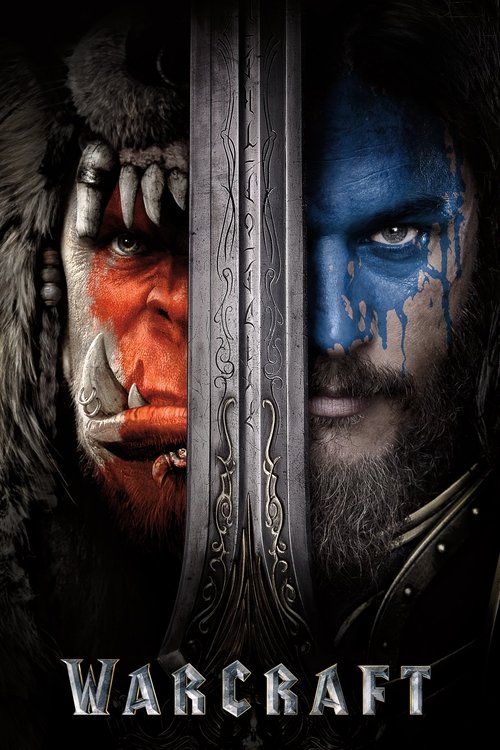
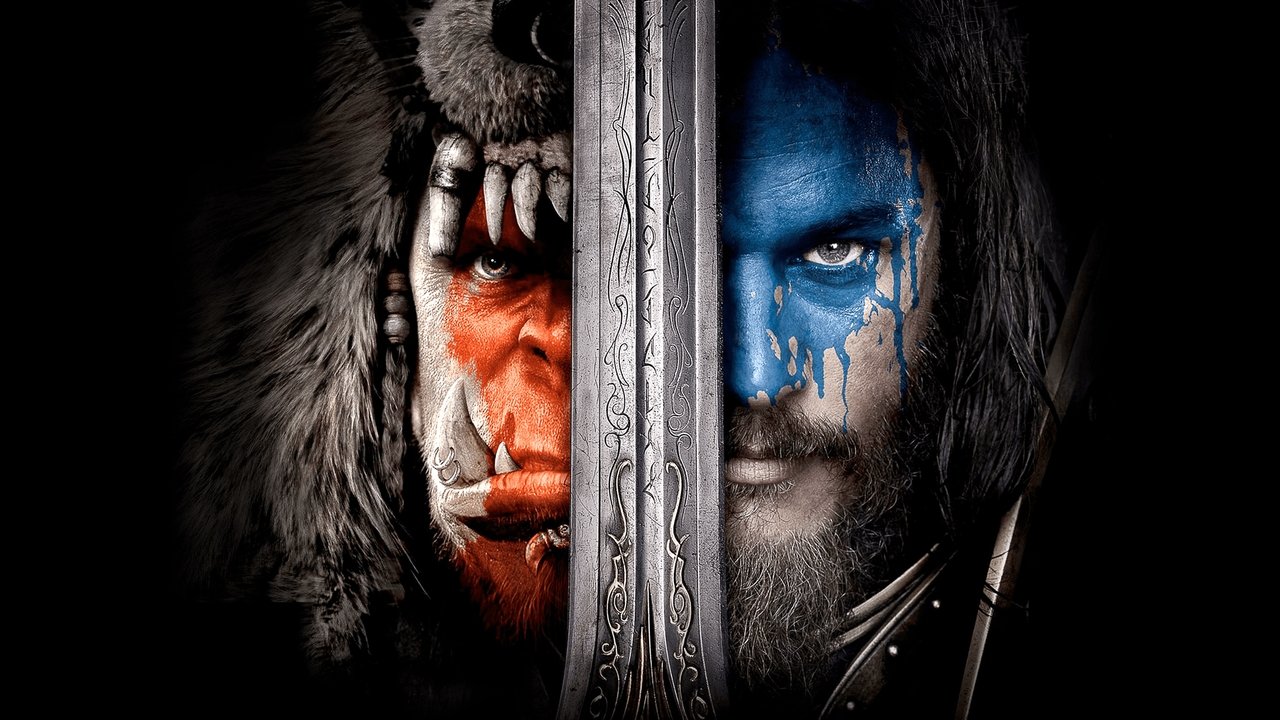
The first thing you notice about Duncan Jones’ Warcraft isn’t the floating cities or the neon-green "Fel" magic—it’s the sheer, tectonic weight of a digital tooth. When the orc chieftain Durotan (Toby Kebbell) leans in to speak, you see the individual pores in his skin and the way his massive tusks slightly displace his lower lip. It’s a triumph of motion-capture technology that, even eight years later, puts most modern superhero sludge to shame. I remember watching this for the first time on a laptop in a cramped dorm room while my roommate was literally three feet away grinding for experience points in World of Warcraft, and the rhythmic clicking of his mouse felt like a weirdly immersive fourth-dimensional sound effect.
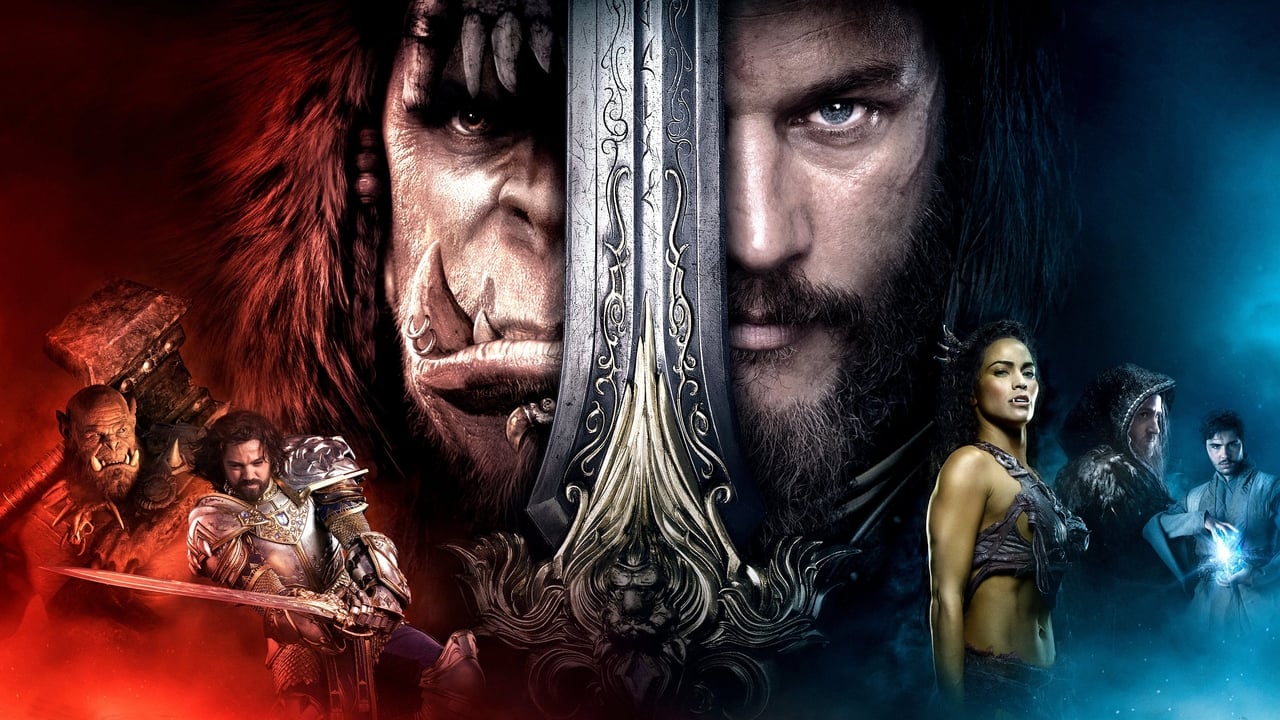
Warcraft is a strange beast. It arrived in 2016, right when the "video game movie curse" was still considered an unbreakable law of nature. It didn't just try to break the curse; it tried to ignore it by pretending it was a high-fantasy political drama in the vein of Game of Thrones, just with more 700-pound green guys. Looking back from our current vantage point—where The Last of Us and Fallout have finally cracked the code on adaptations—Warcraft feels like a noble, hyper-ambitious pioneer that took an arrow to the knee so others could run.
The Mo-Cap Miracle vs. The Renaissance Fair
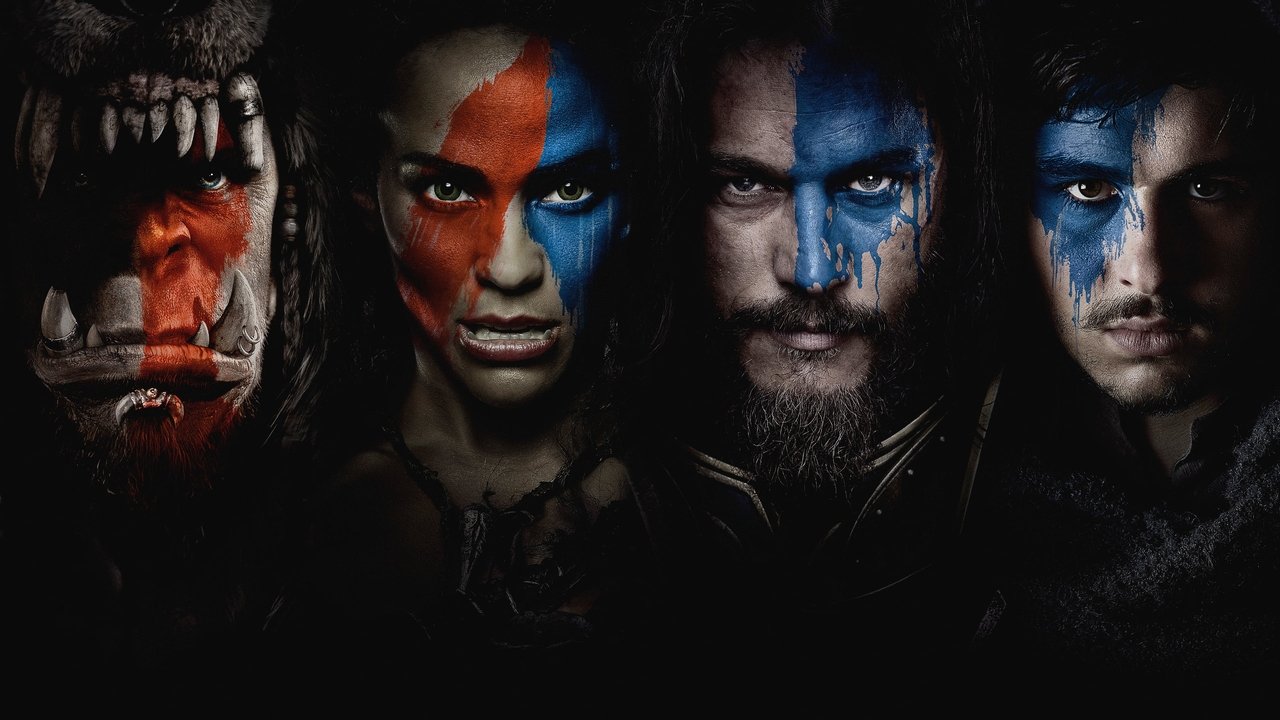
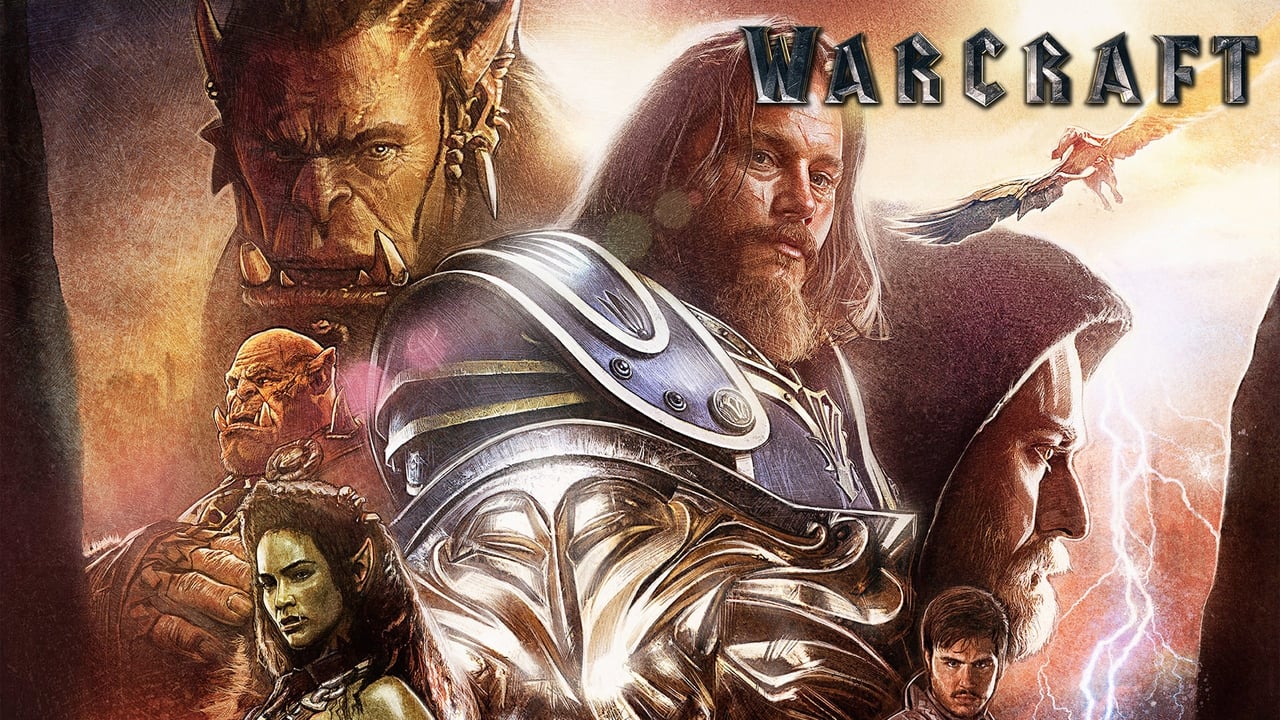
The film operates on two wildly different visual planes. On one side, you have the Orcs. Thanks to the wizards at ILM, characters like Durotan and the terrifying Gul’dan (Daniel Wu) feel lived-in and soulful. Toby Kebbell, who previously proved his mo-cap royalty as Koba in Matt Reeves’ Dawn of the Planet of the Apes, gives Durotan a weary, fatherly dignity that is the emotional spine of the movie.
Then, the camera cuts to the humans, and the illusion hitches. Don't get me wrong, I love Travis Fimmel—he plays Commander Anduin Lothar with a quirky, off-kilter energy that feels like he’s constantly about to tell a joke nobody else will get. But put him next to Dominic Cooper’s King Llane, and suddenly the movie feels like a different genre entirely. The human costumes look like they were commissioned for an exceptionally expensive community theater production of King Arthur. There is a persistent "spirit-gum and plastic" vibe to the human side of Azeroth that clashes violently with the grit of the Orcish Horde.
Interestingly, Duncan Jones—a hardcore fan of the source material—insisted on making the armor look exactly like it does in the games. In a pixelated world, those oversized pauldrons and bright blues look iconic; on a real human being standing in a forest, they look like they’re waiting for a "Cosplay of the Year" trophy.
A Script Drowning in Lore
The biggest hurdle for Warcraft was always going to be the "homework" factor. Unlike Lord of the Rings, which eases you into the Shire, this film drops you into the deep end of a lore-filled swimming pool with weights tied to your ankles. You’ve got the Kirin Tor, the Guardian, the Fel, the Dark Portal, and something called a "Murloc" (which, yes, makes its signature gurgling sound in a fun Easter egg near a bridge).
For those of us who spent our teenage years exploring Stormwind, seeing the city brought to life is a genuine thrill. But for the uninitiated? It’s a lot of proper nouns to digest. The script, co-written by Charles Leavitt (who wrote the excellent Blood Diamond), struggles to find air between the world-building. Ben Foster plays the mage Medivh with a weird, detached intensity—apparently, he spent a lot of time on set practicing "mage hand" movements to make the spellcasting look rhythmic—but his character arc feels rushed, especially for such a pivotal figure in the franchise’s history.
The Cult of the Unfinished Symphony
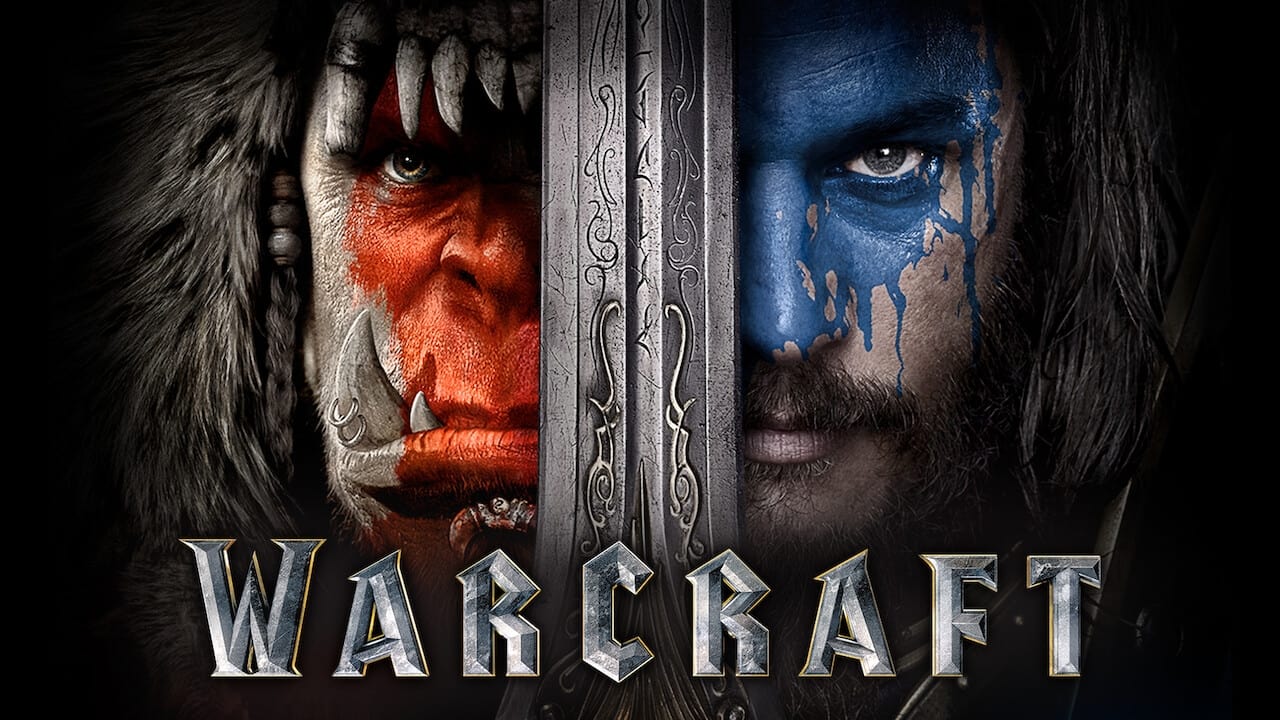
There’s a reason Warcraft has maintained a vocal cult following despite being a "flop" in the United States (it famously made over $200 million in China, proving that some IP speaks a universal language of spectacle). It’s because the film is sincere. It isn't a cynical, committee-led cash-grab; it’s a deeply nerdy, beautifully shot attempt to translate a complex world. Apparently, Duncan Jones’ father, the legendary David Bowie, saw an early rough cut before he passed away and was reportedly very proud of his son's ambition. You can feel that ambition in every frame.
The film ends on a massive cliffhanger, clearly intended to launch a trilogy that we’ll likely never see. In today’s era of streaming dominance, I can’t help but think Warcraft would have thrived as a high-budget 10-episode series on Netflix or HBO. It needed more time to breathe, more time to let us care about the tragic Garona (Paula Patton), and more time to explain why everyone was so worried about a green portal.
Ultimately, I find myself revisiting Warcraft every few years just to marvel at the Orcs. It’s a flawed, lopsided epic that wears its heart on its oversized sleeve. While the humans might look like they’re at a LARP event, the Orcish storyline is some of the best high-fantasy storytelling we've seen on the big screen since the mid-2000s. It’s the kind of cult classic that reminds me why I love cinema: sometimes, even when a movie misses the mark, the sheer effort of the swing is enough to earn my respect. If you can look past the plastic armor, there’s a surprising amount of soul under the tusks.
Keep Exploring...
-
Tomb Raider
2018
-
The Last Witch Hunter
2015
-
The Great Wall
2016
-

The Legend of Tarzan
2016
-
Pacific Rim: Uprising
2018
-
Hellboy
2019
-
Pokémon Detective Pikachu
2019
-
Mulan
2020
-
Wonder Woman 1984
2020
-
Jungle Cruise
2021
-

Pan
2015
-
Gods of Egypt
2016
-
Robin Hood
2018
-
Monster Hunter
2020
-
Mortal Kombat
2021
-

In the Heart of the Sea
2015
-

Kong: Skull Island
2017
-
The Northman
2022
-
Aquaman and the Lost Kingdom
2023
-
Damsel
2024