1922
"Pride is a debt paid in blood and rats."
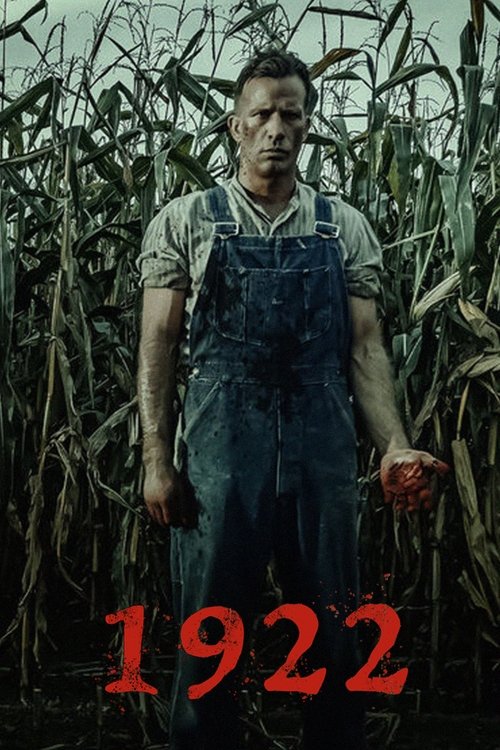
I watched 1922 for the first time on a Tuesday night while eating a bowl of slightly burnt popcorn, and my roommate’s cat spent the entire duration staring intensely at a dark corner behind the television. Given the film’s preoccupation with things scurrying in the shadows, it made for a significantly more stressful viewing experience than I had anticipated. But that’s the magic of the "Streaming King-aissance"—the era where Netflix realized that Stephen King’s shorter, grimmer novellas were actually perfect fodder for mid-budget prestige horror.
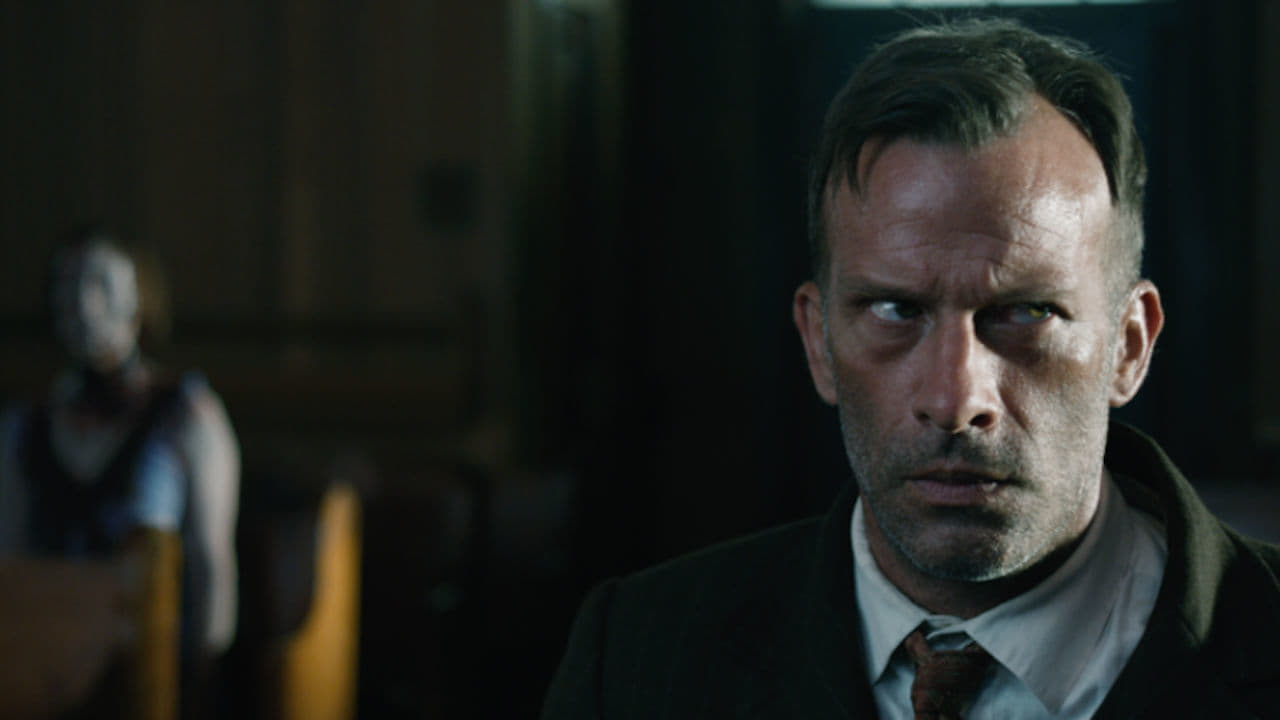
Released in 2017, 1922 didn't arrive with the fanfare of a theatrical blockbuster like IT, but it carries a weight that those funhouse-ride movies often lack. It’s a dry, dusty, and deeply unpleasant character study that proves you don’t need a shapeshifting clown to be terrifying; sometimes, all you need is a stubborn man with a sharp knife and a very small mind.
The Mumble of a Murderer
If you only know Thomas Jane from his turn as a sleek action hero in The Punisher (2004) or his sci-fi grit in The Expanse, prepare to lose him entirely here. As Wilfred James, Jane undergoes a physical and linguistic transformation that is nothing short of hypnotic. He wears a permanent squint like he’s trying to see through a dust storm, and his voice... well, he sounds like he’s trying to swallow a mouthful of dry dirt while reciting the alphabet.
It’s a performance that anchors the entire film. Wilfred is a man defined by a "proud" rancher’s stubbornness. He wants to keep his land; his wife, Arlette (Molly Parker), wants to sell her share and move to the city. In Wilfred's twisted logic, murder isn't just an option—it’s a business necessity. What follows is a slow-motion car crash of a crime. Zak Hilditch, who both directed and wrote the screenplay, captures the sheer clumsiness of the act. This isn't a slick Hollywood murder; it’s messy, loud, and physically exhausting. By the time Wilfred convinces his teenage son, Henry (Dylan Schmid), to help, you can already feel the rot setting into the foundations of their house.
The Sound of the Scuttle
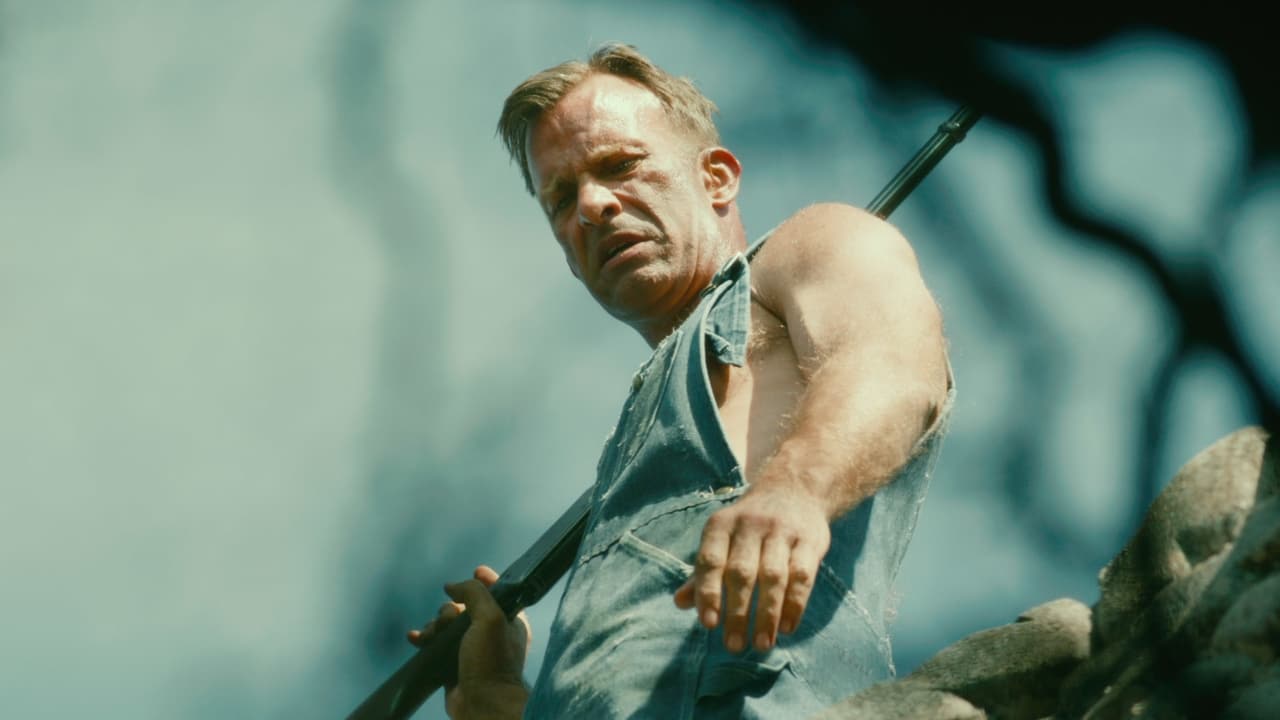
For a film with a relatively modest $5 million budget, 1922 punches way above its weight class in terms of atmosphere. This is where horror becomes an environmental factor. Cinematographer Pierre Gill (who worked on Arrival) paints Nebraska as a beautiful but indifferent wasteland of gold and brown. It feels claustrophobic despite the wide-open spaces, a neat trick that makes Wilfred’s eventual isolation feel earned.
Then there is the sound design. The score by Mike Patton—yes, the frontman of Faith No More—is a discordant, screeching string-heavy nightmare that perfectly mimics the sound of a mind unraveling. It’s paired with the constant, rhythmic scuttling of rats. In this film, the rats aren't just pests; they are the manifestation of Wilfred’s conscience. They are everywhere—in the walls, under the floorboards, and eventually, in much more grisly places. The practical effects work on the "ghosts" and the vermin is genuinely unsettling. It avoids the polished, rubbery look of modern CGI in favor of something that looks damp and diseased. It’s the cinematic equivalent of a slow-acting poison—unpleasant, inevitable, and surprisingly quiet.
Stuff You Didn't Notice
One of the most interesting things about 1922 is how it fits into the current landscape of "Prestige Horror." Because it skipped a traditional theatrical run, it found its cult status through the Netflix algorithm, becoming a "hidden gem" for King devotees.
Turns out, Thomas Jane was so committed to that bizarre, jaw-clenched accent that he stayed in character for the entire shoot, much to the confusion of the Canadian crew in British Columbia (where they filmed, standing in for 1920s Nebraska). Speaking of the setting, the production design team actually grew forty acres of corn specifically for the film, only to have to watch it die as the seasons changed—a perfect metaphor for the story itself.
King fans might also spot the "19" in the title—a recurring "ka" number in his multiverse—but this isn't a story about interdimensional monsters. It’s a story about a man who killed his wife and discovered that the land he killed for didn't want him anymore. Interestingly, the rats used in the film were a mix of real trained rats and animatronics; Thomas Jane reportedly had no issue handling the real ones, which probably helped with that look of dead-eyed resignation he wears throughout the film.
1922 is a reminder that the best horror often starts with a bad decision made by a desperate person. It’s not a movie you watch for "fun," but it’s one you watch when you want to see a genre veteran like Thomas Jane give a career-best performance in a story that feels like an old, dark folk song. It might be a bit slow for the jump-scare crowd, but for those who like their terror to simmer until the pot boils over, it’s a masterstroke of streaming-era storytelling. Just make sure you don't have any holes in your baseboards before you hit play.
Keep Exploring...
-

The House That Jack Built
2018
-

Green Room
2016
-
Hail, Caesar!
2016
-
It Comes at Night
2017
-

Logan Lucky
2017
-
You Were Never Really Here
2017
-
Bad Times at the El Royale
2018
-
Bird Box
2018
-
Death Wish
2018
-
Suspiria
2018
-
Widows
2018
-

21 Bridges
2019
-
In the Tall Grass
2019
-
The Highwaymen
2019
-
The Little Things
2021
-

Ambulance
2022
-
Black Mass
2015
-
True Story
2015
-
Jack Reacher: Never Go Back
2016
-
War Dogs
2016