2:22
"The universe is on a schedule. Don’t be late."
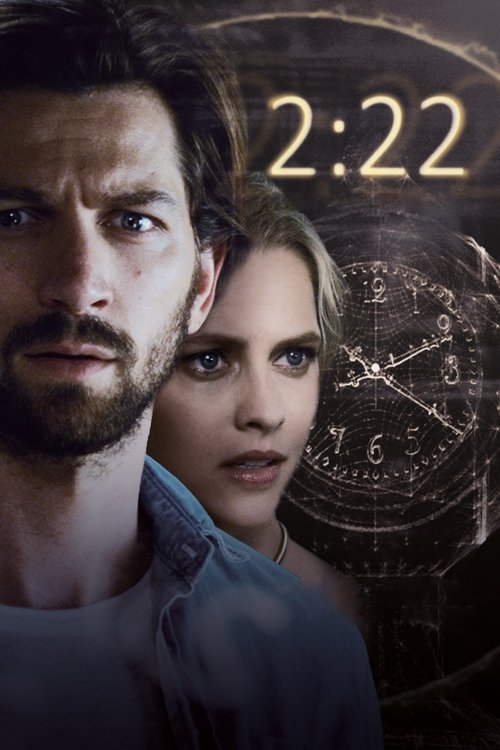
Imagine you’re standing in the middle of Grand Central Terminal. The air is thick with the scent of overpriced pretzels and frantic commuters, but suddenly, everything around you starts to hum with a secret frequency. You notice a businessman drop a newspaper. You hear a glass shatter. You see a drop of water fall from a leak. And then, you realize you’ve seen this exact sequence before—yesterday, at the exact same time. This is the hook of 2:22, a film that feels like it was engineered in a lab to satisfy that specific itch for high-concept, "puzzle-box" cinema that dominated the mid-to-late 2010s.
I stumbled upon this one late on a Tuesday night while my neighbor was power-washing their driveway. The rhythmic, mechanical thrum-thrum-thrum from outside actually synced up with the movie’s obsession with patterns for a solid ten minutes, and for a second, I felt like I was descending into the same madness as the protagonist. It’s that kind of movie—the sort of sleek, digital-age thriller that you find deep in a streaming library and wonder, "How did I miss this during its theatrical run?"
The Rhythm of the Sky
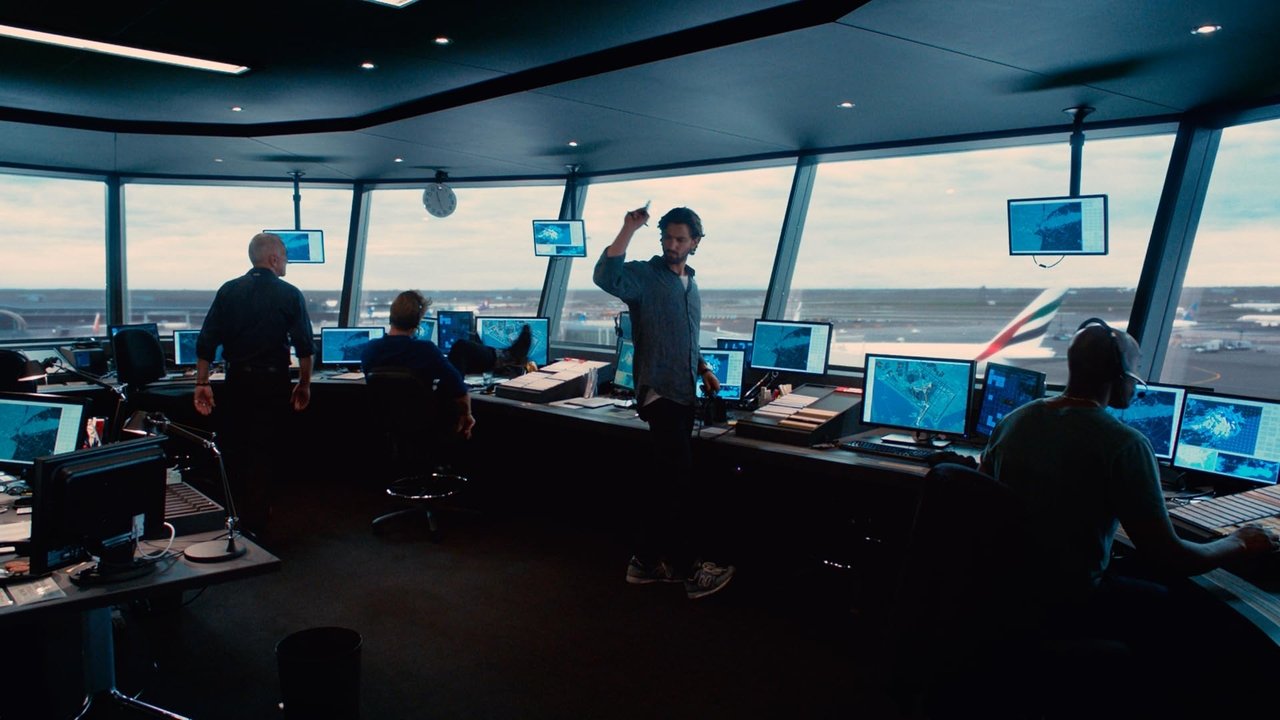
The film follows Dylan Branson (Michiel Huisman, who you likely recognize as the second, more charming Daario Naharis from Game of Thrones), an air traffic controller with a literal "god complex" for patterns. He doesn't just see planes; he sees the mathematical flow of the universe. After a near-miss collision at exactly 2:22 p.m. that almost costs hundreds of lives, Dylan is suspended and begins to spiral. He starts noticing that his life is becoming a looped track of recurring events—a car horn, a scream, a light bulb flickering—all leading up to a daily crescendo at the same timestamp.
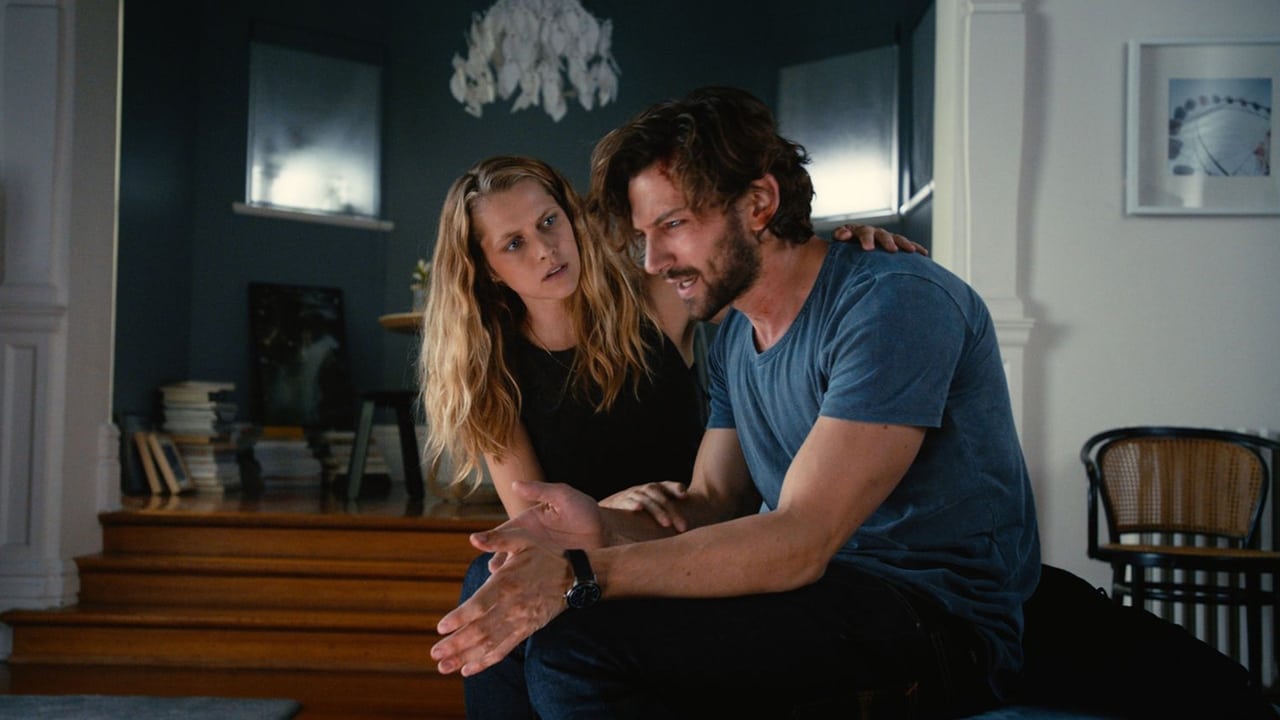
Enter Sarah (Teresa Palmer, bringing that same grounded warmth she perfected in Hacksaw Ridge), a gallery curator who happened to be on one of the planes Dylan almost crashed. Their connection is instant and "written in the stars," but their blossoming romance is complicated by Sarah’s ex-boyfriend Jonas (Sam Reid), an artist whose latest exhibit is—wait for it—a massive digital recreation of Grand Central Station.
Director Paul Currie treats the screen like a canvas, leaning into the digital crispness of the era. The film looks expensive, almost like a high-end watch commercial that gained sentience. It’s the kind of "Contemporary Cinema" that thrives on visual flair to paper over some of the more absurd narrative leaps. The cinematography by David Eggby, who shot the original Mad Max, is stunningly clean, capturing the cold, metallic beauty of New York (which was actually mostly filmed in Sydney, a fun bit of production wizardry).
The VOD Era’s "Disposable Premium"
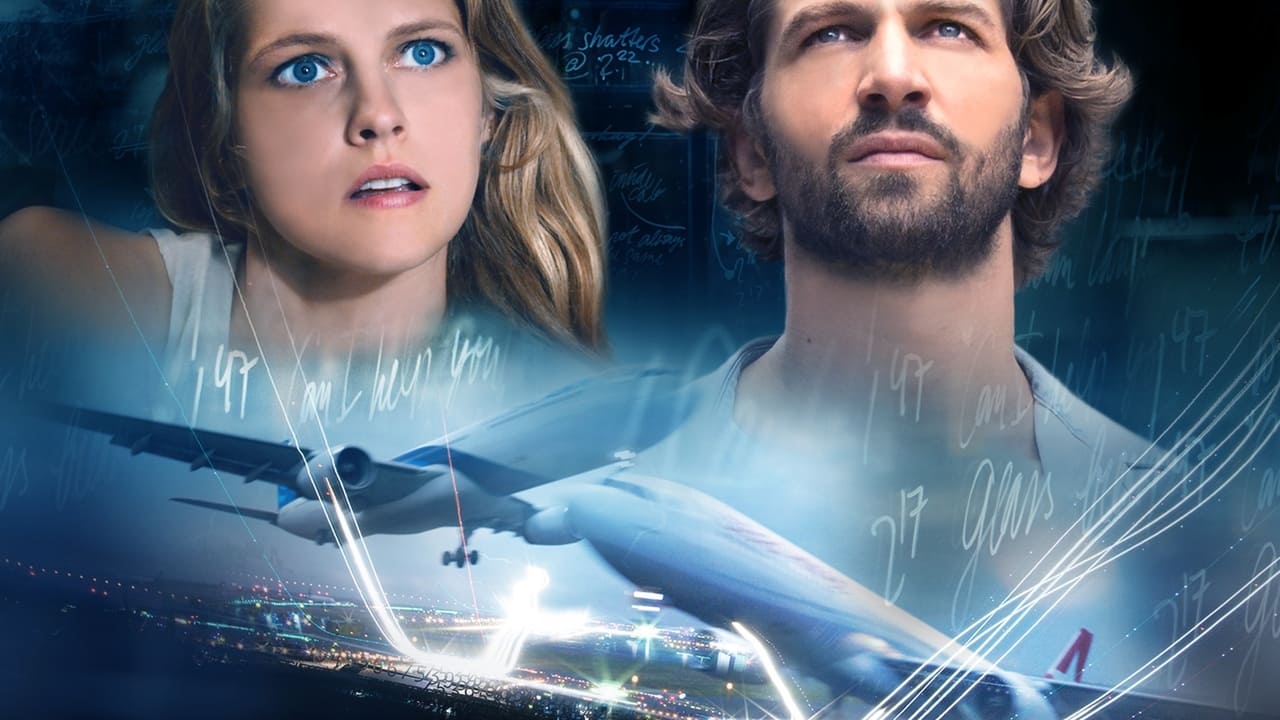
Why is 2:22 a bit of a forgotten oddity? It’s a victim of the "Streaming Shift." Released in 2017, it arrived just as the mid-budget theatrical thriller was being cannibalized by platforms like Netflix and Hulu. It’s a "Premium VOD" title—a film that has the polish of a blockbuster but the soul of a cult mystery. It lacks the nostalgic safety net of an 80s throwback, and it doesn't have the franchise muscles to demand a decade of discourse.
Instead, it’s a film that engages with the modern anxiety of "synchronicity." In an era where algorithms predict what we want to eat and who we want to date, a movie about a man trying to outrun a predestined pattern feels oddly relevant. It’s basically reincarnation for people who find horoscopes too complicated.
The film struggles when it tries to explain its own mythology—getting bogged down in stars, cosmic alignments, and a double-homicide from thirty years ago that mirrors Dylan’s life. When it stays in the moment, focusing on the sheer sensory overload of the "pattern," it’s genuinely gripping. But when it starts shouting about "breaking the cycle," it edges dangerously close to Nicholas Cage thriller territory without the necessary insanity.
Patterns and Performances
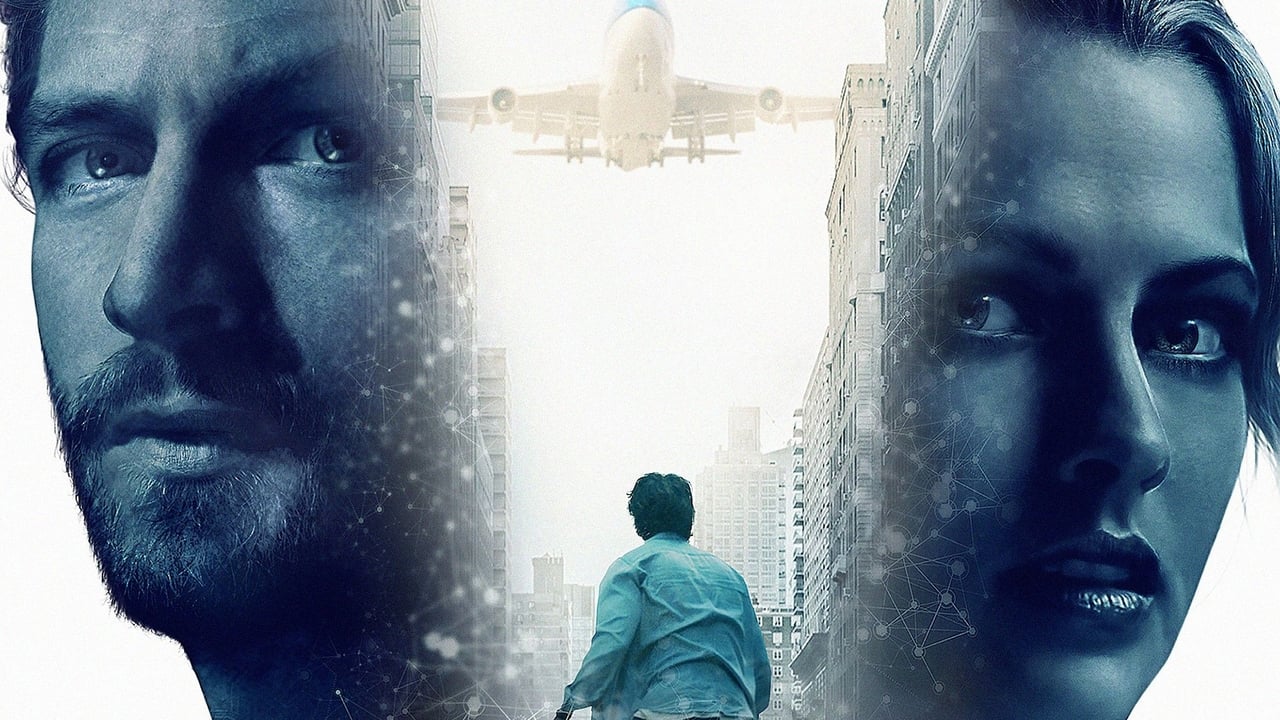
Michiel Huisman carries the weight well. He has a way of looking intensely at things—clocks, birds, reflections—that makes you believe he’s actually seeing the matrix. His chemistry with Teresa Palmer is the film’s anchor. Without their genuine connection, the whole thing would feel like a hollow exercise in style. Sam Reid as Jonas is effectively creepy, playing the "third wheel" with a looming, artistic pretension that adds a nice layer of mystery to the "will-they-won't-they-die" stakes.
Interestingly, the film’s score by Lisa Gerrard (who famously collaborated on Gladiator) and James Orr is a highlight. It provides a pulsating, ethereal heartbeat to the ticking-clock tension. It’s a reminder that even "minor" sci-fi films from this era often had top-tier talent behind the camera.
Ultimately, 2:22 is a slick, enjoyable puzzle that is about 20% smarter than it actually needs to be. It doesn't reinvent the wheel, but it polishes the wheel until you can see your reflection in it. It’s the perfect "5-minute test" winner—it grabs you immediately with a high-stakes hook and keeps you watching through sheer visual momentum. If you’re a fan of "destiny" thrillers like The Adjustment Bureau or the rhythmic editing of Pi, this is a forgotten hour-and-a-half that’s well worth the discovery. Just don't blame me if you start staring at your watch a little too closely tomorrow afternoon.

Keep Exploring...
-
The Discovery
2017
-
Anon
2018
-
Mute
2018
-
Color Out of Space
2020
-
Z for Zachariah
2015
-
Rebecca
2020
-
Equals
2015
-
Hypnotic
2023
-
Circle
2015
-
The Vast of Night
2019
-

Don't Worry Darling
2022
-
Vivarium
2019
-
Regression
2015
-
Secret in Their Eyes
2015
-
Survivor
2015
-
Morgan
2016
-
Spectral
2016
-
Crooked House
2017
-
Suburbicon
2017
-
You Get Me
2017