A Bag of Marbles
"The smallest stakes can cost you everything."
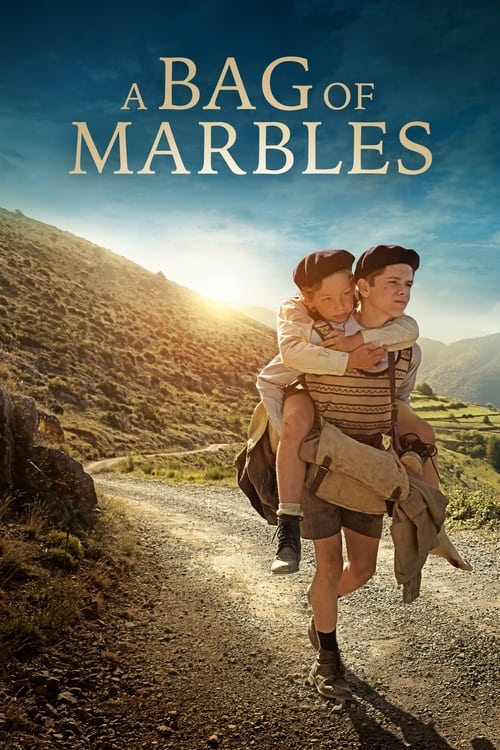
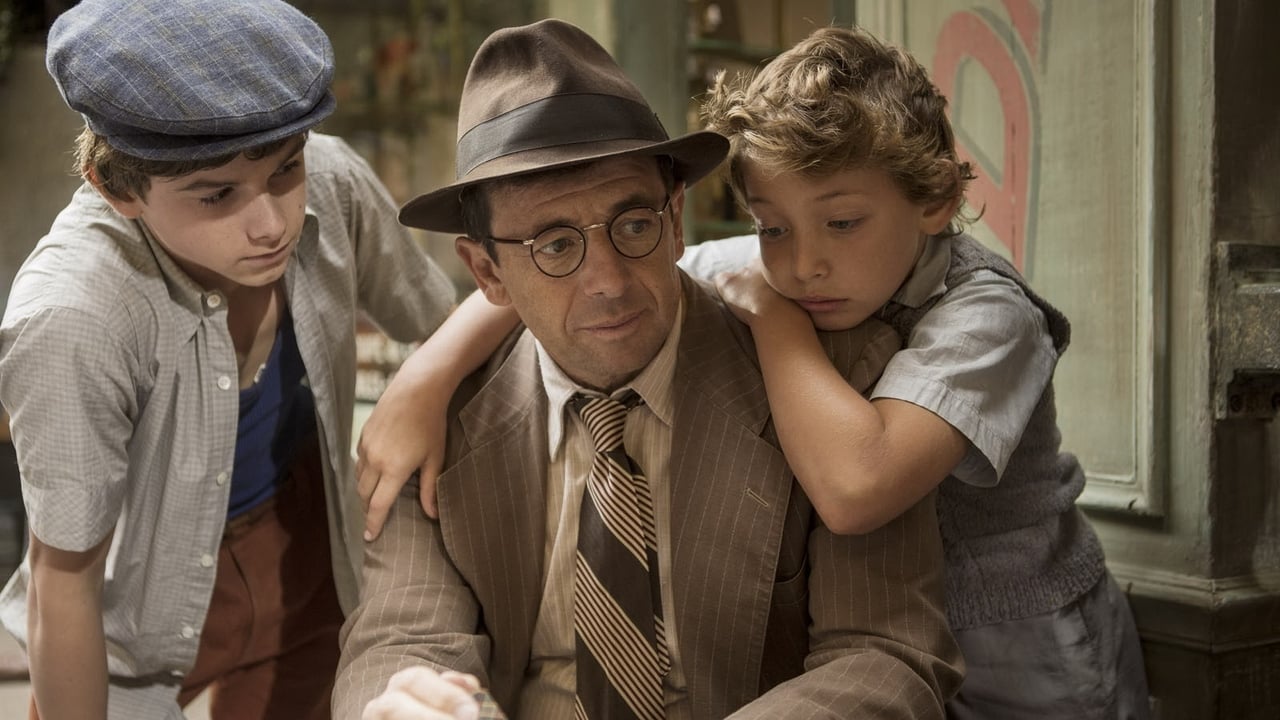
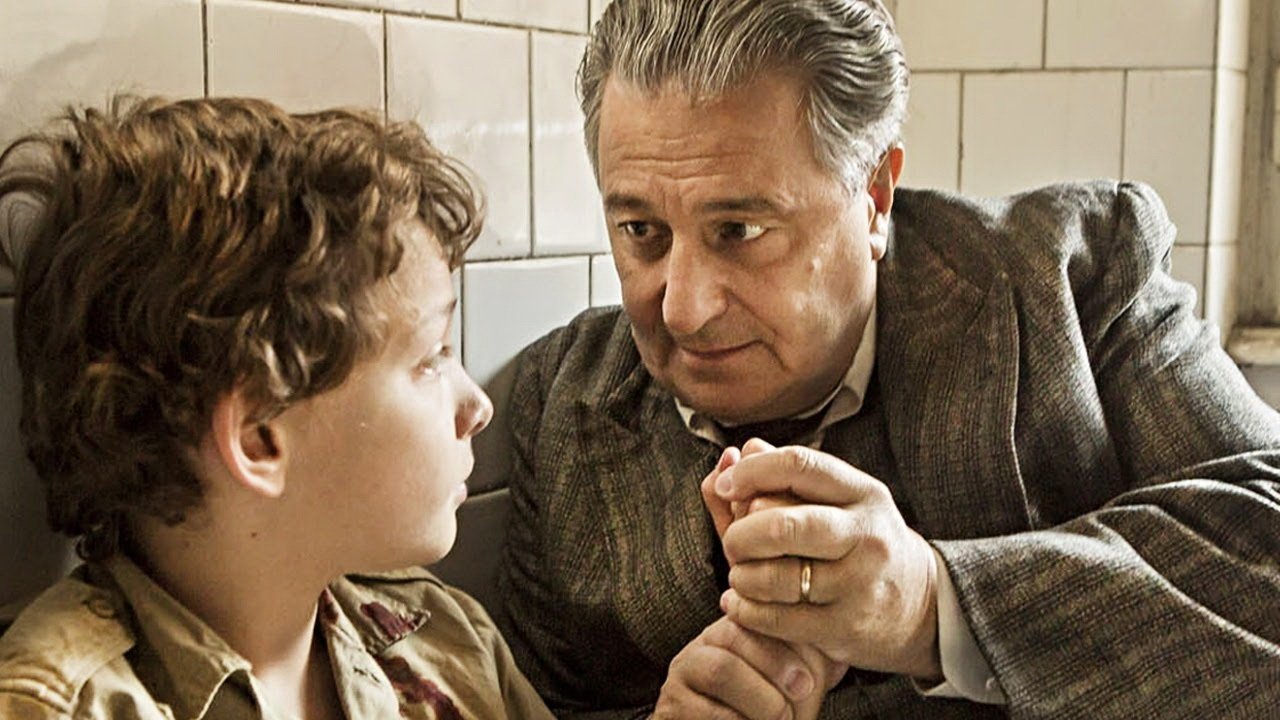
The most haunting image in Christian Duguay’s 2017 adaptation of A Bag of Marbles isn't a battlefield or a bombed-out ruin; it’s a simple, stinging slap across the face. Patrick Bruel, playing the patriarch Roman Joffo, strikes his youngest son, Joseph, for admitting he is Jewish. It’s a training exercise in survival—a lesson that, in 1941 France, the truth is a death sentence. Watching this, I found myself clutching my coffee mug so hard I thought the ceramic might crack. I was watching it in my living room on a Tuesday where the radiator was clanking like a percussion section, but that domestic noise faded the moment those boys started running.
The Weight of a Modern Retelling
In an era where our screens are saturated with franchise fatigue and $200 million spectacles, there’s a strange, quiet daring in returning to a story as grounded as Joseph Joffo’s memoirs. This isn't the first time this story has been told—Jacques Doillon tackled it in 1975—but Duguay’s version feels distinctly like a product of the late 2010s. It’s polished, high-budget ($21 million is a massive swing for a French drama), and carries a cinematic sheen that feels designed to bridge the gap between prestige "awards bait" and accessible streaming content.
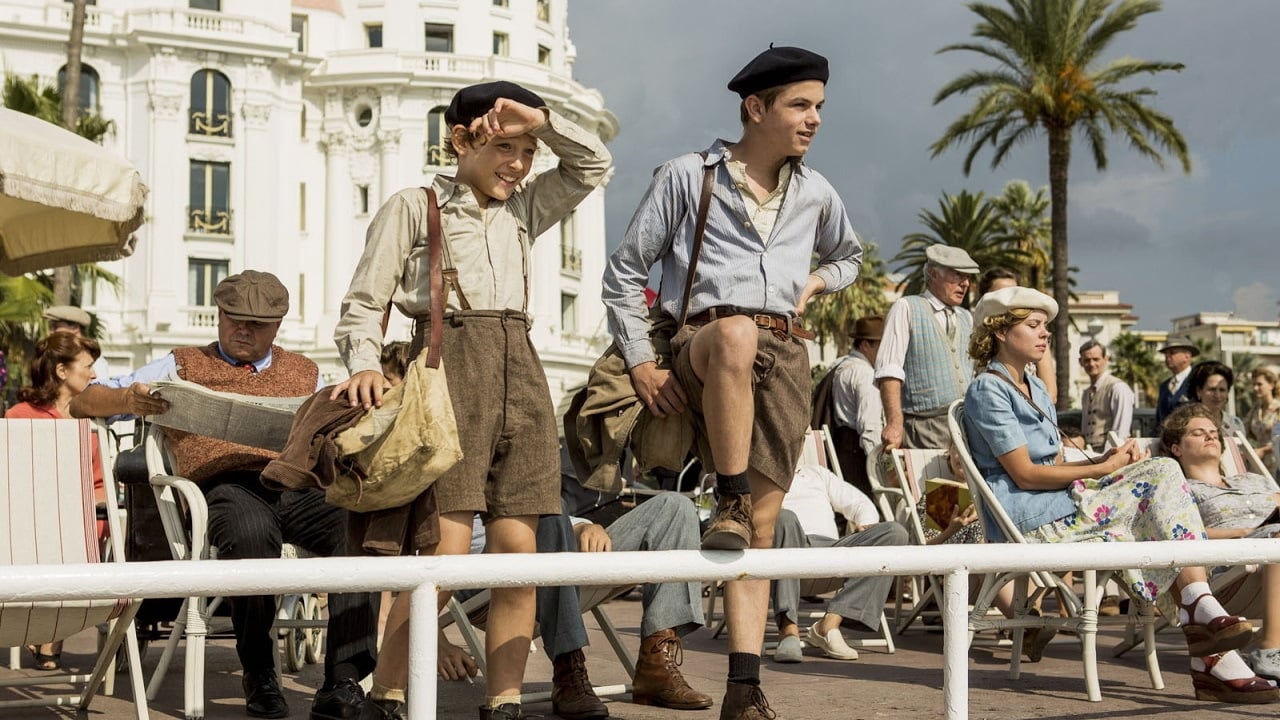
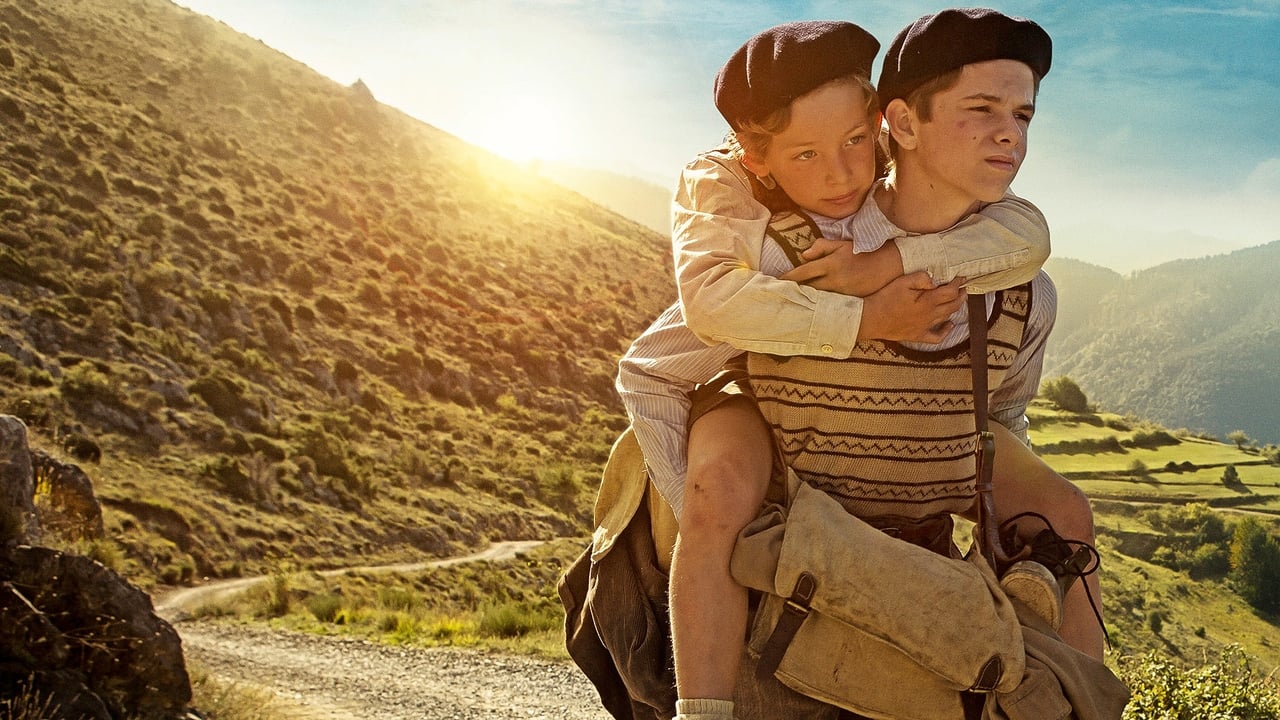
However, the film occupies a difficult space. Released in a decade where Europe was—and still is—re-examining its borders and its treatment of outsiders, A Bag of Marbles feels less like a history lesson and more like a mirror. It asks: what do we lose when we force children to grow up in a single afternoon? While some critics at the time found the cinematography almost too picturesque for such a grim subject, I’d argue that the beauty of the French countryside serves a purpose. It highlights the obscene contrast between the permanence of nature and the fragility of a ten-year-old boy in a flat cap.
Performances That Anchor the Storm
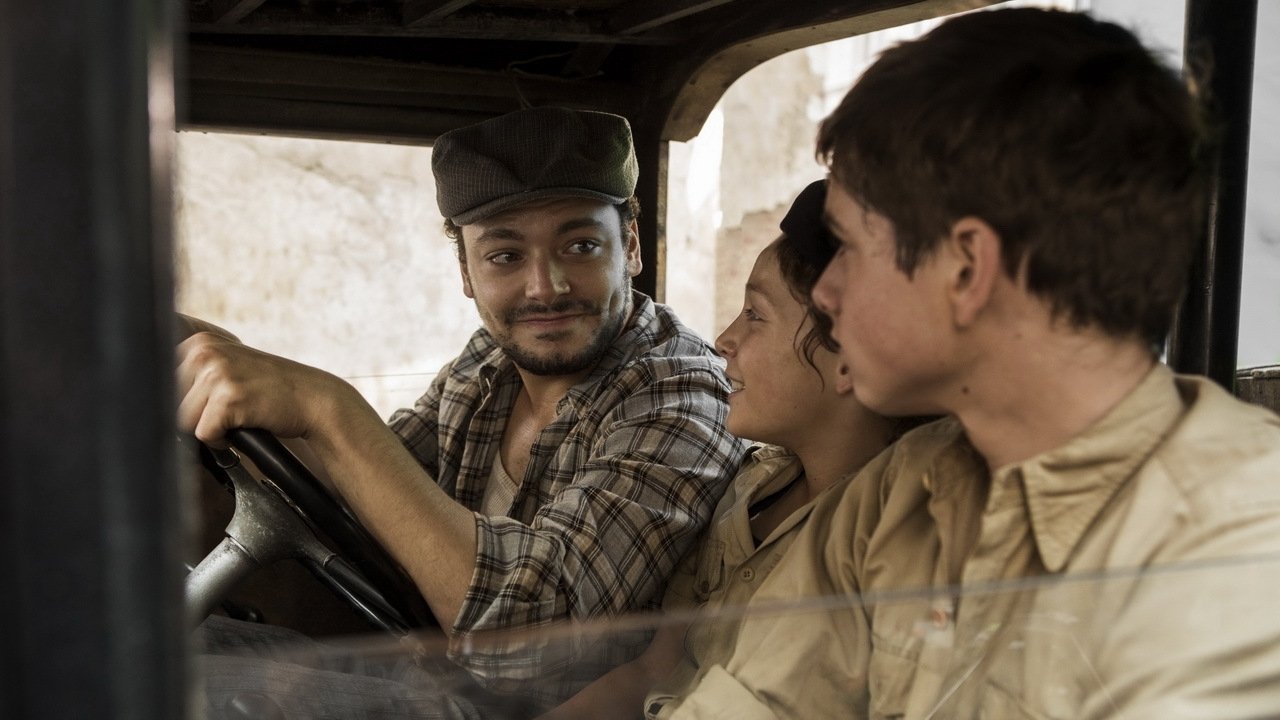
The film lives or dies on the shoulders of its young leads, and Dorian Le Clech (as Joseph) and Batyste Fleurial (as Maurice) are nothing short of a revelation. Their chemistry doesn't feel like "child acting"; it feels like the weary, telepathic bond of two people who have seen the world's mask slip. Dorian Le Clech has these wide, expressive eyes that seem to absorb the trauma of the occupation in real-time. The way he transitions from a kid playing with glass marbles to a smuggler of human lives is terrifyingly seamless.
Then there’s the supporting cast. Patrick Bruel (known for The Secret) and Elsa Zylberstein provide a warm, aching center as the parents, but it’s the smaller cameos that stick. Christian Clavier, whom I usually associate with broad French comedies like Les Visiteurs, shows up as a doctor who provides a moment of tense, life-saving deception. It’s a brief role, but it underscores the film's obsession with the kindness of strangers—and how rare that kindness was.
A High-Stakes Disappearance
Despite the pedigree and the power of the performances, A Bag of Marbles didn't exactly set the global box office on fire, pulling in about half of its budget. It’s one of those films that seems destined to be "discovered" on a streaming platform on a rainy Sunday rather than celebrated in a crowded theater. Why did it vanish so quickly? Perhaps it’s because we are in a period of "WWII fatigue," or perhaps the film’s traditional narrative structure felt too old-fashioned for a social-media-driven audience looking for the next subversion of the genre.
Interestingly, the production was a massive undertaking, filming across France and the Czech Republic to capture that specific 1940s texture. The screenplay, co-written by Duguay and Benoît Guichard, takes some liberties with the timeline of Joffo's book to keep the pacing tight, which might irritate historians but works for the "5-minute test" of modern attention spans. It’s a film that moves with the urgency of a thriller, even when it’s stopping to breathe in the mountain air.
Why This Lost Gem Matters Now
I’ve seen plenty of war dramas that rely on the "misery porn" of the era, but Duguay avoids that trap by focusing on the ingenuity of the boys. They aren't just victims; they are tacticians. There is a sequence involving a train ride and a priest that is as tense as any modern spy thriller. It’s a reminder that for Joseph and Maurice, the war wasn't a map of troop movements; it was a series of quick-thinking lies and a desperate hope that the person sitting across from them wasn't a monster.
The film is almost too beautiful for its own good, like a postcard from a nightmare, and yet that polish is what makes it palatable for a modern audience who might otherwise look away from the darkness. It’s a "safe" way to engage with an "unsafe" history, but the emotional core remains jagged and raw. It’s a film about the end of childhood, and that is a story that never loses its relevance, no matter how many franchises are vying for our attention.
A Bag of Marbles is a beautifully shot, expertly acted piece of contemporary French cinema that deserves a second life on your watchlist. It doesn't reinvent the wheel of the Holocaust drama, but it greases the axles with genuine heart and a pair of powerhouse performances from its young stars. If you’ve got two hours and a heart that hasn't been completely hardened by the 24-hour news cycle, give this one a look. Just don't expect to come out the other side without wanting to call your family.
Keep Exploring...
-
Beasts of No Nation
2015
-
Eye in the Sky
2015
-

Land of Mine
2015
-

Suite Française
2015
-
See You Up There
2017
-

The Zookeeper's Wife
2017
-

Т-34
2018
-
The Siege of Jadotville
2016
-

The Breadwinner
2017
-
Emancipation
2022
-
Hacksaw Ridge
2016
-
Jojo Rabbit
2019
-
All Quiet on the Western Front
2022
-
Tolkien
2019
-

The Outpost
2020
-

Son of Saul
2015
-
13 Hours: The Secret Soldiers of Benghazi
2016
-
Dunkirk
2017
-
War for the Planet of the Apes
2017
-
1917
2019