A Cure for Wellness
"The water is fine. You are not."
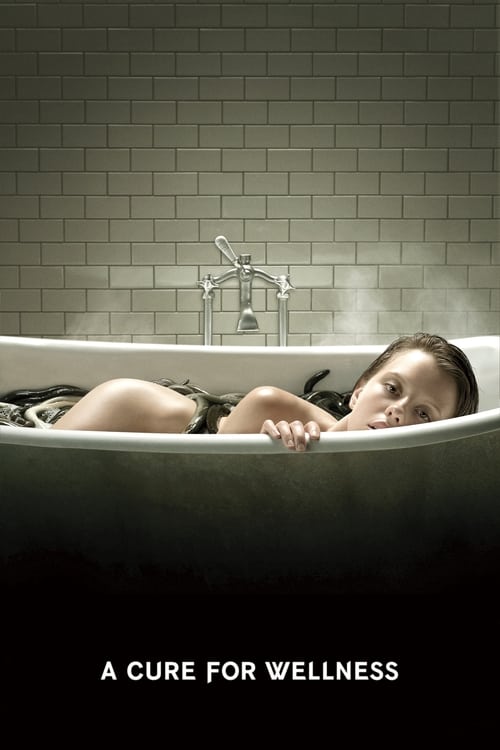
I watched A Cure for Wellness on my laptop while my roommate was in the kitchen loudly blending a kale-and-ginger smoothie. The irony wasn’t lost on me. As Gore Verbinski’s camera glided over the pristine, sterile surfaces of a Swiss spa, the rhythmic thrum of the blender felt like a meta-commentary on our modern obsession with "purification." But by the time the film reached its bat-sh*t insane final act, I realized that no amount of kale was going to scrub the image of those eels out of my brain.
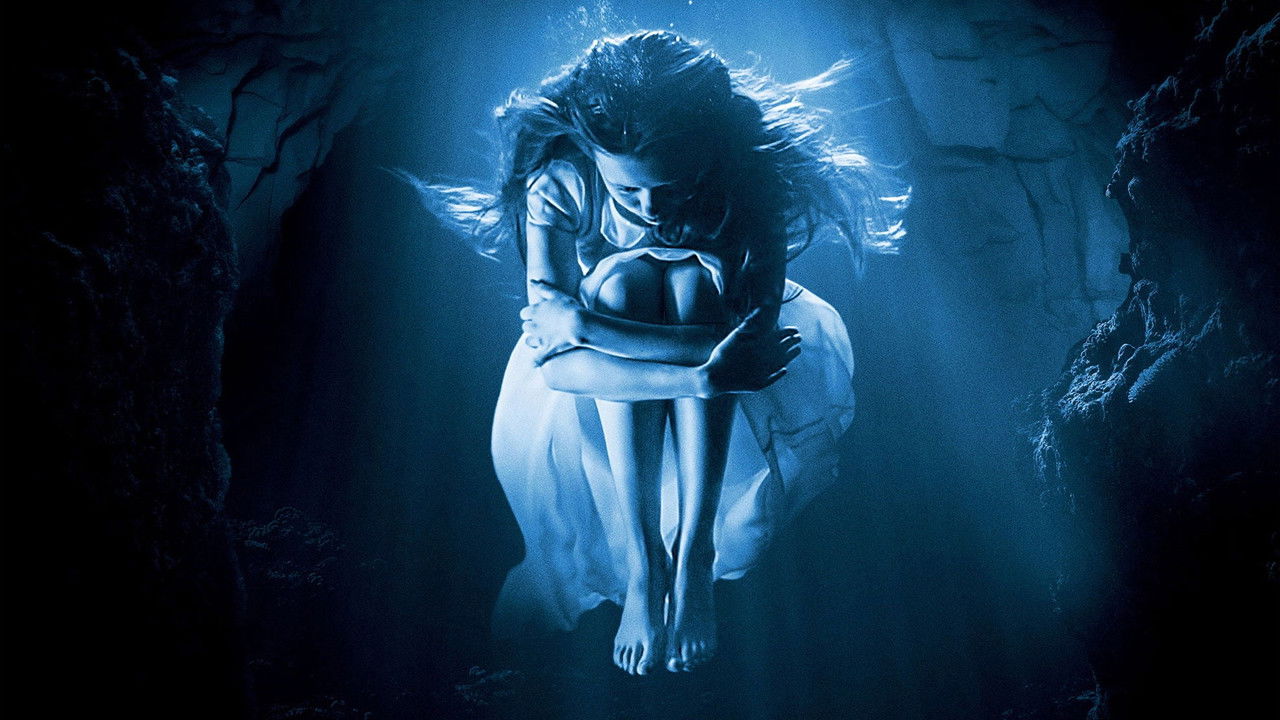
Released in 2017, a year dominated by the polished machinery of the MCU’s Guardians of the Galaxy Vol. 2 and the legacy-sequel nostalgia of Star Wars: The Last Jedi, this film felt like a glitch in the Matrix. It’s a $40 million, R-rated, two-and-a-half-hour original Gothic horror movie that looks like a trillion bucks and behaves like a fever dream. It’s the kind of big-studio swing we rarely see anymore—a beautiful, bloated, and deeply weird artifact of a director being given a blank check and using it to buy a very expensive, very haunted castle.
The Gothic Corporate Nightmare
The story follows Lockhart, played by Dane DeHaan with a twitchy, caffeine-withdrawal energy that I found deeply relatable. He’s a young, "climb the ladder at any cost" executive sent to the Swiss Alps to retrieve his company's CEO from a mysterious wellness center. The CEO has sent a rambling letter about "the sickness of the modern world," which, let's be honest, sounds like every LinkedIn influencer's morning manifesto.
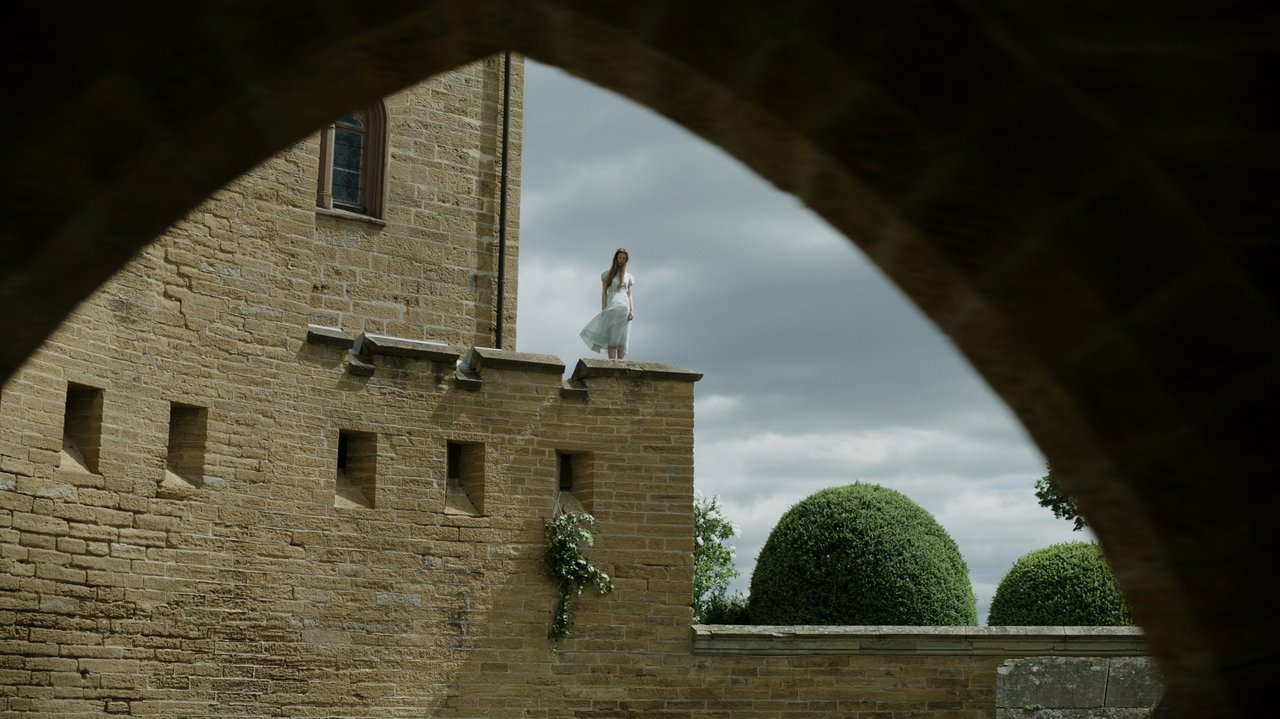
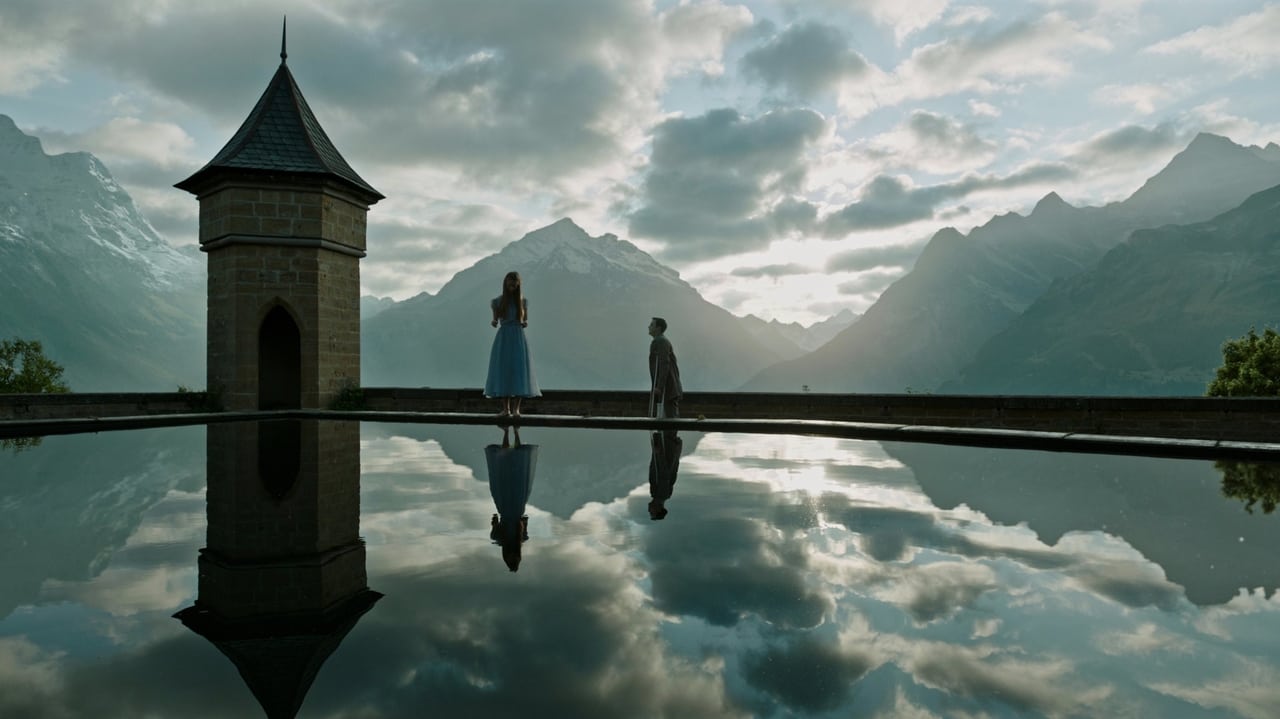
Once Lockhart arrives at the sanitarium—filmed at the stunning Hohenzollern Castle in Germany—the film settles into a groove of architectural porn and creeping dread. Bojan Bazelli, the cinematographer who also worked with Verbinski on The Ring, shoots everything through a sickly, pale-green filter. It’s gorgeous, but it makes you feel like you’re looking at the world through a thin layer of pond scum.
The center is run by Volmer, played by Jason Isaacs (The OA, Harry Potter). Isaacs is the king of the "charming man who is definitely hiding a dungeon" archetype, and he plays Volmer with a terrifyingly calm paternalism. He’s the guy who tells you that your teeth are falling out for your own good. Along for the ride is Mia Goth as Hannah, a "special case" at the clinic. Long before she became a horror icon in X and Pearl, Goth was already perfecting that ethereal, "is she five or fifty?" vibe that makes her every scene feel slightly off-kilter.
Eels, Teeth, and Practical Dread

If you have a phobia of dentists or small, slimy creatures, this movie is your personal Everest. The dentistry scene in this film is a crime against humanity, and I mean that as a compliment. Apparently, during test screenings, people were actually walking out during the dental sequence. It’s a masterclass in making the audience squirm without relying on cheap jump scares. Instead, Verbinski leans into the sensory—the sound of the drill, the sight of the porcelain, the absolute helplessness of being strapped into a chair.
Speaking of squirming: the eels. They are everywhere. They’re in the water, they’re in the pipes, they’re in places eels shouldn't be. While there is certainly CGI involved, the production used a surprising amount of practical effects and real locations to ground the madness. Dane DeHaan reportedly spent a grueling amount of time in a sensory deprivation tank for certain scenes, and you can see the genuine exhaustion in his performance.
Interestingly, the film’s marketing was just as weird as its plot. The studio actually created several fake news websites (like "The Sacramento Dispatch") to spread "alternative facts" and hoaxes that linked back to the film's themes. In the 2017 political climate, this backfired spectacularly, with people accusing the film of capitalizing on the "fake news" crisis. It was a bold, if misguided, attempt to make the film feel like a real-world conspiracy.
A Beautiful Disaster
Why is this a cult classic? Because A Cure for Wellness refuses to be one thing. For the first ninety minutes, it’s a psychological thriller about corporate greed and gaslighting. Then, in the final act, it tosses the script out of a high Alpine window and becomes a full-blown Hammer Horror melodrama, complete with secret passages, masks, and family secrets that would make Mary Shelley blush.

The box office was unkind, with the film failing to even recoup its budget. In an era where audiences want predictable "elevated horror" or jump-scare franchises like The Conjuring, Verbinski’s 146-minute descent into madness was a hard sell. But that’s exactly why I love it. It’s a film that doesn't care about your time or your comfort. It’s indulgent, it’s too long, and it’s visually superior to almost every other horror film released in the last decade.
It captures a very specific 2010s anxiety—the feeling that our hustle culture is killing us, and that the "cures" being sold to us by the wealthy are just another form of consumption. It’s a film about being digested by a system that promises to save you.
Ultimately, A Cure for Wellness is the best-looking movie you’ll ever see that you might only want to watch once. It’s a towering achievement of production design and atmospheric tension that eventually trips over its own velvet robes in the finale. But in a landscape of safe, formulaic cinema, I’ll always take a beautiful, ambitious failure over a competent, boring success. Just maybe skip the smoothie while you watch it.
Keep Exploring...
-
Life
2017
-
Black Mirror: Bandersnatch
2018
-
Suspiria
2018
-

Color Out of Space
2020
-
Circle
2015
-
The Boy
2016
-

Underworld: Blood Wars
2016
-
It Comes at Night
2017
-

What Happened to Monday
2017
-
Annihilation
2018
-

Overlord
2018
-

The Cloverfield Paradox
2018
-

Brightburn
2019
-
Happy Death Day 2U
2019
-

Midsommar
2019
-

Escape Room: Tournament of Champions
2021
-
Fear Street: 1978
2021
-
Malignant
2021
-

Old
2021
-

Spiral: From the Book of Saw
2021