A Taxi Driver
"A fare to Gwangju is a ticket to history."
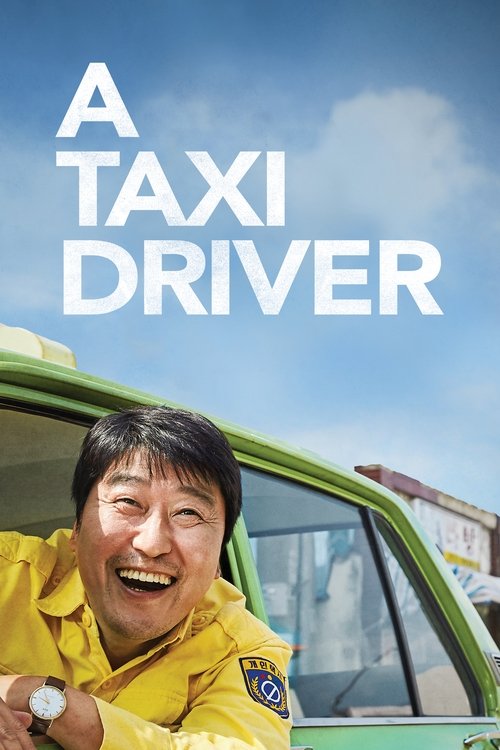
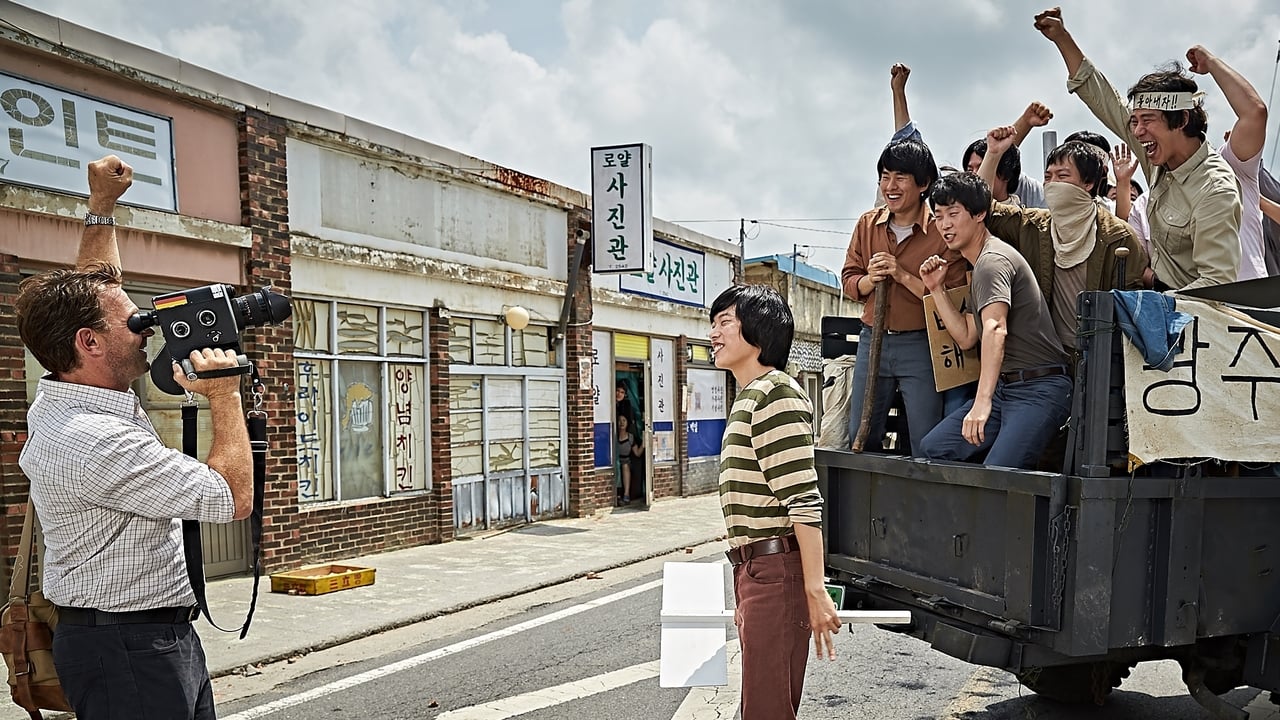
The first time we see Kim Man-seob’s face, he’s singing a breezy pop song behind the wheel of a beat-up green taxi, blissfully oblivious to the political storm clouds gathering over 1980s South Korea. He is the ultimate "mind my own business" protagonist. He cares about his young daughter, his mounting rent, and keeping his car’s upholstery clean. Watching Song Kang-ho (of Parasite and Memories of Murder fame) inhabit this role is like watching a masterclass in the "Ordinary Joe"—a man whose moral compass is currently pointed directly at his wallet.
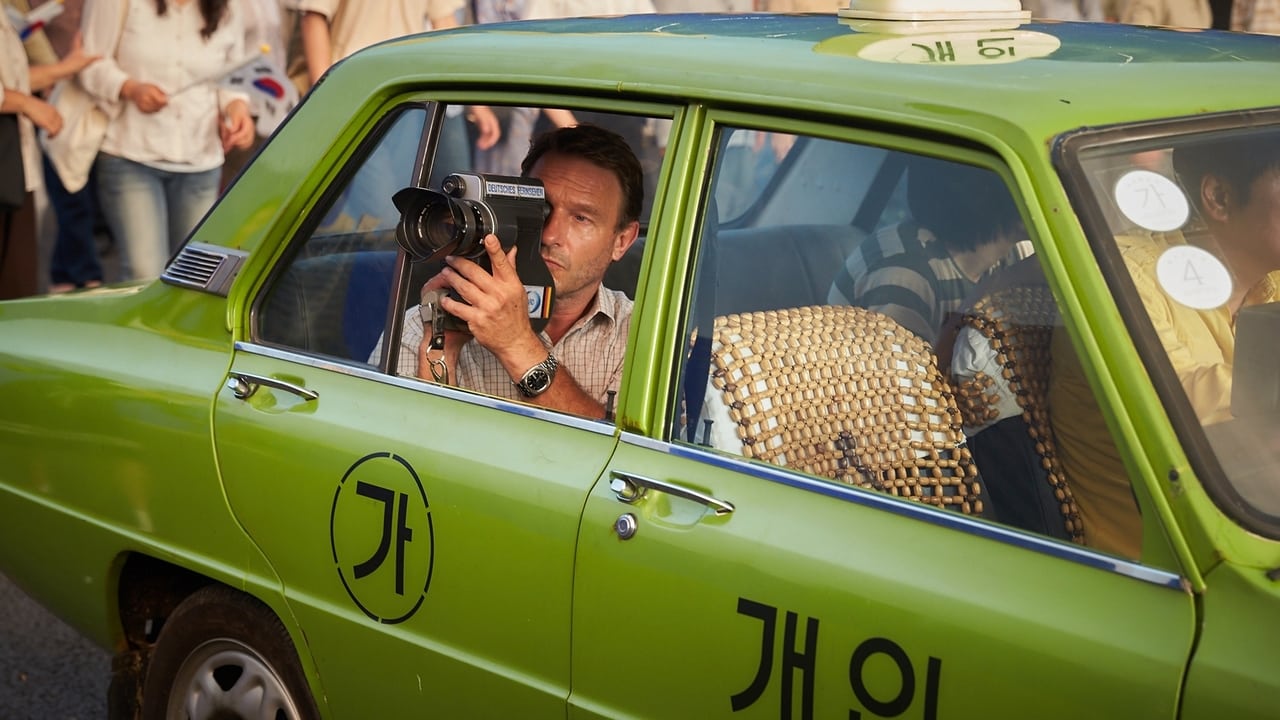
I watched this film on a Tuesday evening while my neighbor was power-washing his driveway, and the rhythmic thrum of the water weirdly synced up with the idling engine of Man-seob’s taxi. It grounded me in the film’s deceptive simplicity. Directed by Jang Hoon (The Front Line), A Taxi Driver starts as a lighthearted "fish out of water" comedy and slowly, agonizingly, downshifts into a harrowing historical drama that feels uncomfortably relevant in our current era of citizen journalism and political polarization.
The High Stakes of a 100,000 Won Fare
The premise is a classic hustle. Man-seob overhears another driver talking about a "big money" gig: a foreigner needs to go to Gwangju and back before the curfew. Man-seob poaches the client—German journalist Jürgen Hinzpeter (Thomas Kretschmann, whom you’ll recognize from The Pianist or King Kong)—expecting a payday that will solve all his financial woes.
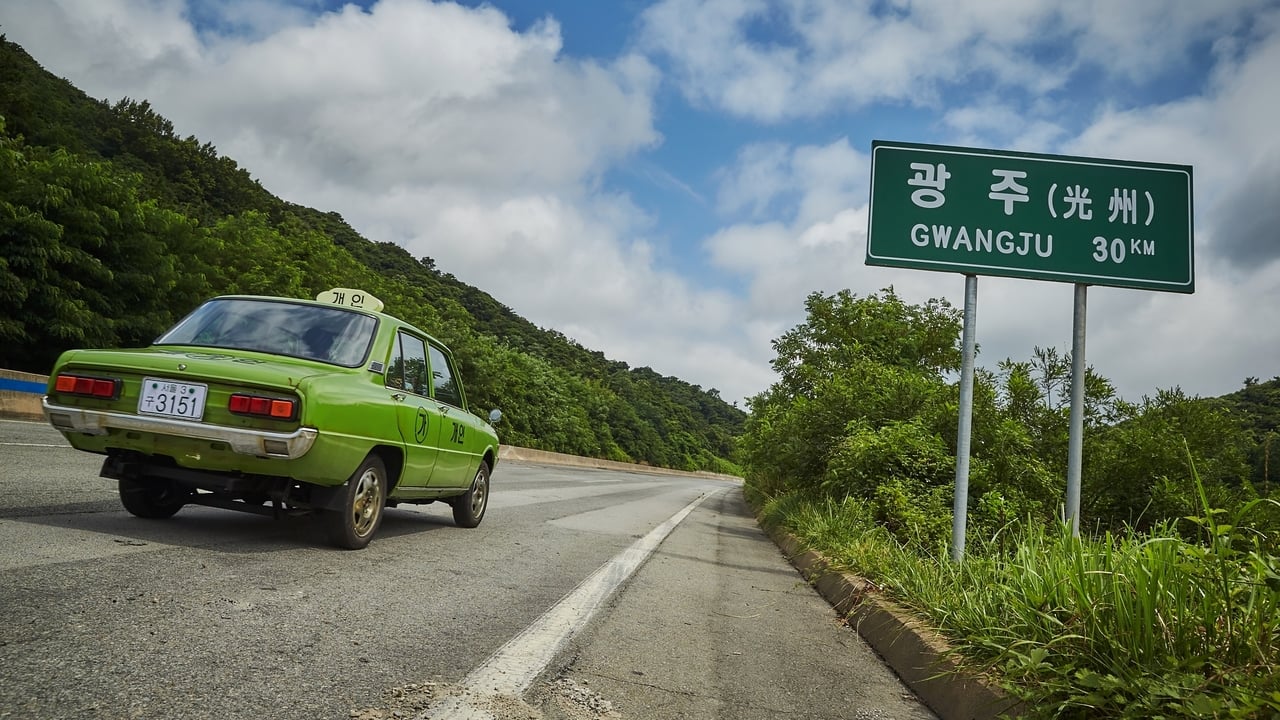
What he doesn't know is that Gwangju is under a total military blockade. The students are protesting, the paratroopers are shooting, and the government has cut the phone lines to ensure the rest of the world stays in the dark. Song Kang-ho plays the gradual realization of this horror with an incredible, subtle shift in body language. He starts the journey annoyed by the "troublemaking" students and ends it as a man who can no longer look away. If you think you’ve seen every ‘reluctant hero’ arc in cinema, Song Kang-ho is here to make you feel like you’re seeing it for the first time.
Practical Chaos and Tactile Action
While the film is deeply philosophical about the nature of witnessing, it doesn't skimp on the adrenaline. The action choreography here isn't the slick, CGI-drenched spectacle of the MCU; it’s messy, terrifying, and grounded in physics. When the taxis eventually have to square off against military vehicles, the "action" feels like a desperate scramble for survival.

There is a sequence involving a taxi-on-taxi escort through a mountain pass that is essentially 'Mad Max' with more tears and fewer spikes. The way Jang Hoon uses these flimsy, 1980s sedans as shields against oppression is genuinely moving. You feel every dent in the metal and every shattered windshield. The stunt work emphasizes the vulnerability of the drivers—they aren't soldiers; they are just men with cars who decided that some things are more important than a clean driving record.
The supporting cast adds layers to the tragedy. Yoo Hai-jin (Veteran) is wonderful as a local Gwangju taxi driver who represents the hospitality and resilience of the city, while Ryu Jun-yeol (The King) plays a student translator who provides the film’s most heartbreaking emotional beat.
A Story That Matters Now
In a contemporary landscape where we are bombarded with "fake news" accusations and blurred lines between activism and propaganda, A Taxi Driver feels like a necessary anchor. It asks a difficult question: What is the cost of the truth? For Hinzpeter, it’s a career-defining scoop. For Man-seob, it’s the risk of leaving his daughter an orphan.
The film handles its "Based on True Events" tag with more grace than most Hollywood biopics. It’s based on the real-life German reporter who smuggled footage of the Gwangju Massacre out of the country, but for decades, the identity of his driver remained a mystery. This "untold" quality gives the film a sense of mystery and urgency. It isn't just a history lesson; it’s an exploration of the anonymous people who make history possible.
Stuff You Didn't Notice
Interestingly, the real Jürgen Hinzpeter spent years searching for his driver, "Kim Sa-bok," after the events of 1980, but he passed away in 2016 without ever finding him. It wasn't until the film became a massive hit in South Korea that the real driver’s son came forward with photos, confirming his father’s identity. That layer of real-world closure makes the ending of the film hit even harder.
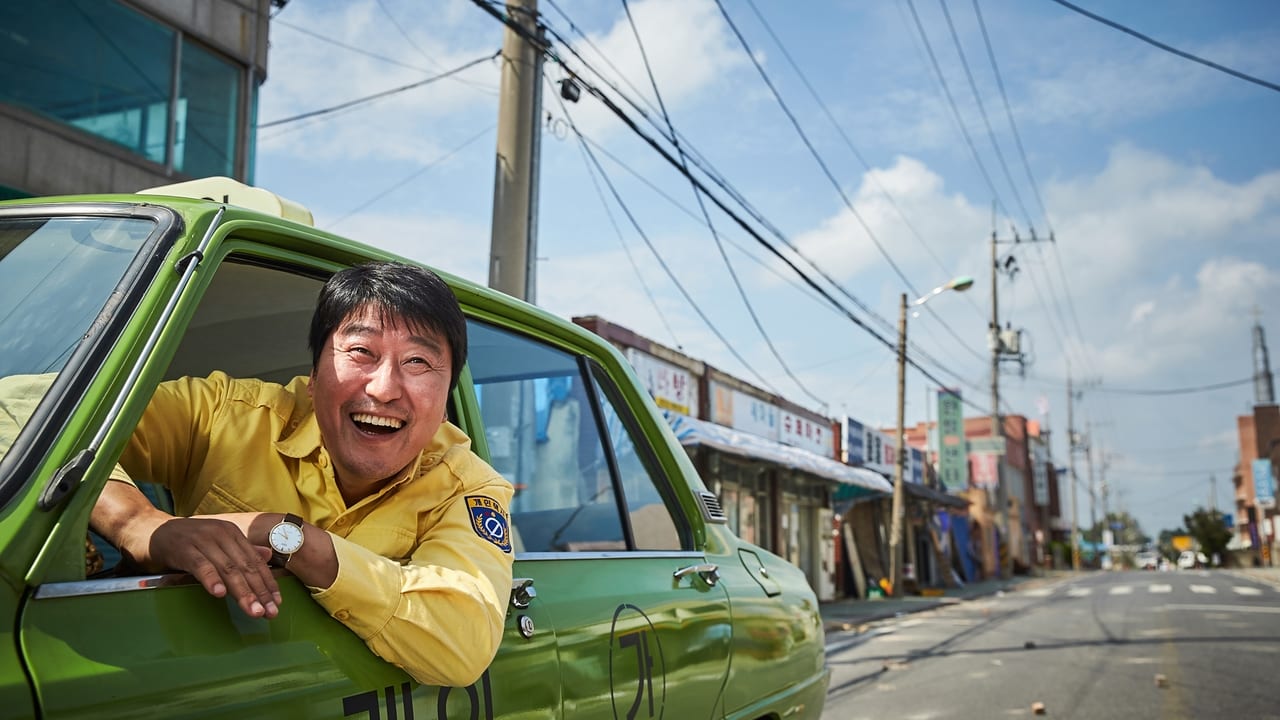
Also, for the car nerds out there, the production had to source vintage Kia Brisa taxis from all over Asia and even overseas to recreate the 1980s Seoul streets. That specific shade of "mustard-green" was meticulously color-matched to evoke a sense of nostalgia that eventually gets splattered with the reality of the uprising.
A Taxi Driver is that rare beast: a crowd-pleasing blockbuster that refuses to simplify a complex tragedy. It’s a film that earns its tears through character development rather than cheap manipulation. By the time the credits roll, you aren't just thinking about a historical event in South Korea; you’re thinking about the "taxi drivers" in your own life—the ordinary people who, when faced with the choice to run or stay, choose to stay. It’s an essential watch for anyone who likes their action with a side of conscience.
Keep Exploring...
-
Т-34
2018
-
Hotel Mumbai
2019
-
Ford v Ferrari
2019
-
The Woman King
2022
-
Bāhubali: The Beginning
2015
-
Evangelion: 3.0+1.0 Thrice Upon a Time
2021
-
The Boy and the Beast
2015
-

Italian Race
2016
-
The Boy Who Harnessed the Wind
2019
-
RRR
2022
-

The Iron Claw
2023
-

I'm Still Here
2024
-
The Count of Monte Cristo
2024
-
Patriots Day
2016
-
Ran
1985
-
Spotlight
2015
-

Straight Outta Compton
2015
-

Loving Vincent
2017
-

Little Women
2019
-

Portrait of a Lady on Fire
2019