Aftermath
"Grief is a weight no hero can lift."
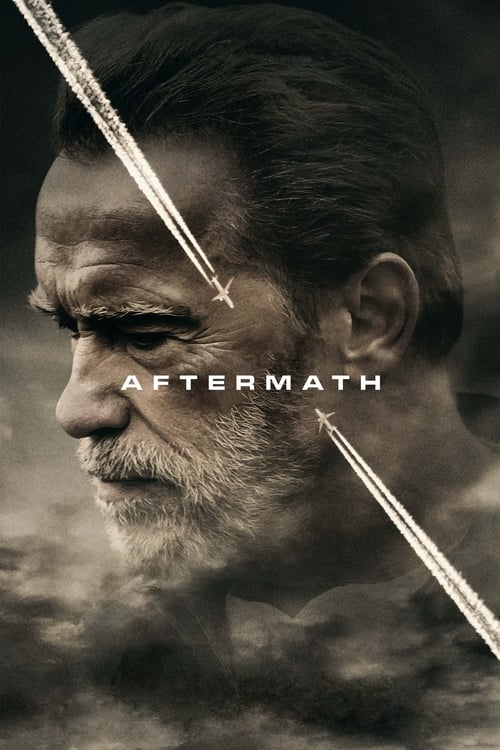
Most of us have a mental filing cabinet for Arnold Schwarzenegger. There’s the "I’ll be back" drawer, the "Get to the chopper" folder, and perhaps a dusty corner for his tenure as the "Governator." But there is a very slim, gray folder from 2017 that contains Aftermath, a film that asks a question no one was really prepared to answer: What happens when the world’s most indestructible man is finally, irrevocably broken?
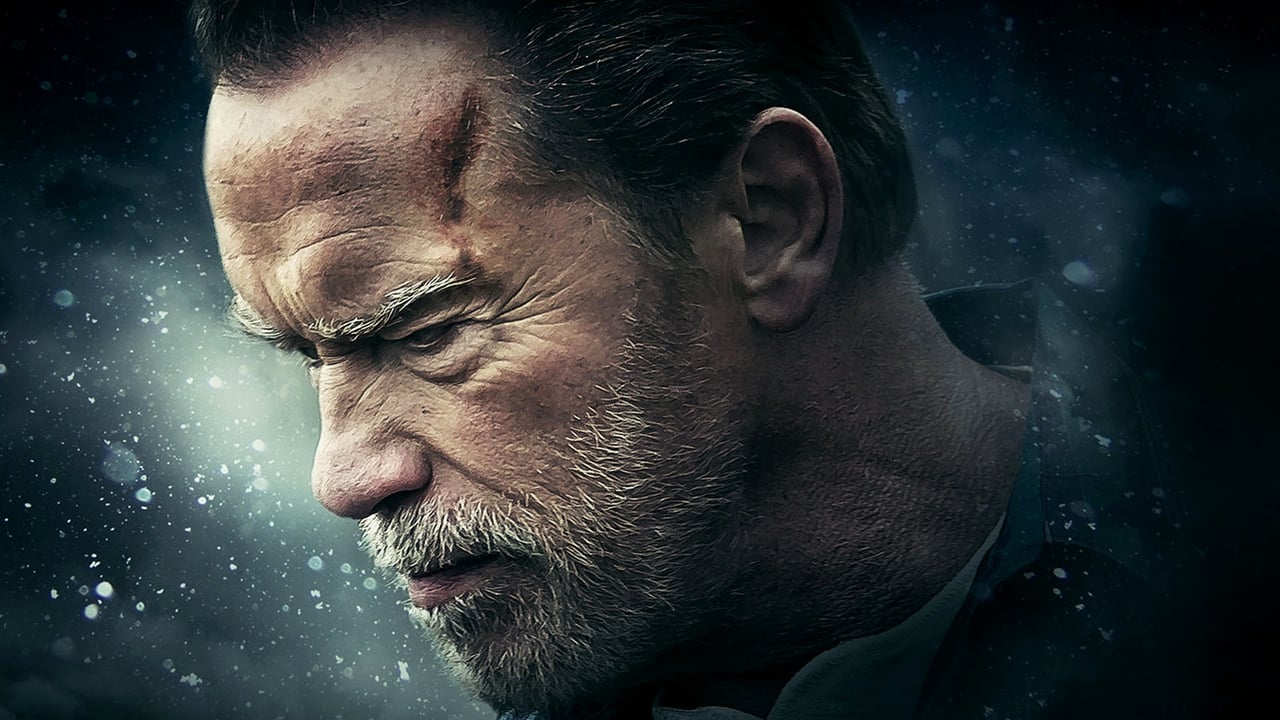
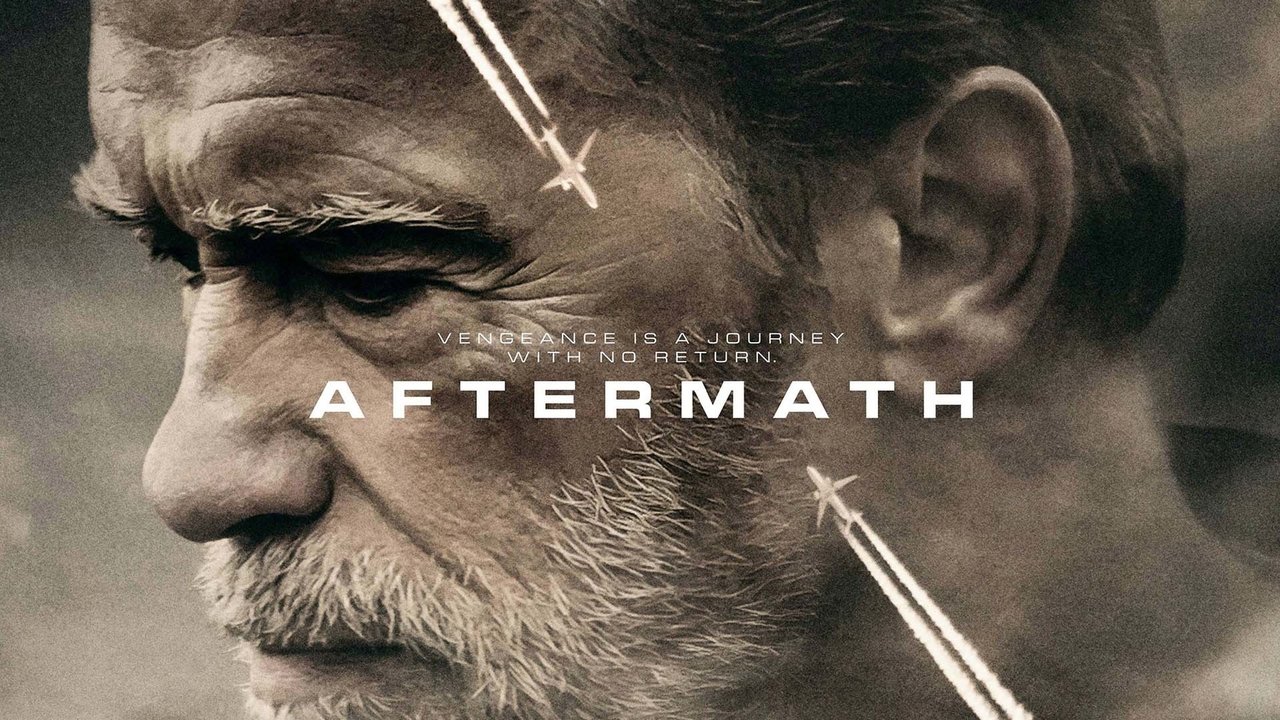
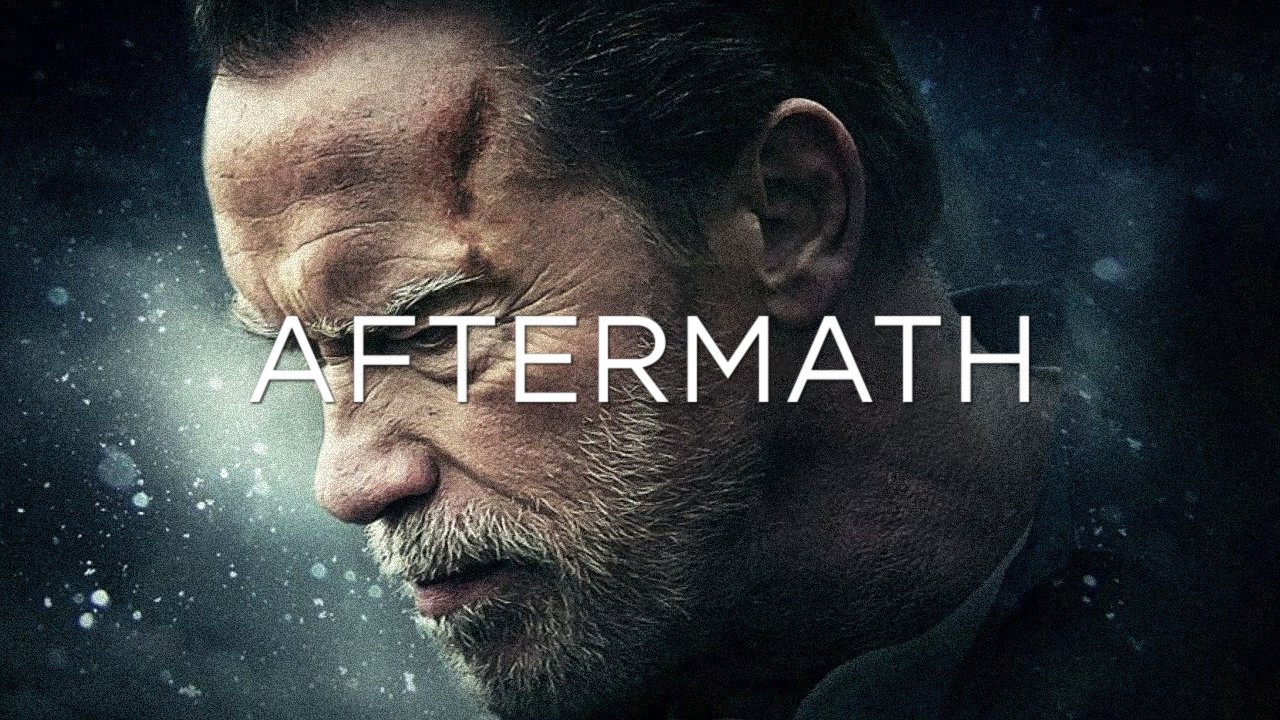
I watched this film on a Tuesday night while nursing a lukewarm cup of peppermint tea that I’d forgotten to actually steep—a fittingly bland and lukewarm accompaniment to a movie that thrives in the cold, quiet spaces of human misery. Aftermath isn’t the explosive revenge flick the posters promised; instead, it’s a somber, occasionally clunky character study that explores the collateral damage of a single mistake.
The Subversion of a Giant
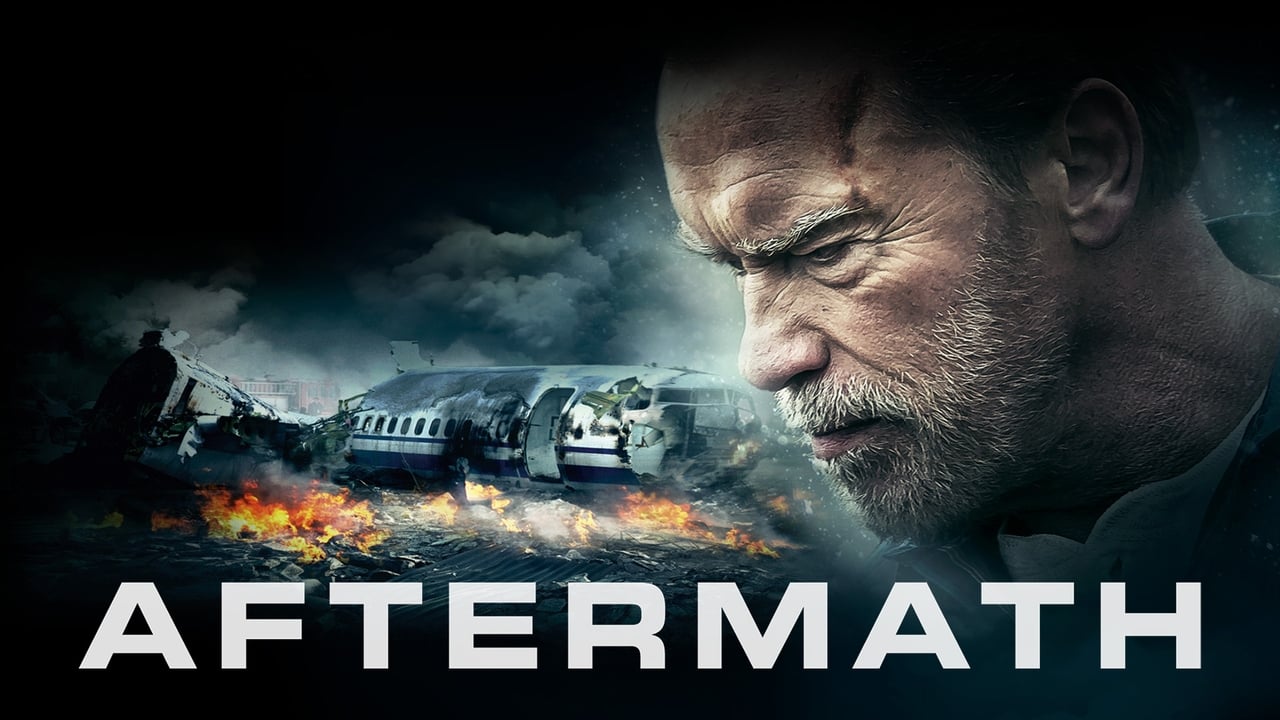
The film opens with Roman Melnyk (Arnold Schwarzenegger), a construction foreman, preparing for the arrival of his wife and pregnant daughter. When he arrives at the airport, he isn’t met with hugs, but with a hushed room and a man in a suit telling him there’s been an "incident." A mid-air collision has claimed everyone on board.
Seeing Arnold Schwarzenegger—a man whose entire cinematic legacy is built on agency and physical dominance—rendered completely helpless is genuinely jarring. Director Elliott Lester leans into this contrast. There are long, static shots of Roman sitting in his darkened house, surrounded by the physical artifacts of a life that no longer exists. Arnold’s performance is surprisingly internal. He trades his usual bravado for a hollowed-out, shell-shocked stare. It turns out that seeing the Terminator cry is more uncomfortable than watching him melt in a vat of steel.
A Tale of Two Ghosts
While Roman is the face of the tragedy, the heart of the film’s tension lies with Jacob "Jake" Bonanos, played by the perpetually underrated Scoot McNairy. Jake is the air traffic controller who was on duty during the accident. In a sequence that feels like a slow-motion car crash, we see the minute, mundane distractions—a malfunctioning phone line, a co-worker on break—that lead to the disaster.
Scoot McNairy is spectacular here. He looks like a man who is physically shrinking under the weight of his own skin. While Roman is fueled by a need for an apology, Jake is being erased by his own guilt. His marriage to Christina (Maggie Grace) begins to fray as he retreats into a catatonic state of PTSD. The film creates a fascinating, if depressing, symmetry between the two men: one is a ghost of the past, the other a ghost of the future.
The Marketing Misstep and the VOD Void
Aftermath arrived during a weird transitional period for mid-budget cinema. By 2017, the "theatrical middle" was collapsing, and films like this were being dumped onto VOD platforms with misleading marketing. The original tagline, "All he had left was revenge," was a blatant lie. It suggested a geriatric Taken or a high-altitude John Wick.
Because of this, the film largely vanished. It grossed less than a million dollars at the box office against a $10 million budget. People who wanted to see Arnold kick ass stayed away because they heard it was a "bummer," and people who liked indie dramas stayed away because they didn't think Arnold could pull off the pathos. Marketing this as an action-thriller was a cinematic hate crime.
However, looking at it now through the lens of Popcornizer’s contemporary retrospective, Aftermath feels like a brave, if imperfect, experiment. It’s based on the real-life Uberlingen mid-air collision and the subsequent murder of Peter Nielsen by Vitaly Kaloyev. By sticking relatively close to the grim reality of that story, screenwriter Javier Gullón avoids the easy catharsis of a typical Hollywood ending.
The Cracks in the Concrete
The film isn't without its faults. It struggles with its pacing in the middle act, and some of the secondary characters, like the airline lawyers played by Larry Sullivan and Jason McCune, feel like cardboard cutouts of "Corporate Evil." They exist only to deny Roman the emotional closure he seeks, which feels a bit heavy-handed.
There’s also the "Arnold Problem." As much as I appreciate his restraint, there are moments where his limited range as a dramatic actor is visible. He is excellent at being a "presence," but less effective during the more dialogue-heavy scenes. He’s a monument trying to act like a person. Yet, there is something deeply moving about his commitment to the role. He produced the film himself through his company, Protozoa Pictures, clearly seeing it as a way to transition into a new phase of his career.
Ultimately, Aftermath is a film about the impossibility of closure. It’s a "grief-core" drama that refuses to give you the satisfaction of a clean resolution. It’s worth seeking out if you’re in the mood for something that challenges your expectations of a legendary star, or if you simply want to see Scoot McNairy give another masterclass in being "the guy who is having the worst day ever."
It’s not a masterpiece, and it won't make you feel good, but it will make you think about the thin, fragile lines that hold our lives together. Just make sure your tea is properly steeped before you hit play.
Keep Exploring...
-

Luckiest Girl Alive
2022
-

Dark Places
2015
-
Heist
2015
-
The Wave
2015
-
Blood Father
2016
-
Gold
2016
-

Personal Shopper
2016
-
The Infiltrator
2016
-
Roman J. Israel, Esq.
2017
-
Suburbicon
2017
-
The Discovery
2017
-
Braven
2018
-
Operation Finale
2018
-
Replicas
2018
-

Thoroughbreds
2018
-
Motherless Brooklyn
2019
-
The Informer
2019
-
Rebecca
2020
-
Stillwater
2021
-
Crimes of the Future
2022