All the Money in the World
"The richest man in history. The lowest price for a life."
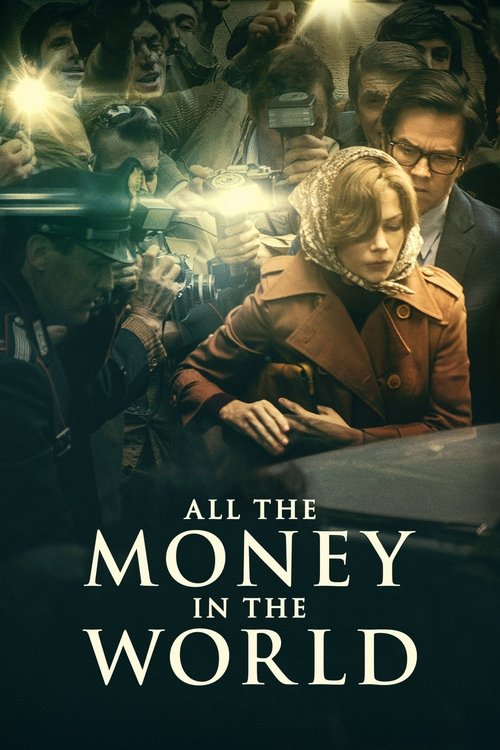
There is an audacity to Ridley Scott that borders on the superhuman, a trait most evident when he decided to fundamentally delete a lead actor from a finished film just six weeks before its premiere. In the late autumn of 2017, the #MeToo movement was shifting from a tremor to an earthquake, and Kevin Spacey—then starring as the billionaire J. Paul Getty—was at the center of it. Most directors would have pushed the release date or quietly buried the project on a streaming service. Scott simply called Christopher Plummer, flew to London, and reshot 22 scenes in nine days.
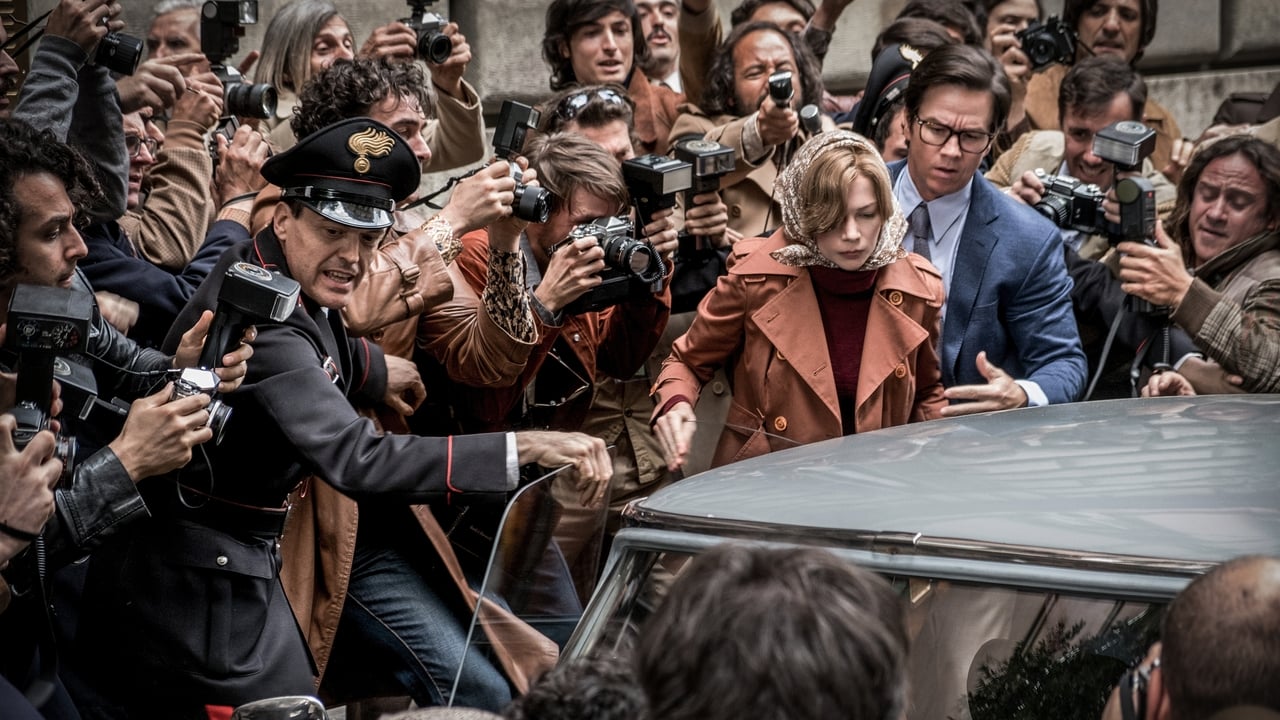
I watched this while nursing a slightly lukewarm cup of decaf and wearing a sweater that was about three sizes too big, which made me feel appropriately like a minor, neglected member of the Getty dynasty. Seeing the finished product, you’d never know it was the result of a frantic, $10 million emergency surgery. In fact, it’s hard to imagine the movie working any other way.
The Art of the Erasure
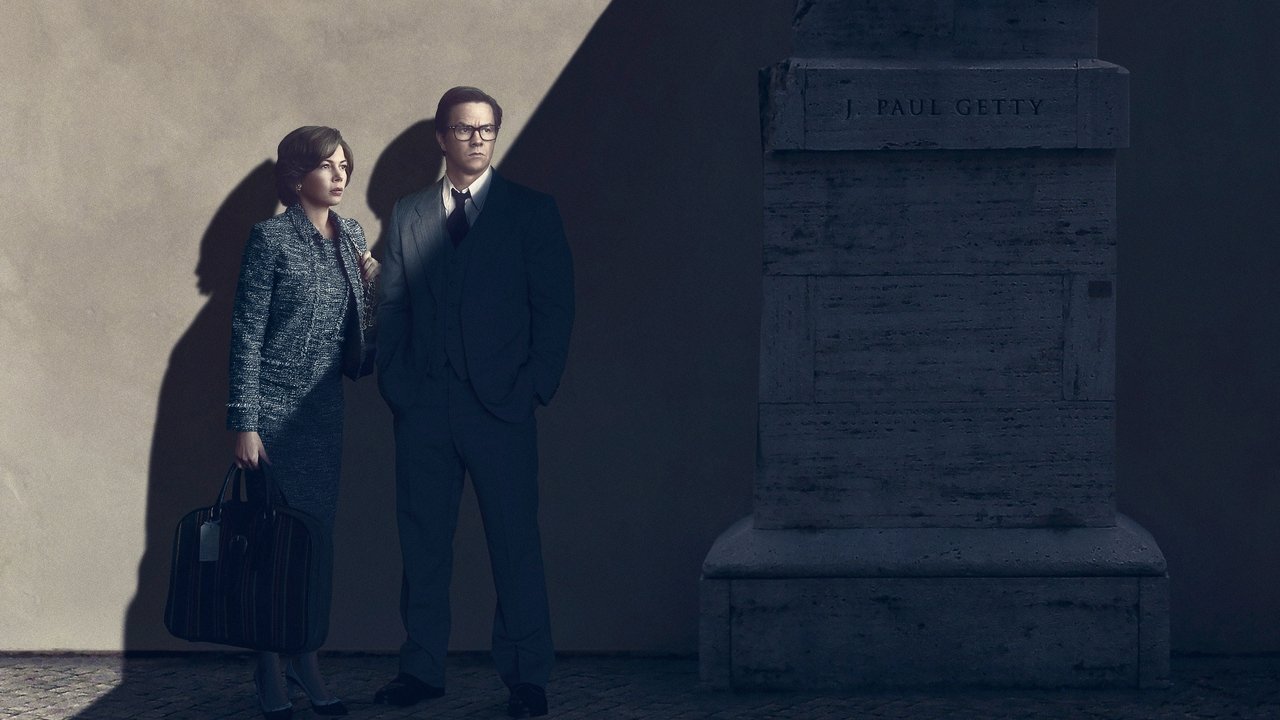
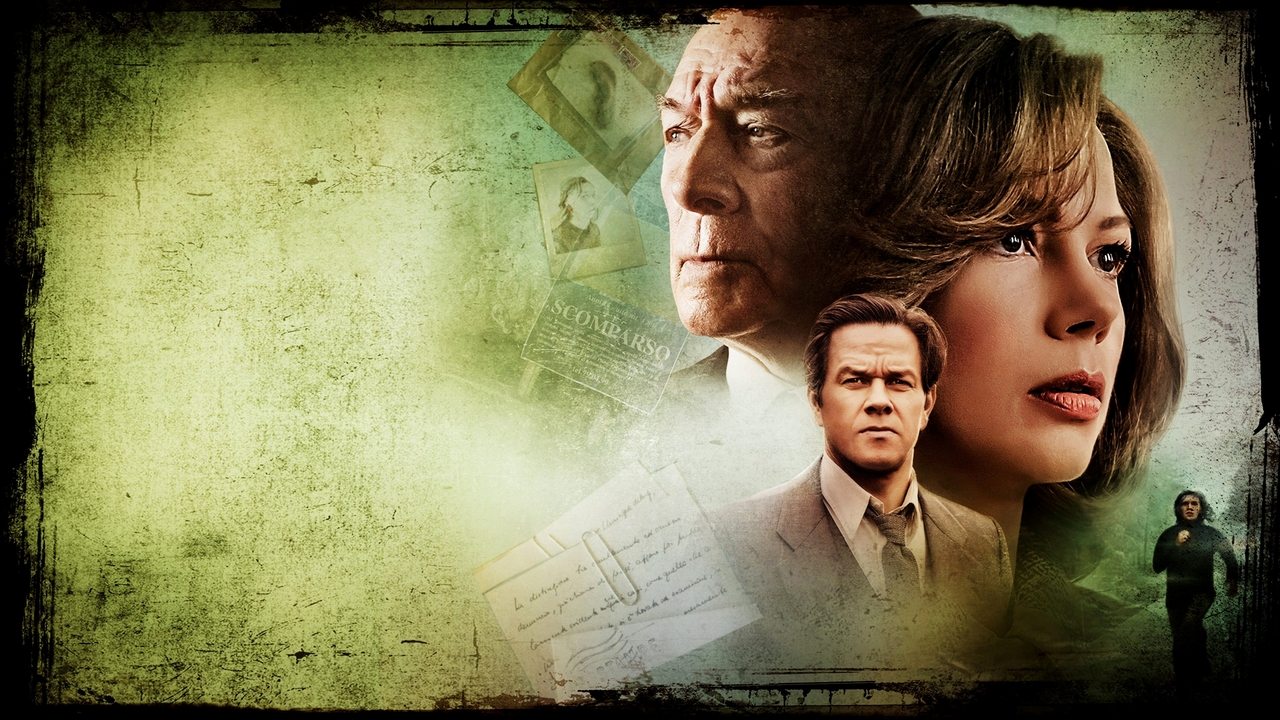
While the behind-the-scenes drama is what gives All the Money in the World its "contemporary legend" status, the film itself is a chilly, fascinating study of how extreme wealth acts as a solvent, dissolving empathy until only accounting remains. We follow the 1973 kidnapping of John Paul Getty III (Charlie Plummer—no relation to Christopher, though the shared surname is a fun bit of cosmic coincidence). The kidnappers want $17 million. The grandfather, J. Paul Getty, has billions. His response? A flat "no."
Christopher Plummer doesn't just play Getty; he haunts the film like a gargoyle made of old money and spite. It’s a performance of incredible nuance—he isn't a mustache-twirling villain, but a man who genuinely views his grandchildren as "assets" no different than a rare painting. He’s obsessed with the purity of objects because objects don't let you down. Apparently, Plummer was actually Scott’s first choice for the role years prior, and watching him command the screen, you realize the "original" version with Spacey in heavy prosthetic makeup probably would have felt like a hollow gimmick. Plummer brings a weary, terrifying dignity that needs no latex.
The Mother vs. The Machine
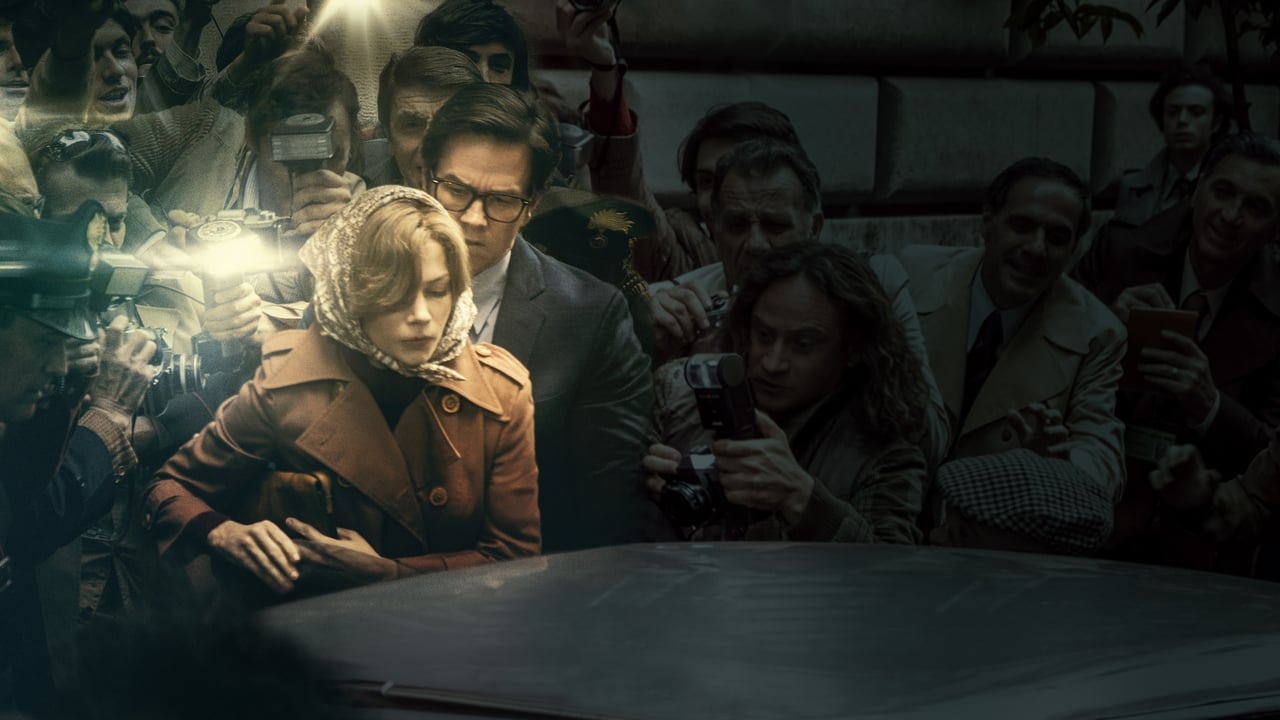
If Getty is the cold sun the movie orbits, Michelle Williams is the gravity holding it together. As Gail Harris, the boy’s mother, she delivers a performance that feels pulled from a different era of cinema. She adopts a specific, clipped Mid-Atlantic accent—think Katharine Hepburn with a nervous system made of piano wire—that perfectly conveys a woman who has learned to navigate the world of the ultra-rich without actually belonging to it.
She is the only person in the film acting with any sense of urgency, and her frustration is palpable. One of my favorite sequences involves her negotiating with the kidnappers while simultaneously trying to manage the bureaucratic ego of her father-in-law. It’s a high-stakes chess match where the pieces are human ears. Mark Wahlberg is also here as Fletcher Chase, Getty’s "fixer." While he’s perfectly serviceable, Wahlberg’s Fletcher Chase feels like he wandered in from a different, much stupider movie. He spends a lot of time looking concerned in very nice suits, but he’s essentially the audience’s surrogate, standing around saying, "Wait, he’s really not going to pay?"
A Grimy Sort of Glamour
Ridley Scott is a master of "vibe," and here he trades the neon of Blade Runner for a desaturated, sickly green-and-gold palette. Italy in the 70s doesn't look like a travel brochure; it looks like a beautiful place where you could easily disappear forever. The scenes involving the kidnappers, particularly Romain Duris as the conflicted Cinquanta, have a sweaty, desperate energy that contrasts sharply with the silent, tomb-like halls of Getty’s estate, Sutton Place.
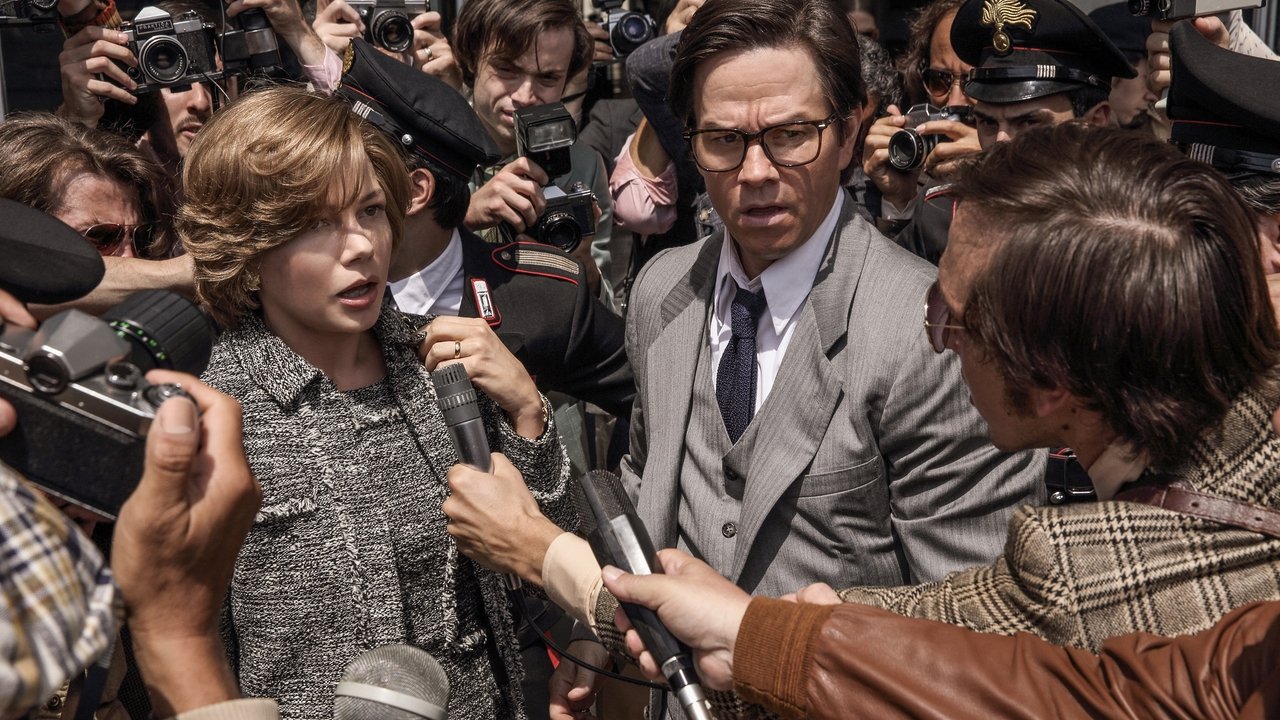
Speaking of those halls, the production is packed with details that satisfy the history nerd in me. The film correctly captures Getty’s infamous payphone, which he installed for guests so he wouldn't have to foot their long-distance bills. It’s a small detail, but it says more about the man than a ten-minute monologue ever could. It’s also worth noting the contemporary resonance of the film’s release. Shortly after the "Spacey-Plummer Swap," it was revealed that Williams was paid less than $1,000 for the reshoots, while Wahlberg negotiated a $1.5 million bonus. The ensuing public outcry actually led to Wahlberg donating the money to the Time’s Up Legal Defense Fund. In a movie about a woman fighting a lopsided financial system, the real-world irony was almost too thick to believe.
All the Money in the World is a lean, professional thriller that manages to be both a great "dad movie" and a sharp critique of capitalism. It moves with a clip that belies its two-hour-plus runtime, proving that Ridley Scott is often at his best when he’s working under a ticking clock. It’s not a masterpiece, but it’s a masterly piece of craft that turned a potential PR disaster into a gripping historical drama.
If you appreciate watching a director at the top of his technical game and an actress like Michelle Williams doing her best work, this is an essential watch. It serves as a reminder that sometimes the most interesting thing about a movie isn't just what’s on the screen, but the sheer, stubborn will it took to get it there. Just don't expect to feel particularly good about your bank account balance when the credits roll.
Keep Exploring...
-

House of Gucci
2021
-

Napoleon
2023
-

Patriots Day
2016
-

Snowden
2016
-

Alien: Covenant
2017
-

The Last Duel
2021
-

Black Mass
2015
-
Blackhat
2015
-

In the Heart of the Sea
2015
-

Point Break
2015
-
Run All Night
2015
-

13 Hours: The Secret Soldiers of Benghazi
2016
-

Jack Reacher: Never Go Back
2016
-

Now You See Me 2
2016
-

Triple Frontier
2019
-

Hitman's Wife's Bodyguard
2021
-

Nightmare Alley
2021
-
Death on the Nile
2022
-

The Pale Blue Eye
2022
-

Gladiator II
2024