Along with the Gods: The Two Worlds
"Seven trials. Forty-nine days. One soul’s reckoning."

The moment the smoke clears and Kim Ja-hong realizes he’s no longer holding a hose, but staring at his own charred corpse, the clock starts ticking. It’s an opening that hits like a bucket of ice water. I watched this film in a theater where the air conditioning was set to 'Arctic Tundra,' which, ironically, made the film's "Hell of Ice" sequence feel way too immersive for my comfort. But that's the thing about Along with the Gods: The Two Worlds—it’s designed to overwhelm you, whether through its massive digital landscapes or its unapologetic assault on your tear ducts.
The High-Stakes Bureaucracy of Hell
In the current era of cinema, we’re often bogged down by "multiverses" that feel like homework. Director Kim Yong-hwa takes a different route, adapting a wildly popular webtoon into a high-concept afterlife that feels like a spiritual version of Minority Report with more swords and significantly more shouting. The premise is simple but grueling: a "paragon" (a soul who died heroically), played with a stoic, relatable weariness by Cha Tae-hyun, must pass seven trials in forty-nine days to be reincarnated.
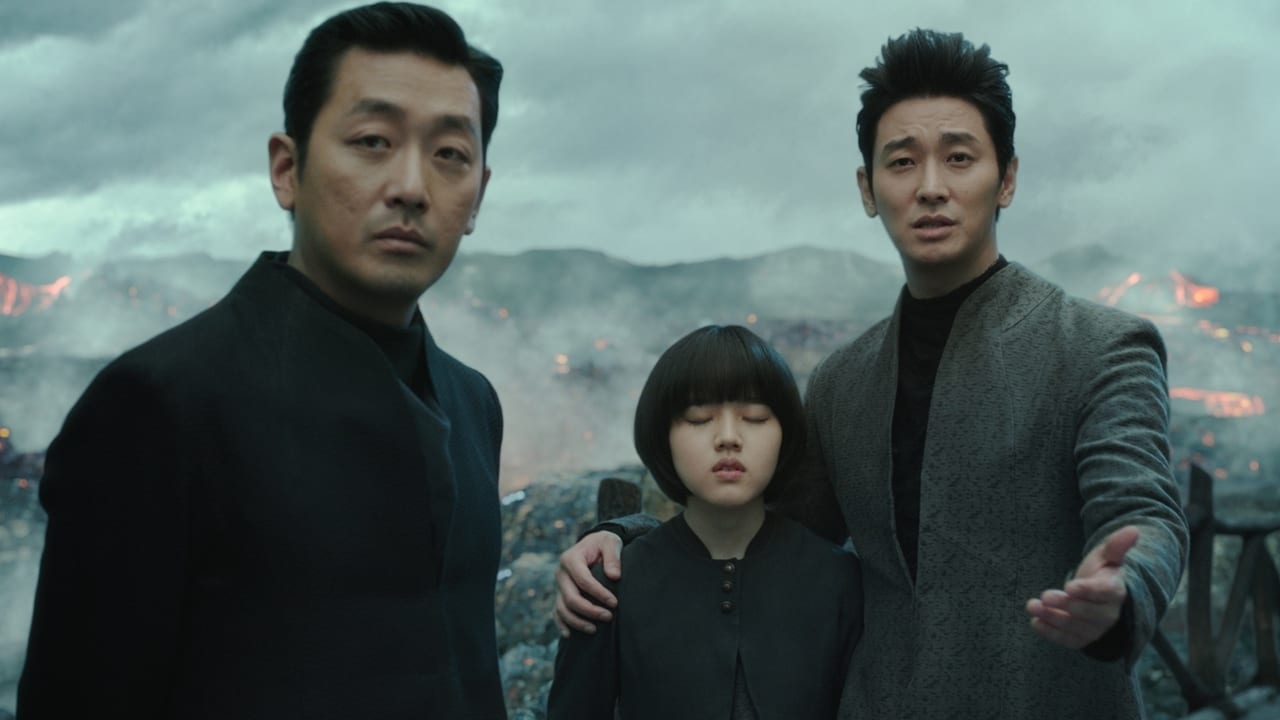
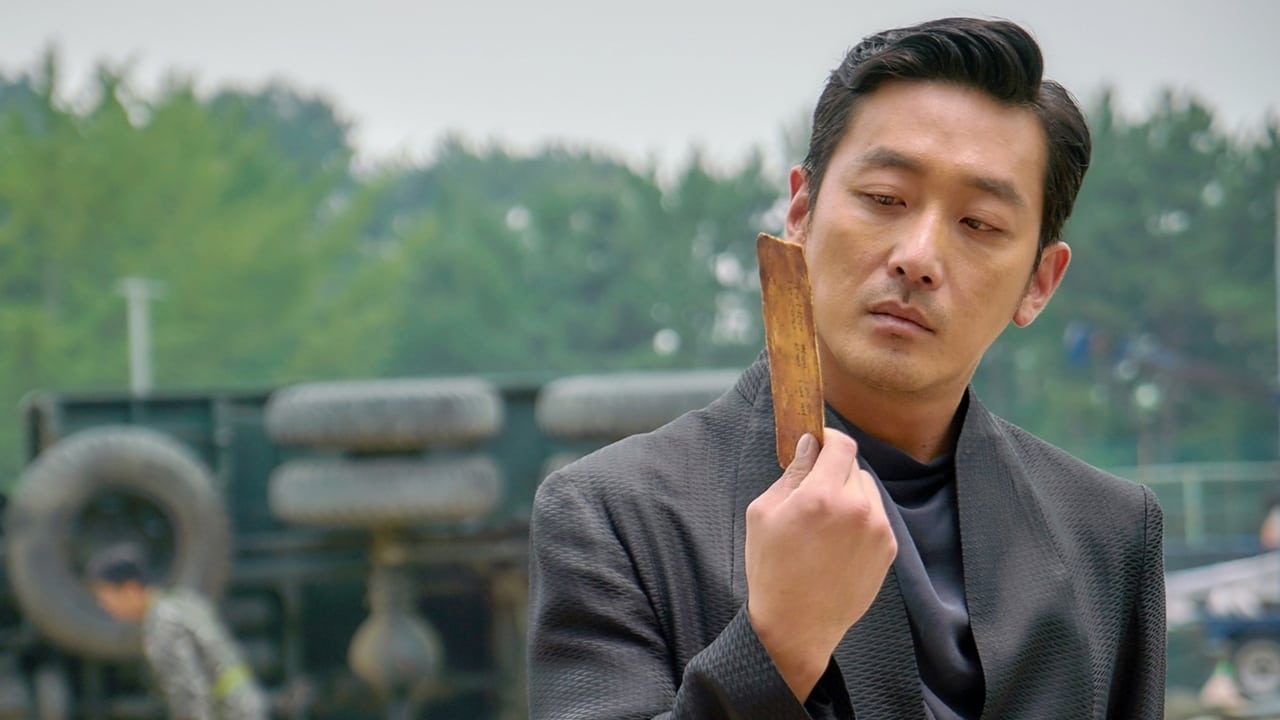
His lawyers? A trio of afterlife guardians led by the coolly charismatic Ha Jung-woo as Gang-rim. They aren’t just there to look good in black trench coats; they have to argue Ja-hong’s innocence in front of various gods of hell. Each trial focuses on a different sin—indolence, deceit, injustice, and so on. It turns the concept of the "action movie" into something more profound. It’s not just about who can punch the hardest; it’s about whether you were a decent person when nobody was looking.
A Symphony of Pixels and Heartstrings
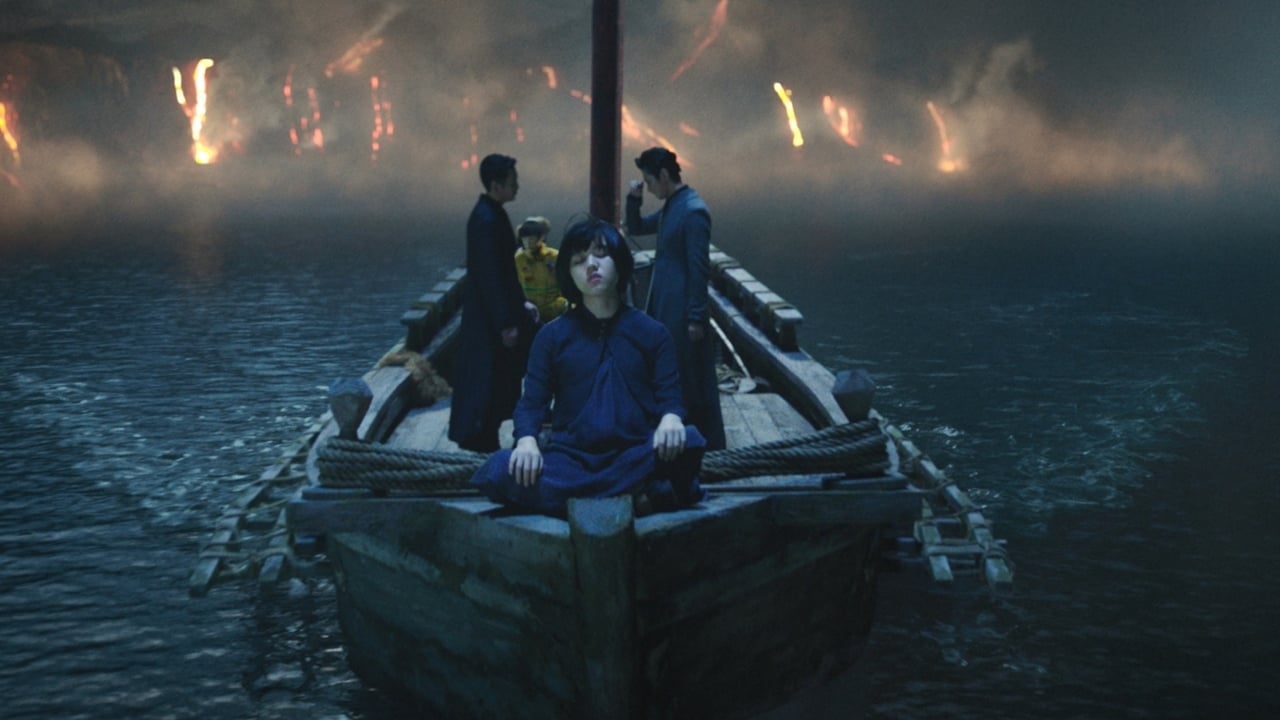
The action choreography here is a fascinating blend of wuxia-style floatiness and heavy-hitting digital spectacle. When the guardians engage with "Hell Ghasts" in the Forest of Blades, the camera moves with a frantic, rhythmic energy that reminded me of some of the better Final Fantasy cinematics. It’s "The Volume" before "The Volume" was a thing. Ha Jung-woo and the impulsive, sword-swinging Ju Ji-hoon (as Hae Won-maek) bring a physical weight to scenes that are clearly 90% green screen.

However, beneath the CGI volcanoes and sand giants, this is a movie that lives and dies by its melodrama. South Korean blockbusters have a unique gear that Hollywood often struggles to find: the ability to transition from a massive, city-leveling explosion to a quiet, devastating moment of familial regret without it feeling like tonal whiplash. The subplot involving Ja-hong’s brother, Kim Su-hong (played by a breakout Kim Dong-wook), adds a layer of dark intensity that elevates the film from a mere fantasy romp to a somber reflection on trauma and the things we leave unsaid to those we love.
The "K-Blockbuster" Formula Perfected
Along with the Gods wasn't just a movie; it was a cultural event. In the context of 2017, it signaled a moment where South Korean VFX finally caught up to its ambitious storytelling. Apparently, the production was a massive gamble, with a budget of roughly $36 million for two films shot simultaneously—the highest in Korean history at the time. The bet paid off, as it became the second highest-grossing film in the country’s history, proving that audiences were hungry for high-fantasy rooted in Eastern mythology rather than the usual Western tropes.
Behind the scenes, the film was a showcase for Dexter Studios (the director’s own VFX house), which utilized advanced motion-capture and rendering techniques to create the seven distinct hells. It’s also worth noting the presence of Lee Jung-jae—long before he became a global face through Squid Game—who dominates every frame as King Yeomra, the ruler of the afterlife. His flowing hair and booming authority give the film a necessary gravity.
I’ll admit, the CGI can occasionally feel a bit "smooth" in that mid-2010s way, and the sheer volume of "trials" can feel repetitive if you aren't invested in the emotional stakes. But by the time the film reaches its final trial—the Trial of Filial Impiety—the movie essentially holds a knife to your emotions and demands you start sobbing. It’s manipulative, sure, but it’s done with such sincerity and craft that you’ll likely find yourself wiping away tears while a giant sand monster is being decapitated on screen.
Along with the Gods: The Two Worlds is a testament to what "Contemporary Cinema" looks like when it’s working at full tilt. It manages to be a franchise-starter, a visual effects showcase, and a deeply personal drama all at once. While it leans heavily into its genre tropes, it does so with a level of heart and moral weight that most American blockbusters would be too afraid to touch. If you’re looking for an action epic that actually asks you to think about your life choices before the credits roll, this is your trial. Just bring some tissues—you’re going to need them.

Keep Exploring...
-
Batman vs. Robin
2015
-
Train to Busan
2016
-
Maze Runner: The Death Cure
2018
-
No Time to Die
2021
-
Patriots Day
2016
-
Hotel Mumbai
2019
-
The Lighthouse
2019
-
The Wolf's Call
2019
-
Greenland
2020
-
The Boy and the Beast
2015
-
Justice League vs. Teen Titans
2016
-

A Dog's Purpose
2017
-
13 Hours: The Secret Soldiers of Benghazi
2016
-
Boyka: Undisputed IV
2016
-
Mirage
2018
-

Bridge of Spies
2015
-

The Accountant
2016
-
It
2017
-
John Wick: Chapter 2
2017
-
Doctor Strange
2016