Annabelle: Creation
"A handcrafted nightmare that finds its home."
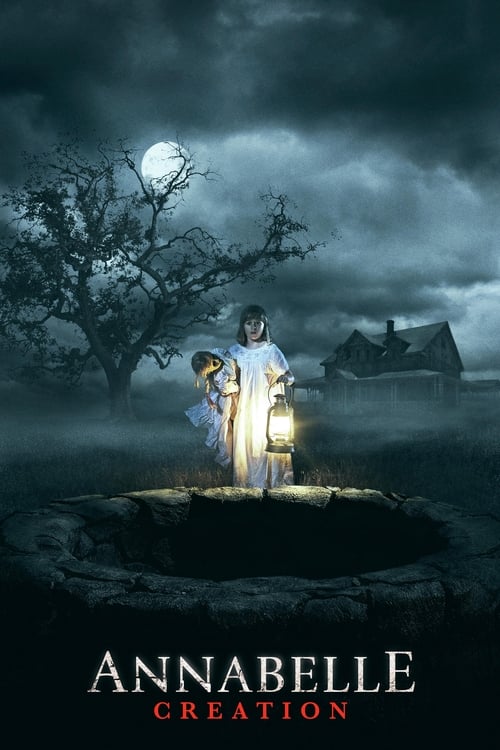
In 2017, we were well and truly drowning in "cinematic universes." If a movie made a nickel at the box office, there was a corporate roadmap for three sequels, a prequel, and a spin-off about the protagonist's dry cleaner. The Conjuring Universe was the undisputed king of this trend in the horror genre, but it hit a snag early on with the first Annabelle (2014)—a film that was, to put it bluntly, about as scary as a lukewarm bowl of oatmeal. So, when David F. Sandberg was tapped to direct Annabelle: Creation, the bar wasn't just low; it was buried in the crawlspace.

I watched this while drinking a lukewarm seltzer that had lost its fizz twenty minutes earlier, which somehow felt appropriate for a movie about stagnant, ancient evil. To my genuine surprise, Sandberg didn't just clear that low bar—he pole-vaulted over it. By leaning into the "contemporary" trend of hiring directors who cut their teeth on viral horror shorts (Sandberg's Lights Out was a YouTube sensation before it was a feature), New Line Cinema infused some much-needed craft into a franchise that was dangerously close to becoming a punchline.
The Geometry of Dread
What makes this entry work—and it genuinely works—is Sandberg’s understanding of negative space. He doesn't just throw jump scares at your head like he's trying to win a carnival game. Instead, he uses the cinematography of Maxime Alexandre to make the Mullins’ farmhouse feel like a predatory animal. The way the camera lingers on a dark hallway or the corner of a room makes you do the work for him; you’re constantly scanning the frame for a flicker of movement.
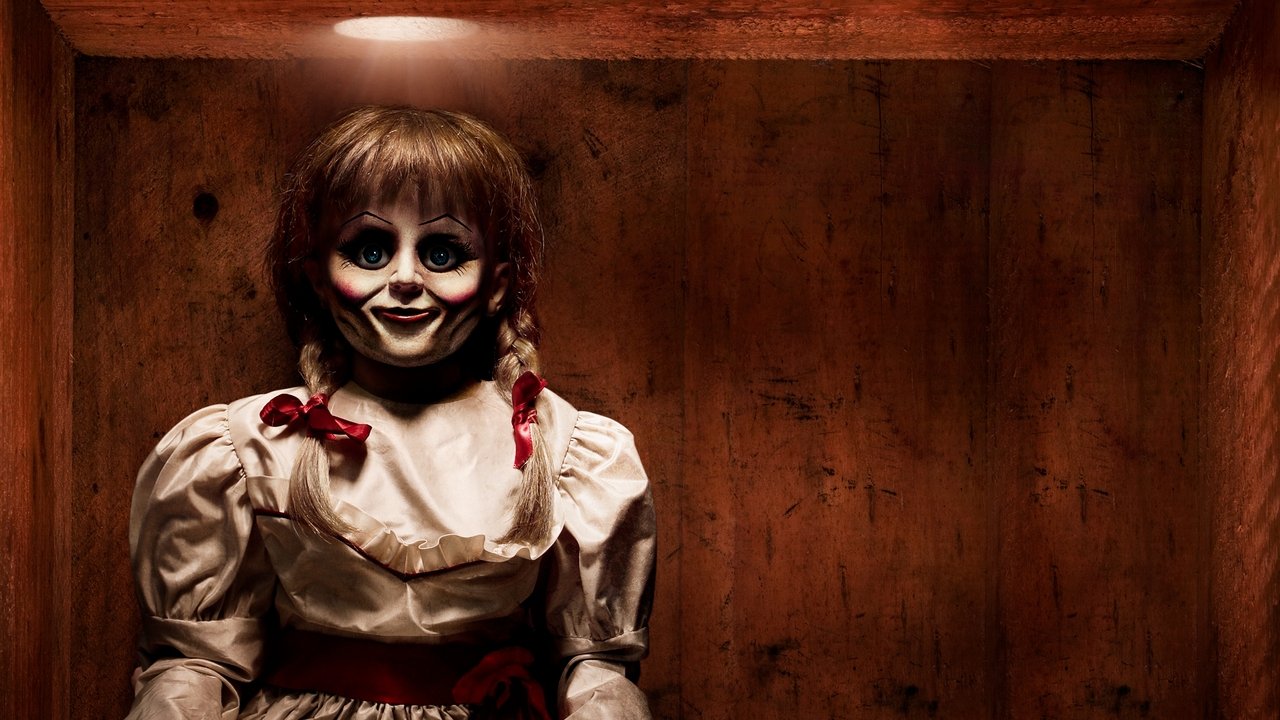
The scare mechanics here are tactile and mean-spirited in the best way. There’s a particular sequence involving a motorized chair lift on a staircase that is a masterclass in agonizingly slow tension. You know something is at the top of those stairs, and you know that chair moves with the speed of a tectonic plate. It’s a sequence that understands that the anticipation of the "boo" is always more effective than the "boo" itself. Annabelle herself looks like she’s had way too much filler and a bad Botox job, which ironically makes her scarier than if she looked like a standard Victorian toy. She’s an uncanny valley nightmare that doesn't even need to move to ruin your night.
Small Actors, Big Stakes
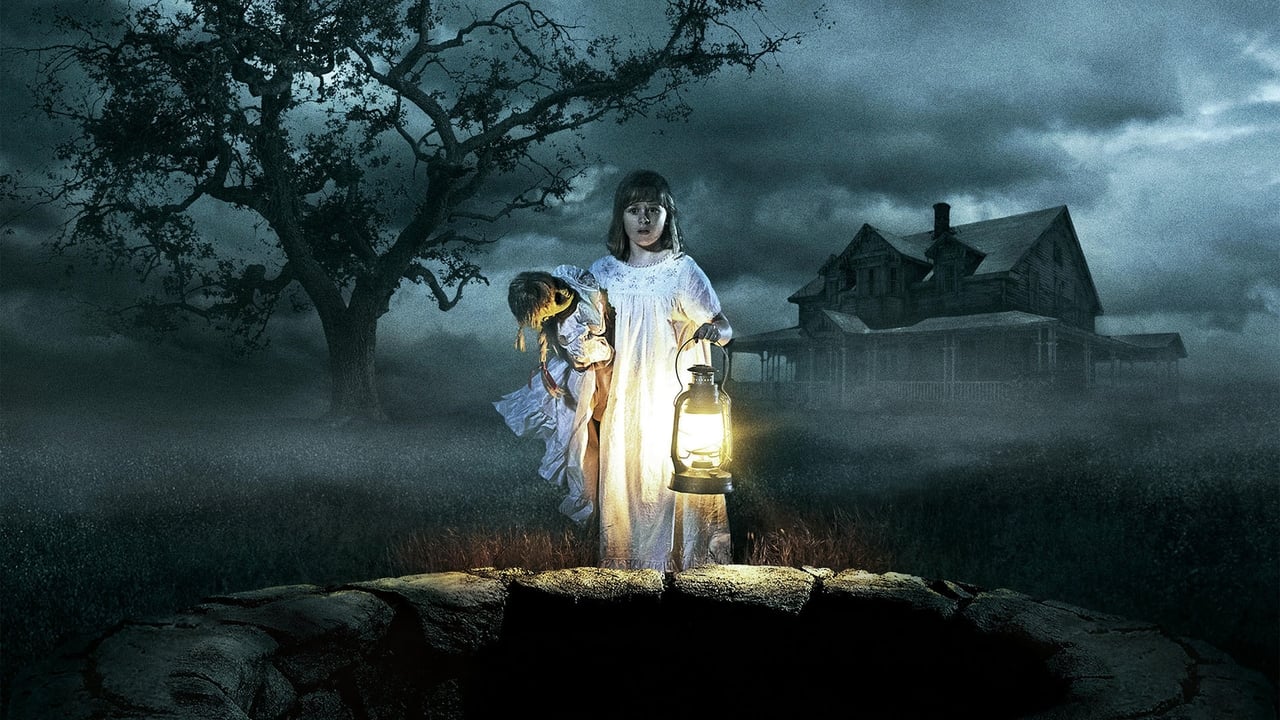
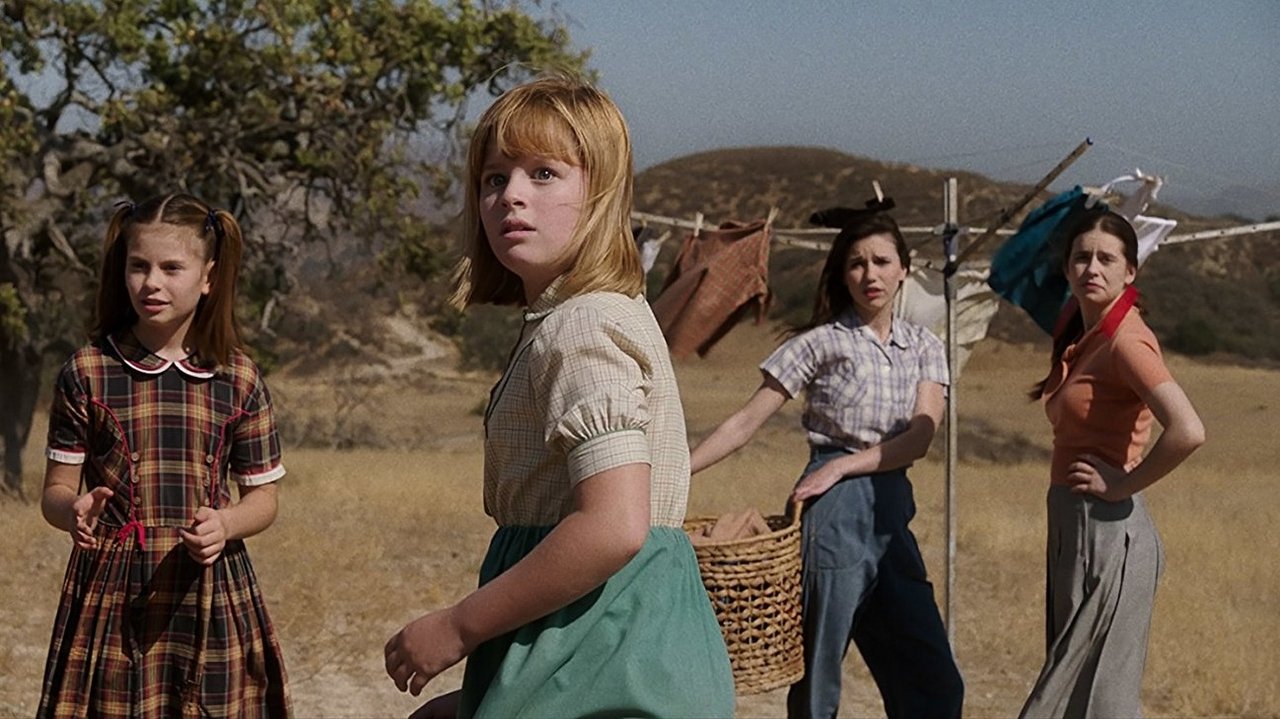
One of the most refreshing aspects of horror in the late 2010s was the surge of incredible child actors who could actually carry a film. Talitha Eliana Bateman (as Janice) and Lulu Wilson (as Linda) are the heart of this movie, and their chemistry feels like a real friendship forged in the fires of a crappy foster care system. Lulu Wilson, in particular, was on a legendary horror run during this era, having already anchored Ouija: Origin of Evil. She has this "done with this crap" energy that makes her the perfect foil for a demon.
The adult cast, including Anthony LaPaglia and Miranda Otto, provide the necessary gravity. They play the grieving Mullins couple with a hollowed-out sadness that grounds the supernatural high-jinks. When Miranda Otto appears behind that porcelain mask, it isn't just a gimmick; it’s a reflection of a woman who has literally tried to hide her grief behind a fixed, frozen face. It’s these small character beats that elevate the film above the standard "jump-scare-a-thon" that defined many mid-budget horror releases of the decade.
The Franchise Machine at Full Tilt
From a production standpoint, Annabelle: Creation is a fascinating study in how to build a brand. With a lean $15 million budget, the film managed to haul in over $306 million worldwide. That is a staggering return on investment that proved horror was the most "recession-proof" genre of the streaming era. Screenwriter Gary Dauberman (who also penned It and later directed Annabelle Comes Home) weaves in just enough connective tissue to satisfy the fans—like the blink-and-you’ll-miss-it photo of the demon nun, Valak—without making the movie feel like a 110-minute commercial for the next installment.
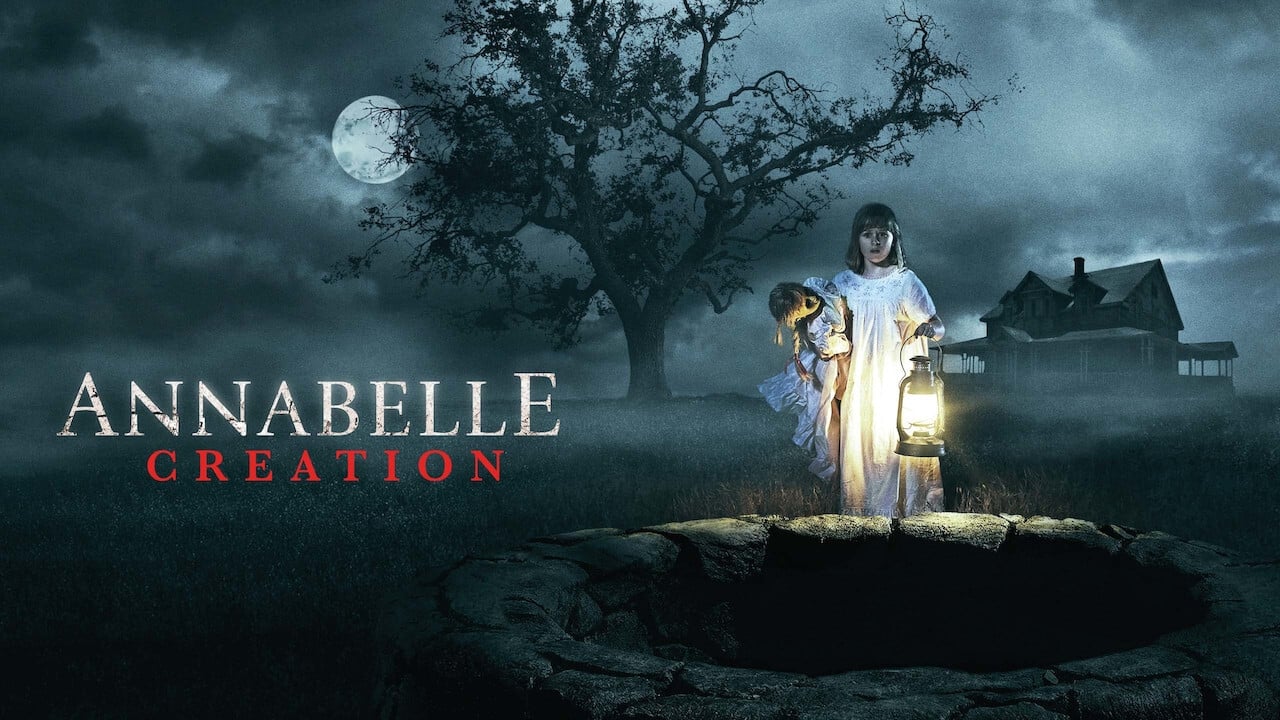
The film also benefits from the "James Wan touch." As a producer, James Wan has a knack for ensuring these movies have a certain polished, "event" feel, regardless of the budget. Even though we’re in an era of CGI saturation, Creation leans heavily on practical effects and clever lighting to do its heavy lifting. It reminds me that even in a world of LED volumes and digital de-aging, nothing beats the sight of a wooden doll slowly turning its head in a room full of shadows.
This is arguably the peak of the Annabelle trilogy and a high-water mark for the wider Conjuring universe. It manages to be a crowd-pleasing blockbuster that doesn't insult your intelligence, utilizing a "less is more" approach that a lot of its contemporaries forgotten. It’s the kind of movie that makes you double-check the backseat of your car before you drive home from the theater, or at the very least, makes you consider throwing out any porcelain dolls your grandma left you in her will.
By the time the credits rolled and the lights came up, I realized I’d been gripping my lukewarm seltzer so hard that the can was dented. If a prequel to a spin-off can do that, it’s doing something very right. It’s a solid, spooky piece of craftsmanship that earns its place on the shelf.
Keep Exploring...
-
Annabelle Comes Home
2019
-
Annabelle
2014
-
Lights Out
2016
-
Until Dawn
2025
-
Shazam!
2019
-
It
2017
-
The Nun
2018
-
It Chapter Two
2019
-
Insidious: Chapter 3
2015
-
10 Cloverfield Lane
2016
-
Don't Breathe
2016
-
Resident Evil: The Final Chapter
2016
-

The Conjuring 2
2016
-
The Purge: Election Year
2016
-
The Shallows
2016
-

Jigsaw
2017
-
Split
2017
-
A Quiet Place
2018
-

Halloween
2018
-

Insidious: The Last Key
2018