Atomic Blonde
"Cold hands, neon lights, and broken teeth."
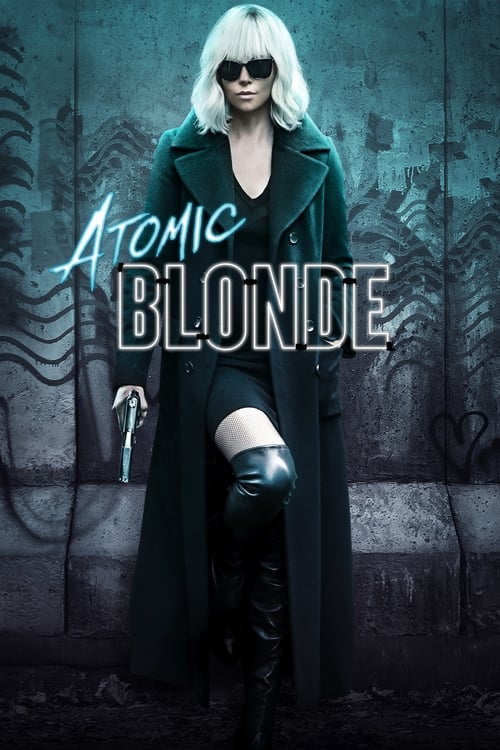
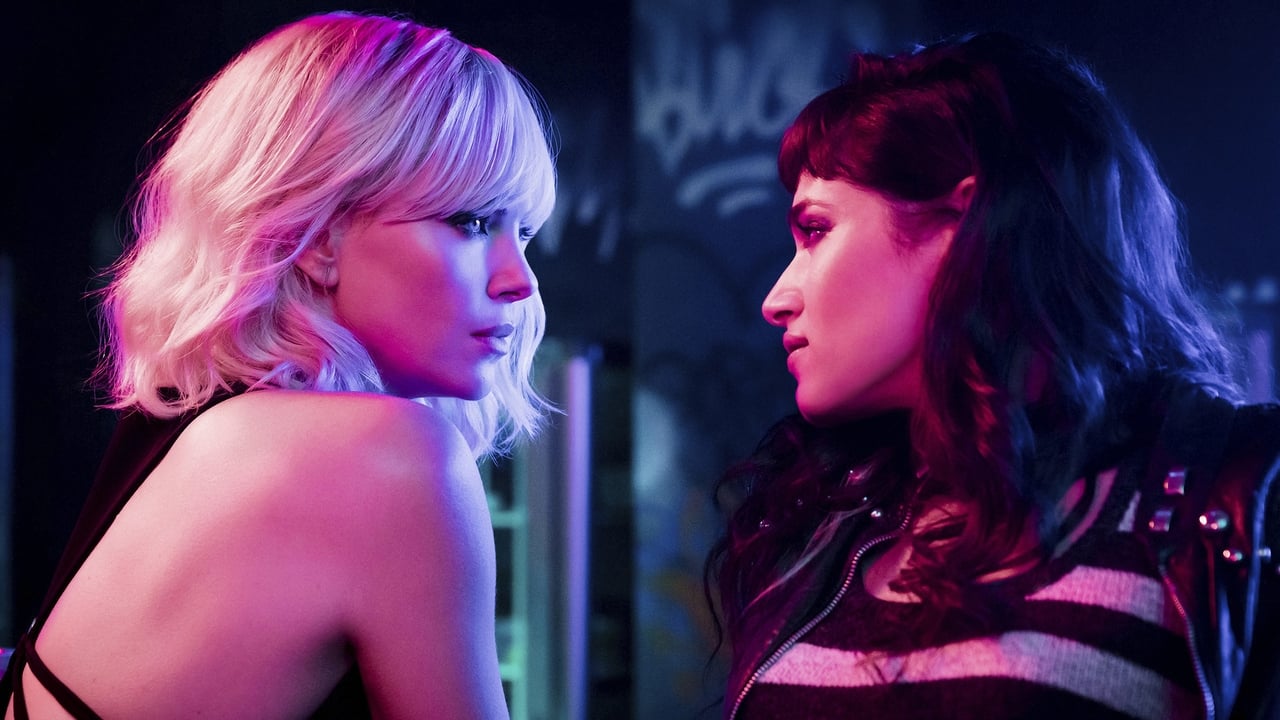
There is a specific temperature to David Leitch’s Atomic Blonde that feels less like a movie and more like a refrigerator left open in a dark room. It’s a film defined by the sharp, blue-tinted chill of 1989 Berlin, just before the Wall came down, where the air is thick with cigarette smoke and the impending sense that the world is about to pivot on its axis. I watched this for the third time last Tuesday while trying to finish a bowl of cold, leftover Pad Thai, and honestly, the slight congealed chill of the noodles weirdly enhanced the experience. This isn’t a warm movie. It doesn’t want to hug you; it wants to elbow you in the throat and then offer you a sip of Stoli on ice.
The Art of the Practical Bruise
When we talk about action in the late 2010s, we are essentially talking about the "Stunt-Vis" revolution. Following the success of John Wick, the industry shifted away from the "shaky-cam" chaos of the Bourne era and toward long, clear takes where you can actually see the actors sweating. Charlize Theron doesn't just show up here; she anchors the entire production as Lorraine Broughton, a character who seems to exist entirely on a diet of ice cubes and spite.
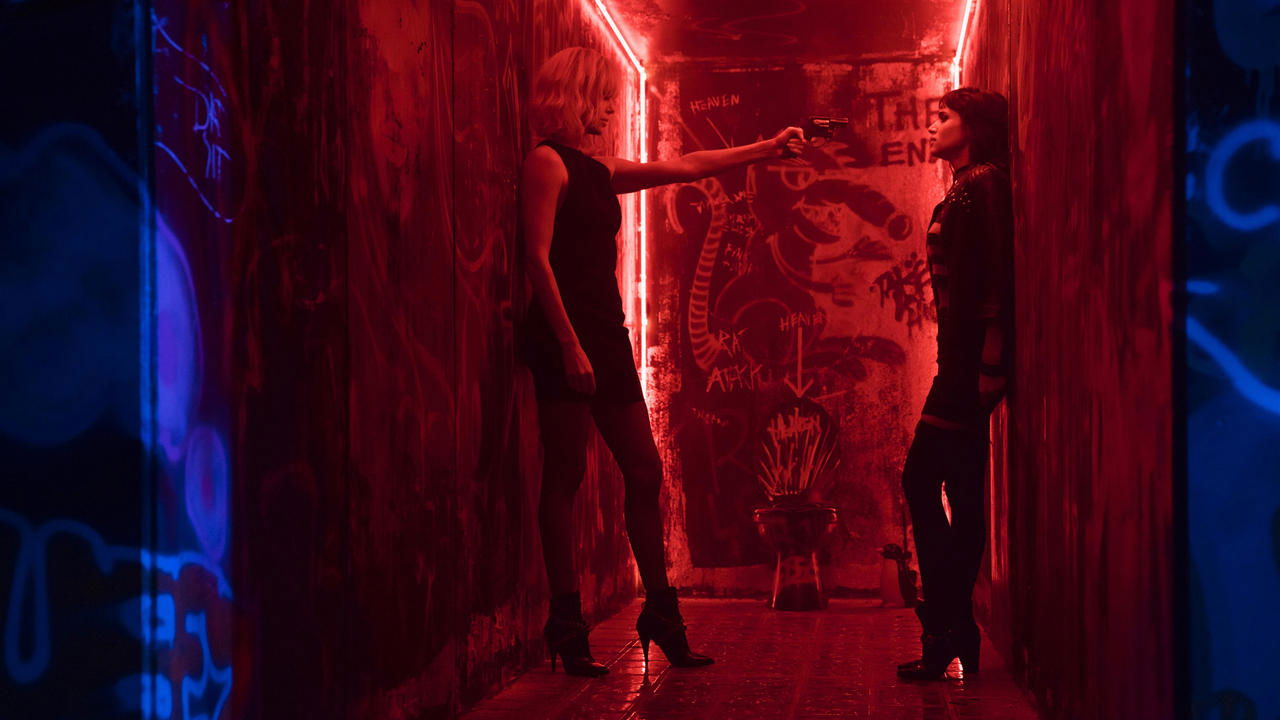
The center-of-the-plate attraction is, of course, the seven-minute stairwell fight. While it’s technically a series of cleverly stitched-together long takes, the effect is a grueling, exhausting marathon of violence. Unlike the superhero brawls of the MCU that dominated the 2017 box office, the stakes here feel heavy. When Lorraine gets hit, she stays hit. By the end of that sequence, she isn’t just winning; she’s barely standing, her makeup smeared with blood and her breath ragged. Atomic Blonde is basically an ASMR video for people who like the sound of breaking bones and wet concrete.
Interestingly, the production was a family affair in the stunt world. Charlize Theron actually trained at the 87eleven gym alongside Keanu Reeves while he was prepping for John Wick: Chapter 2. Apparently, they would spar together, which is a piece of trivia that makes me wish there was a "training day" documentary for this film. Theron’s commitment was so intense she actually cracked two teeth during filming, requiring dental surgery—a level of dedication that makes my desk job feel remarkably safe.
A Soundtrack You Can Feel

If the action provides the bones, the soundtrack provides the heartbeat. In an era where "80s nostalgia" often feels like a cheap neon coat of paint, Atomic Blonde uses its music with surgical precision. The budget for the film was a relatively lean $30 million, and a massive chunk of that went into securing the rights to tracks like David Bowie’s "Cat People (Putting Out Fire)" and New Order’s "Blue Monday."
The music isn't just background noise; it's the pacing mechanism. Director David Leitch (who previously co-directed the first John Wick but went uncredited) uses the rhythm of these synth-heavy anthems to dictate the editing. It gives the film a music-video energy that never feels vapid. It’s also a perfect counterweight to the cynicism of the plot. While James McAvoy is chewing the scenery as the chaotic, double-dealing David Percival—wearing a cast on his arm and looking like he hasn't slept since 1985—the music keeps the film from sinking too deep into the "grim-dark" spy tropes of the Cold War. McAvoy’s performance is so greasy you almost want to wash your hands after he leaves the screen.
The Contemporary Spy Game
Looking at this film now, it’s fascinating to see where it fits in the 2015-present landscape. It was released during a period of massive conversation regarding representation in action cinema. We were moving past the "strong female lead" as a box-ticking exercise and into characters who were allowed to be messy, morally grey, and physically vulnerable. Lorraine Broughton isn't a "female James Bond"—she's something much more tactile and less polished.
The film also managed to be a sleeper hit, pulling in over $100 million globally. In the current era of $250 million blockbusters that often struggle to break even, Atomic Blonde is a reminder of how profitable a mid-budget, R-rated, stylish actioner can be when it trusts its audience. It doesn't over-explain its convoluted plot (which involves a missing list of double agents, a trope as old as the hills), because it knows you’re really there for the vibes and the choreography.
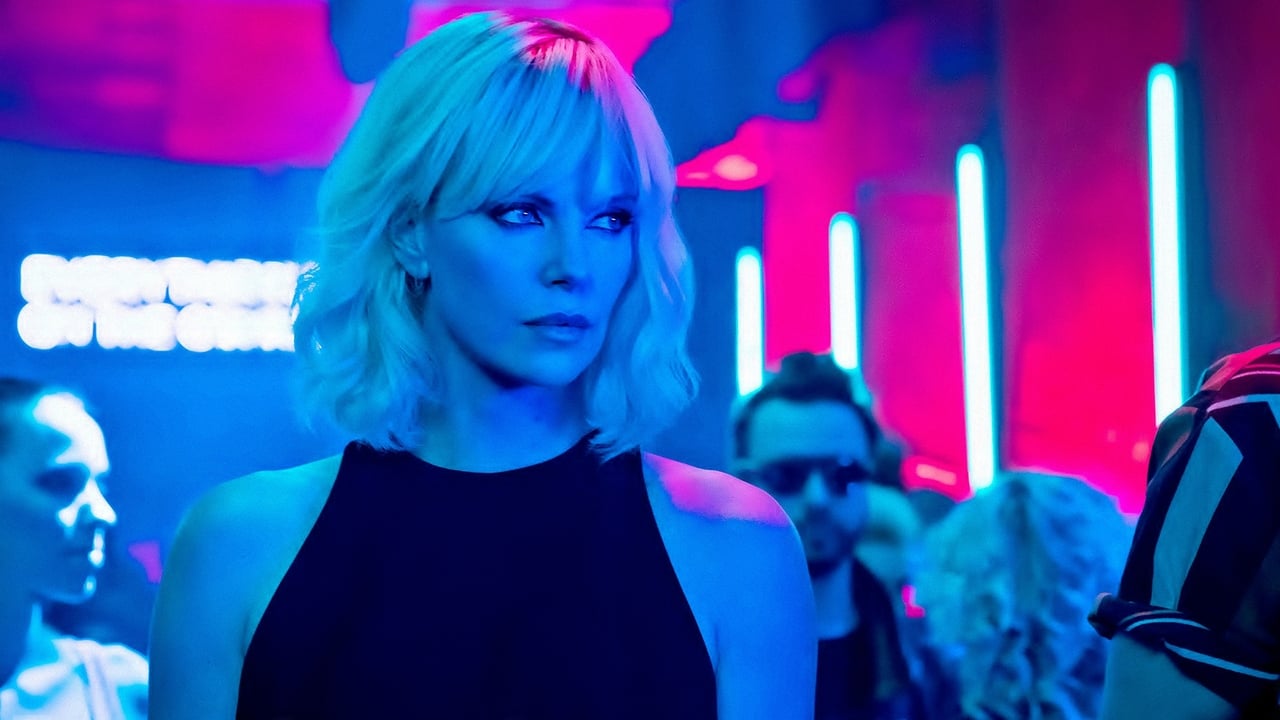
Behind the camera, Jonathan Sela’s cinematography deserves a shout-out. He avoids the drab greys usually associated with East Berlin, opting instead for high-contrast neon that makes every frame look like a graphic novel. It’s a choice that reflects the "streaming aesthetic" that would soon dominate—high-fidelity, high-saturation visuals that look just as good on a phone as they do on a theater screen.
Ultimately, Atomic Blonde succeeds because it understands that style is substance in an action movie. It’s a film that knows exactly what it wants to be: a cold, hard, stylish punch to the gut. While the plot gets a bit tangled in its own shoelaces during the final act, the sheer magnetic force of Charlize Theron's performance keeps everything on track. It’s a landmark for modern stunt work and a masterclass in how to use a soundtrack to build a world. If you want a movie that feels like a cold glass of vodka after a long day, this is your best bet.
Keep Exploring...
-
Fast & Furious Presents: Hobbs & Shaw
2019
-

Jurassic World: Fallen Kingdom
2018
-
Jurassic World
2015
-
Maze Runner: The Scorch Trials
2015
-
Jason Bourne
2016
-
Maze Runner: The Death Cure
2018
-

Bullet Train
2022
-
Deadpool 2
2018
-
Spectre
2015
-
No Time to Die
2021
-
The Mummy
2017
-
Skyscraper
2018
-

Triple 9
2016
-
American Assassin
2017
-
Hunter Killer
2018
-
Kin
2018
-
Anna
2019
-
Greenland
2020
-

Bad Boys: Ride or Die
2024
-
Batman vs. Robin
2015