Baby Driver
"One track is the difference between life and death."
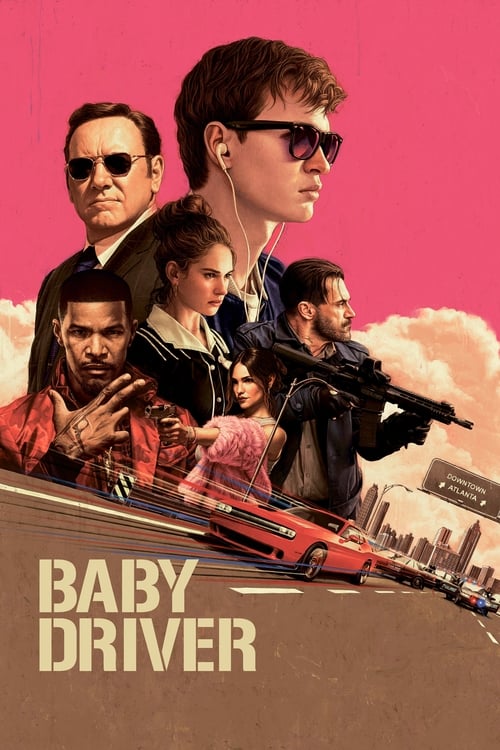
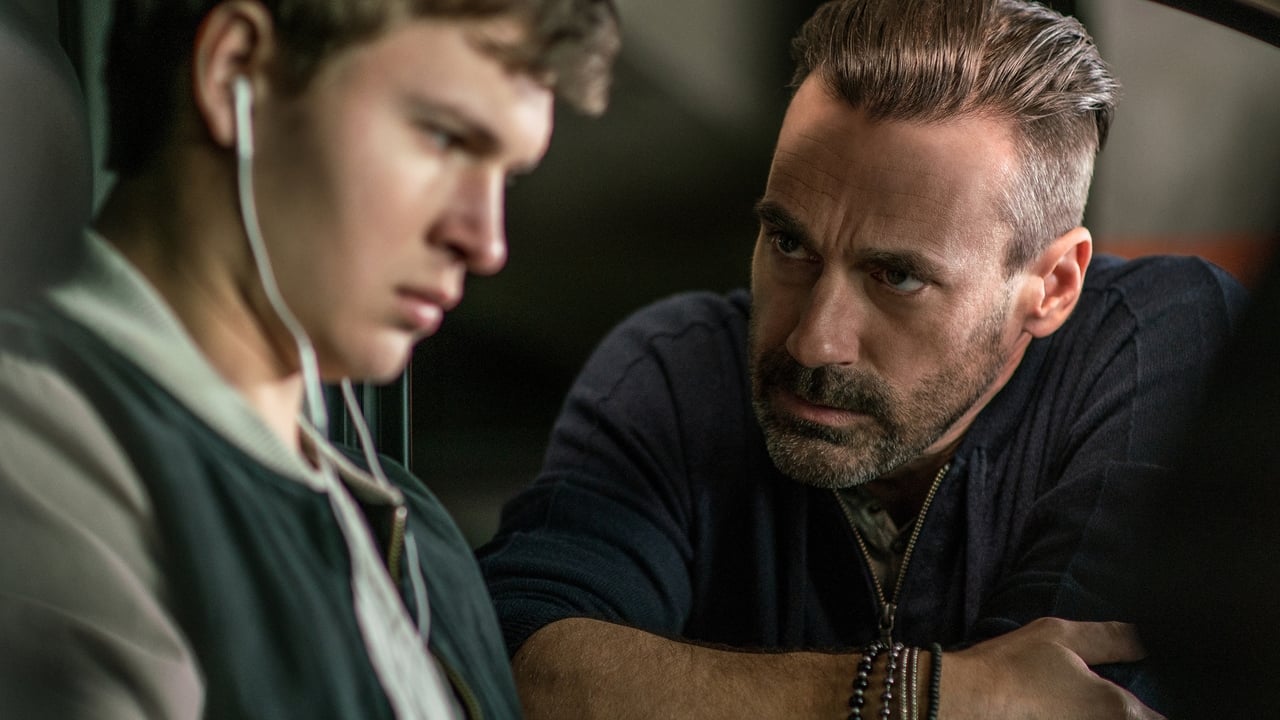
The high-pitched whine of tinnitus is the first thing I hear, a piercing needle of sound that bridges the gap between the audience and the driver's seat. It’s a bold way to start a movie—irritating the viewer into empathy—but it’s the key to understanding Ansel Elgort’s Baby. He isn’t just a kid with an iPod; he’s a captive of his own internal rhythm, drowning out the roar of a world that wants to use him up and spit him out.

I watched this film on a Tuesday evening while eating a bag of slightly stale Haribo Twin Snakes, and the sour tang of the candy felt weirdly appropriate for the neon-and-chrome aesthetic Edgar Wright splashes across the screen. While most modern blockbusters feel like they were assembled by a committee in a refrigerated boardroom, Baby Driver feels like it was hand-stitched by a mad watchmaker who happens to have a world-class record collection.
Syncopated Chaos and Rubber Smoke
The action here isn't just "good"—it’s mathematical. In an era where "franchise fatigue" usually means watching CGI grey blobs punch each other in a digital abyss, Wright offers the antidote: physics. When Baby’s red Subaru WRX weaves through an Atlanta alleyway to the beat of "Bellbottoms," it isn't just a chase; it's a ballet of internal combustion.
I was struck by how much weight the vehicles have. You can feel the suspension straining and the tires screaming for mercy. Bill Pope’s cinematography keeps the camera low to the asphalt, making every J-turn feel like a personal affront to the laws of gravity. Turns out, Ansel Elgort actually learned how to do those 180-degree drifts himself under the tutelage of stunt coordinator Darrin Prescott. That commitment to the physical reality of the stunt work is why the film breathes while other action movies merely pant. If you can’t appreciate the sight of a sedan sliding under a moving truck in perfect time to a snare hit, you might be dead inside.
The Moral Rot Beneath the Remix
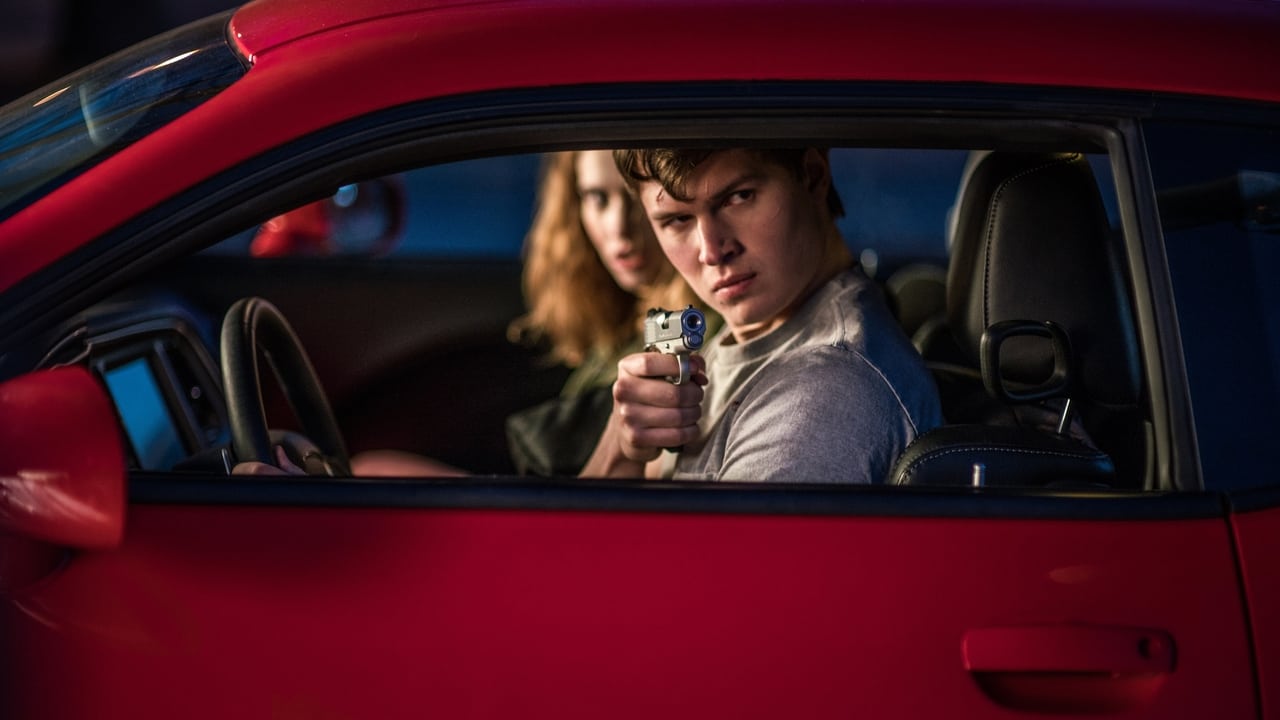
Despite the toe-tapping soundtrack, there is a profound darkness that creeps into the frame as the runtime progresses. The "Contemporary Cinema" era often struggles to make violence feel consequential, but Baby Driver succeeds by shifting from a heist-romance into a grim, high-stakes tragedy. The "Doc" character, played by Kevin Spacey, radiates a cold, transactional menace that keeps the air in the room thin.
The film's middle act is where the "intense" modifier really earns its keep. Enter Jamie Foxx as Bats, a man who functions as a walking, talking chaotic variable. Foxx plays the role with a terrifying unpredictability; he is the guy who brings a gun to a knife fight and then shoots the knife. When he’s on screen, the music doesn't feel like a fun gimmick anymore—it feels like a frantic shield Baby is using to protect his soul from the predatory nature of his "coworkers."
By the time we get to the final showdown, the movie has ditched the playful stylings for something much more somber. The transformation of Jon Hamm’s Buddy from a "cool older brother" figure into a literal, red-eyed slasher villain is genuinely unsettling. It serves as a reminder that Baby isn’t a hero; he’s a getaway driver for people who kill for a living. The film refuses to offer the easy out of a "victimless crime." People die, ears are ruined, and the blood on the upholstery doesn’t wash out just because the song is catchy.
An Original Hit in a Sea of Sequels
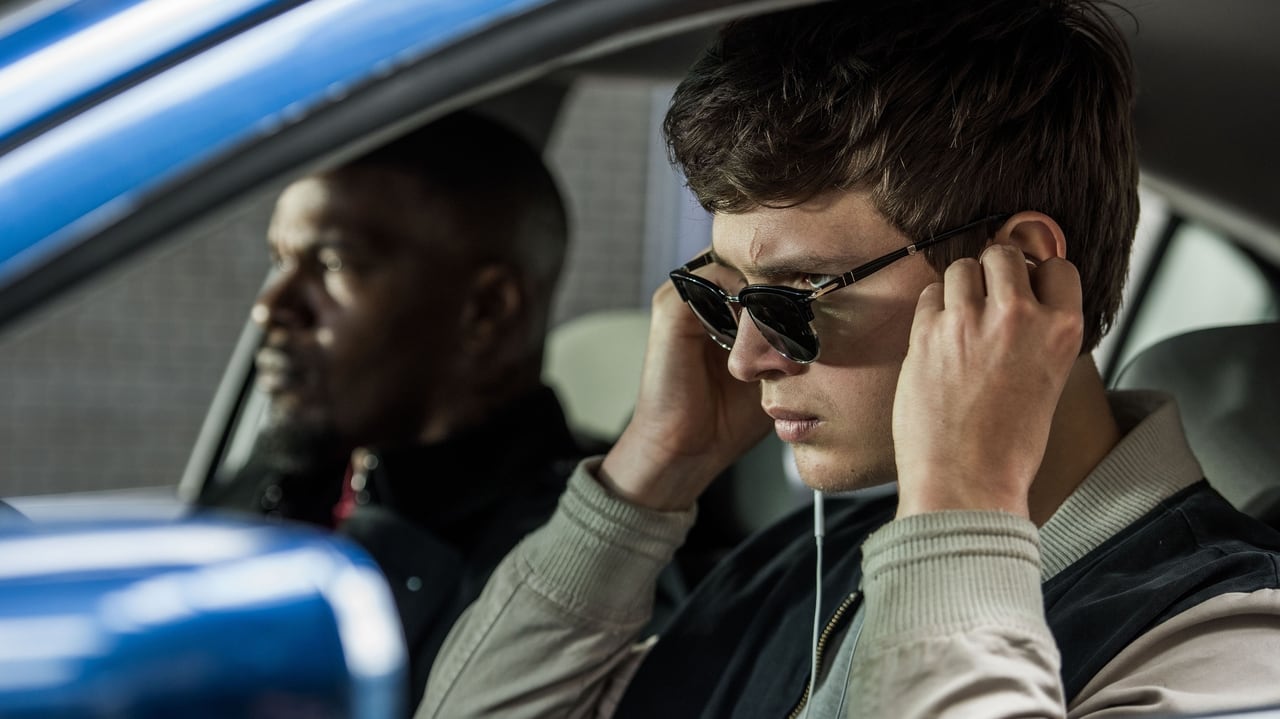
From a production standpoint, Baby Driver was a massive gamble that paid off in a way that rarely happens anymore. In 2017, we were already deep into the "IP-driven" landscape where every movie needs to be a chapter in a twenty-part saga. Edgar Wright walked into a studio with a $34 million budget and an original script about a kid who listens to the Jon Spencer Blues Explosion, and he walked out with $226 million worldwide.
The success of the film was a cultural moment, proving that "theatrical-first" releases for mid-budget original films weren't just viable—they were necessary. The marketing relied heavily on the "cool factor" of the soundtrack and the precision of the editing, which became its own viral talking point on social media. People weren't just talking about the plot; they were talking about the "Harlem Shuffle" sequence—a three-minute long take that required 28 takes to get every footstep and graffiti tag aligned with the lyrics.
What I appreciate most about Baby Driver is its lack of "franchise planning." It isn't trying to set up a "Baby-Verse." It’s a self-contained story about trauma, music, and the desperate hope of driving toward a horizon that doesn't exist. It’s a film that demands to be watched loud, on the biggest screen possible, with the windows rolled down and the speakers rattling.
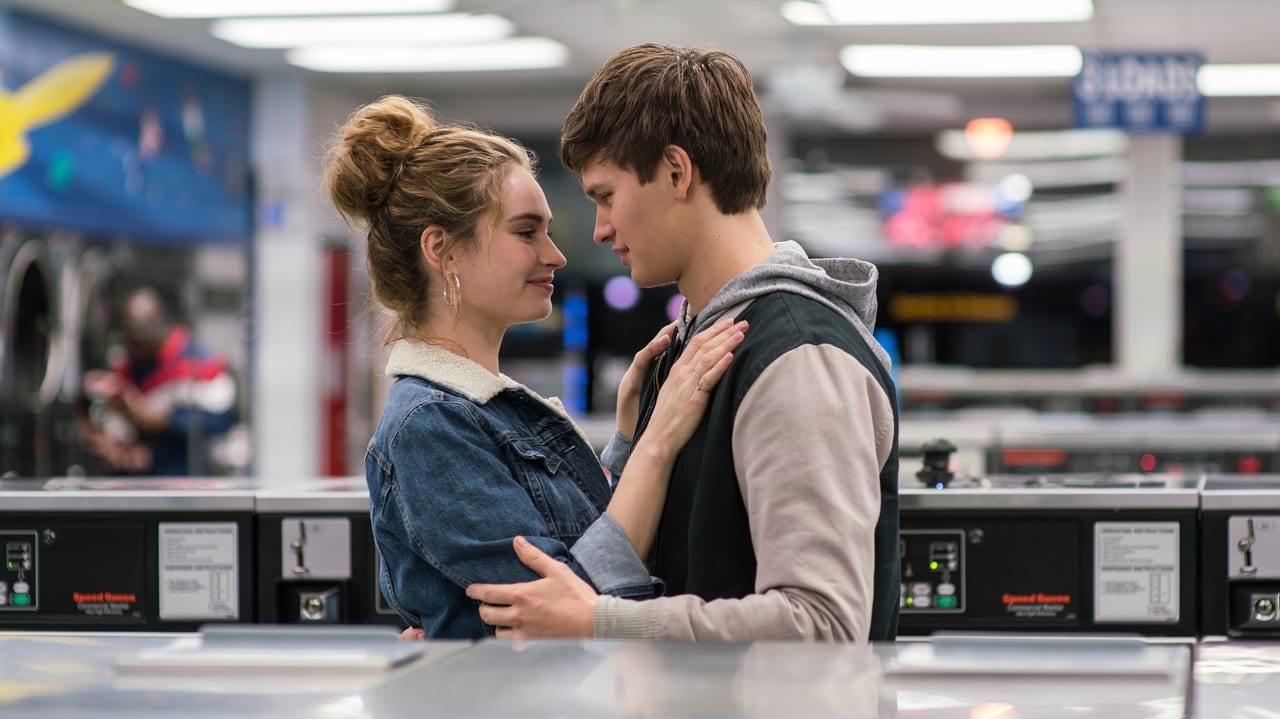
The film occasionally stumbles when it tries to force the romance between Baby and Lily James’s Debora into a classic Hollywood mold, but even those moments are saved by the sheer sincerity of the performances. It’s a movie that wears its heart on its sleeve and its pedal to the floor. If you haven't seen it yet, or if you've only watched it on a phone with tinny speakers, do yourself a favor: find the best sound system you can and let the rhythm take the wheel.
Keep Exploring...
-
John Wick: Chapter 2
2017
-
Last Night in Soho
2021
-
Furious 7
2015
-
John Wick: Chapter 3 - Parabellum
2019
-
Bad Boys for Life
2020
-
F9
2021
-
Sicario
2015
-

The Beekeeper
2024
-
Hot Fuzz
2007
-
Patriots Day
2016
-
The Accountant
2016
-

The Gangster, the Cop, the Devil
2019
-
The Stronghold
2021
-
John Wick: Chapter 4
2023
-
The Gentlemen
2020
-
Kingsman: The Secret Service
2015
-
The Foreigner
2017
-
The Hitman's Bodyguard
2017
-
The Running Man
2025
-
Batman vs. Robin
2015