Blade Runner 2049
"The search for what's real begins with a ghost."
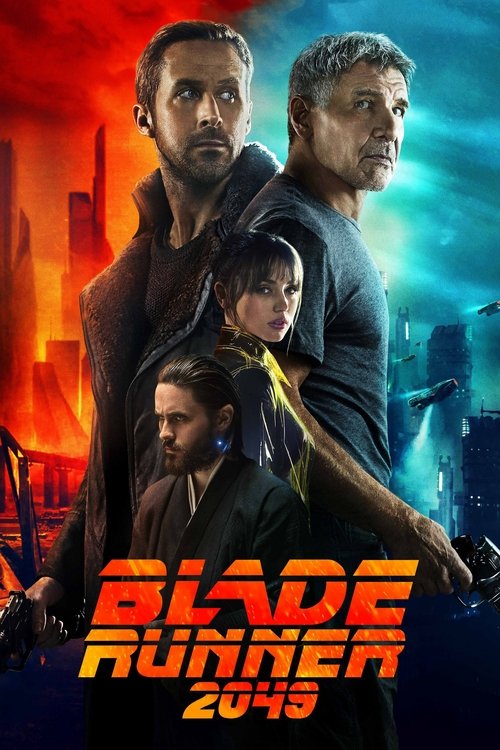
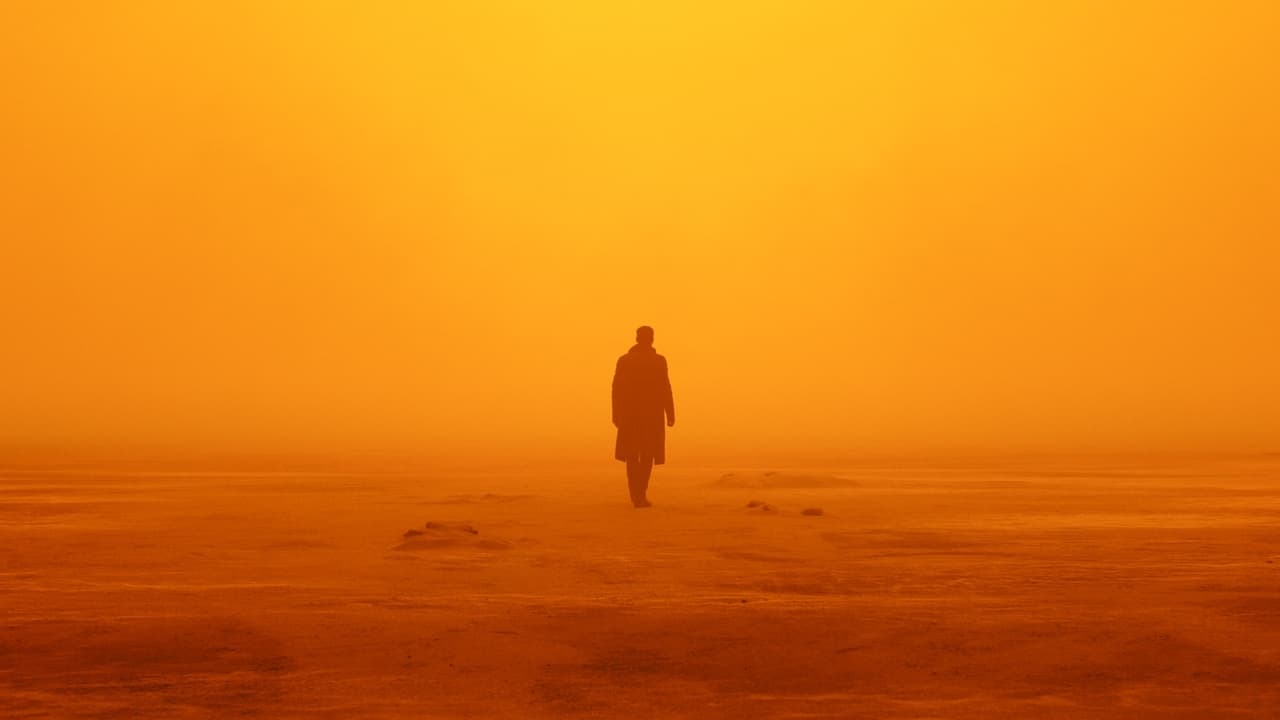
The orange dust of a dead Las Vegas doesn’t just sit on the screen; it clogs your lungs. In an era where most blockbusters feel like they were assembled by a committee in a brightly lit boardroom, Blade Runner 2049 arrives like a transmission from a more patient, more soulful civilization. It is a film that demands you sit still, put your phone in another room, and actually look at what’s happening.
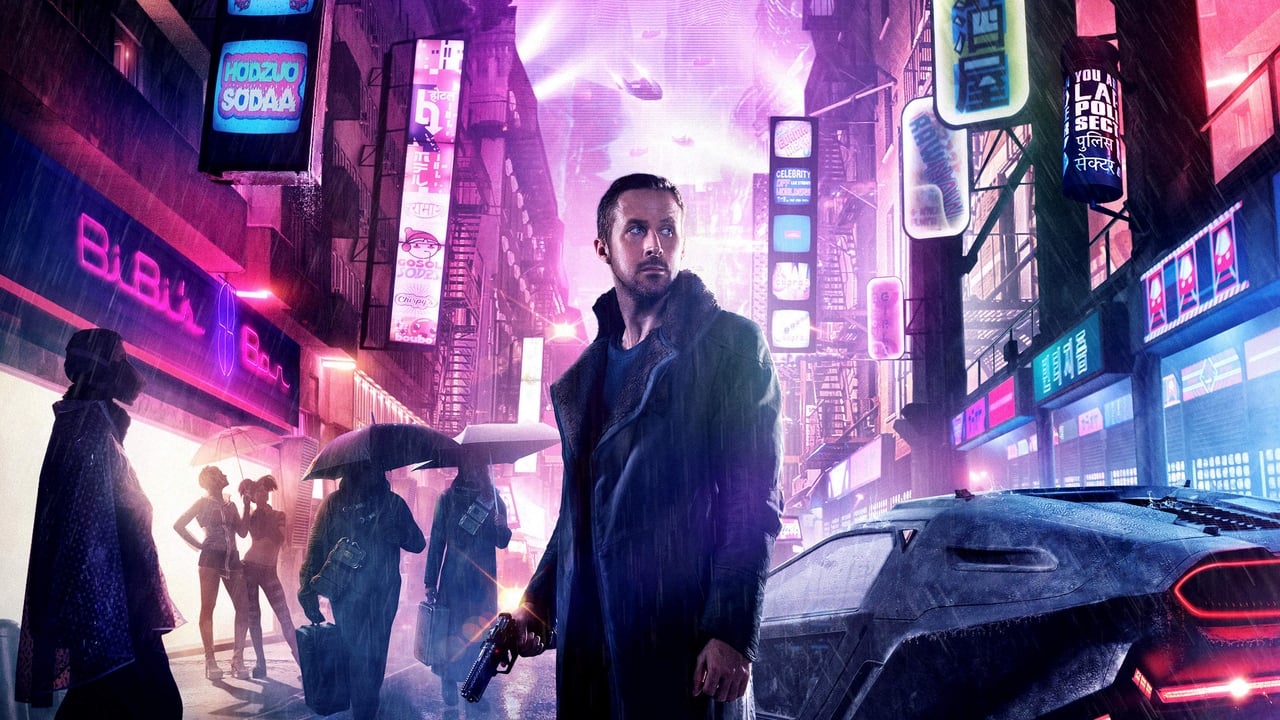
When I first sat down for this 164-minute odyssey, I was nursing a cold cup of Earl Grey that I’d forgotten to drink. The tea was tepid and slightly bitter, which, in a strange way, turned out to be the perfect companion for a movie that feels like it was filmed inside a refrigerator.
The Miracle of the Unnecessary Sequel
Let’s be honest: nobody asked for a sequel to Ridley Scott’s 1982 masterpiece. The original Blade Runner is the patron saint of cult classics—a film that bombed at the box office, was misunderstood by critics, and only achieved legendary status through decades of VHS rentals and obsessive "Final Cut" debates. Making a follow-up thirty years later felt like a recipe for a franchise-branded disaster.
Yet, Denis Villeneuve (the man behind Arrival and Dune) did something impossible. He didn't just replicate the vibe; he expanded the soul of the story. While the original was a noir detective story wrapped in neon, 2049 is a sprawling drama about the crushing weight of wanting to be "special."
Ryan Gosling plays K, a Nexus-9 replicant who hunts his own kind. Gosling is essentially the king of "acting with his eyelids," and here he uses that stoic, repressed energy to perfection. He’s a machine who wants to believe he has a soul, and his journey into the wasteland to find the long-lost Rick Deckard (Harrison Ford) is less about "saving the world" and more about finding a reason to exist. This movie is basically a $150 million art installation that accidentally had a plot.
A World You Can Feel
We have to talk about Roger Deakins. The man finally won his Oscar for this, and frankly, he should have been given a second one just for the lighting in the Wallace Corporation headquarters. The way the water reflections dance on the yellow walls while Jared Leto (playing the messianic Niander Wallace) whispers about the stars is hypnotic.
Unlike the CGI-slop we see in modern superhero flicks, the world here feels tangible. The sets were largely practical; when you see those massive, brutalist buildings, you feel the cold concrete. Even the score, handled by Hans Zimmer and Benjamin Wallfisch, doesn’t offer catchy melodies. It offers assault. It’s a wall of synthesized sound that feels like a physical pressure on your chest.
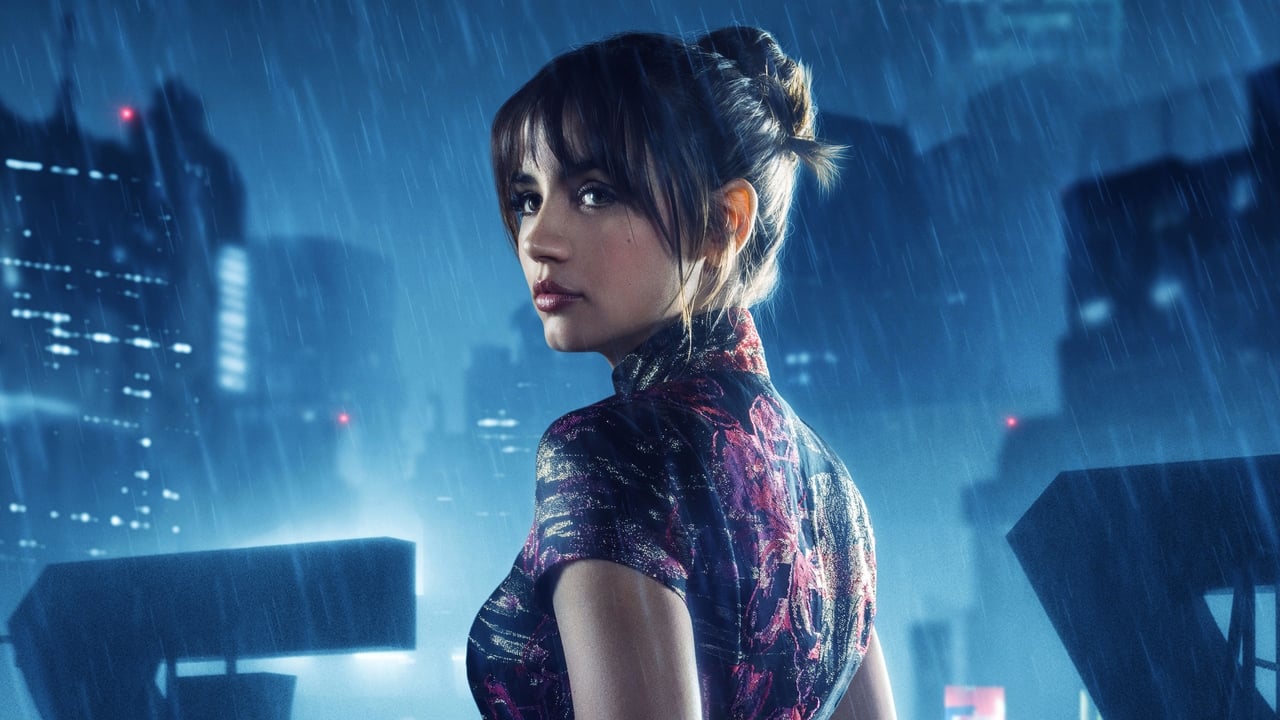
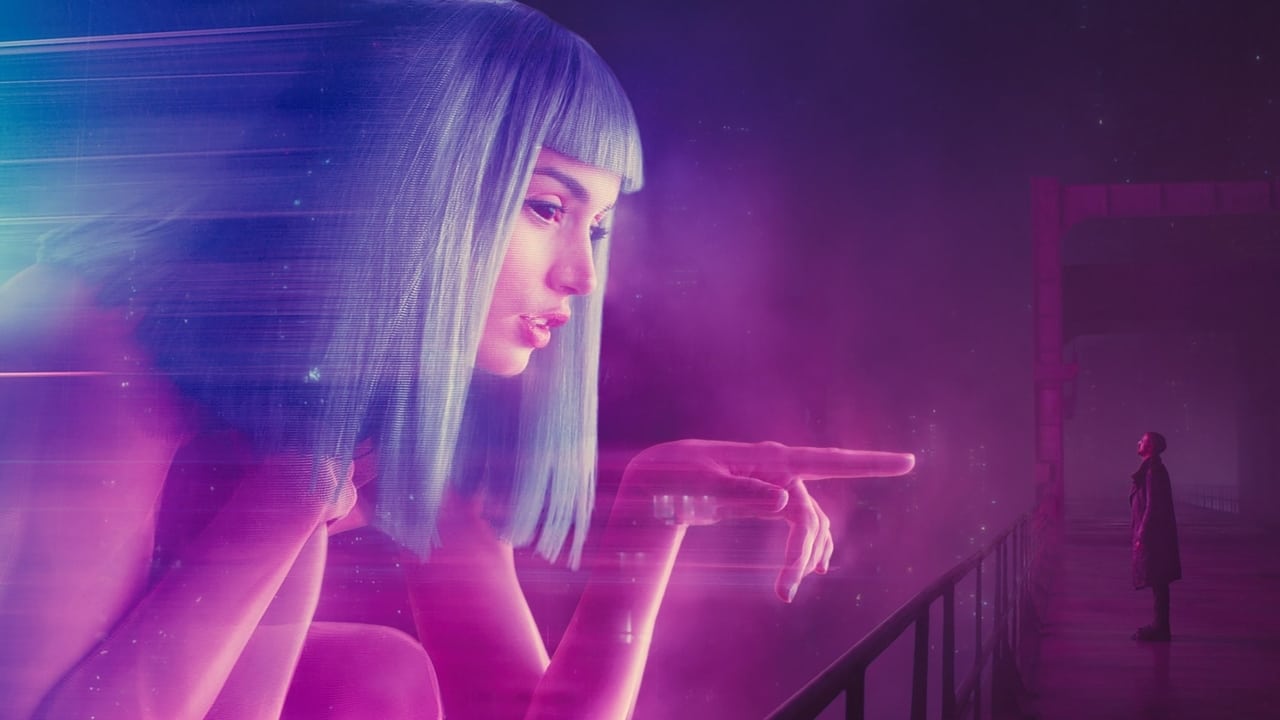
Then there’s Ana de Armas as Joi. In an era of increasing AI anxiety, her performance as a holographic girlfriend is heartbreakingly nuanced. Is she programmed to love K, or does she choose to? The film doesn't give you an easy answer, which is exactly why it’s a drama that lingers in your brain for weeks.
The Stuff You Didn’t Notice
The production was as intense as the film itself. Apparently, Harrison Ford actually punched Ryan Gosling in the face during a fight scene—a real, unscripted left hook. Ford’s apology was allegedly a single bottle of scotch, which feels like the most Rick Deckard move in history.
Interestingly, Denis Villeneuve originally wanted David Bowie to play the villainous Niander Wallace, but the legend passed away before filming began. You can see that "Starman" influence in the character’s theatricality. Also, for the eagle-eyed fans, the "blackout" mentioned in the film was actually explained in a series of animated shorts released before the premiere—a classic "transmedia" move of the late 2010s that helped build the cult lore before the first frame even hit theaters.
While the movie was a bit of a "box office disappointment" (budgeted at $150 million but making only $259 million), it has followed the exact same path as the original. It didn't need to dominate the opening weekend to become essential. It’s a "slow-burn" cult classic for the streaming age, the kind of movie people discover on a rainy Tuesday and then spend three hours reading fan theories about.
Blade Runner 2049 is a rare gift: a big-budget sequel that respects your intelligence. It subverts the "Chosen One" trope in a way that feels genuinely radical for a mainstream movie, trading explosions for existential dread. If you haven't seen it, find the biggest screen possible, turn off the lights, and let the orange dust settle over you. It’s a haunting, beautiful reminder of what cinema can do when it stops trying to be a toy commercial and starts trying to be art.
Keep Exploring...
-
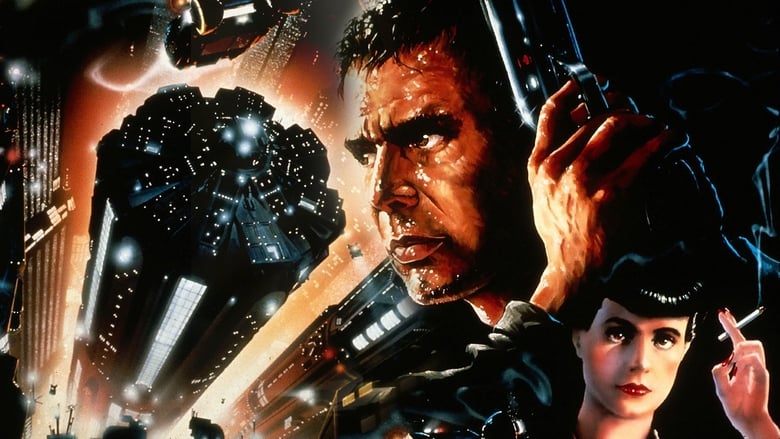
Blade Runner
1982
-
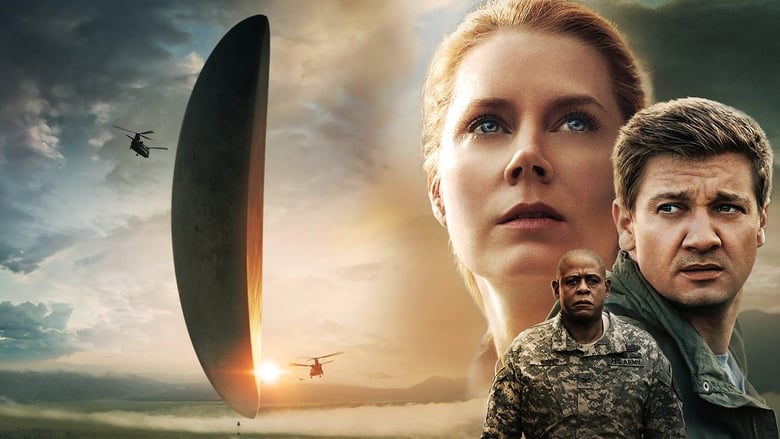
Arrival
2016
-

Dune
2021
-

Logan
2017
-

Okja
2017
-
Don't Look Up
2021
-
Dune: Part Two
2024
-
First Man
2018
-
Ex Machina
2015
-
Black Mirror: Bandersnatch
2018
-
Sicario
2015
-

The Martian
2015
-
Passengers
2016
-
War Dogs
2016
-
War for the Planet of the Apes
2017
-
Ad Astra
2019
-
Batman vs. Robin
2015
-
The Age of Adaline
2015
-
10 Cloverfield Lane
2016
-
The Space Between Us
2017