Borg vs McEnroe
"Fire on the court, ice in the veins."
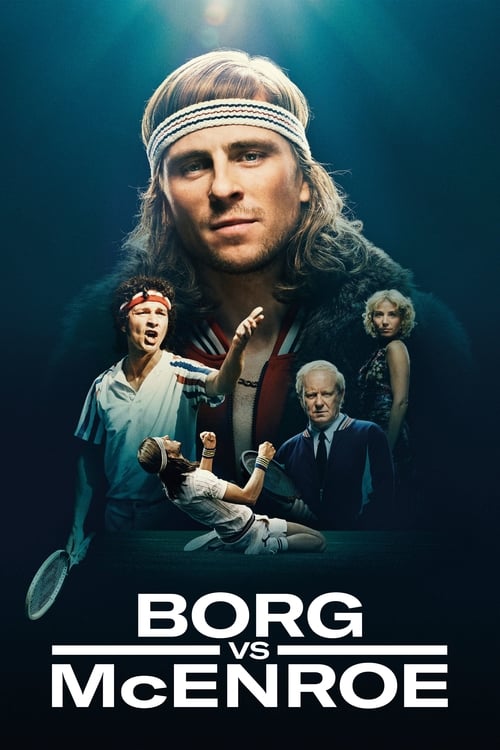
Tennis is often marketed as a gentleman’s game, a sport of polite claps and crisp whites, but Janus Metz’s 2017 film Borg vs McEnroe treats the baseline like a front line in a psychological war. It’s a sports movie that’s surprisingly disinterested in the scoreboards, focusing instead on the frayed nerve endings of two men who were essentially the Beatles of the court. I watched this while mindlessly working through a bag of Swedish Fish—which felt appropriate given the protagonist—only to realize halfway through that I’d stopped chewing because the tension in the second act was making my jaw lock up.
The Mirror and the Mask
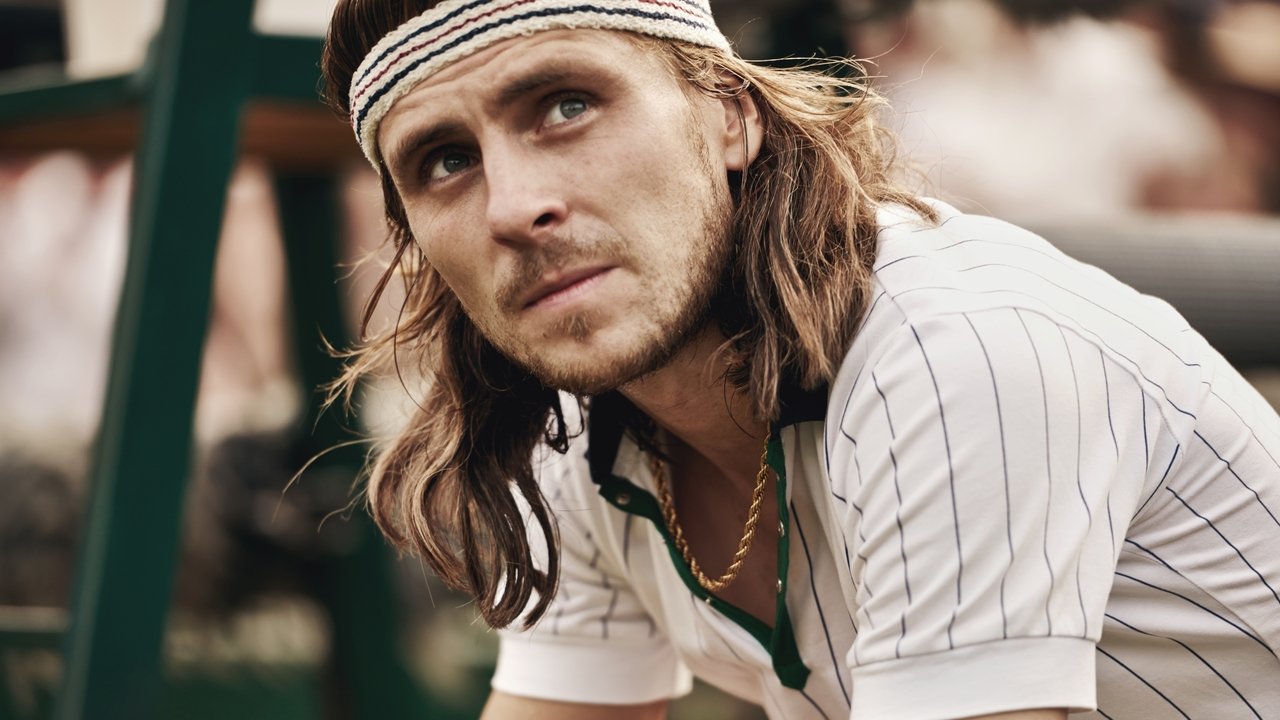
The film centers on the legendary 1980 Wimbledon final, a match often cited as the greatest in the history of the sport. On one side, you have Björn Borg (Sverrir Gudnason), the four-time defending champion known as the "Ice Borg." He is a man of such terrifying composure that you half-expect to find a cooling unit where his heart should be. On the other, the American upstart John McEnroe (Shia LaBeouf), a walking explosion of frizzy hair and "you cannot be serious" tantrums.
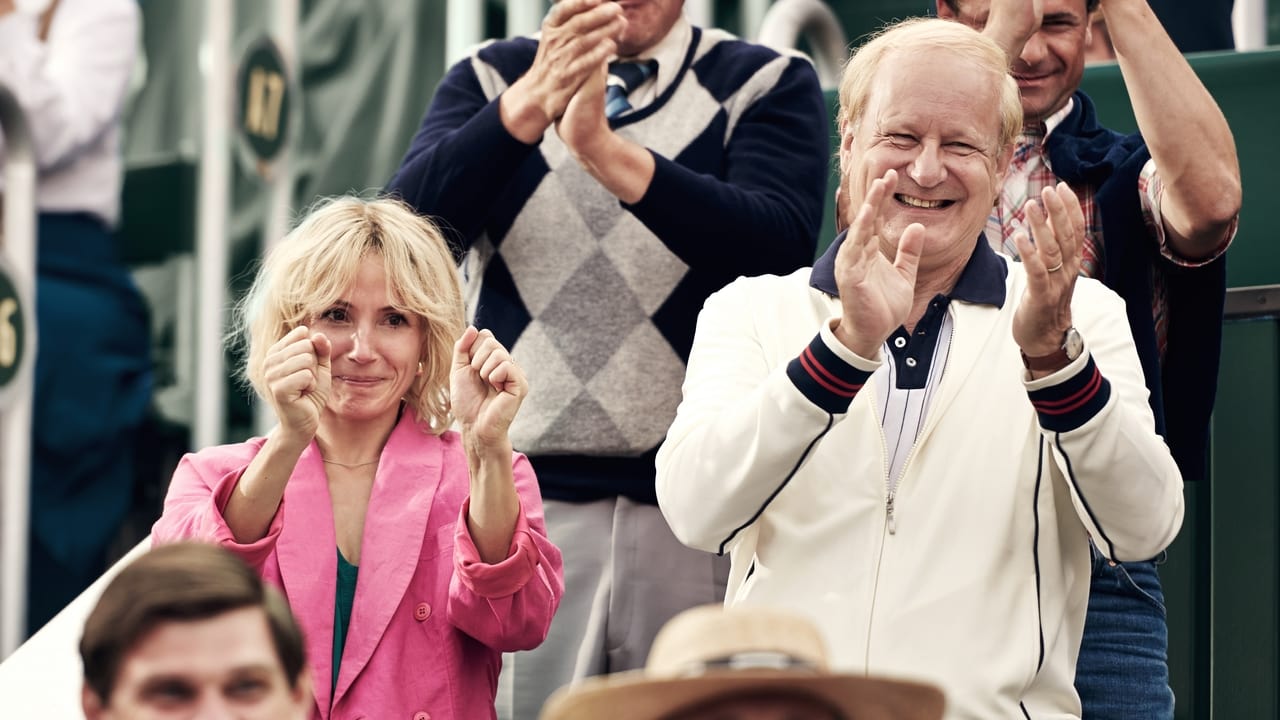
The genius of Ronnie Sandahl’s screenplay is that it rejects the easy "hero vs. villain" narrative. Instead, it suggests that these two men were identical mirrors of the same obsession, just reflected through different temperaments. Borg wasn't naturally calm; he was a volcanic child who was coached into a state of total repression by his mentor, Lennart Bergelin (played with a weary, fatherly soul by Stellan Skarsgård, who I’m convinced could make a grocery list sound like Shakespeare). We see the young Borg (Leo Borg, Björn's actual son, which is a meta-casting touch that adds a layer of eerie authenticity) struggling to contain a rage that McEnroe simply chose to weaponize.
Shia’s Best Work is a Racket
Let’s talk about the casting, because it’s the fuel that keeps this engine running. Sverrir Gudnason doesn't just look like Borg; he inhabits that haunted, thousand-yard stare that suggests a man who hasn’t had a decent night’s sleep since the mid-seventies. But the real headline here is Shia LaBeouf. In 2017, Shia was deep into his own era of performance art and public "meltdowns," making him the only logical choice to play the "Superbrat."
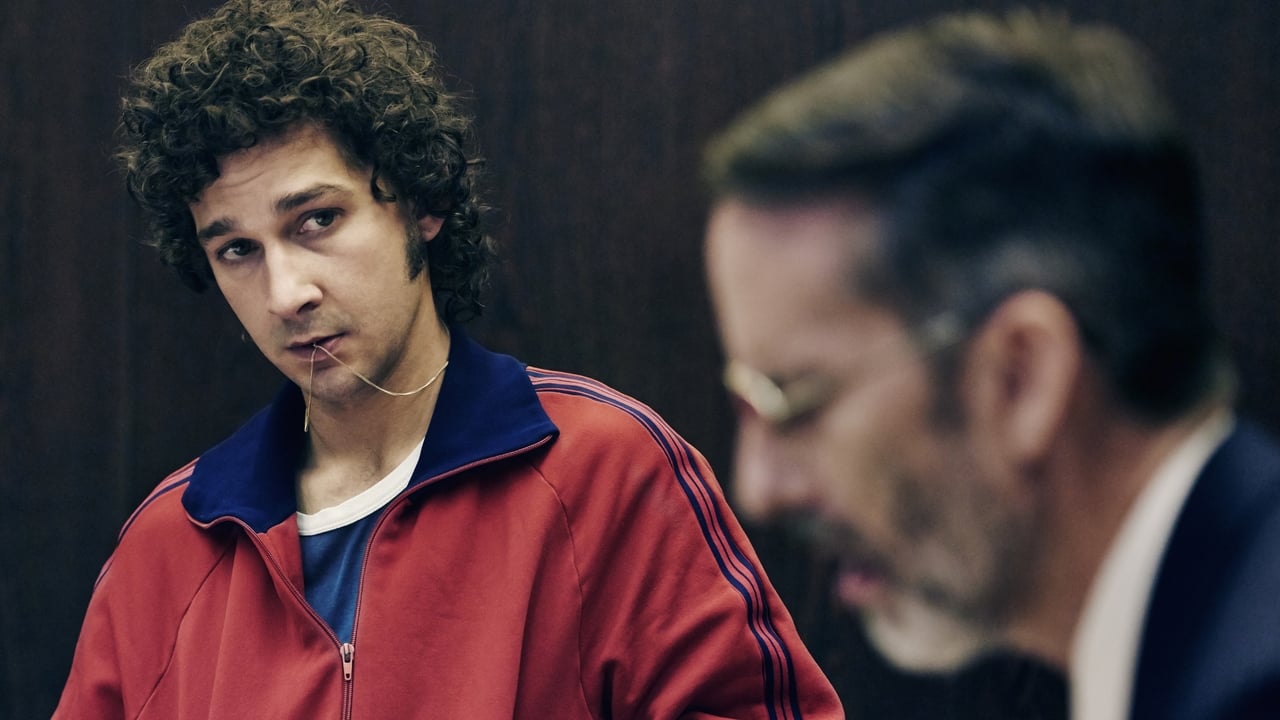
Shia LaBeouf’s performance is so dialed-in that he makes McEnroe’s tantrums feel like a cry for help rather than a spoiled brat’s whim. He captures the twitchy, caffeinated energy of a man who feels everything too much, contrasting beautifully with Gudnason’s stony silence. When they finally meet on the court, the chemistry isn't about dialogue; it’s about the way they occupy the space between points. It’s a high-stakes game of emotional chicken.
The film does a fantastic job of illustrating the isolation of the elite athlete. In an era where we are finally having honest conversations about the mental health of superstars—think Naomi Osaka or Simone Biles—Borg vs McEnroe feels incredibly prescient. It treats their talent like a beautiful, golden cage. Watching these guys play tennis is like watching two people try to solve a Rubik’s Cube while standing on a tightrope.
A Visual Ace
Directed by Janus Metz (who cut his teeth on the gritty documentary Armadillo and episodes of True Detective), the film avoids the flat, broadcast-style cinematography that plagues so many sports biopics. Niels Thastum’s camera is restless and intimate, often hovering inches away from the actors' faces to catch the sweat and the micro-expressions of panic.

The sound design deserves a special mention, too. The "thwack" of the ball hitting the gut strings is amplified to sound like a gunshot, punctuating the silence of the Wimbledon crowd. It turns a tennis match into a thriller. My only real gripe is that the film occasionally leans a bit too hard into the "tortured genius" tropes—we get it, being the best in the world is stressful—but the performances are grounded enough to stop it from becoming a caricature.
In the current landscape of "IP-driven" cinema and endless franchise expansions, there is something deeply refreshing about a tightly wound, 108-minute drama that relies on character beats rather than post-credit teases. It’s a film about the cost of greatness, released at a time when we’re all beginning to wonder if that cost is too high.
This isn't just a movie for people who know what a "love-forty" score means. It’s a sharp, empathetic look at the burden of expectation and the strange kinship found between rivals. Whether you’re a tennis fanatic or someone who couldn't tell a racquet from a snowshoe, the psychological duel at the heart of this film is genuinely gripping. It’s a reminder that sometimes, the most interesting thing about a sport isn’t who wins the trophy, but what they had to kill inside themselves to lift it.
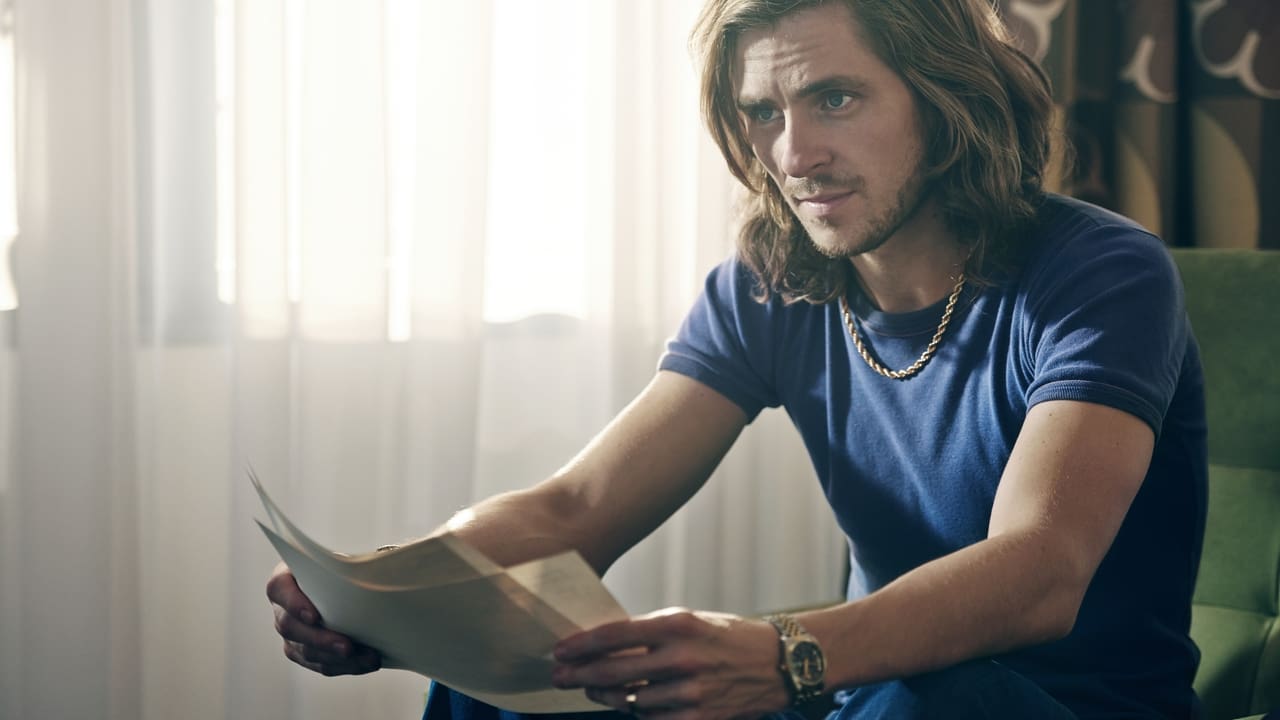
Keep Exploring...
-
Colonia
2015
-

Land of Mine
2015
-
Suffragette
2015
-
The 33
2015
-
Race
2016
-
Risen
2016
-
Battle of the Sexes
2017
-

Detroit
2017
-

The Man Who Invented Christmas
2017
-

The Zookeeper's Wife
2017
-
Victoria & Abdul
2017
-
22 July
2018
-
Т-34
2018
-
Mary Queen of Scots
2018
-

On the Basis of Sex
2018
-
Operation Finale
2018
-
The Current War
2018
-
A Beautiful Day in the Neighborhood
2019
-
An Officer and a Spy
2019
-

Harriet
2019