BPM (Beats per Minute)
"Every heartbeat is a political act."
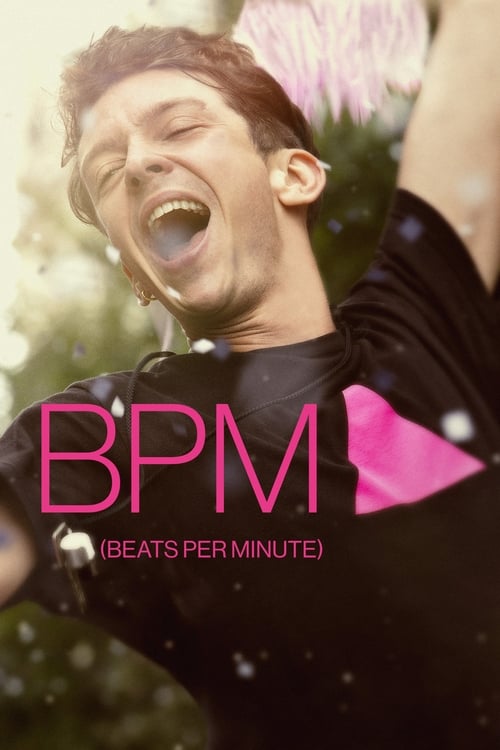
The first time I sat down to watch BPM (Beats per Minute), I was sitting in a drafty indie theater with a lukewarm cup of peppermint tea that I’d accidentally over-steeped. Usually, that kind of bitterness ruins a movie for me, but as the lights dimmed and the rhythmic thrum of 90s house music filled the room, the tea's astringency felt strangely appropriate. Robin Campillo’s 2017 masterpiece isn't interested in sugar-coating the pill; it’s a film about the friction between the dying body and the defiant spirit, and it remains one of the most vital pieces of contemporary cinema I’ve ever experienced.
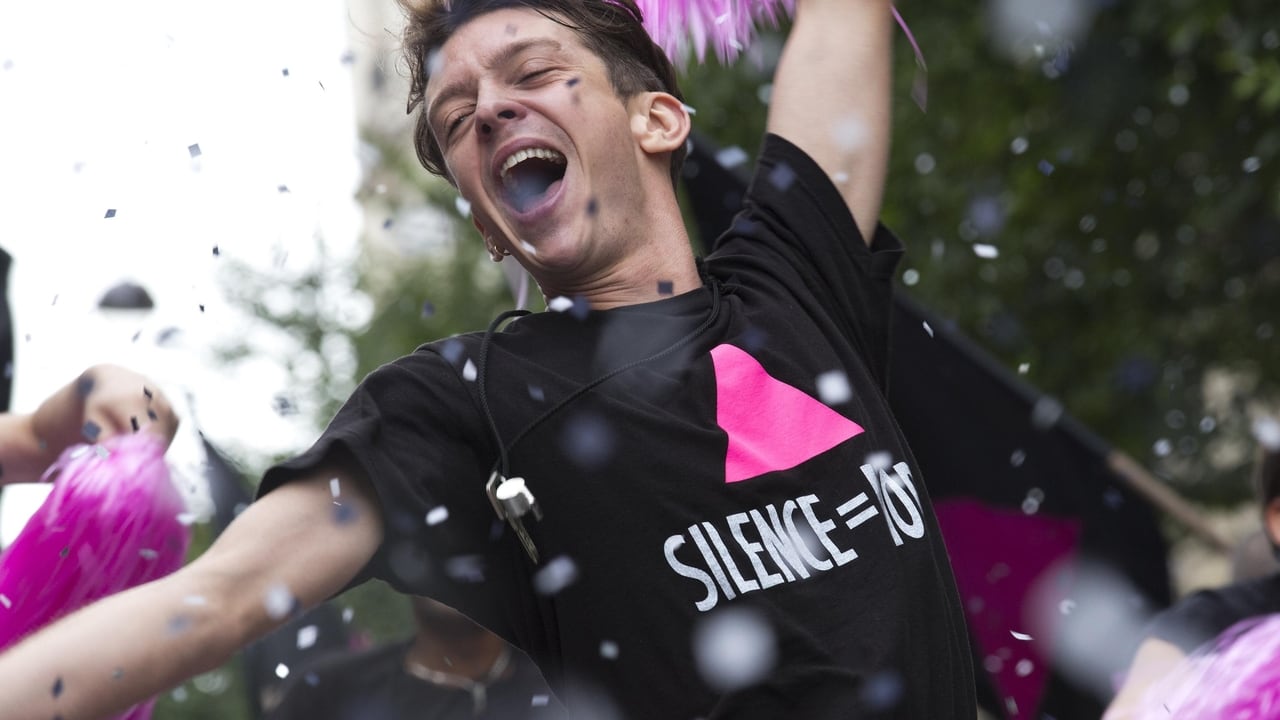
Set in Paris in the early 1990s, the film follows the members of ACT UP-Paris as they battle both a literal plague and the crushing indifference of the French government and big pharma. But this isn't your standard "illness of the week" drama. It’s a cerebral, high-energy exploration of what it means to organize when your internal clock is ticking louder than the music in the club.
The Geometry of a Protest
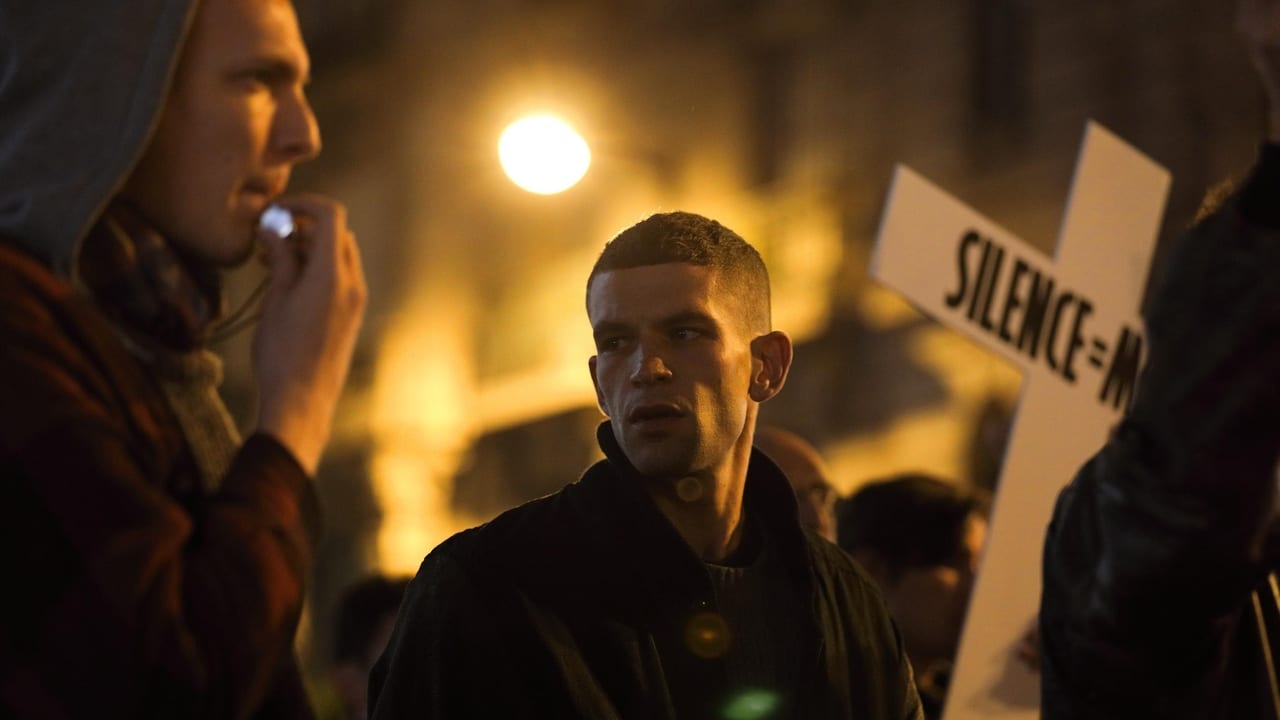
What struck me immediately was how much of the film takes place in a lecture hall. You’d think a movie about the AIDS crisis would focus entirely on hospital beds or street brawls, but Campillo understands that the real "war" happened in the semantics of a flyer or the logistics of a fake-blood toss. These scenes are masterclasses in ensemble acting. Nahuel Pérez Biscayart, playing the fiery Sean, is a revelation. He has this skeletal, frantic energy—he looks like a man who is physically vibrating out of his own skin—and his debates with the more pragmatic Thibault (Antoine Reinartz) provide the film’s intellectual backbone.
I loved the way the camera lingers on the small gestures of democracy: the snapping of fingers instead of clapping (to keep the peace in a shared space), the frantic whispering in the aisles, the way a room full of people can turn a tragedy into a tactical advantage. Most political biopics are as dry as a week-old baguette, but BPM manages to make a committee meeting feel like a thriller. It treats the "how" of activism with as much reverence as the "why."
Dancing Through the Microscopic

There’s a recurring visual motif that I still think about once a week. We transition from the sweaty, ecstatic bodies on a dance floor to a microscopic view of what looks like stars in a galaxy, only to realize we are looking at the virus itself, or perhaps the dust motes of a fading life. It’s a brilliant, cerebral move by Campillo (who also directed the haunting Eastern Boys). It connects the macro—the social movement, the "beats per minute" of the music—to the micro—the literal biological pulse of the characters.
The chemistry between Sean and the newcomer Nathan, played with a quiet, soulful grace by Arnaud Valois, is the emotional anchor. Their relationship doesn't feel like a movie romance; it feels like two people trying to build a house in the middle of a hurricane. Watching Nathan become Sean’s witness is devastating. Adèle Haenel (who many will recognize from Portrait of a Lady on Fire) also brings a fierce, jagged intensity to Sophie, reminding us that for many of these activists, anger was the only thing keeping them upright.
Why This Film Matters Right Now
Reviewing this in our current era—a post-pandemic landscape where we’ve seen the rapid-fire spread of both viruses and misinformation—gives BPM a haunting new layer of relevance. We live in a time of "hashtag activism," but BPM is a tactile reminder of what physical presence looks like. These characters couldn't just post a black square; they had to break into pharmaceutical offices and handcuff themselves to radiators.

Behind the scenes, the film carries a deep sense of authenticity because Campillo and co-writer Philippe Mangeot were actually members of ACT UP-Paris during this era. They aren't guessing what those rooms felt like; they are remembering them. This isn't a "period piece" made by outsiders; it’s an act of collective memory. Despite a modest budget of around $6.6 million, the film feels expansive because its stakes are infinite. It’s a movie that demands you pay attention to the world outside your own window.
BPM is an exhausting, exhilarating, and deeply philosophical piece of work. It manages to be a celebration of life and a mourning ritual all at once, refusing to settle for easy sentimentality. If you don’t cry during the final act, you might actually be a pharmaceutical executive. It’s a film that stays with you long after the house music fades, a reminder that even when the rhythm stops, the impact of the dance remains.

Keep Exploring...
-

Bāhubali: The Beginning
2015
-

A Street Cat Named Bob
2016
-

A Taxi Driver
2017
-
See You Up There
2017
-
The Specials
2019
-

Evangelion: 3.0+1.0 Thrice Upon a Time
2021
-
The Hand of God
2021
-

Portrait of a Lady on Fire
2019
-

The Count of Monte Cristo
2024
-

A Man Called Ove
2015
-

The Boy and the Beast
2015
-
I, Daniel Blake
2016
-
Italian Race
2016
-
God's Own Country
2017
-

I Want to Eat Your Pancreas
2018
-

On My Skin
2018
-
The Boy Who Harnessed the Wind
2019
-

A Whisker Away
2020
-

Clouds
2020
-
If Anything Happens I Love You
2020