Bright
"High-fantasy grit meets high-speed pursuit."
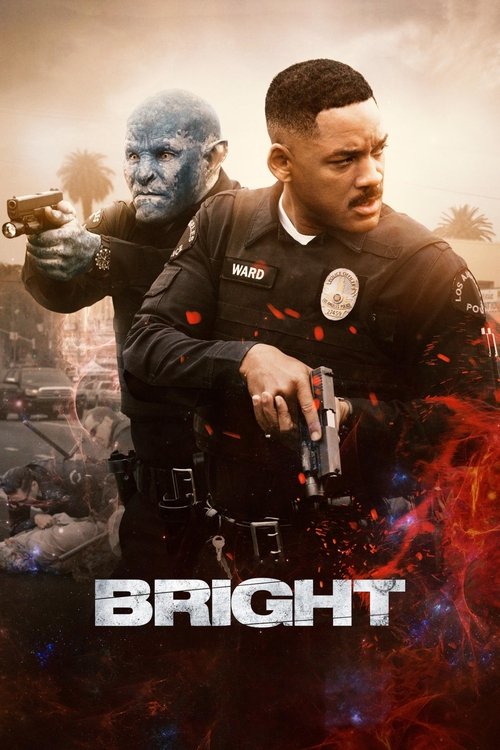
I remember exactly where I was when the trailer for Bright dropped. I was hunched over a laptop in a dimly lit dorm room, nursing a lukewarm Diet Coke and trying to figure out if Netflix was actually serious. Orcs in SWAT vests? Elves in Gucci? It felt like a fever dream birthed from a late-night Reddit thread or a particularly chaotic session of Shadowrun. Fast forward to release night: I watched the whole thing while sitting on a beanbag chair that was slowly leaking its foam guts onto the floor, and honestly, that weird, slightly uncomfortable experience perfectly mirrored the film itself.
The Netflix Big Bang
In the grand timeline of the "Streaming Era," Bright is the primordial soup. Before this, Netflix was the place you went for prestige dramas like House of Cards or to catch up on The Office for the tenth time. Then David Ayer—fresh off the polarizing chaos of Suicide Squad (2016)—teamed up with screenwriter Max Landis to drop a $90 million grenade into the middle of the traditional theatrical window. This wasn't just a movie; it was a manifesto. It signaled that the small screen was ready to eat the big screen’s lunch, and it did so by blending the "street-level grit" of Ayer's End of Watch (2012) with the high-fantasy tropes of Tolkien.
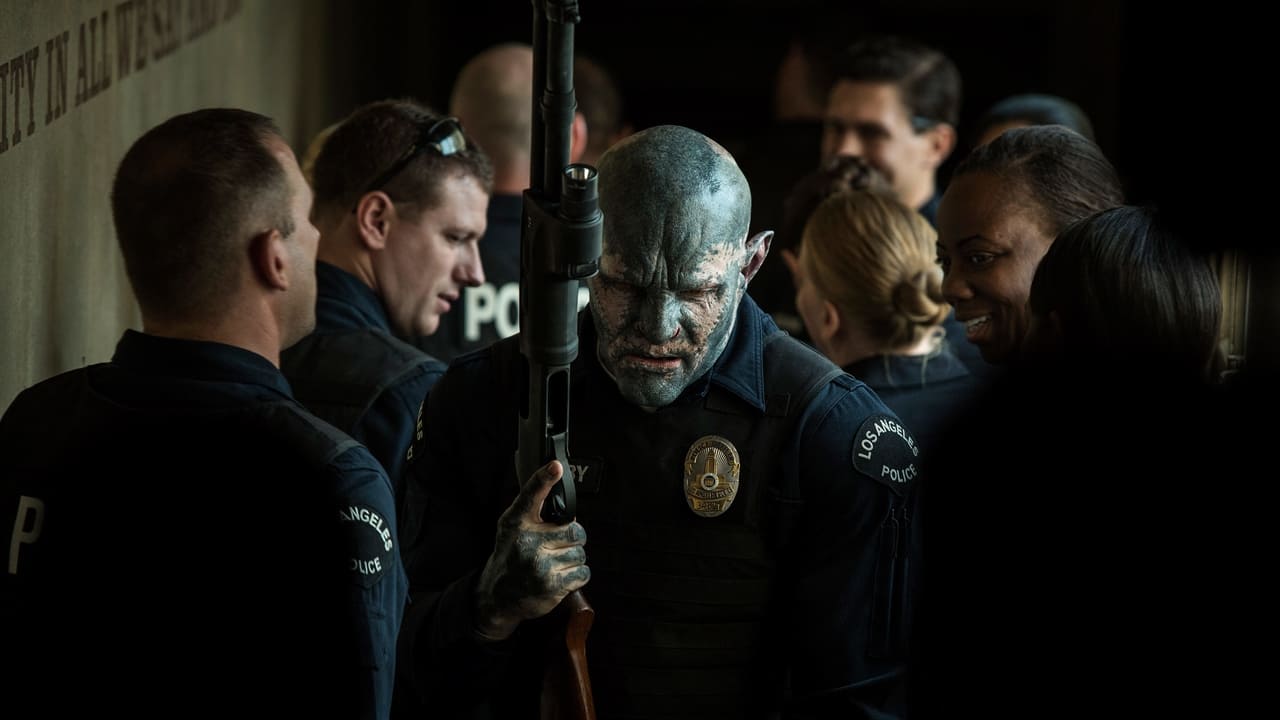
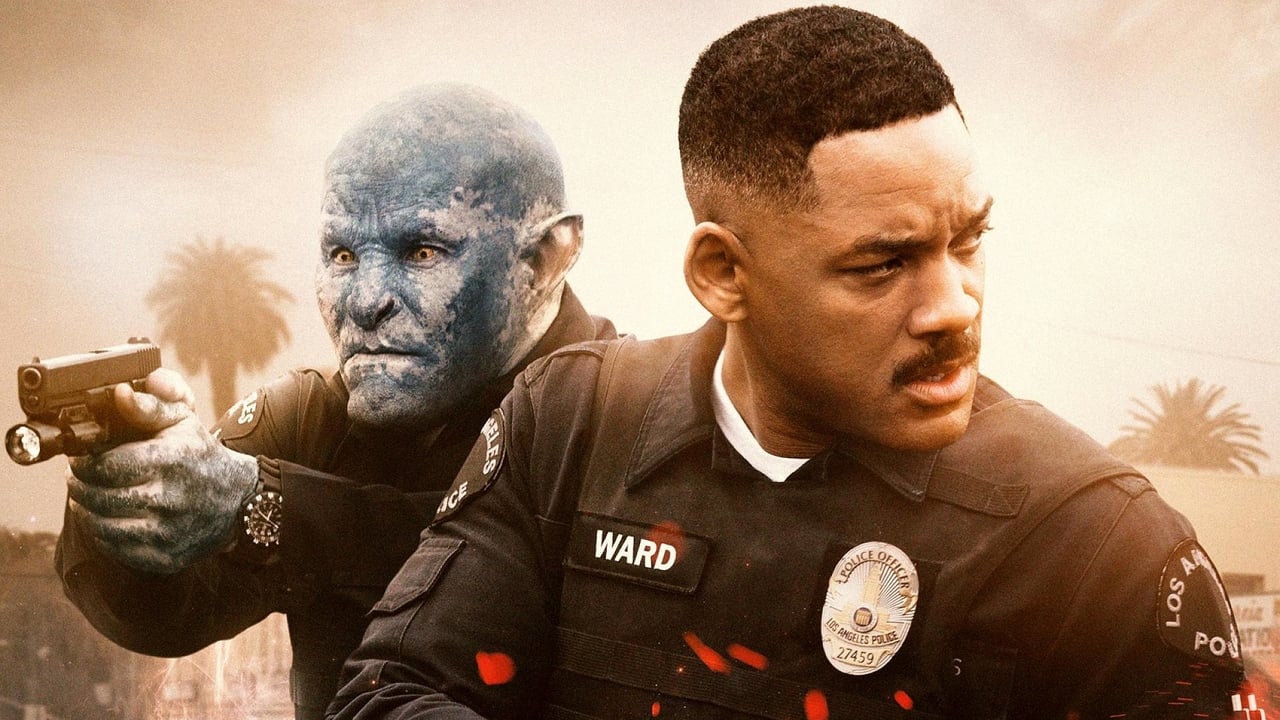
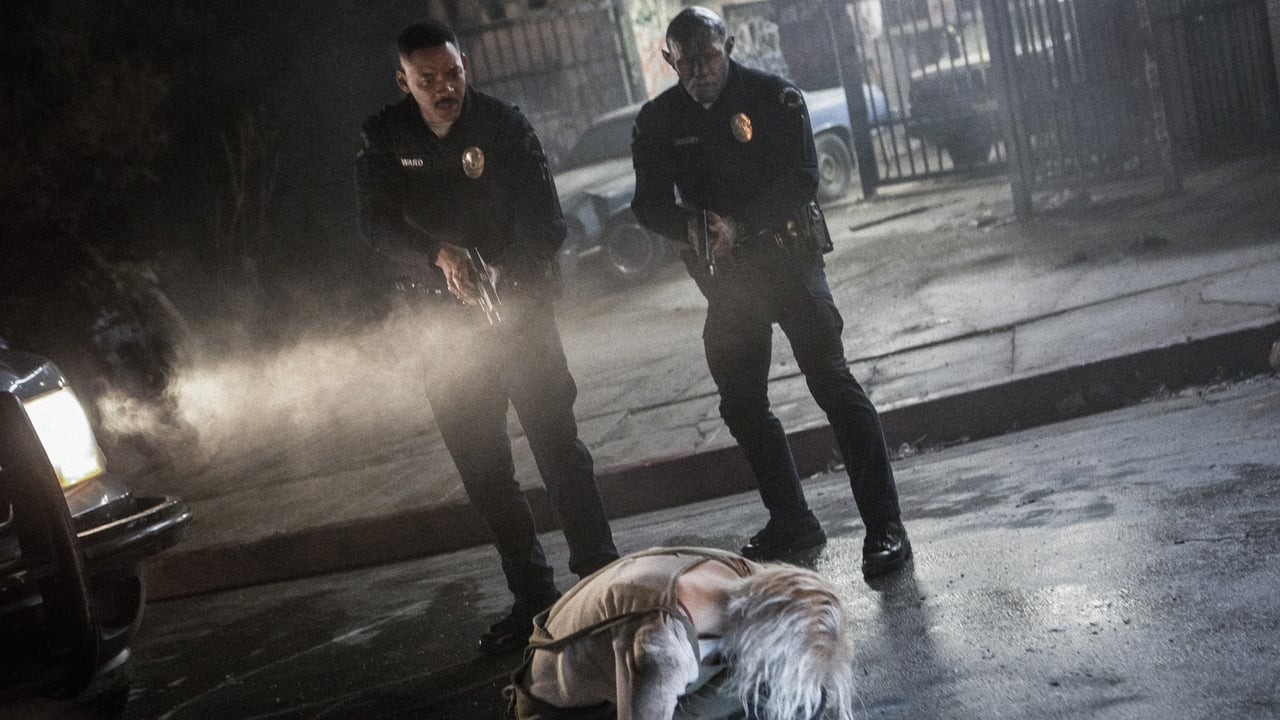
The premise is undeniably catchy: Daryl Ward (Will Smith) is a cynical LAPD officer partnered with Nick Jakoby (Joel Edgerton), the first Orc on the force. They live in an alternate Los Angeles where magic is real but heavily regulated, and Orcs are treated as a marginalized underclass due to some ancient history involving a "Dark Lord." When the pair stumbles upon a rare magic wand—essentially a nuclear pipe bomb in the wrong hands—they end up on the run from corrupt cops, street gangs, and "Brights" (elves capable of wielding magic).
Tactically-Minded Orcs and Neon Grime
Say what you want about David Ayer, but the man has a "look." Los Angeles in Bright feels lived-in, sweaty, and perpetually covered in a layer of neon-tinted grime. The action choreography is where the film really earns its keep. Ayer treats a shootout in a convenience store with the same tactical weight he gave the tank battles in Fury (2014). There’s a weight to the gunfights and a frantic energy to the chases that keeps the momentum humming, even when the logic starts to fray at the edges.
The standout, however, isn't the gunplay; it’s Joel Edgerton. Buried under layers of prosthetic makeup that took three hours to apply every single morning, Edgerton manages to be the beating heart of the movie. While Will Smith is doing his classic, charismatic "I’m too old for this" routine, Edgerton’s Jakoby is genuinely moving as a guy just trying to belong in a world that hates him for his tusks. Apparently, Edgerton spent months working on a specific "Orc voice" that sounded like he was speaking through a mouthful of marbles, and it adds a layer of vulnerability that the script arguably didn't deserve.
The Hammer-to-the-Forehead Metaphor
Now, we have to talk about the elephant—or the Orc—in the room. The social commentary has the subtlety of an orc-strength sledgehammer to the forehead. The film tries to use the Orc/Elf divide as a stand-in for real-world racial and class tensions in America, but it’s messy. It’s the kind of world-building where you have to stop and ask: "Wait, if the Dark Lord was defeated 2,000 years ago, why is the culture exactly the same as our 2017?"
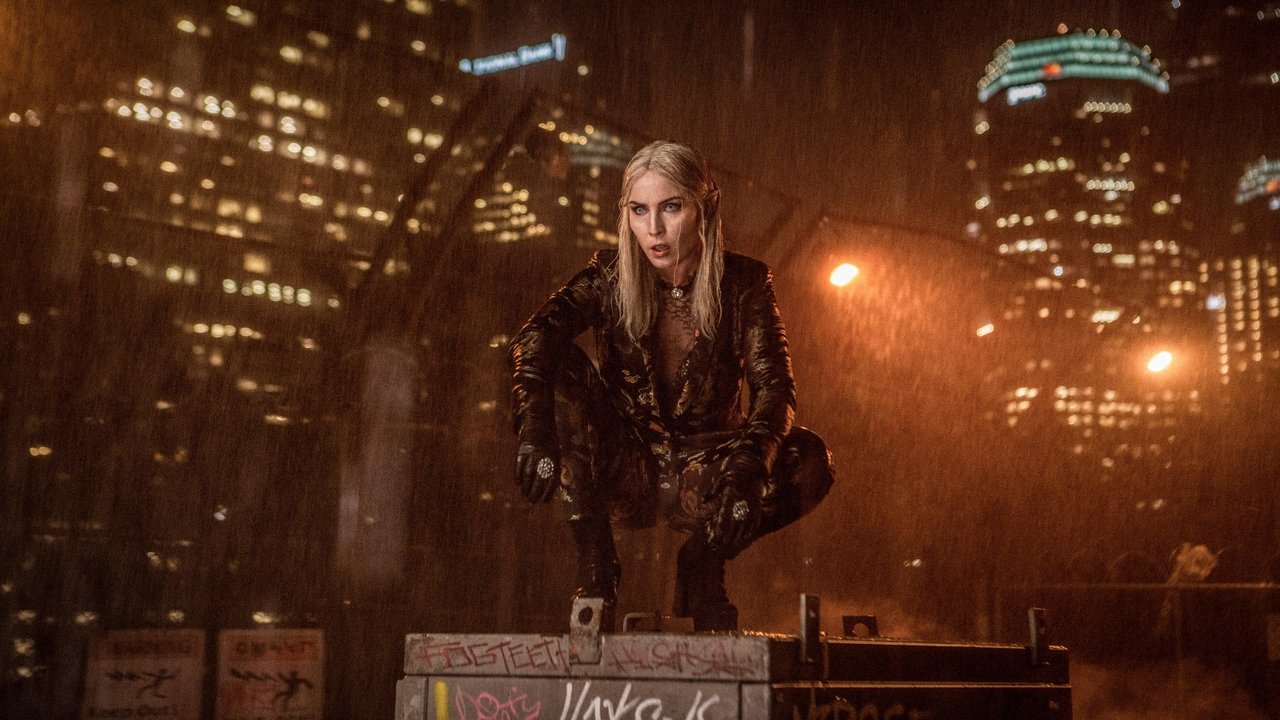
It’s a bizarre mix of fascinating lore and head-scratching execution. Noomi Rapace (the original The Girl with the Dragon Tattoo) shows up as the villainous Leilah, looking cool in a suit but having almost zero lines of actual character development. She’s more of an "action obstacle" than a person. And yet, there’s something undeniably charming about the sheer audacity of it all. It’s a B-movie with an A-list budget that refuses to apologize for its own absurdity.
A Cult Object in the Algorithm
Despite the critical drubbing it received—critics acted like the movie had personally insulted their grandmothers—Bright became a massive hit for Netflix. It’s one of the first true "cult classics" of the streaming age. It didn't need a box office return to prove its worth; it just needed millions of people to click "Play" on a Tuesday night.
Interestingly, Will Smith actually turned down a sequel to Independence Day to make this, which tells you how much faith the industry had in this "new" way of making movies. While the planned sequel eventually died in development hell (likely a mix of the Max Landis controversies and Smith’s infamous Oscars moment), the original remains a fascinating relic of a time when Netflix was still taking wild, experimental swings with massive amounts of cash.
The film even took home an Academy Award for Best Makeup and Hairstyling, beating out heavy hitters like Wonder and Victoria & Abdul. When you look at the intricate detail on the background Orcs—each with unique skin textures and dental work—you can see where that $90 million went. It’s a film that looks expensive, feels dirty, and plays like a tabletop RPG campaign that got way out of hand.
At the end of the day, Bright is a glorious mess. It’s a film that tries to do ten different things and only succeeds at about four of them, but those four things—the atmosphere, Joel Edgerton's performance, the tactical action, and the "what-the-hell" factor—make it worth the 117 minutes. It’s the ultimate "guilty pleasure" of the late 2010s, a reminder that cinema doesn't always have to be refined to be memorable. Sometimes, you just want to see an Elf in a fedora get punched in the face.

Keep Exploring...
-
Suicide Squad
2016
-
Day Shift
2022
-
Gemini Man
2019
-

Underworld: Blood Wars
2016
-
Robin Hood
2018
-
A Working Man
2025
-
The Mummy
2017
-
The Old Guard
2020
-
Sabotage
2014
-
Bad Boys for Life
2020
-
The Hunt
2020
-

In the Heart of the Sea
2015
-
Pixels
2015
-
Point Break
2015
-
Run All Night
2015
-
Terminator Genisys
2015
-
The Last Witch Hunter
2015
-

Inferno
2016
-
Jack Reacher: Never Go Back
2016
-
The Great Wall
2016