Call Me by Your Name
"A summer of firsts, a lifetime of echoes."
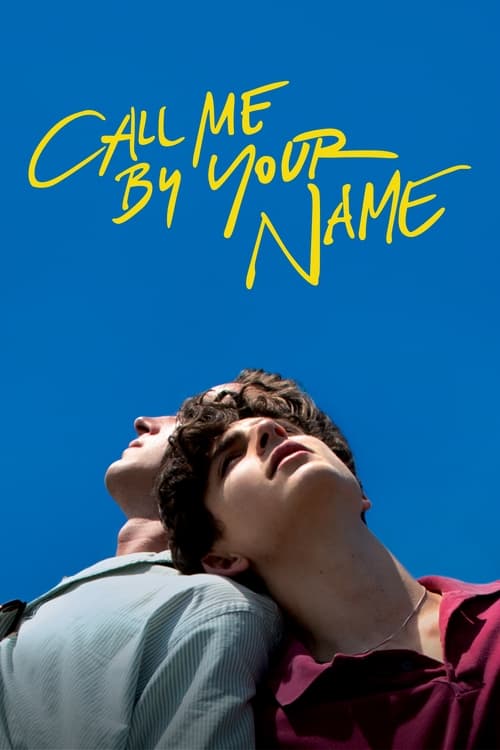
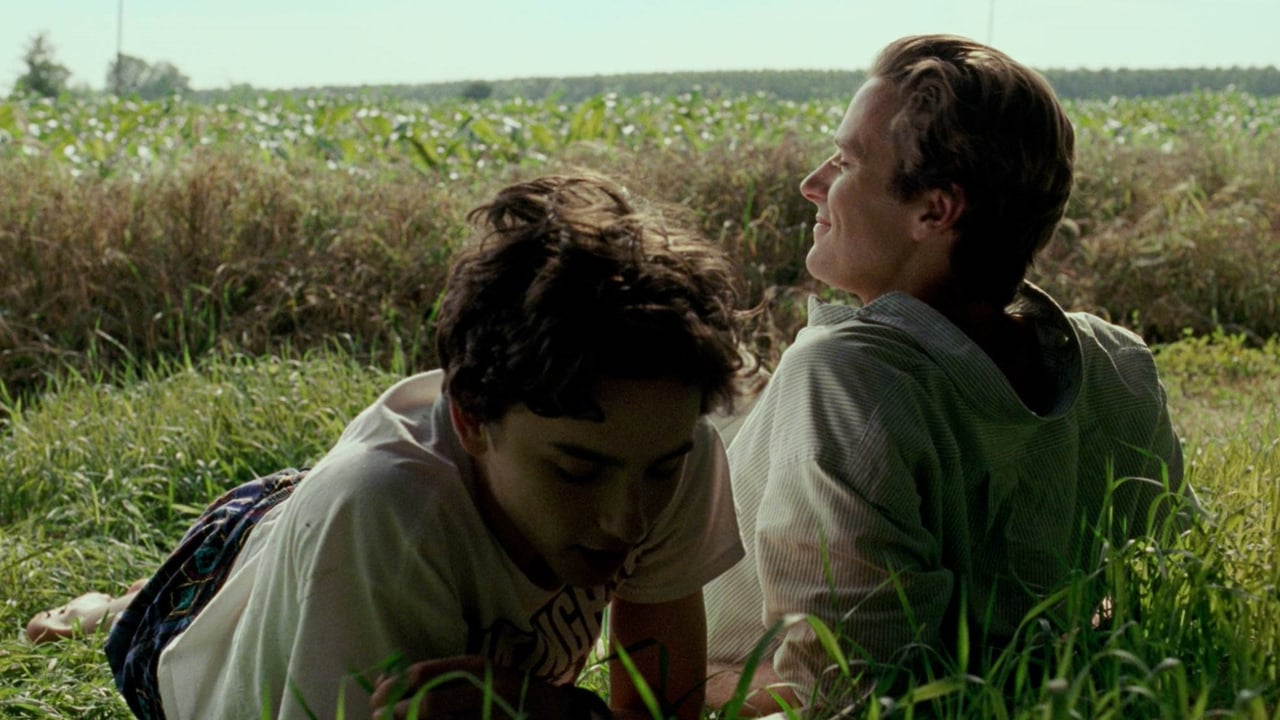
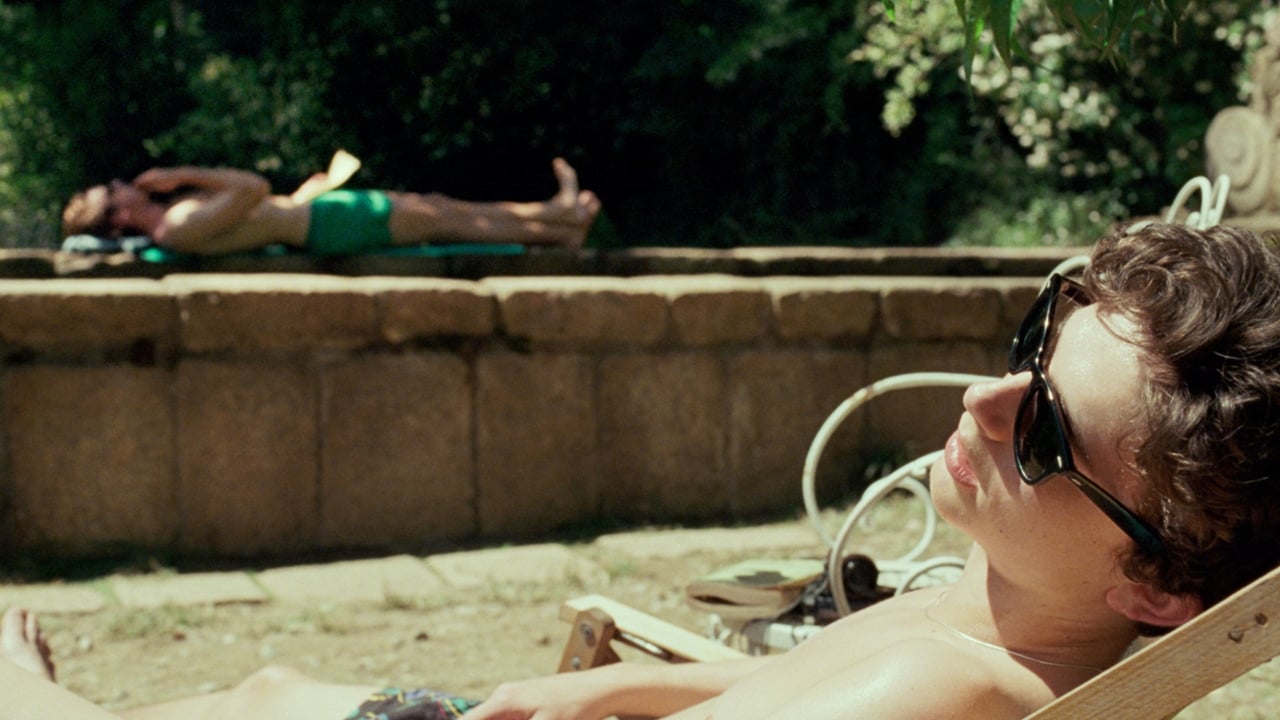
The sound of cicadas in a Lombardy summer is a very specific kind of auditory torture. It’s a rhythmic, buzzing heat that suggests time has stopped moving entirely, leaving you stranded in a pool of sweat and teenage boredom. That’s exactly where we find Elio at the start of Call Me by Your Name, and it’s that tactile, sun-drenched atmosphere that makes the film feel less like a movie and more like a half-remembered dream of a July you never actually had.
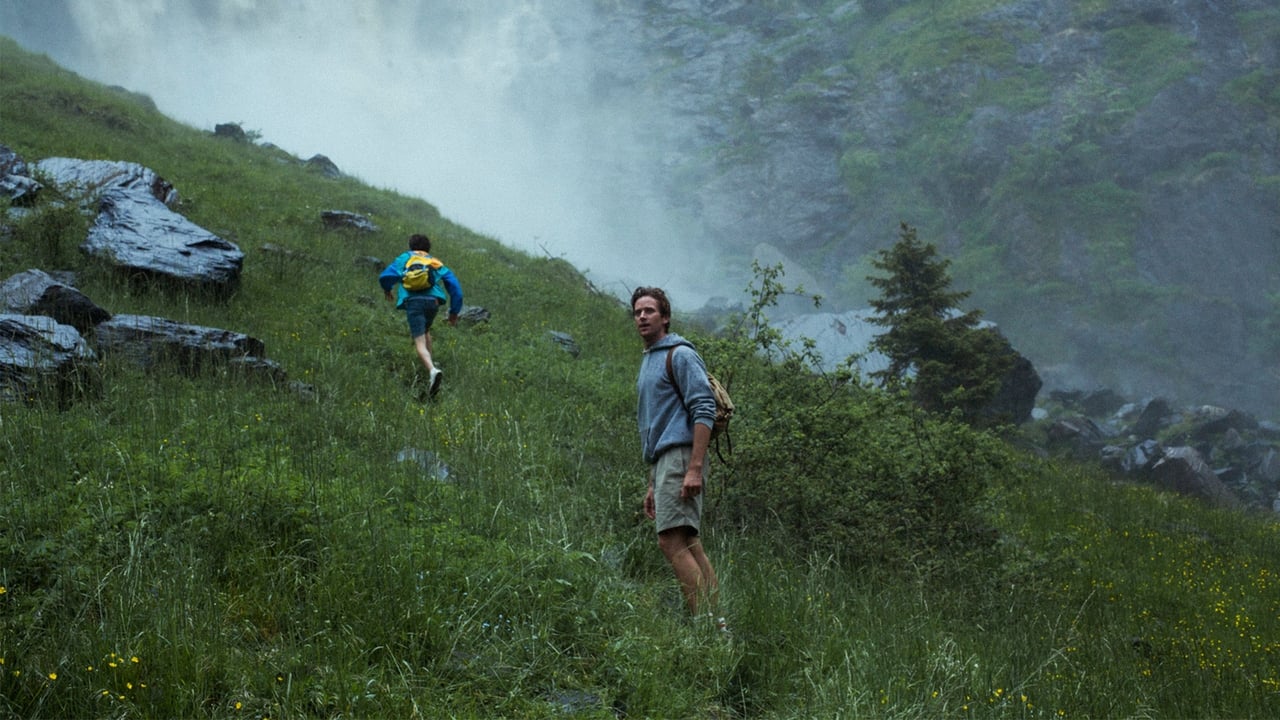
I watched this for the third time on a laptop with a slightly sticky "R" key because I’d spilled a drop of peach jam on it earlier—an irony that was not lost on me, though it made typing my notes a minor logistical nightmare. But even on a smudged screen, the film’s 35mm texture radiates. In an era of digital perfection and Marvel-grade color grading, Luca Guadagnino’s 2017 masterpiece feels like it was filmed through a jar of apricot preserves.
The Physics of Longing
At its core, this is a story about the agonizingly slow burn of attraction. Timothée Chalamet, in a role that effectively launched him into the stratosphere of "Internet Boyfriends" and prestige heavyweights, plays Elio with a jittery, feral intelligence. He’s 17, multilingual, and desperately trying to look like he isn't bothered by the arrival of Oliver, the American graduate student played by Armie Hammer.
Armie Hammer brings a "movie star" physicality that is essential here. He’s a golden-god archetype—tall, confident, and prone to shouting "Later!" as he exits a room with a breezy arrogance that would be infuriating if it weren't so magnetic. The chemistry between the two isn't immediate fireworks; it’s more like the way a bruise develops—slow, tender, and eventually impossible to ignore. The way these two men circle each other in those tiny Italian short-shorts is a masterclass in the cinematic language of "wanting to jump someone's bones while pretending to talk about Heraclitus."
The film excels because it understands that in a drama about first love, the "big moments" aren't actually that big. It’s the brush of a shoulder, the sharing of a pair of headphones, or the way a foot lingers a second too long under a table. Guadagnino doesn't rush. He lets the camera sit on the fountain, the dusty roads, and the overripe fruit, forcing the audience to live in the same agonizing anticipation as Elio.
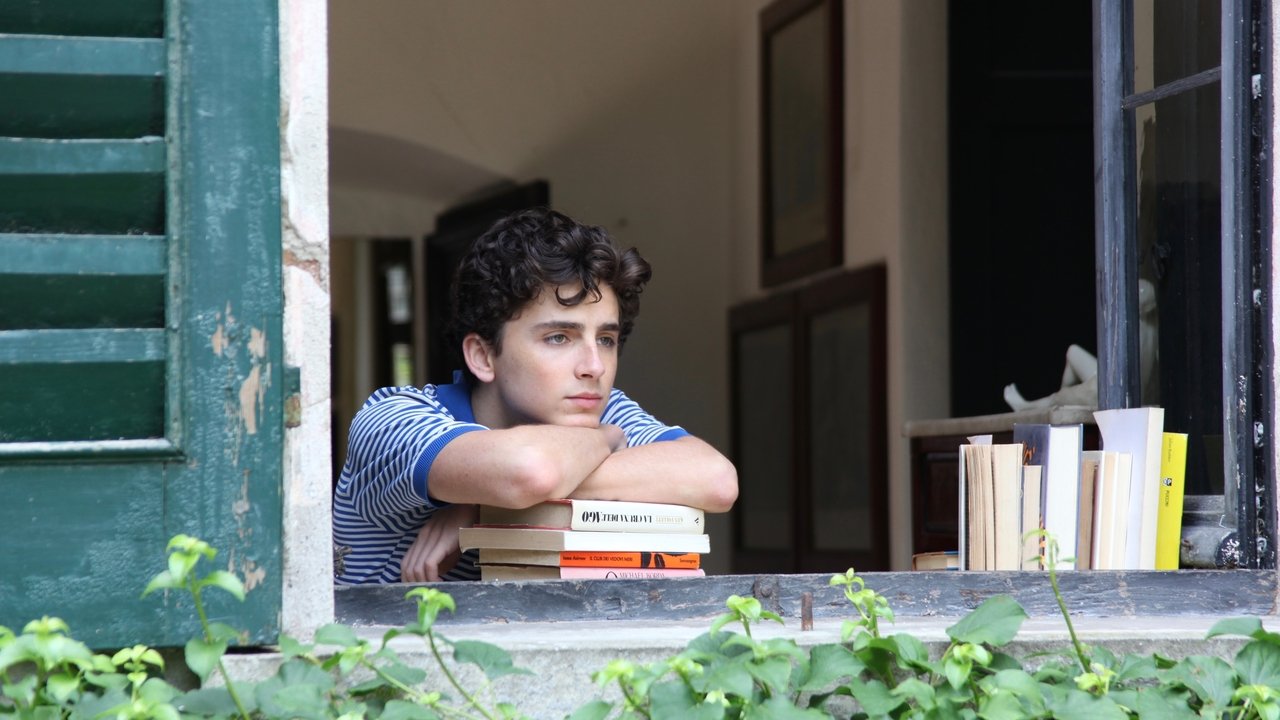
The Prestige of the Quiet Moment
While the romance is the engine, the supporting cast provides the soul. Michael Stuhlbarg, who had a legendary 2017 (appearing in this, The Shape of Water, and The Post), delivers what might be the greatest "cool dad" monologue in the history of cinema. His final conversation with Elio is the film's emotional backbone, elevating it from a standard coming-of-age flick to a profound exploration of human empathy. It’s a scene that earned its prestige status not through histrionics, but through a gentle, devastating honesty.
The screenplay by James Ivory (the legendary director of A Room with a View) is a miracle of adaptation. Ivory became the oldest person to win a competitive Oscar at age 89 for this script, and you can feel his decades of experience in the way the dialogue feels both hyper-literate and completely natural. He knows when to let the actors speak and when to let the score by Sufjan Stevens do the heavy lifting. "Mystery of Love" isn't just a song; it's a structural element of the film that captures the fleeting, ethereal nature of a summer fling.
Why It Matters Now
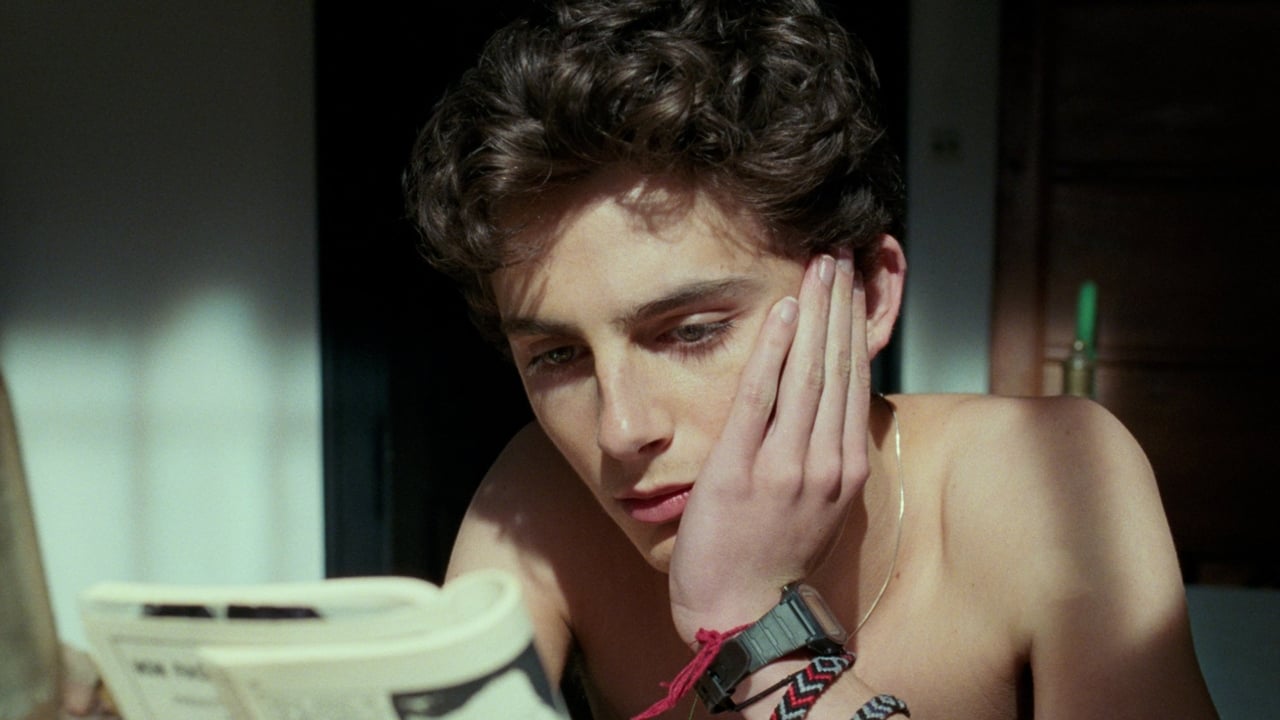
Released during a peak moment for queer cinema—sandwiched between Moonlight and Portrait of a Lady on Fire—Call Me by Your Name avoided the "tragic queer" tropes that defined earlier eras. There are no villains here. There is no external violence. The conflict is entirely internal and relational. In our current landscape of franchise fatigue and "content" designed for TikTok-shortened attention spans, this movie demands that you slow down.
It’s a film that benefited immensely from the festival-to-prestige-pipeline, building a massive amount of "Film Twitter" buzz before it even hit wide release. It’s one of the few movies from the late 2010s that feels like it will be studied in twenty years, not just for its performances, but for its sensory direction. Saying this movie is just about a peach is like saying 'Jaws' is just about a fish—it misses the sheer, overwhelming atmosphere of the thing.
There’s a specific kind of heartbreak in watching a film that is so clearly about the transience of time. By the time the snow falls in the final act and the 1980s synth-pop fades out, you feel the weight of that lost summer as if it were your own. It’s a reminder that even if a relationship doesn't last, the version of yourself that existed within it is worth honoring.
The film concludes on what might be the most daring final shot of the 21st century: a nearly four-minute long take of Timothée Chalamet staring into a fireplace while the credits roll. It’s a bold, confident ending that trusts the actor and the audience implicitly. As Elio’s face shifts from grief to a faint, knowing smile, you realize you haven't just watched a movie—you’ve lived through a season. It’s a quiet, devastating triumph that lingers long after the cicadas stop buzzing.
Keep Exploring...
-

Bones and All
2022
-

Little Women
2019
-

La La Land
2016
-

Me Before You
2016
-
Love, Simon
2018
-

Five Feet Apart
2019
-

A Silent Voice: The Movie
2016
-

The Handmaiden
2016
-

Your Name.
2016
-

Challengers
2024
-
The Shape of Water
2017
-

Midnight Sun
2018
-
Anomalisa
2015
-

Carol
2015
-
The Age of Adaline
2015
-
Sing Street
2016
-

Professor Marston and the Wonder Women
2017
-
The Big Sick
2017
-
A Star Is Born
2018
-
Cold War
2018