Cargo
"A father’s love has forty-eight hours."
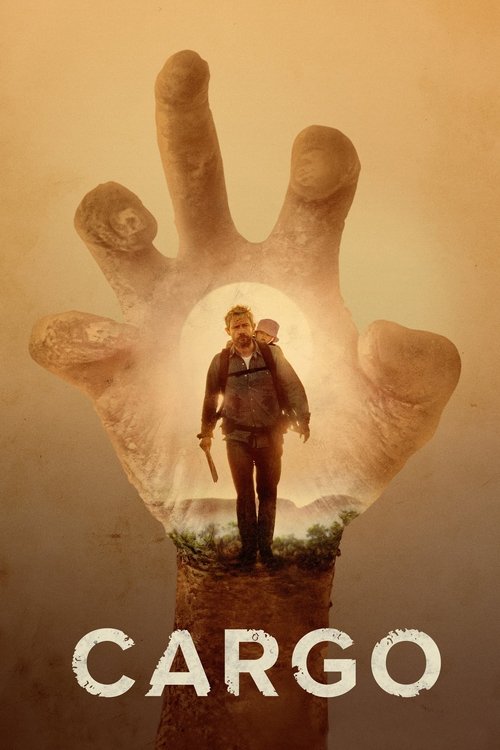
Most zombie movies start with a scream, but Cargo starts with a heavy, exhausted sigh. It drops us right into the middle of the Australian Outback, where the horizon is endless, the sun is punishing, and the "monsters" aren't just hiding in the shadows—they’re burying their heads in the dirt like macabre ostriches. I watched this one on a rainy Tuesday while drinking a tepid cup of peppermint tea I’d forgotten about for forty minutes, and honestly, the cold tea felt appropriate for the bleak, damp atmosphere this film cultivates.

We’ve all been through "zombie fatigue." By 2017, The Walking Dead had already turned the apocalypse into a repetitive soap opera, and the genre felt like it was running on fumes. But Yolanda Ramke and Ben Howling (expanding on their own 2013 viral short film) realized that the most terrifying thing isn't being eaten; it’s knowing you’re about to turn into a monster and having no one to leave your baby with.
The Clock on the Wrist
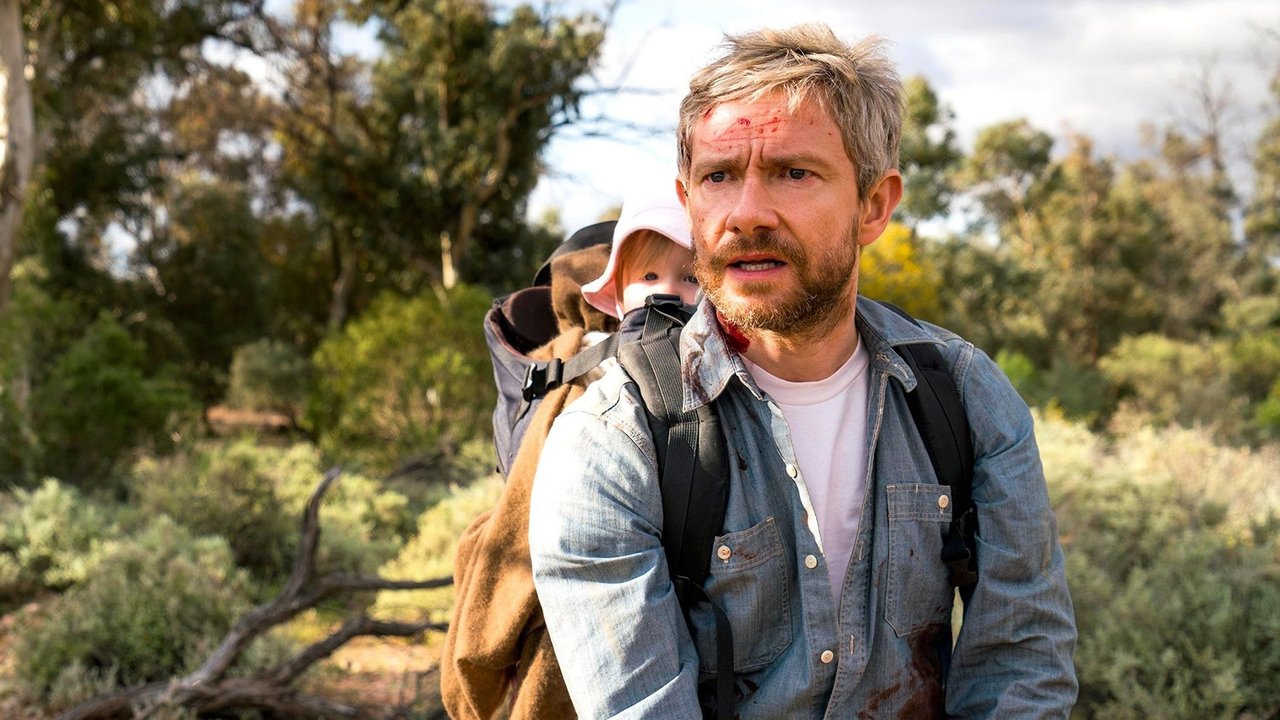
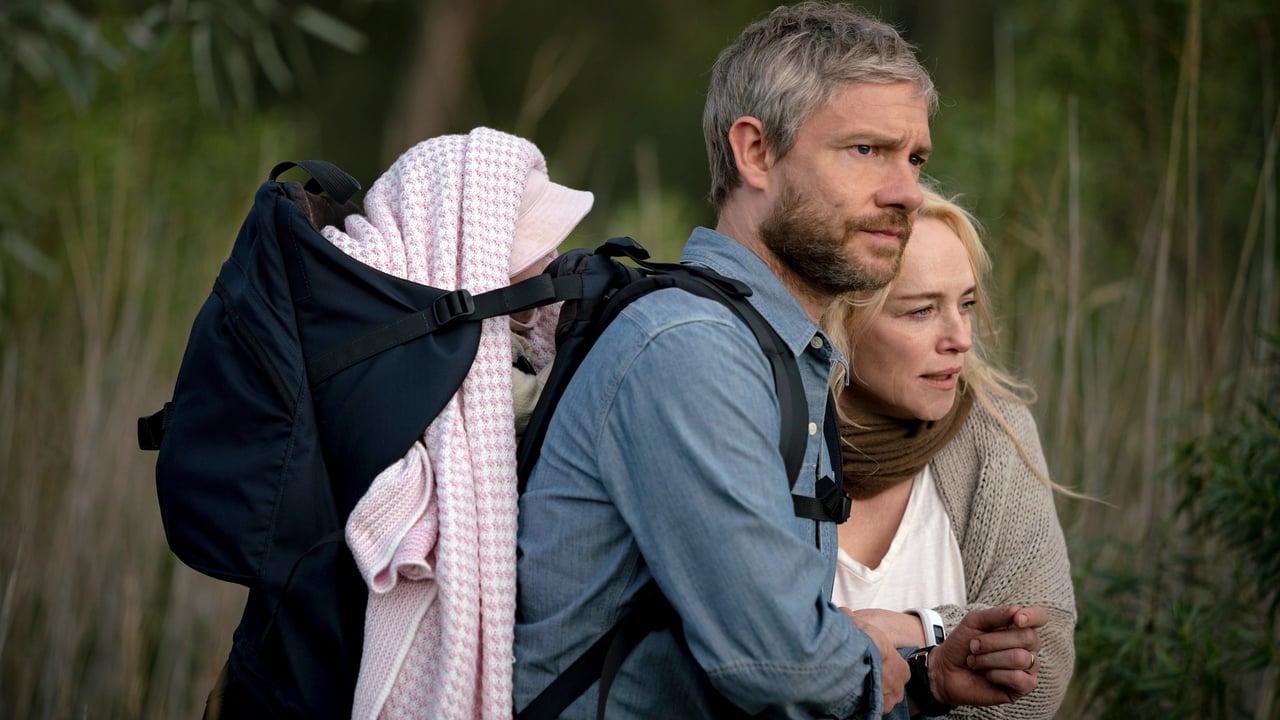
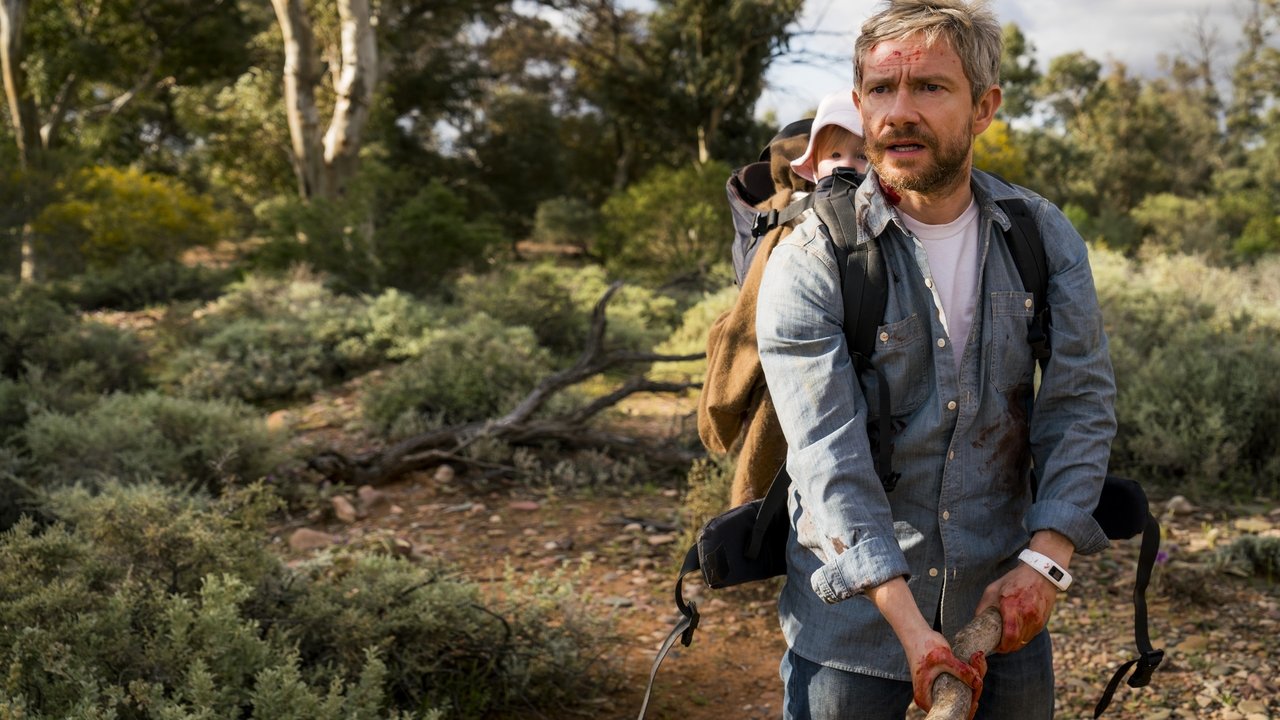
Martin Freeman (the man who made us love him in The Hobbit and Sherlock) plays Andy, a father who is the definition of "doing his best under impossible circumstances." After a tragic mistake leads to him being bitten, he’s fitted with a digital yellow bracelet—a countdown timer that gives him exactly 48 hours before he becomes one of the "virals."
Freeman is spectacular here because he doesn’t play a traditional action hero. He’s vulnerable, he’s terrified, and he’s physically deteriorating before our eyes. Zombie movies are mostly boring until you add a baby, and the stakes here are agonizing. Every time Andy stumbles or loses a few minutes of consciousness, your heart sinks. The horror isn't found in jump scares—though there are a few tense moments—but in the relentless "tick-tock" of that yellow band. It’s a thriller built on the mechanics of biological inevitability.
The "virals" themselves are a unique design choice. Instead of the typical rotting husks, these creatures secrete a thick, resinous sap from their eyes and mouths. It’s gooey, organic, and deeply unsettling. Watching them stand motionless with their heads tucked into holes in the ground is the weirdest, most unsettling visual since the twins in The Shining. It suggests a weird, subterranean hibernation that feels uniquely Australian.
Survival and Sovereignty
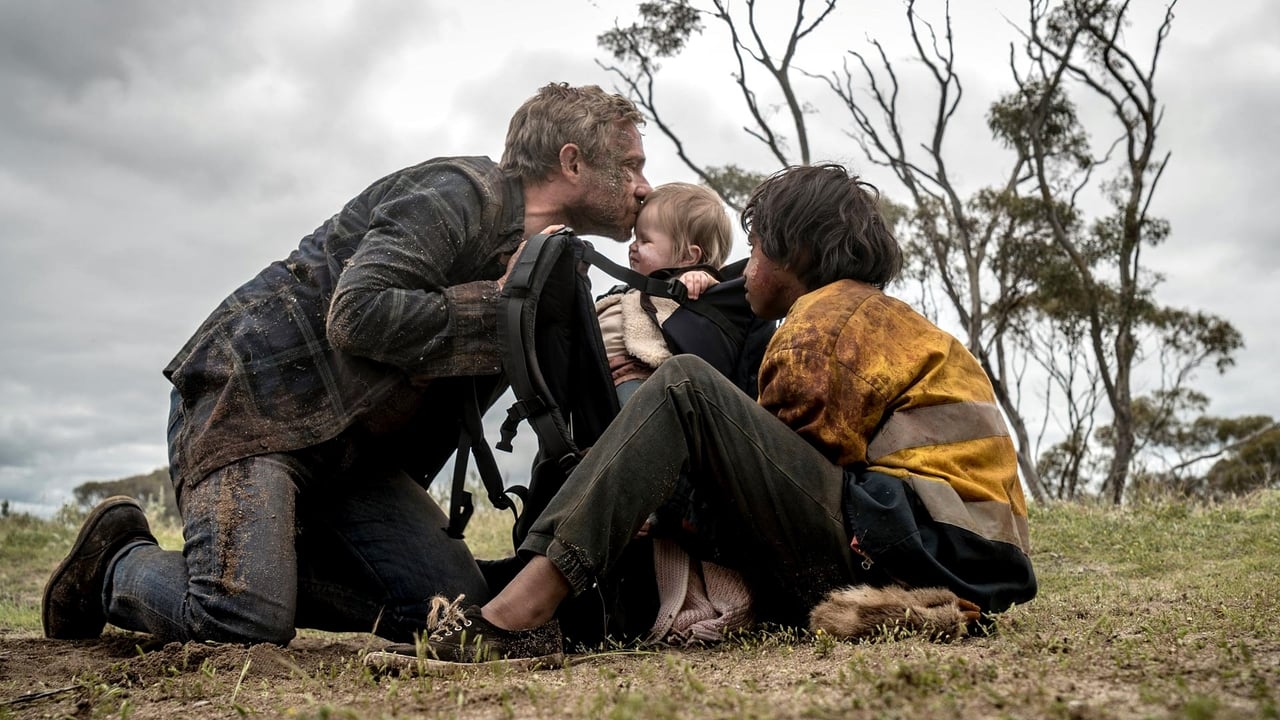
What elevates Cargo from a "hidden gem" to a genuine piece of contemporary art is how it weaves in Indigenous Australian perspectives. Andy eventually crosses paths with Thoomi, played by newcomer Simone Landers. She is looking for a way to save her own father, but through a lens of traditional knowledge rather than Western panic.
I loved that the film doesn't treat the Aboriginal characters as mere "mystical guides." They are the only ones who actually know how to survive in this new world because they understand the land. While the white survivors like Anthony Hayes’ character, Vic, are busy hoarding resources and digging for gas—repeating the same colonial mistakes that probably led to the collapse—Thoomi and her community are adapting. It’s a subtle, powerful bit of social commentary that feels incredibly relevant in our current era of climate anxiety and discussions about representation.
Anthony Hayes is particularly good at playing the kind of guy you’d absolutely hate to be stuck with in an apocalypse: a paranoid, greedy opportunist who thinks a gun makes him a king. He provides a grounded human villainy that contrasts perfectly with the existential dread of the virus.
The Netflix Stealth Drop
If you’re wondering why a movie this good only made about $56,000 at the box office, it’s because Cargo was a casualty—or perhaps a beneficiary—of the early streaming wars. Netflix snatched it up as their first Australian Original feature after it premiered at the Adelaide Film Festival. In the pre-pandemic landscape of 2017, a "Netflix Movie" still felt like a bit of a gamble, often getting buried under the algorithm before people could find it.
It’s a shame, because the cinematography by Geoffrey Simpson (who did beautiful work on Little Women and Shine) demands the biggest screen possible. The way he captures the ochre dust and the sprawling, indifferent beauty of the Murray River makes the film feel epic despite its intimate story. It’s a "small" movie with a massive heart, and it deserves to be pulled out of the "Because You Watched..." carousel and given its flowers.
The film avoids the trap of many contemporary horrors that feel like they’re just checking boxes for "elevated" status. It’s unpretentious. It knows it’s a genre flick, but it chooses to spend its time on the quiet moments—the way Andy tries to make his daughter laugh one last time, or the shared silence between two people from different worlds who realize they are all they’ve got.
Cargo is a masterclass in how to breathe new life into a dying subgenre by focusing on the one thing that never gets old: the lengths a parent will go to for their child. It’s a haunting, beautifully acted journey through a sun-drenched nightmare. If you missed it during the initial streaming rush, find it, watch it, and maybe keep a box of tissues nearby. Just don't forget your tea until it's cold; that’s a tragedy in its own right.
Keep Exploring...
-
Before I Wake
2016
-
The Perfection
2018
-

The Lodge
2020
-
Titane
2021
-
Crimes of the Future
2022
-
10 Cloverfield Lane
2016
-
The Shallows
2016
-

It
2017
-
Bird Box
2018
-

The House That Jack Built
2018
-
In the Tall Grass
2019
-
It Chapter Two
2019
-
Secret Obsession
2019
-
The Silence
2019
-
Run
2020
-
Speak No Evil
2022
-
Batman vs. Robin
2015
-

Dark Places
2015
-
Eye in the Sky
2015
-
Goodnight Mommy
2015