Coco
"A vibrant, tear-jerking odyssey through the afterlife that proves family baggage never truly dies."
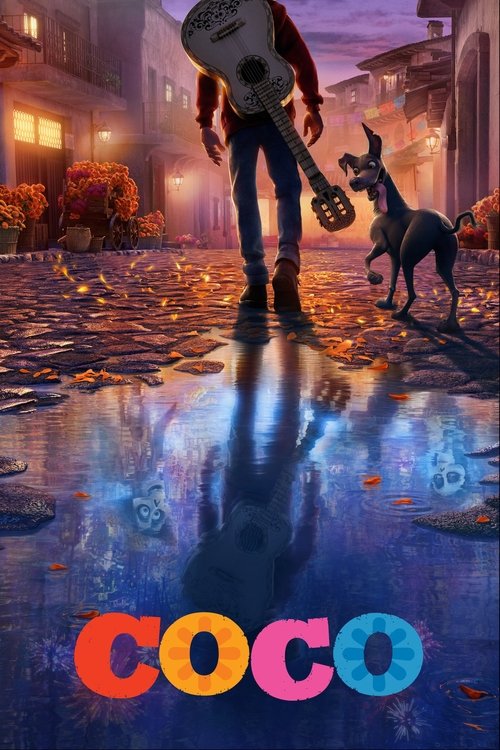
I vividly remember sitting in a darkened theater in late 2017, surrounded by the smell of buttered popcorn and a guy two rows down who was aggressively unwrapping a piece of hard candy that sounded like a tectonic plate shifting. I was there to see Coco, Pixar’s latest foray into the "what if [insert object/concept] had feelings?" genre. But about forty minutes in, the candy wrapper didn't matter anymore. I wasn't just watching a movie; I was being transported into a neon-drenched, marigold-scented world that felt more alive than the actual world outside.
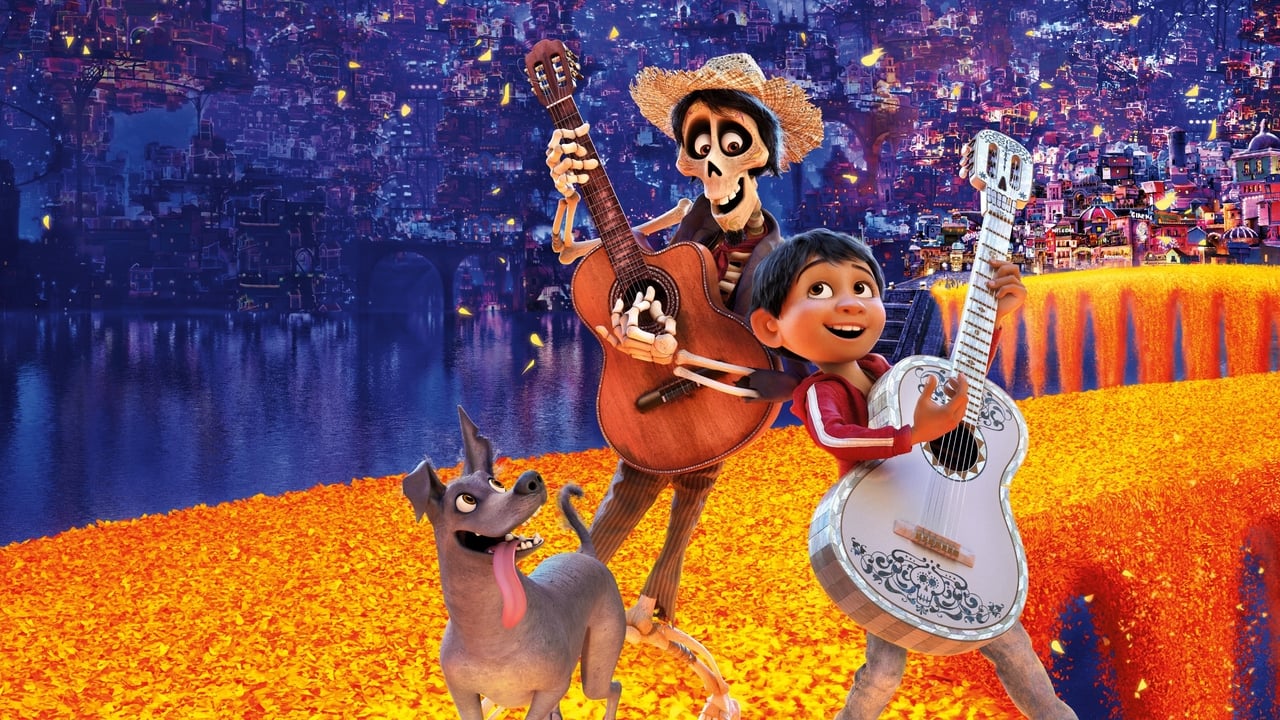
Directed by Lee Unkrich, the guy who famously broke our hearts with Toy Story 3, and co-directed by Adrian Molina, Coco is more than just an "adventure" film. It’s a cultural landmark. In an era where big-budget animation often feels like it’s chasing the next meme, Coco dared to be specific. It’s a story about the Mexican tradition of Día de Muertos, but it hits those universal notes of rebellion, legacy, and the fear of being forgotten that resonate whether you're in Mexico City or Milwaukee.
A Vertical Metropolis of the Dead
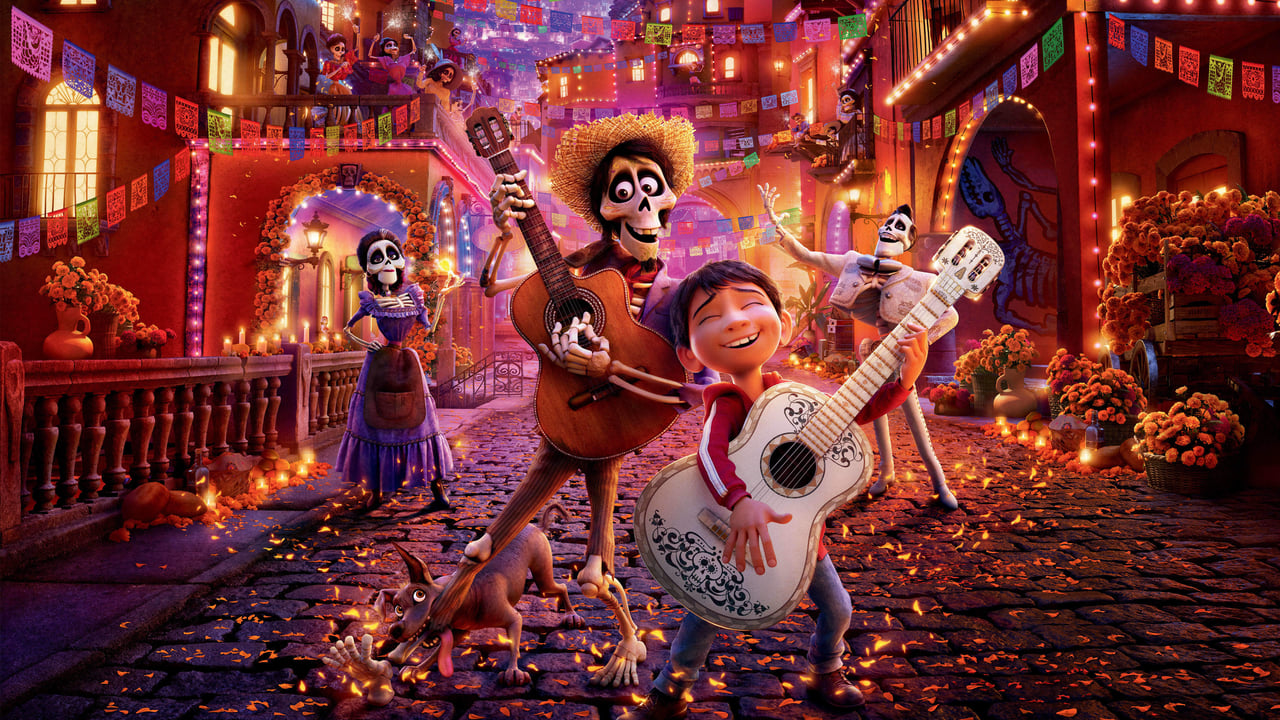
The plot kicks off with Miguel, voiced with infectious energy by Anthony Gonzalez. He’s a kid born into a family of shoemakers who harbor a generational grudge against music. It’s a classic setup: the dreamer versus the status quo. But when Miguel "borrows" a guitar from the tomb of the legendary Ernesto de la Cruz (Benjamin Bratt) and finds himself phasing into the Land of the Dead, the adventure truly begins.
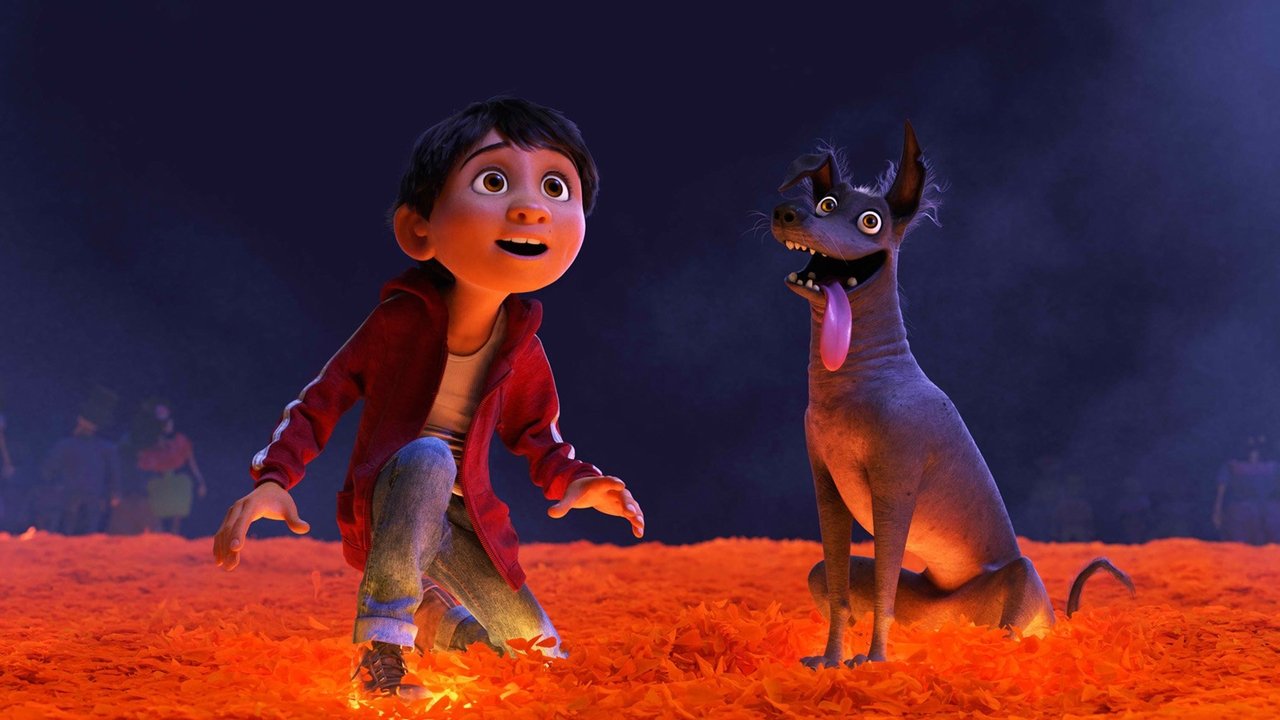
The world-building here is staggering. Pixar’s tech wizards created a vertical, sprawling metropolis of the afterlife that looks like a glowing jewelry box. I loved the way the architecture stacked up—pre-Hispanic pyramids at the bottom, colonial buildings in the middle, and modern skyscrapers at the top. It’s a visual history of Mexico told through urban planning. My favorite detail, though, has to be the Alebrijes—those brightly colored spirit animals. Dante, the Xoloitzcuintli dog, is easily the most realistic dog in cinematic history because he looks and acts like a sentient gym sock.
The journey itself follows a classic quest structure as Miguel teams up with Héctor, a charming, skeletal trickster voiced by Gael García Bernal (who also voiced the character in the Spanish dub). Their chemistry is the heart of the movie. Watching them navigate the "Department of Family Reunions" or sneak into a high-end party is pure fun, but there’s always that ticking clock: if Miguel doesn't get a blessing before sunrise, he becomes a permanent resident of the bone-zone.
Strumming the Right Chords
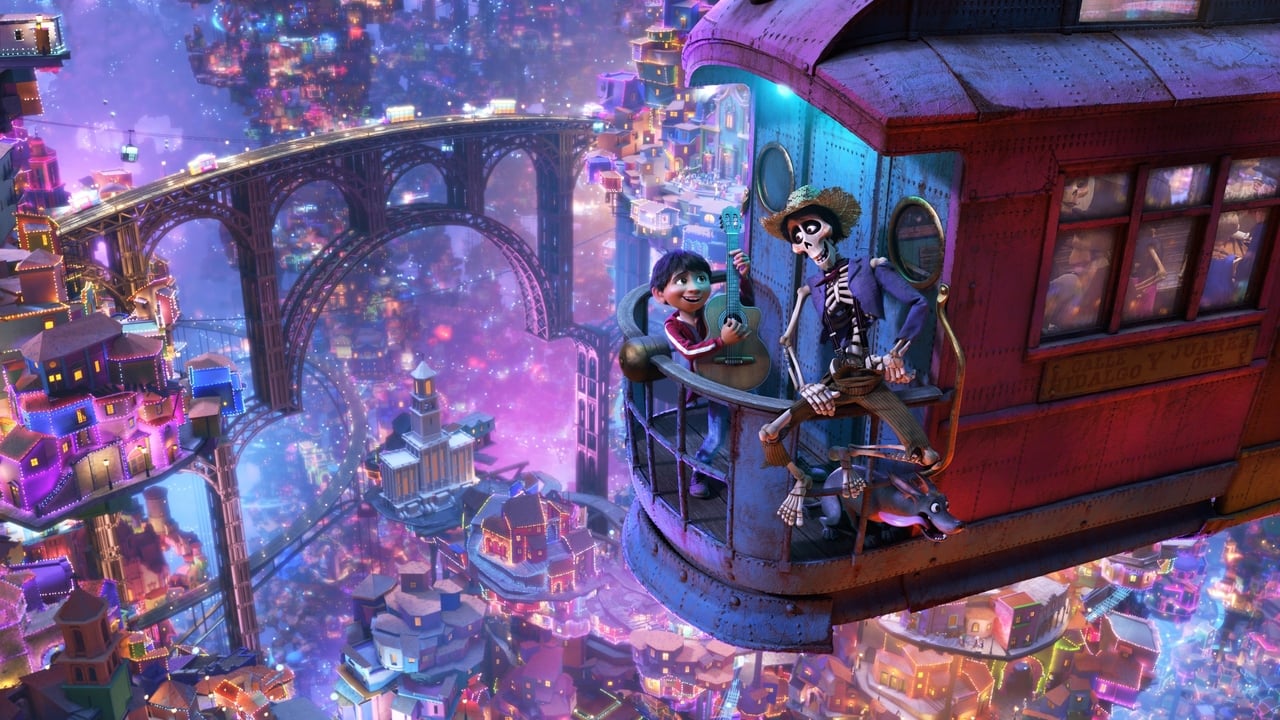
We need to talk about the music. Unlike a traditional Disney musical where characters break into song to explain their feelings, the music in Coco is diegetic—it exists within the world. When Miguel plays, it’s because he’s a musician. The standout track, "Remember Me," written by the Frozen duo Kristen Anderson-Lopez and Robert Lopez, is a masterstroke of songwriting. It changes context throughout the film, evolving from a bombastic stadium anthem into a fragile, whispered lullaby that will absolutely destroy anyone with even a single functioning tear duct.
Speaking of details, did you notice the guitar playing? The animators actually mapped the fingerings on the fretboard to the real notes being played. As someone who once tried to learn the guitar and ended up with the hand callouses of a toddler and the musical talent of a lawnmower, I appreciated that level of nerdery. It’s that Pixar polish that makes the world feel tactile and true.
The Cultural Conversation
Released in the mid-2010s, Coco arrived during a pivotal shift in how we talk about representation. It wasn't just a movie about Mexico; it was built with Mexico. The production team spent years on research trips to Oaxaca and Guanajuato, soaking up the local flavors. This authenticity paid off—Coco became the highest-grossing film in Mexican history at the time of its release. It proved to Hollywood that "specific" is "universal." You don't have to water down a culture to make it globally appealing; in fact, the deeper you go, the more people connect with it.
It also tackled some surprisingly heavy themes for a "kids' movie." It explores the "final death"—the idea that you only truly die when there’s no one left in the living world to remember you. In an age of social media where we’re all obsessed with our digital legacies, Coco reminds us that the only legacy that really matters is the one held by the people who loved us. The twist regarding Ernesto de la Cruz's true nature is actually better than most M. Night Shyamalan movies, precisely because it’s rooted in character rather than just shock value.
Behind the Scenes of the Bone-Zone
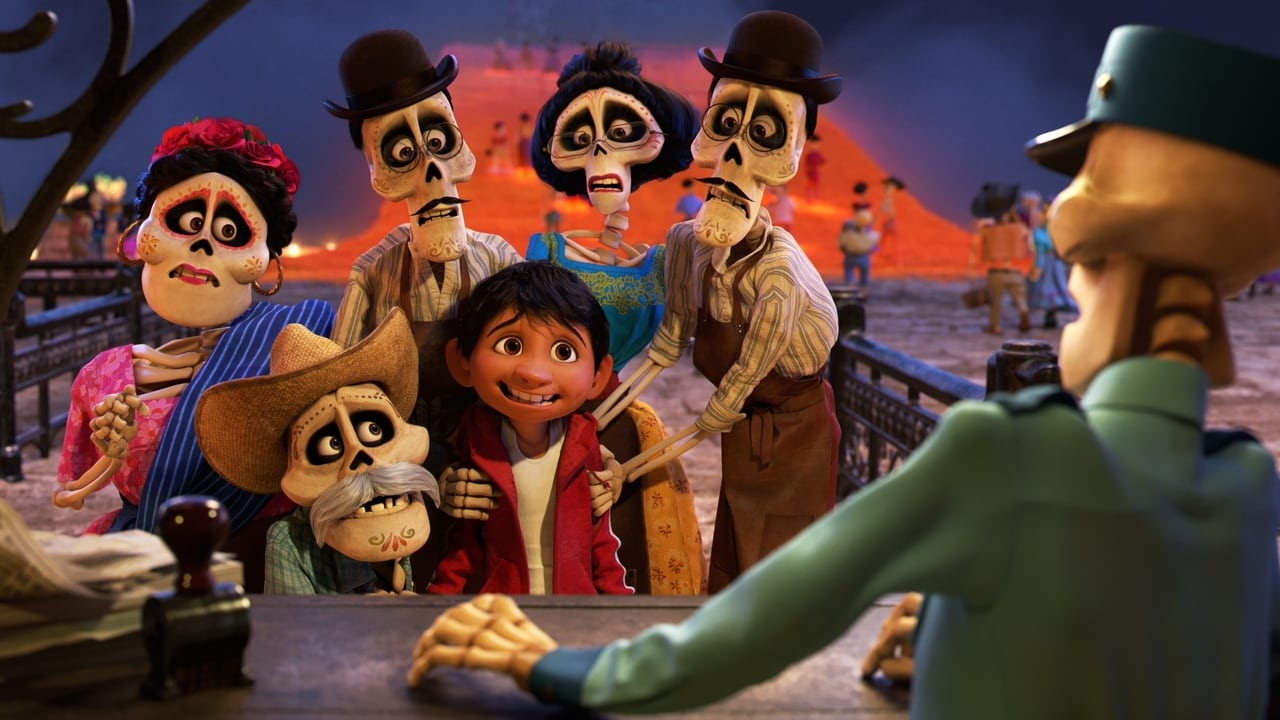
Apparently, the team had a massive challenge with the skeletons. How do you make a pile of bones look appealing and expressive without making them terrifying to five-year-olds? The solution was in the eyes and the "clothing" of the bones, giving them a sense of weight and personality.
Another fun nugget: Benjamin Bratt modeled his performance of Ernesto on Mexican icons like Pedro Infante and Jorge Negrete, capturing that era of "Charro" film stars who were part-macho, part-crooner. The film also features a hilarious cameo of a skeletal Frida Kahlo, which is exactly the kind of high-brow/low-brow humor I live for. With a budget of $175 million, every cent is on the screen, from the individual petals of the marigold bridge to the way the light hits Miguel’s red hoodie.
Coco is the rare blockbuster that manages to be both a technical marvel and a deeply personal piece of art. It’s an adventure that moves at breakneck speed but knows exactly when to slow down and let a quiet moment breathe. It’s vibrant, funny, and shamelessly emotional. If you haven't seen it yet, grab some tissues, call your family, and prepare to have "Remember Me" stuck in your head for the next three to five business years.
The film serves as a beautiful anchor for modern animation, proving that even in an era of franchise saturation, a standalone story (even one under the Disney umbrella) can still feel revolutionary. It’s a reminder that our stories are the only things we truly take with us. Whether you're a hardcore cinephile or just looking for a way to occupy your kids, Miguel's journey to the Land of the Dead is a trip worth taking every single time.
Keep Exploring...
-
Trolls World Tour
2020
-
Moana
2016
-
Zootopia
2016
-
Incredibles 2
2018
-
Ralph Breaks the Internet
2018
-
Frozen II
2019
-
How to Train Your Dragon: The Hidden World
2019
-
Toy Story 4
2019
-
The Croods: A New Age
2020
-

Sing 2
2021
-

Minions: The Rise of Gru
2022
-
Puss in Boots: The Last Wish
2022
-
The Bad Guys
2022
-
PAW Patrol: The Movie
2021
-
Migration
2023
-
The Super Mario Bros. Movie
2023
-
Inside Out 2
2024
-

Mufasa: The Lion King
2024
-
Zootopia 2
2025
-

Trolls
2016