Colossal
"The monster you know is the most dangerous."
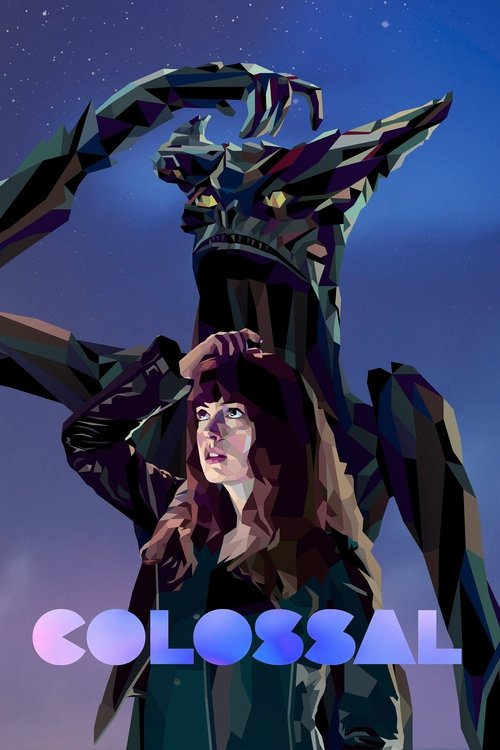
I watched Colossal for the first time on a Tuesday night while eating a bowl of generic-brand Honey Nut Cheerios because I’d forgotten to do my grocery shopping. There was something about my own disheveled state—sitting in the dark, milk-splashed and procrastinating—that made me feel spiritually aligned with Gloria, a woman whose life is essentially a series of "oops, I did it again" moments involving boxed wine and blackouts.
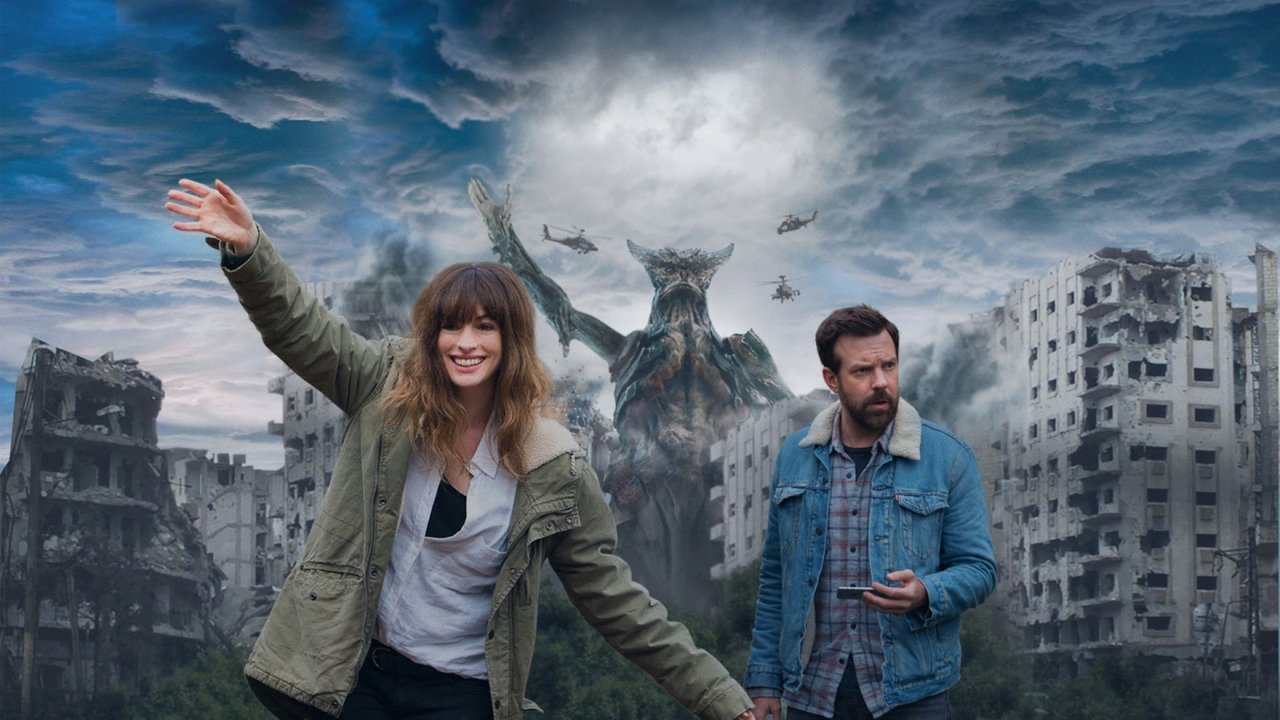
But where my bad decisions usually just result in a headache and a messy kitchen, Gloria’s hangovers have a slightly higher body count.
The Best Kind of Bait-and-Switch
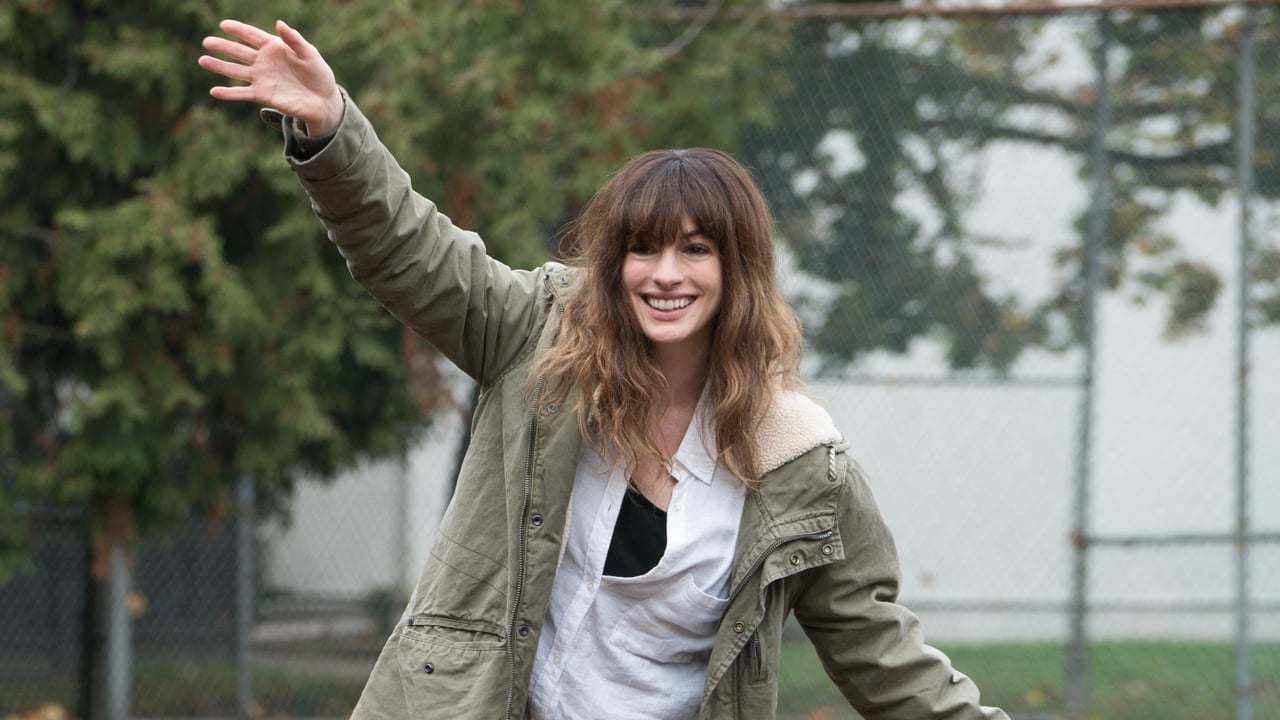
When Anne Hathaway first appears as Gloria, you think you know exactly what movie you’re watching. It feels like the setup for a standard "hot mess" indie dramedy: girl loses job, girl loses boyfriend (Dan Stevens, playing a predictably stiff upper lip), girl moves back to her sleepy hometown to "find herself" while staring pensively at a playground. It’s a trope we’ve seen a thousand times in the streaming era, usually accompanied by an acoustic guitar soundtrack and a lot of flannel.
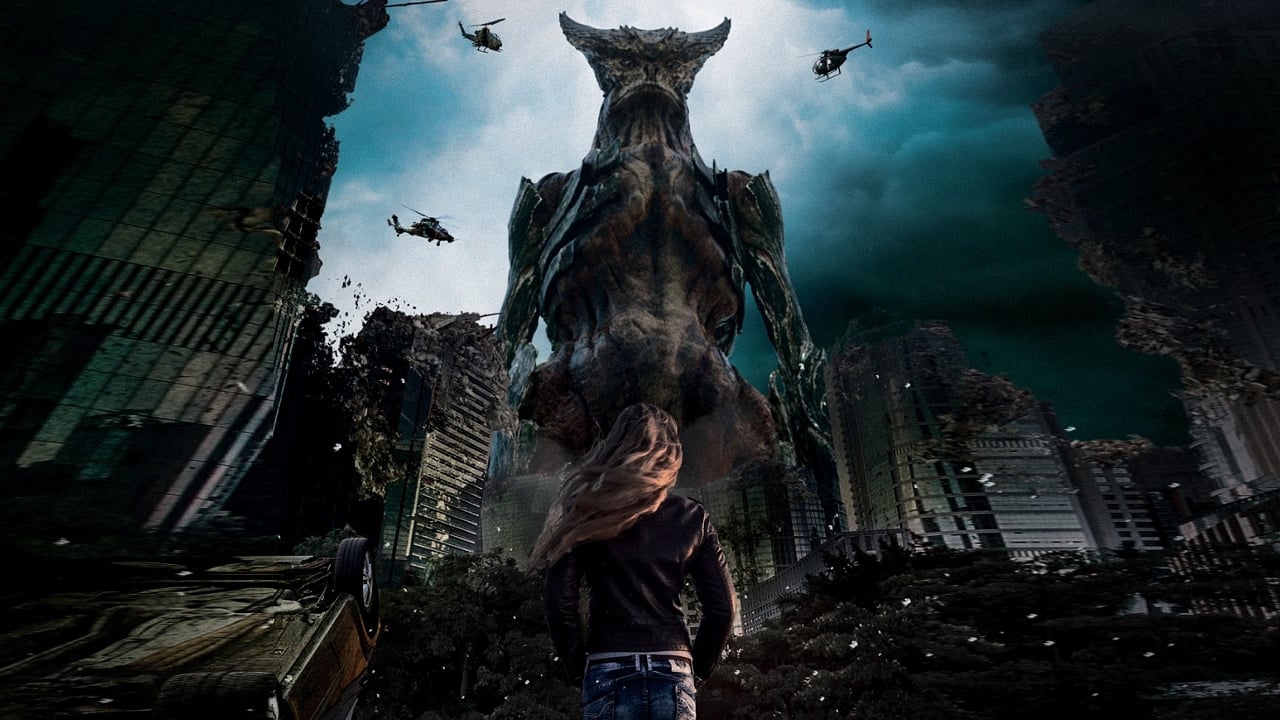
Then, a giant reptilian monster starts stomping through Seoul, South Korea.
Writer-director Nacho Vigalondo pulls off a genre-bending miracle here. He connects Gloria’s nervous tic—scratching her head while standing in a specific park at 8:05 AM—to the movements of a kaiju half a world away. It is absurd. It is hilarious. And then, quite suddenly, it becomes deeply uncomfortable. I’ve always appreciated films that use high-concept sci-fi as a Trojan horse for something more intimate, and Colossal handles that transition with a jagged, nervous energy that kept me from ever getting too settled in my seat.
The "Nice Guy" Horror Show
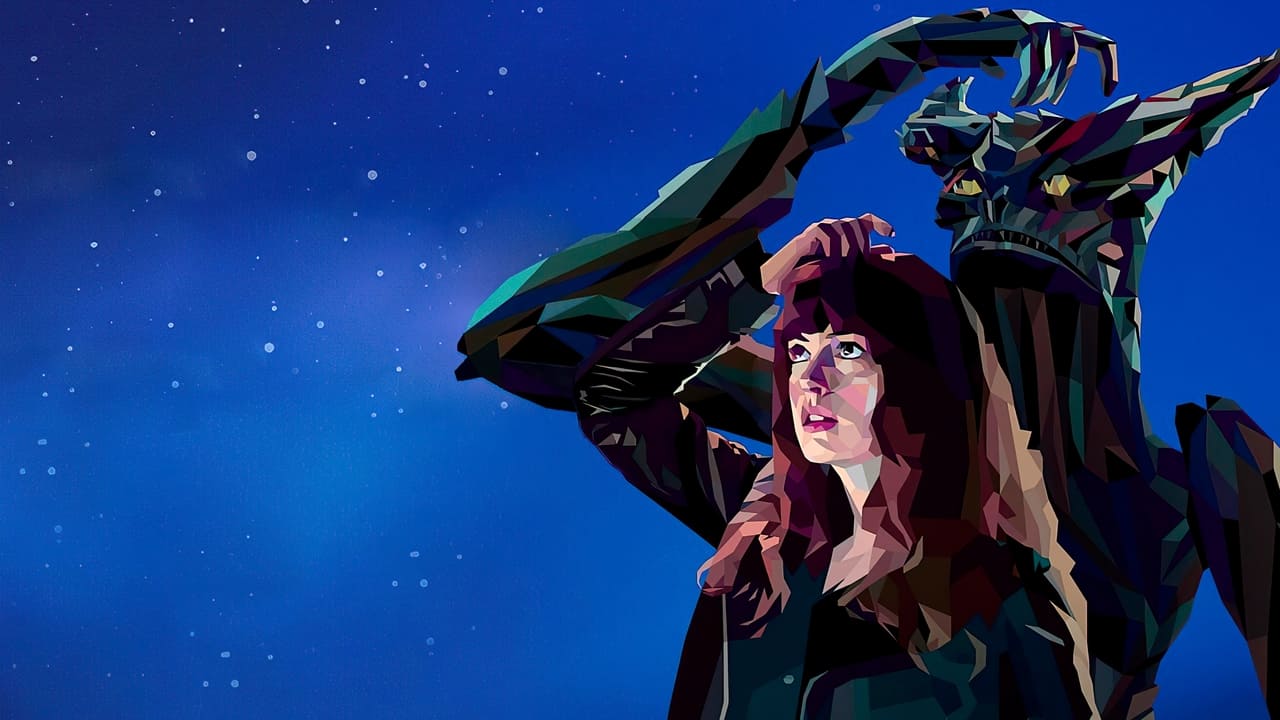
The real revelation of the film isn't the CGI monster; it’s Jason Sudeikis. Before he became the internet’s favorite optimistic soccer coach in Ted Lasso, Sudeikis gave us Oscar, a childhood friend who offers Gloria a job at his bar and some old furniture for her empty house. At first, he seems like the "safe" romantic interest—the guy who stayed behind and did okay for himself.
But as the film progresses, the mask slips. Sudeikis plays the slow-burn transition from "helpful buddy" to "controlling nightmare" with terrifying precision. He captures a very specific, modern brand of entitlement—the kind of man who thinks that buying you a beer and a second-hand mattress entitles him to your soul. A "Nice Guy" is just a villain who hasn't been rejected yet. Watching him realize that he, too, has a giant avatar (a massive robot) that manifests when he steps into that park turns the movie from a quirky fantasy into a harrowing metaphor for domestic abuse and toxic masculinity.
A Cult Classic Born from a Legal Mess
It’s actually a bit of a miracle this movie exists in its current form. During the 2015 Cannes Film Festival, the production company (Voltage Pictures) used images of the 2014 Godzilla in their pitch decks to sell the film to investors. Toho, the legendary studio that owns the rights to the Big G, was—to put it mildly—unimpressed. They filed a massive lawsuit, claiming the filmmakers were "brazenly" using their IP.
The suit was eventually settled, and Nacho Vigalondo had to pivot. Personally, I think the film benefited from the legal fire. The final creature design feels more unique—part wood-spirit, part swamp-thing—which fits the film’s "damaged nature" vibe better than a straight-up Godzilla clone ever could.
The film also features some stellar supporting work from Tim Blake Nelson and Austin Stowell, who serve as the "bystanders" to the central toxic duo. They represent the way we often watch our friends enter self-destructive spirals and don't know whether to intervene or just grab a front-row seat for the crash. Apparently, during the bar scenes, the actors were encouraged to improvise to keep the dialogue feeling as loose and "hang-out" as possible, which only makes it more jarring when the violence (both physical and emotional) finally erupts.
Why It Matters Now
In an era where every big-budget film feels like it was designed by a committee to be as inoffensive as possible, Colossal feels like a beautiful, middle-finger-waving anomaly. It’s a $15 million indie that looks like a $100 million blockbuster but thinks like a psychological thriller. It explores the idea that our personal failures don't just affect us; they ripple outward, crushing people we’ll never meet in ways we can’t always see.
It’s a film about taking up space—literally and figuratively. Gloria’s journey isn't about getting sober to be "better" for a man; it's about realizing that her life has weight and that she has the power to stop being the monster in someone else's story. It didn't set the box office on fire, but it’s exactly the kind of "hidden gem" that Popcornizer readers usually obsess over for years.
Colossal is a rare beast: a metaphor that actually lands its punches. Anne Hathaway delivers a performance that is refreshingly devoid of vanity, capturing the shaky-handed reality of a life in freefall. While the third-act "showdown" might feel a bit tonally dissonant for some, it works because it refuses to play by the rules of the genres it’s deconstructing. It’s weird, it’s mean, and it’s surprisingly moving. Next time you’re feeling like a mess, skip the rom-com and watch this instead—it’ll make your own problems feel a little less monstrous.

Keep Exploring...
-
Batman vs. Robin
2015
-
Space Sweepers
2021
-

Victor Frankenstein
2015
-

Before I Fall
2017
-
The Green Knight
2021
-
Home
2015
-
Miss Peregrine's Home for Peculiar Children
2016
-
Passengers
2016
-

King Arthur: Legend of the Sword
2017
-
Ad Astra
2019
-
Don't Look Up
2021
-
Black Mirror: Bandersnatch
2018
-
Equals
2015
-
10 Cloverfield Lane
2016
-
Midnight Special
2016
-

Underworld: Blood Wars
2016
-
I Kill Giants
2017
-
The Circle
2017
-
The Discovery
2017
-
The Shape of Water
2017