Cult of Chucky
"Friends 'til the ends. All of them."
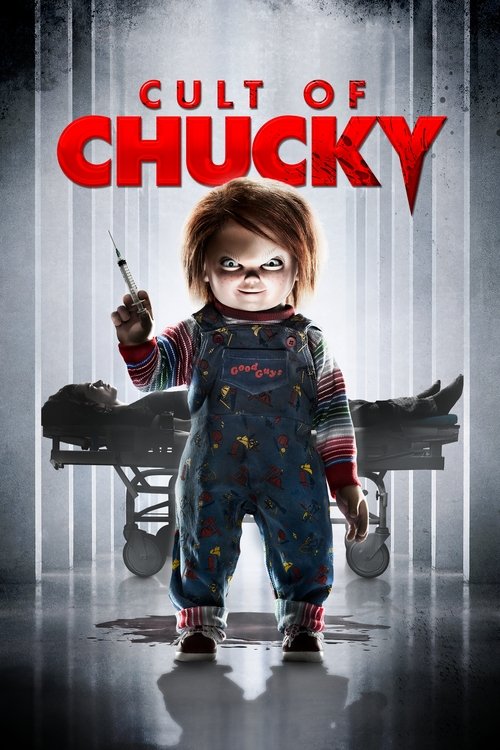
Most horror franchises follow a predictable, downward trajectory: the first one is a masterpiece, the second is a fun retread, and by the seventh installment, the killer is usually in outer space or a "hood" they’ve never visited before. But the Child's Play series is a strange, beautiful anomaly. While other icons like Freddy or Jason have been rebooted into oblivion or mired in rights lawsuits, Chucky has remained under the singular, protective wing of his creator, Don Mancini. I watched Cult of Chucky while sitting on a very uncomfortable beanbag chair that smelled vaguely of an old basement, and honestly, that slightly claustrophobic, "found-it-in-a-bin" energy felt like the perfect 4D experience for this movie.
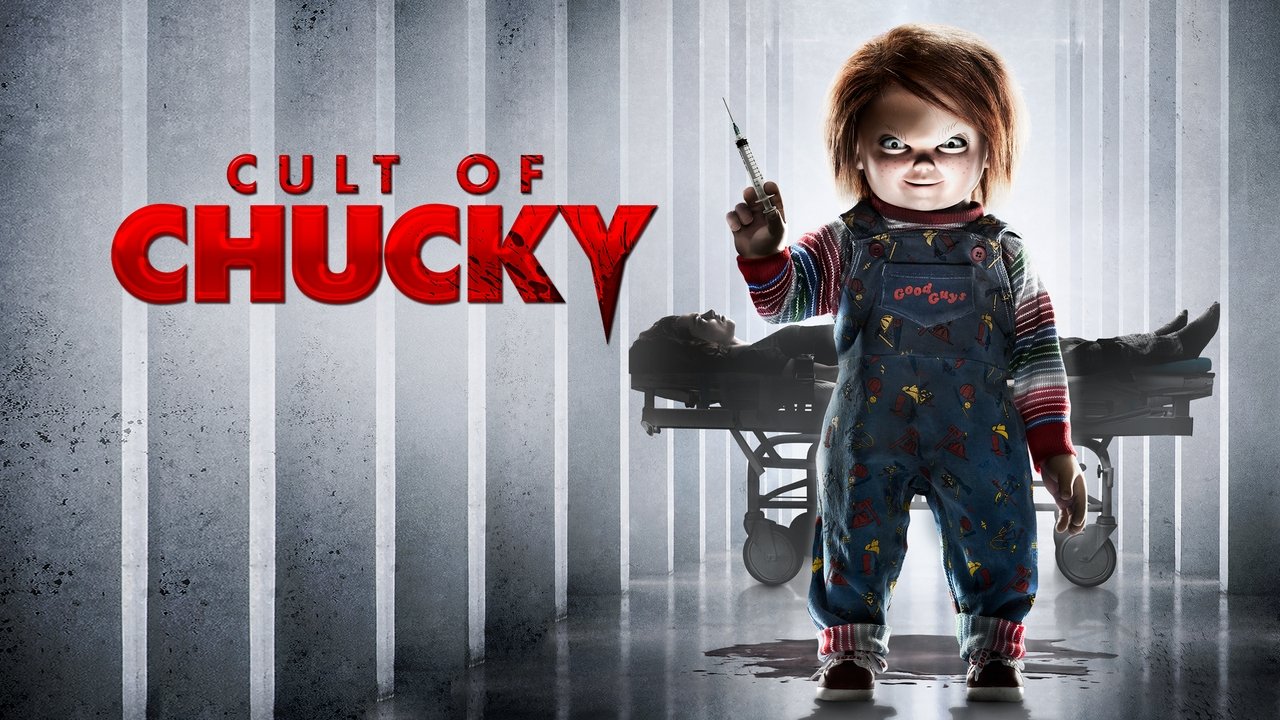
Released in 2017, Cult of Chucky arrived at a fascinating crossroads for the genre. We were deep into the "Legacy Sequel" era, where 80s properties were being polished for modern audiences, often losing their soul in the process. Mancini, however, decided to lean into the absolute madness of his own continuity. Instead of a glossy theatrical reboot, we got a daring, low-budget, direct-to-video nightmare that feels more like an experimental indie film than a slasher sequel.
A Family Affair in a Sterile Hell
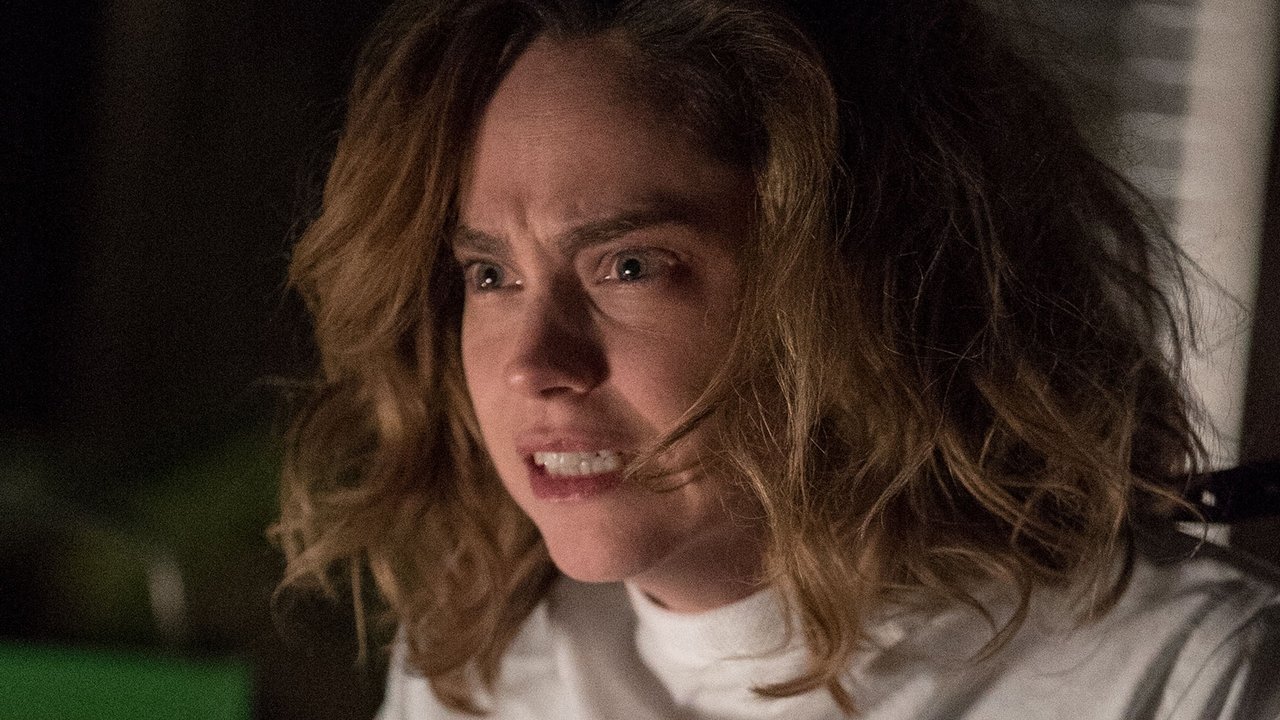
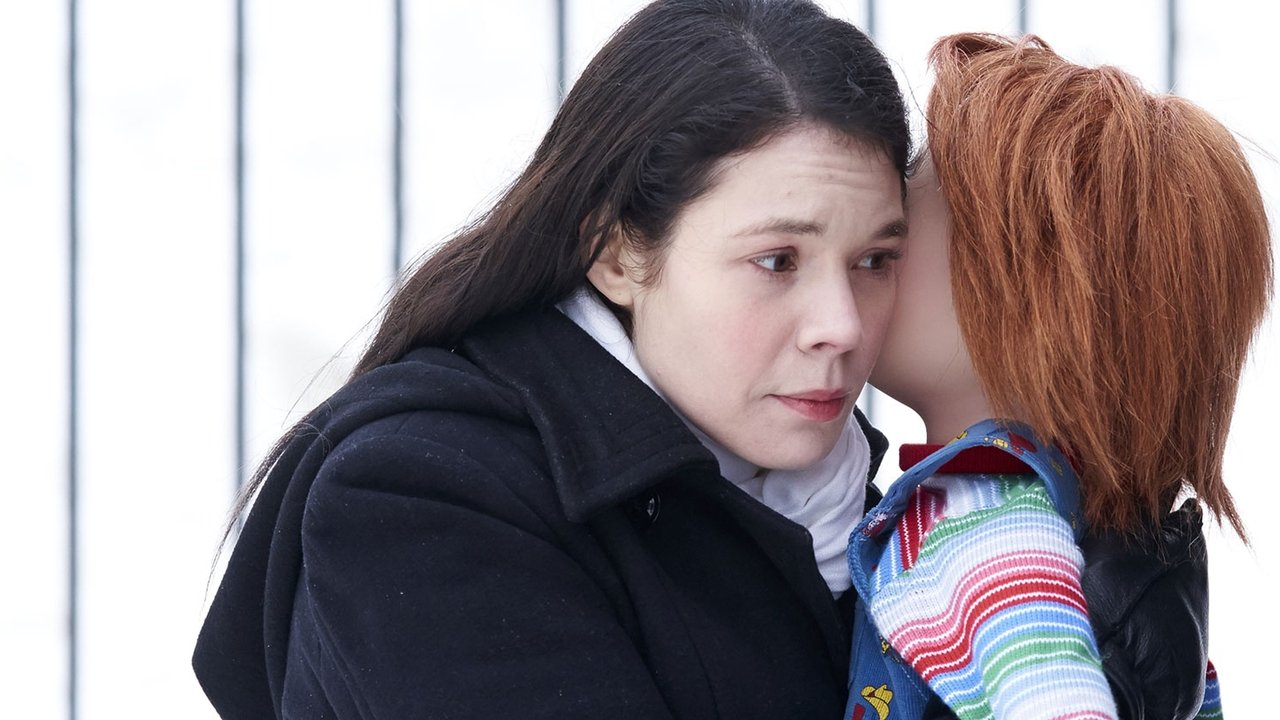
The film picks up with Nica Pierce, played by Fiona Dourif, who is trapped in a high-security psychiatric hospital. Nica is a fantastic protagonist because she’s been gaslit by the system into believing she actually committed the murders from the previous film, Curse of Chucky. Fiona Dourif brings a haunted, steel-eyed intensity to the role that reminds me so much of her father, Brad Dourif (who, of course, provides the iconic voice of Chucky). It’s a rare treat in cinema to see a daughter face off against her father’s most famous creation, and the chemistry—even through a plastic doll—is palpable.
The setting is a stroke of low-budget genius. By placing the action in a stark, white, minimalist asylum, Mancini (who also gave us the screenplay for the original Child's Play) bypasses the need for expensive sets. The clinical whiteness makes the inevitable bursts of bright red blood pop with a stylized, almost operatic flair. Michael Marshall’s cinematography treats the asylum like a cold, futuristic tomb, which makes the arrival of a smiling, colorful "Good Guy" doll feel genuinely intrusive and wrong. Mancini’s willingness to blow up his own lore is exactly what the MCU is too scared to do, and he does it here with a fraction of the catering budget.
The Multiplication of Terror
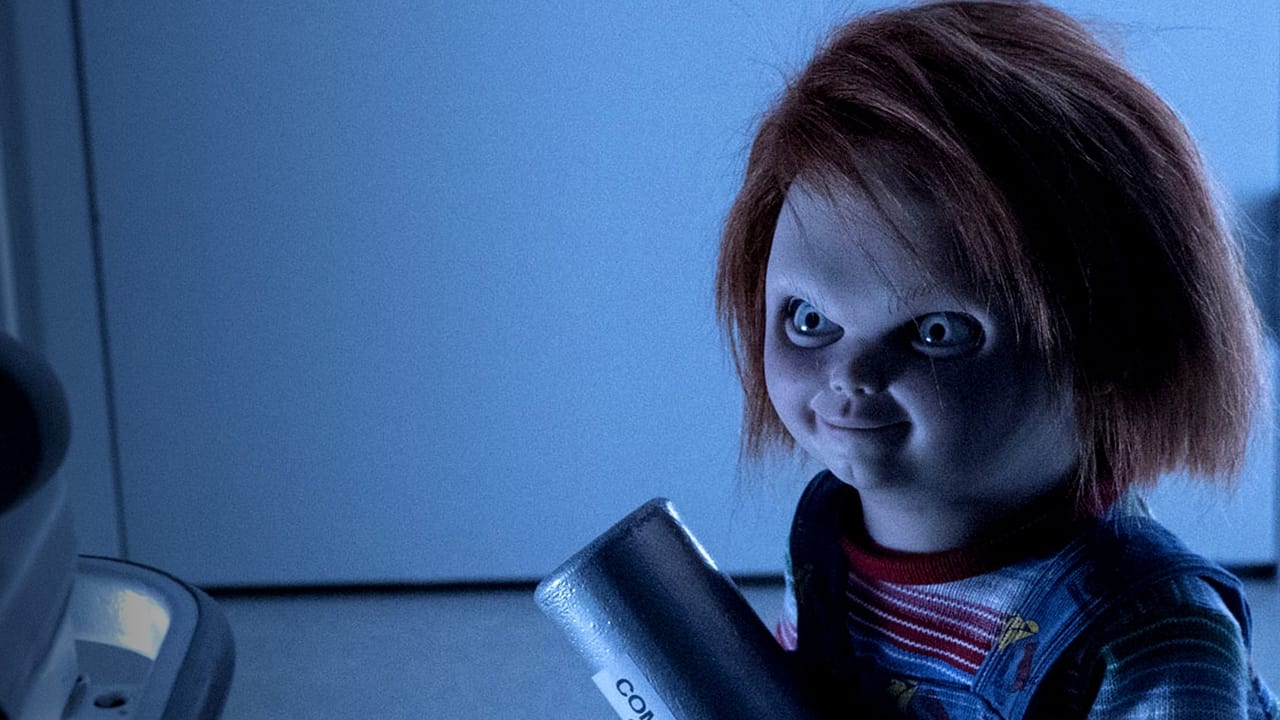
The "Cult" in the title isn't just a catchy name; it refers to a new trick Chucky has learned: splitting his soul into multiple dolls simultaneously. This is a game-changer for the franchise. Suddenly, the "one-on-one" slasher dynamic is replaced by a paranoid, "Who’s the real one?" mystery. It allows for different "personalities" of Chucky to emerge—one is short-haired and drill-sergeant mean, another is soft-spoken and manipulative.
Despite the $6.5 million budget, which is peanuts in the era of $200 million blockbusters, the practical effects are stellar. Tony Gardner and his team at Alterian, Inc. deserve a standing ovation for keeping Chucky purely mechanical. In an age where everything is smoothed over with mediocre CGI, there is something deeply satisfying about seeing the weight and tactile "clunkiness" of a real puppet. When Chucky’s fingers twitch or his glass eyes shift, it triggers that primal uncanny valley response that a digital model just can’t replicate.
There’s a kill involving a glass ceiling that is easily one of the most creative and visually stunning deaths in the entire series. It’s gore as art, which is a hallmark of the 2010s "elevated horror" movement, even if Cult is far too trashy and fun to ever be called "elevated."
Legacy, Lo-Fi Ambition, and Jennifer Tilly
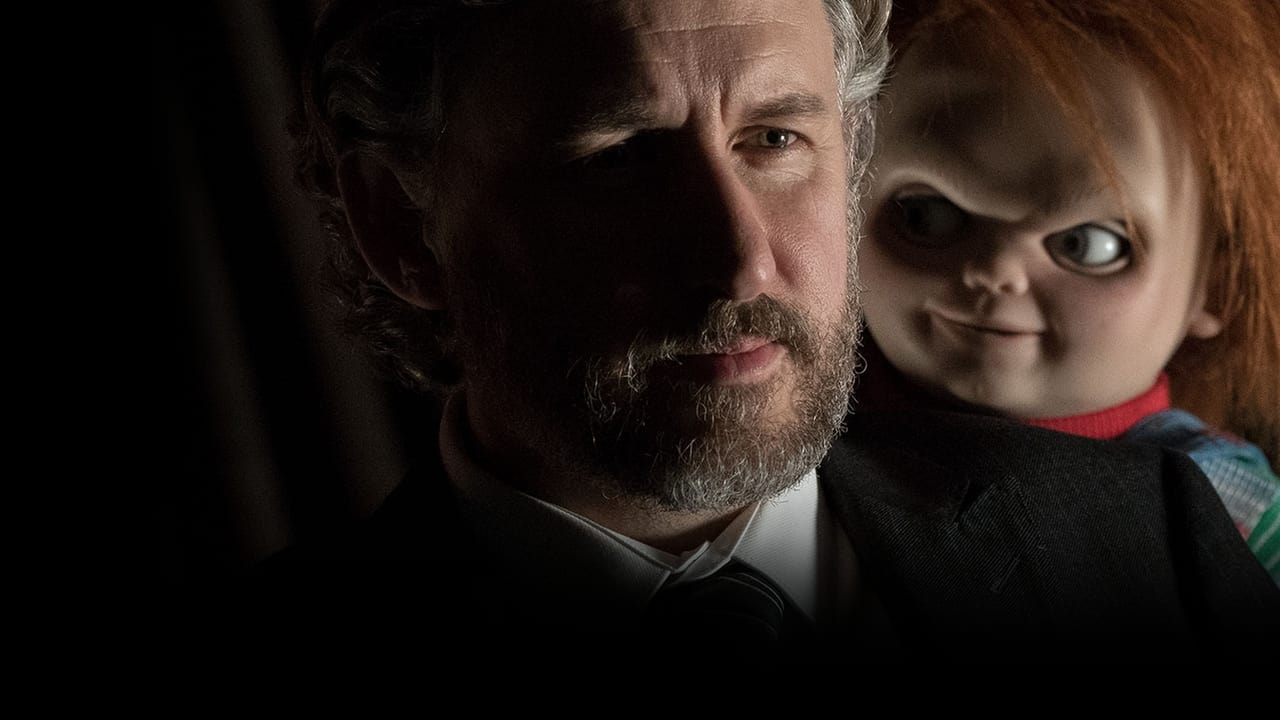
The film also serves as a massive "thank you" to long-term fans. Seeing Alex Vincent return as a grown-up Andy Barclay—the kid from the 1988 original—is a nostalgic gut-punch that actually serves the story. He’s spent his life traumatized and preparing for Chucky’s return, and his interaction with Chucky’s severed, still-talking head is both hilarious and grim. Then you have Jennifer Tilly as Tiffany Valentine, walking into the movie with the confidence of a woman who knows she’s the most interesting person in every room. She brings a campy, theatrical energy that balances the grimness of the asylum setting.
This film didn't get a massive theatrical push, largely because the industry was pivoting toward streaming and "event" cinema. But Cult of Chucky proves that a franchise can stay vital by taking risks. It’s weird, it’s queer-coded, it’s meta, and it ends on a cliffhanger so audacious it practically demands you go watch the follow-up TV series. It’s a testament to the idea that you don't need a hundred million dollars to innovate; you just need a possessed doll, a few gallons of fake blood, and a director who isn't afraid to get a little bit crazy.
Cult of Chucky is a wild, wintery ride that rewards loyalty while pushing the slasher genre into bizarre new territory. It manages to feel like a boutique art-house film and a schlocky gore-fest at the same time, which is no small feat. If you’ve been away from the franchise for a while, this is the perfect excuse to jump back into the toy box. Just maybe avoid any psychiatrists who try to use "Good Guy" dolls as therapy tools.
Keep Exploring...
-

Curse of Chucky
2013
-

Seed of Chucky
2004
-
Child's Play 2
1990
-
Child's Play 3
1991
-
Child's Play
1988
-

Bride of Chucky
1998
-
Regression
2015
-

Morgan
2016
-
The Other Side of the Door
2016
-
Assassination Nation
2018
-
Hell Fest
2018
-
The Strangers: Prey at Night
2018
-
Haunt
2019
-
The Prodigy
2019
-

Color Out of Space
2020
-
Gretel & Hansel
2020
-
Willy's Wonderland
2021
-

Hellraiser
2022
-

The Invitation
2022
-
Watcher
2022