Darkest Hour
"Victory is written in cigar smoke and ink."
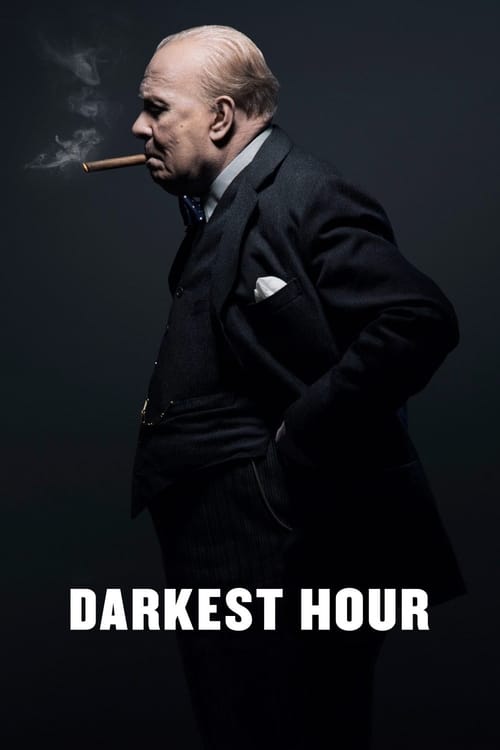
There is a specific, tactile thrill in watching a transformation so complete that you forget you’re looking at a movie star. We’ve seen the "prestige biopic" formula a thousand times—stick a handsome actor in some prosthetics, give them a limp or an accent, and wait for the Oscar nominations to roll in. But what Gary Oldman does in Darkest Hour feels less like an impression and more like a haunting. I watched this film while eating a slightly stale bagel that I’d toasted for too long, and by the forty-minute mark, I found myself instinctively checking my own fingers for yellow nicotine stains. That is the power of a performance that transcends the "Great Man" trope.
The Alchemy of Latex and Nicotine
Released in 2017, Darkest Hour arrived during a weirdly specific moment of "Churchill-mania." It was the same year Christopher Nolan gave us Dunkirk, providing the boots-on-the-ground perspective of the miracle at the beaches, while Joe Wright (best known for the sweeping romance of Atonement) gave us the view from the stuffy, claustrophobic basement where the decisions were actually made.
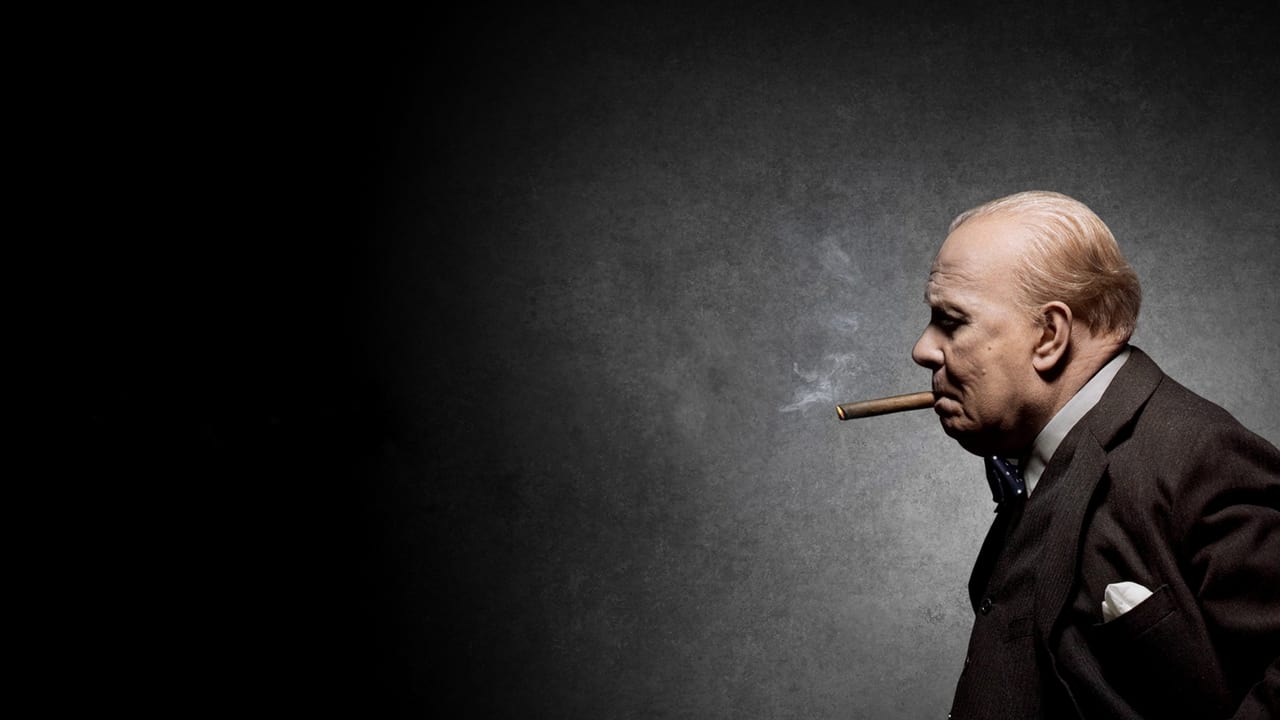
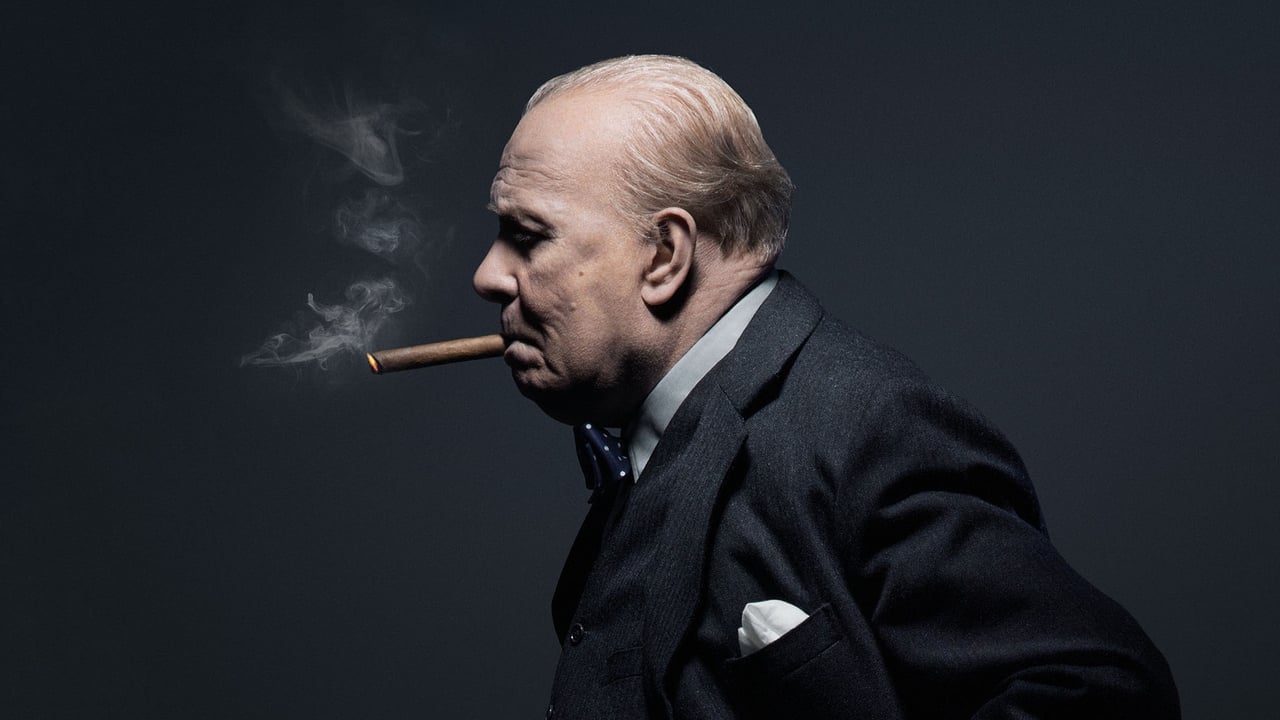
Gary Oldman had spent decades playing the high-energy weirdos (Stansfield in Léon: The Professional) or the quiet moral anchors (Jim Gordon in the Dark Knight trilogy), but here, he is buried under a mountain of silicone and paint. The makeup, designed by the legendary Kazu Hiro, is a miracle. It doesn't mask Oldman’s expressions; it amplifies them. You see every twitch of doubt, every flash of alcoholic wit, and the sheer, exhausting weight of a man who knows he is likely presiding over the funeral of the British Empire.
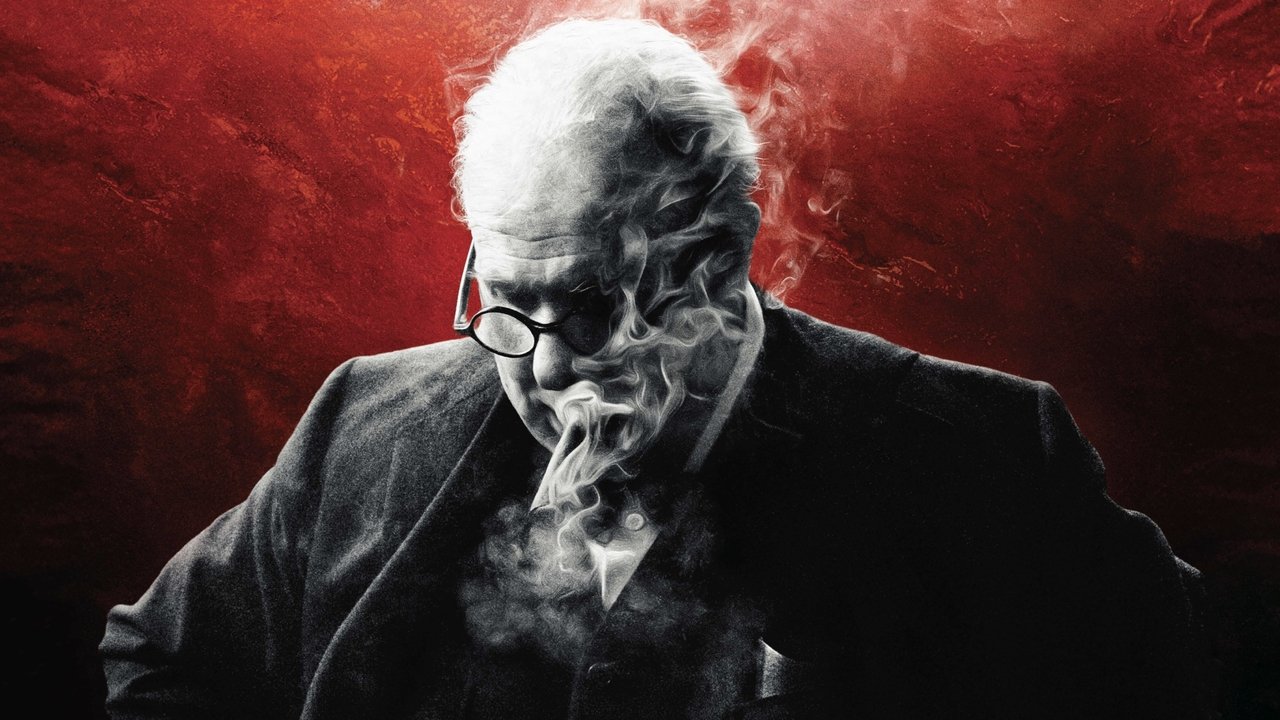
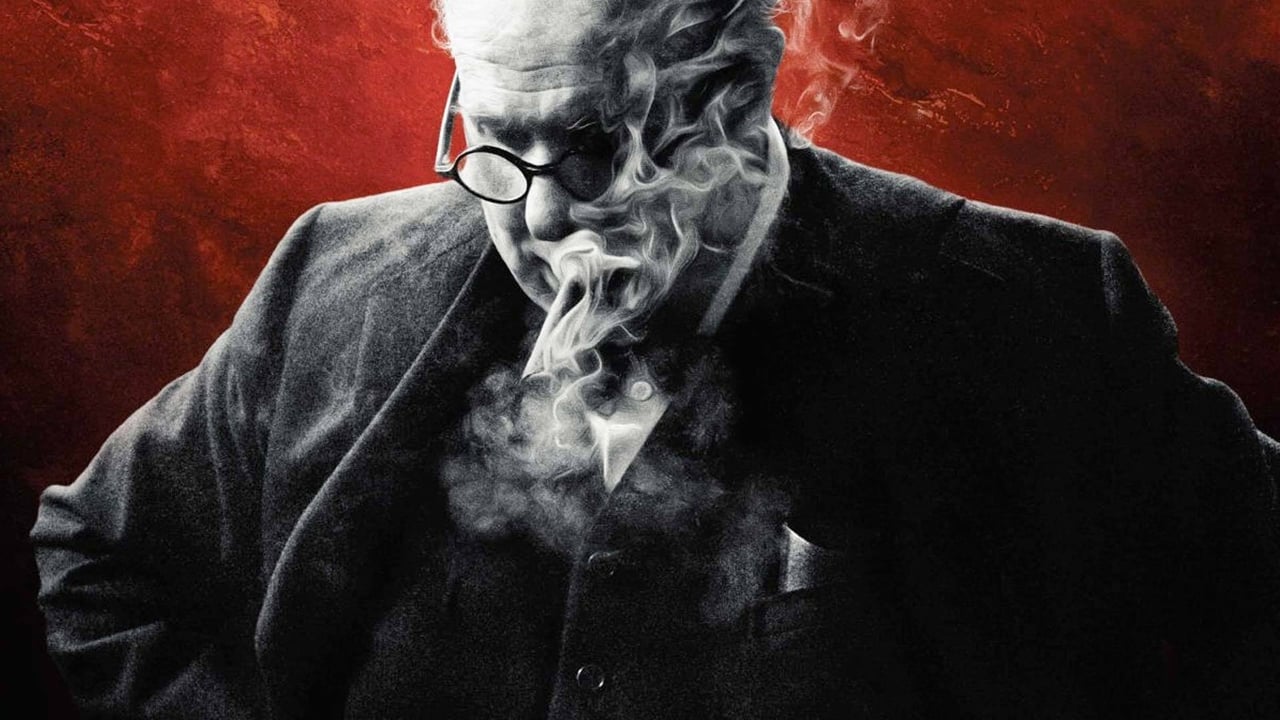
Apparently, Oldman smoked over 400 cigars during the production—roughly $20,000 worth of tobacco—resulting in a serious case of nicotine poisoning. While I don't advocate for actors poisoning themselves for our entertainment, you can feel that physical toll on screen. He isn't just playing "the bulldog"; he’s playing a man who is physically and mentally frayed at the edges.
Light, Shadows, and Subterranean Siege
If you go into this expecting a dry history lesson, you’re in for a shock. Joe Wright directs this like a gothic thriller. Working with cinematographer Bruno Delbonnel (Amélie, Inside Llewyn Davis), Wright turns the War Rooms into a labyrinth of deep shadows and aggressive shafts of light. It’s gorgeous to look at, but it also feels incredibly oppressive.
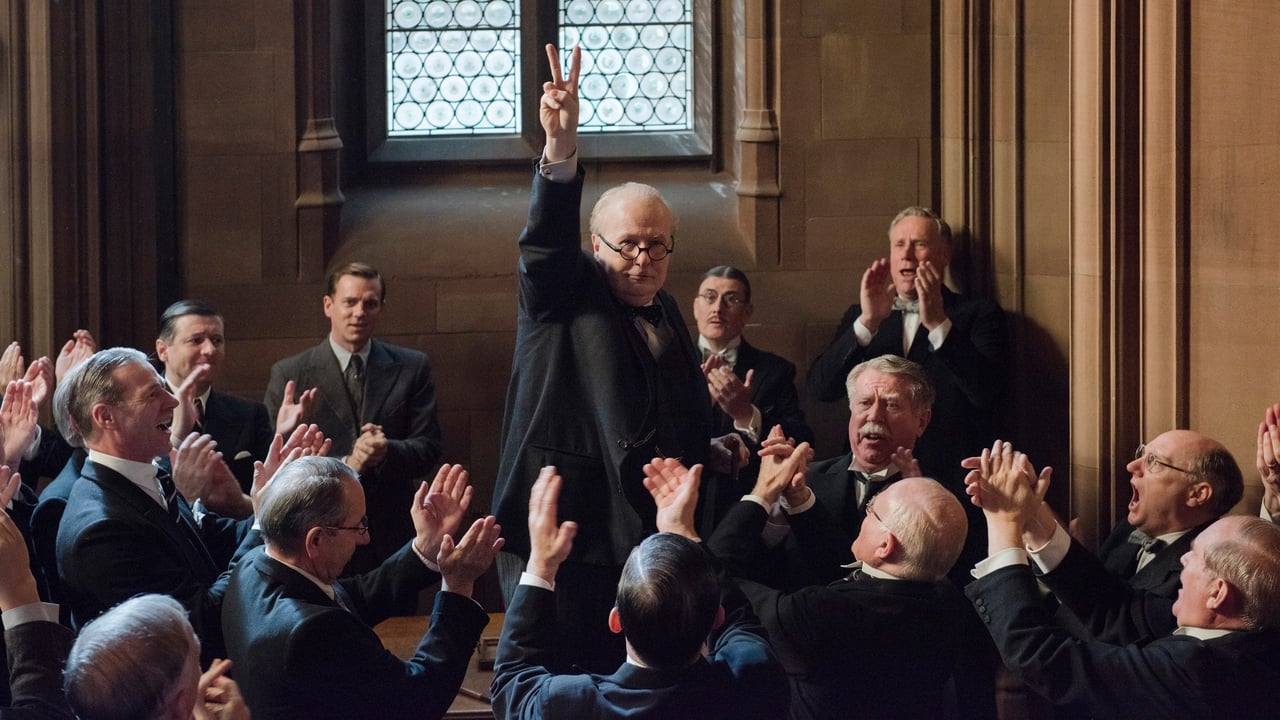
There’s a visual language here that I absolutely adore—the way Churchill is often framed in tiny squares of light or isolated in massive, cavernous rooms. It highlights the central conflict: he is a man trapped. Trapped by his own party, led by a skeptical Ronald Pickup as Neville Chamberlain and a brilliantly icy Stephen Dillane as Viscount Halifax, who are both practically vibrating with the urge to sign a peace treaty with Hitler.
The supporting cast provides the necessary friction. Kristin Scott Thomas is wonderful as Clementine Churchill, offering the only person who can actually tell Winston to shut up and be a human being. Ben Mendelsohn, an actor I usually associate with playing twitchy criminals, gives us a surprisingly moving King George VI. Their relationship is the secret heart of the movie; they start as two men who can barely stand to be in the same room and end as two frightened leaders finding a common spine.
The Myth and the Modern Moment
The screenplay by Anthony McCarten isn't afraid to be theatrical, which brings us to the "Subway Scene." If you’ve seen the film, you know the one—Churchill takes a detour onto the London Underground to ask everyday citizens if they want to surrender. Is it historically accurate? Not even remotely. In fact, it's the shmaltziest bit of historical fiction ever filmed, but I’ll be honest: I didn't care.
In the context of 2017—a year of immense political polarization and a growing cynicism toward leadership—this scene served as a reminder of what we want our leaders to be. We want them to listen. We want them to be fueled by the collective will of the people rather than the backroom dealings of the elite. Lily James, playing Churchill's secretary Elizabeth Layton, acts as our eyes and ears in this world. She represents the generation that would actually have to fight and die for the decisions made by these old men in smoke-filled rooms.
What makes Darkest Hour feel contemporary despite its 1940s setting is its focus on the power of language. In an era of Twitter (now X) diplomacy and soundbite politics, watching a film about the agonizing process of finding the right words to mobilize a nation feels like a lost art form. Churchill’s final speech in the film isn't just a triumph of rhetoric; it’s a desperate, last-ditch effort to "mobilize the English language and send it into battle."
While some might find the pacing a bit deliberate or the historical liberties a bit too "Hollywood," I find Darkest Hour to be a masterclass in tone and atmosphere. It takes a story we all think we know—the "Never Surrender" moment—and makes it feel terrifyingly uncertain. It reminds us that history isn't a straight line; it's a series of terrifying choices made by flawed people who are often just as scared as the rest of us. It’s a beautifully shot, superbly acted drama that proves you don't need a hundred million dollars of CGI to create a spectacle—you just need the right actor, a lot of cigars, and a very good script.
Keep Exploring...
-
Downton Abbey
2019
-
Mank
2020
-
Anna Karenina
2012
-
Ip Man 3
2015
-
Suffragette
2015
-
Everest
2015
-
Sully
2016
-
The Post
2017
-
Ip Man 4: The Finale
2019
-
The Two Popes
2019
-
Elvis
2022
-

The Professor and the Madman
2019
-
The Dig
2021
-
Brooklyn
2015
-
Loving Vincent
2017
-

Judy
2019
-
The King
2019
-
Colonia
2015
-

Land of Mine
2015
-
Spotlight
2015