Despicable Me 3
"Sibling rivalry meets an obsession with the eighties."
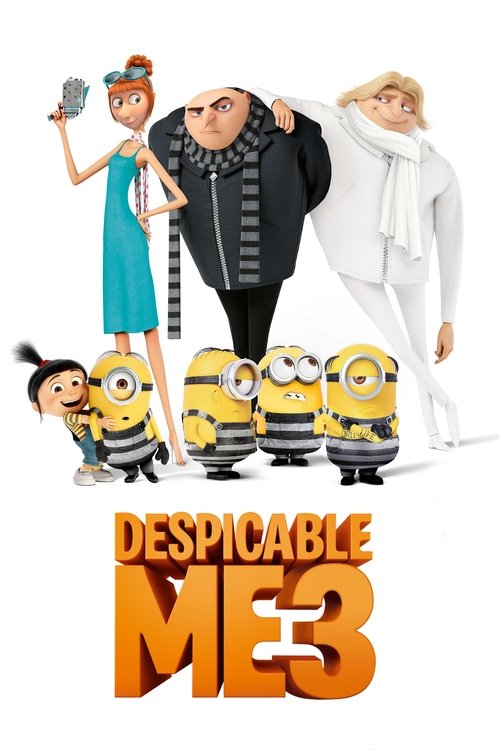
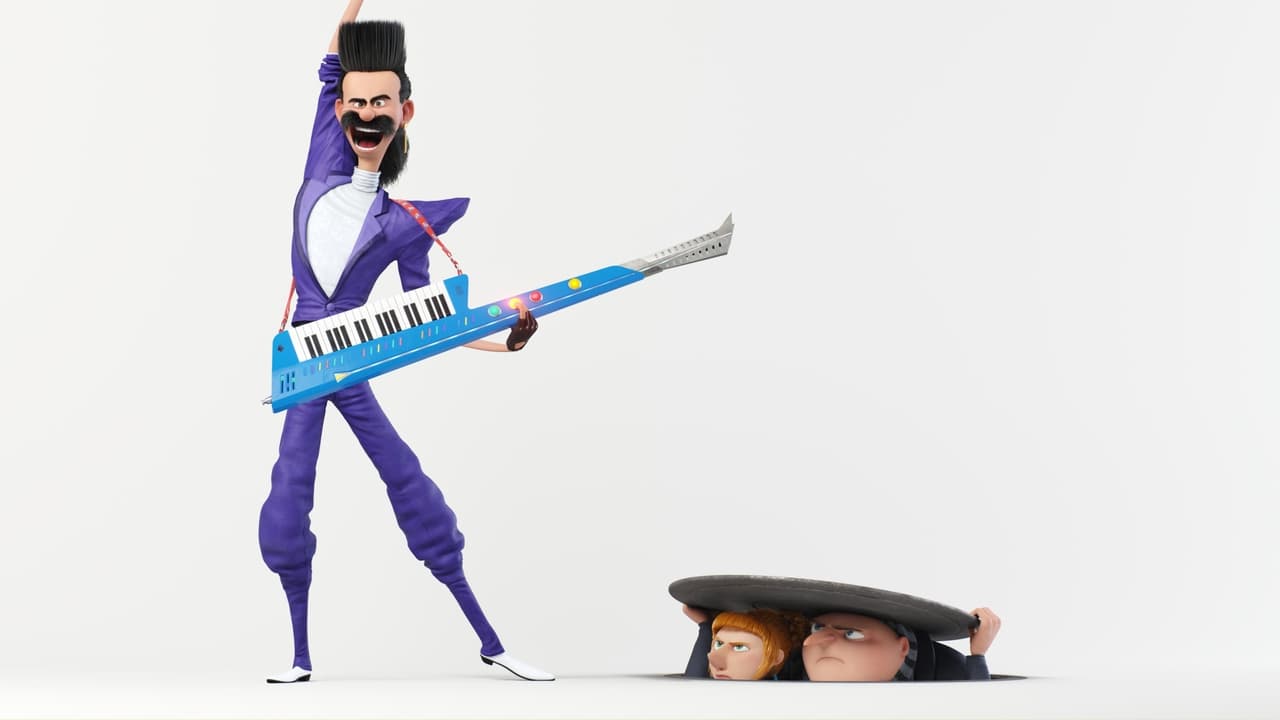
There is a moment early in Despicable Me 3 where the villain, Balthazar Bratt, moonwalks across the surface of the ocean while blasting Michael Jackson’s "Bad." He’s wearing a purple jumpsuit with shoulder pads so large they could double as aircraft carrier decks. In that three-minute sequence, the film lays its cards on the table: this isn't just an animated sequel; it’s a high-octane delivery system for Gen-X nostalgia and bubblegum-colored chaos. I watched this film while nursing a lukewarm cup of peppermint tea that had a single, floating cat hair in it, and honestly, the absurdity of the movie made me forget to be grossed out by my beverage.
The 80s Never Really Left
By 2017, the "legacy of the 80s" was already becoming a dominant currency in Hollywood, but Despicable Me 3 leans into it with a frantic, toy-etic energy that feels specifically designed for the modern franchise landscape. Entering the third installment of any series is a gamble—you either innovate or you coast. This film decides to do a bit of both by introducing a long-lost twin brother, Dru, and a villain who is literally trapped in the year 1985.
Trey Parker, the co-creator of South Park, voices Balthazar Bratt, and he is the undisputed MVP here. It’s his first voice role in a film he didn’t write or direct, and he brings a theatrical, petulant energy that perfectly counters Steve Carell's iconic, vaguely Eastern European growl as Gru. Bratt is a former child star whose show was canceled when he hit puberty, and his weapons of choice—exploding Rubik’s Cubes and weaponized keytars—are a delight to watch. The action choreography in the opening heist is surprisingly inventive; it uses the physics of expanding bubble gum to create a visual language that’s unique to this universe.
A Billion Reasons Why It Works
It is hard to discuss this film without acknowledging its status as a commercial behemoth. It didn't just perform well; it steamrolled the global box office, crossing the $1 billion mark and cementing the Despicable Me brand as the highest-grossing animated franchise in history. In an era where "franchise fatigue" is a constant buzzword, Illumination Entertainment found the secret sauce: keep the budgets relatively lean (around $80 million, which is pocket change compared to Disney’s $200 million beasts) and the visual gags frequent.
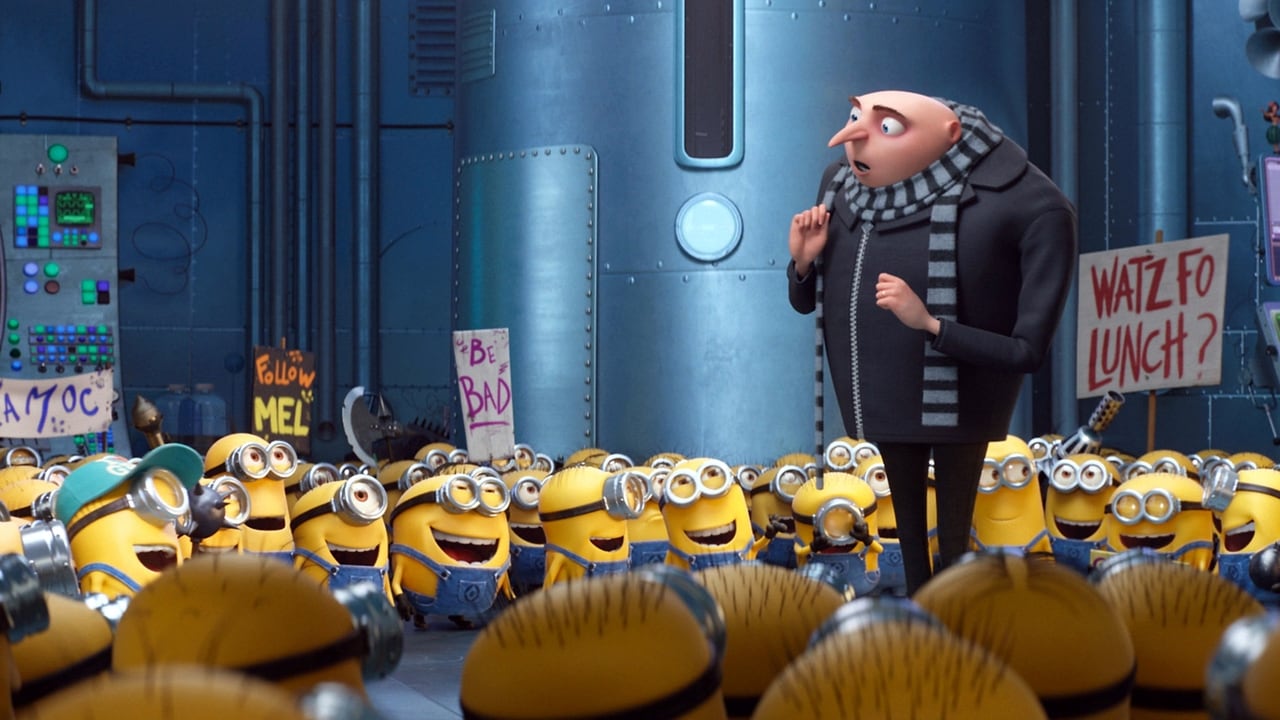
The cultural footprint of the Minions by 2017 was inescapable. They had become the modern-day equivalent of the Looney Tunes, crossing language barriers with their gibberish and slapstick. In this outing, the yellow guys spend most of the movie in a prison subplot that feels like it belongs in a completely different film, yet somehow, it works. Watching a group of pill-shaped henchmen intimidate hardened criminals through a choreographed musical number is exactly the kind of narrative that feels like a bunch of Saturday morning cartoons stapled together, and I mean that as a compliment.
The Brother From Another Mother (And Father)
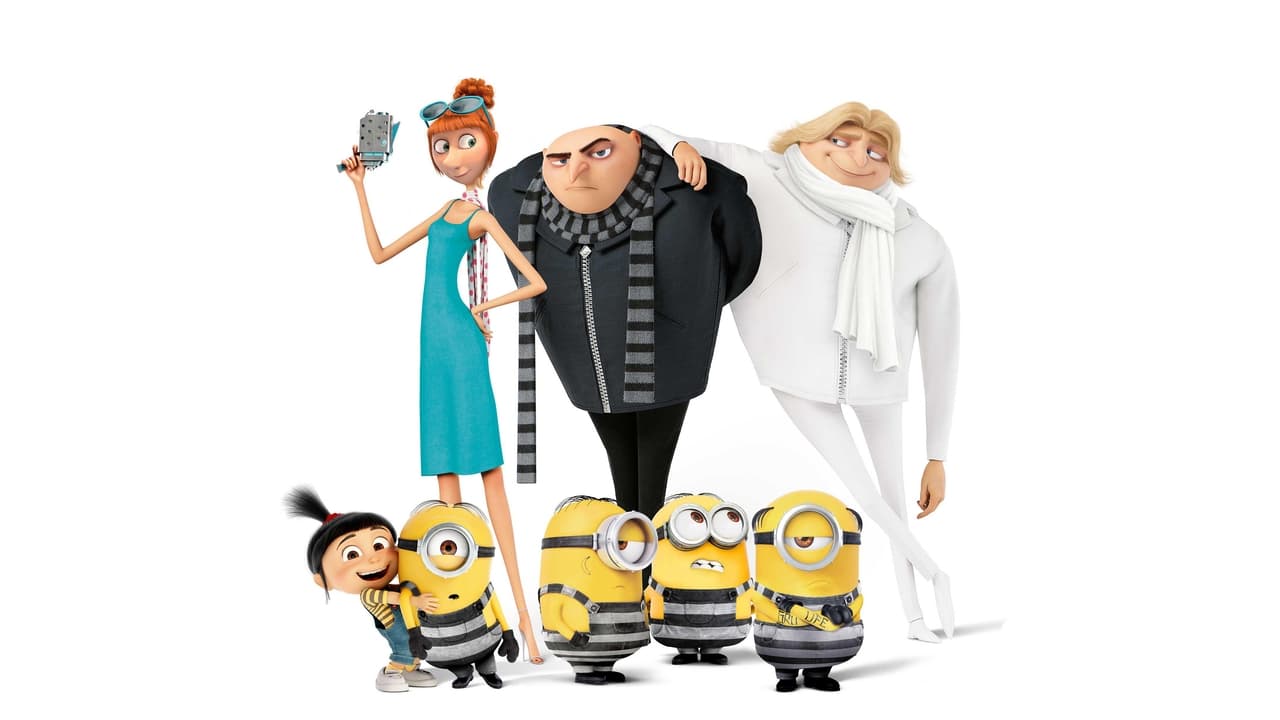
The emotional core—if you can call it that—rests on the relationship between Gru and his blonde, wealthy, and incompetent twin, Dru. Steve Carell performs a vocal duet with himself, giving Dru a high-pitched, breezy optimism that contrasts sharply with Gru’s cynical, retired-villain vibe. The dynamic is fun, but it highlights a recurring issue in contemporary sequels: the "too many characters" syndrome.
Between Gru and Dru’s bonding, Lucy’s (Kristen Wiig) attempts to be a "badass mom" to Margo, Edith, and Agnes, and the Minions' prison break, the film is stretched thin. Kristen Wiig is a comedic powerhouse, but here she’s mostly relegated to a subplot about parenting that feels a bit disconnected from the high-stakes heist plot. However, the film finds its heart in the smallest moments, like Agnes’s quest to find a real unicorn. It’s a reminder that beneath the billion-dollar marketing and the Pharrell Williams beats, these movies still understand the simple, wide-eyed wonder of childhood.

From a technical standpoint, the animation is slick and vibrant. Illumination doesn’t strive for the photorealism of Pixar; they lean into a rubbery, expressive style that suits the comedic timing. The action set pieces, particularly the climax involving a giant robot terrorizing Hollywood, are staged with a clear sense of geography. You always know where the characters are, which is more than I can say for some of the live-action superhero brawls we’ve seen recently.
Ultimately, Despicable Me 3 is a polished, professional piece of entertainment that knows exactly who its audience is. It doesn't aim for the emotional soul-crushing of Toy Story 3 or the philosophical depth of Spider-Man: Into the Spider-Verse. Instead, it offers a colorful, loud, and genuinely funny diversion that bridges the gap between generations. It’s the cinematic equivalent of a high-end candy bar—it won't provide much nutrition, but the sugar rush is undeniable. If you can handle the earworm of a soundtrack and the sight of Minions essentially acting like the Three Stooges on a sugar crash, there’s plenty to enjoy here.
Keep Exploring...
-
Despicable Me 2
2013
-
Despicable Me
2010
-
Despicable Me 4
2024
-

Minions: The Rise of Gru
2022
-
Minions
2015
-
Kung Fu Panda 3
2016
-
The Secret Life of Pets
2016
-
Kung Fu Panda 4
2024
-
The Lego Ninjago Movie
2017
-
The Secret Life of Pets 2
2019
-
The Bad Guys
2022
-
The Lego Movie 2: The Second Part
2019
-
The SpongeBob Movie: Sponge Out of Water
2015
-
Finding Dory
2016
-
Ice Age: Collision Course
2016
-
The Angry Birds Movie
2016
-
Smurfs: The Lost Village
2017
-
Ralph Breaks the Internet
2018
-
Frozen II
2019
-
The Croods: A New Age
2020