Detroit
"The night justice went up in smoke."
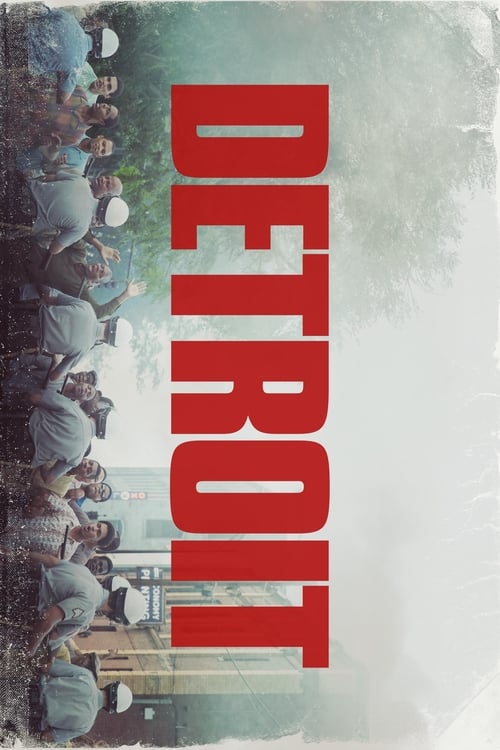
I remember walking out of the theater into a humid 2017 August night feeling like I’d just been through a car wreck. I’d gone in with a large Diet Coke and a bag of peanut M&Ms, but by the one-hour mark, the sugar felt like a mistake. My stomach was in knots. Detroit isn’t a "fun" night at the movies, and honestly, that’s probably why it didn’t make its budget back. People in 2017 were already exhausted by the 24-hour news cycle and the rising tide of social unrest; paying twelve dollars to be trapped in a hallway with a racist cop for two hours was a hard sell. But looking back at it now, in an era where we’ve become almost desensitized to shaky-cam "relevance," this film stands out as a genuinely harrowing piece of craft.
The Anatomy of a Panic Attack
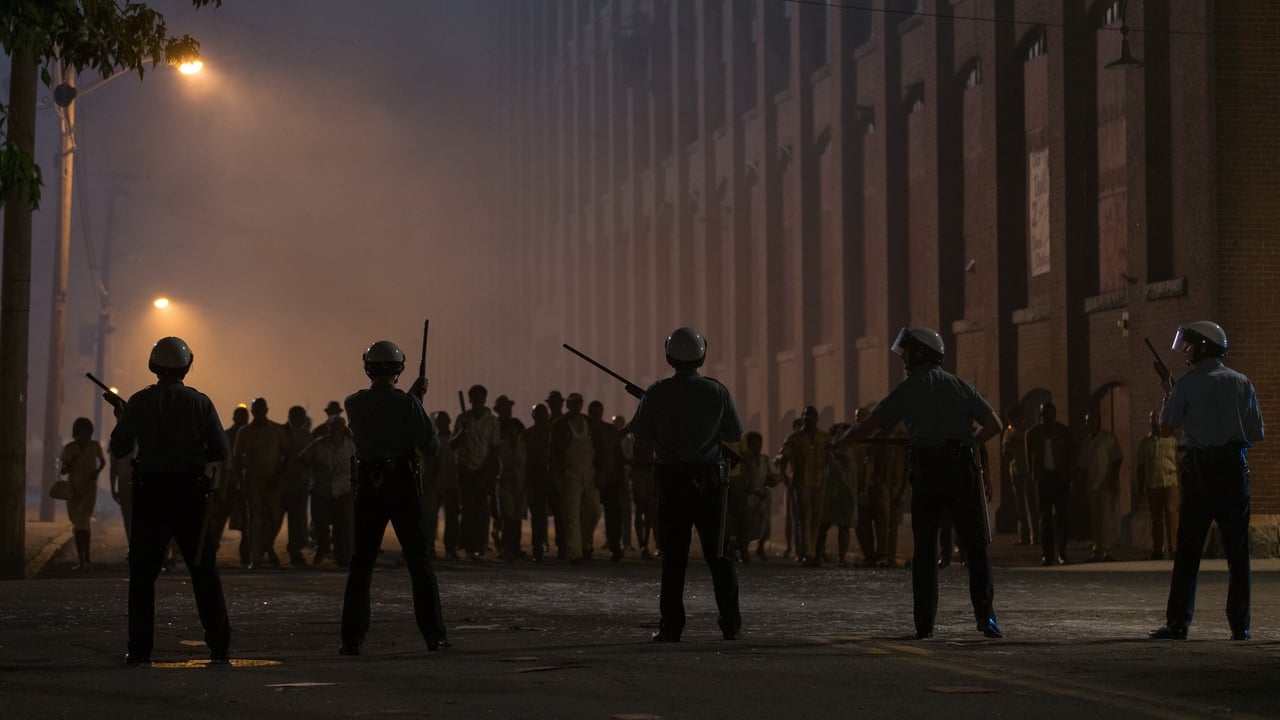
Directed by Kathryn Bigelow, who previously dragged us through the desert in The Hurt Locker and into the dark rooms of the CIA in Zero Dark Thirty, the film tackles the 1967 Detroit riots. However, it’s not a sprawling war epic. After a brief, kinetic introduction to the city-wide chaos, Bigelow and writer Mark Boal shrink the world down to the Algiers Motel. It becomes a claustrophobic chamber piece, and watching this movie is like volunteering for a tooth extraction without the Novocaine.
The plot kicks off when some kids at the motel fire a starter pistol near a line of police and National Guard. The authorities descend on the building, convinced there’s a sniper. What follows is a grueling, real-time interrogation led by Will Poulter’s Officer Krauss. If you only know Poulter from his "eyebrows" meme or his comedic work in We're the Millers, his performance here will give you whiplash. He is terrifying—not because he’s a mustache-twirling villain, but because he’s a mediocre, racist kid with a badge and a terrifying amount of insecurity. He’s the banality of evil in a short-sleeved blue shirt.
A Cast Under Pressure
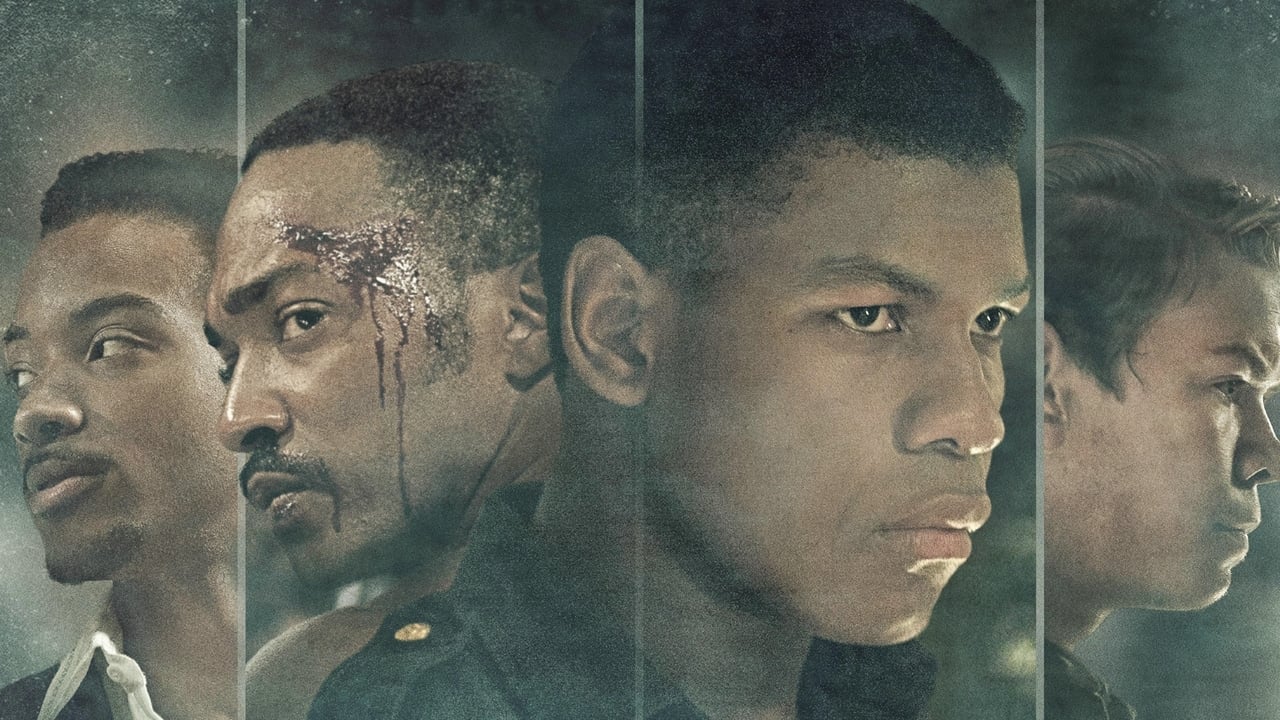
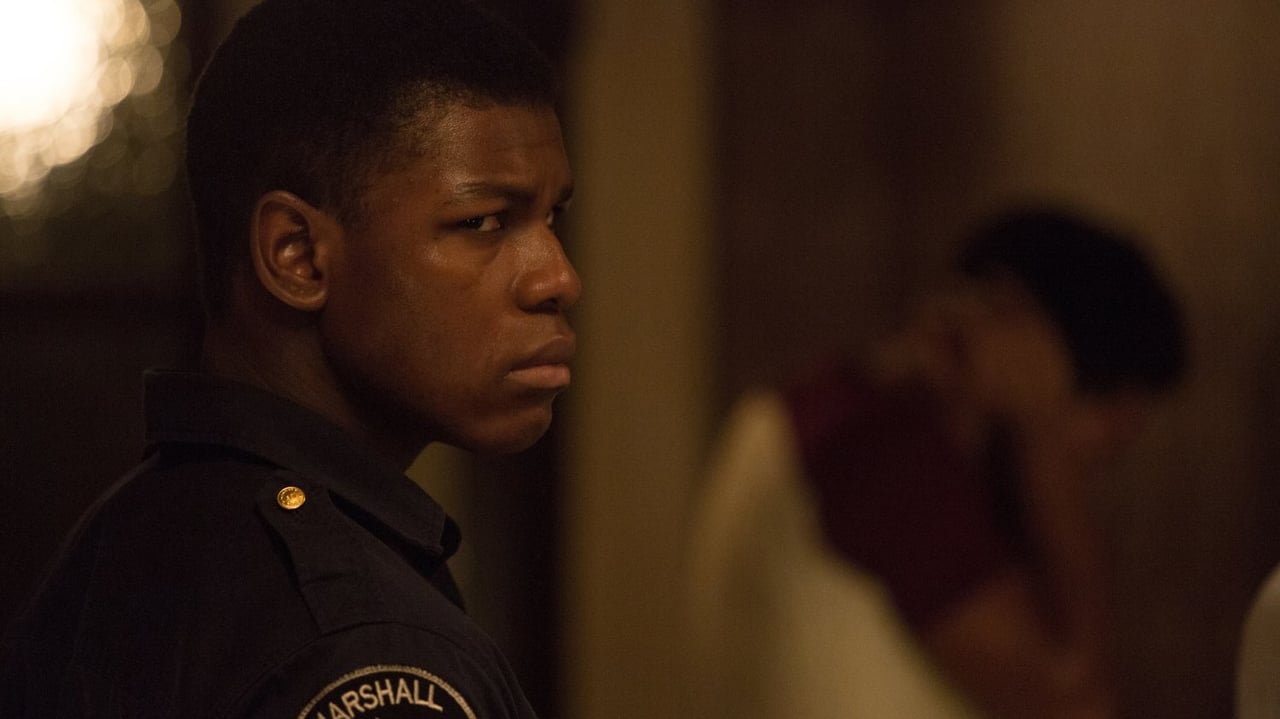
The film works because of its ensemble, many of whom were just starting to break into the stratosphere of "The Streaming Era" stardom. John Boyega, fresh off his Star Wars fame, plays Melvin Dismukes, a security guard who tries to play peacemaker. Boyega has the hardest job in the movie: he has to project a sense of moral conflict while remaining largely passive, a man trying to survive a system that views his cooperation as a weakness. It’s a quiet, internal performance that anchors the chaos.
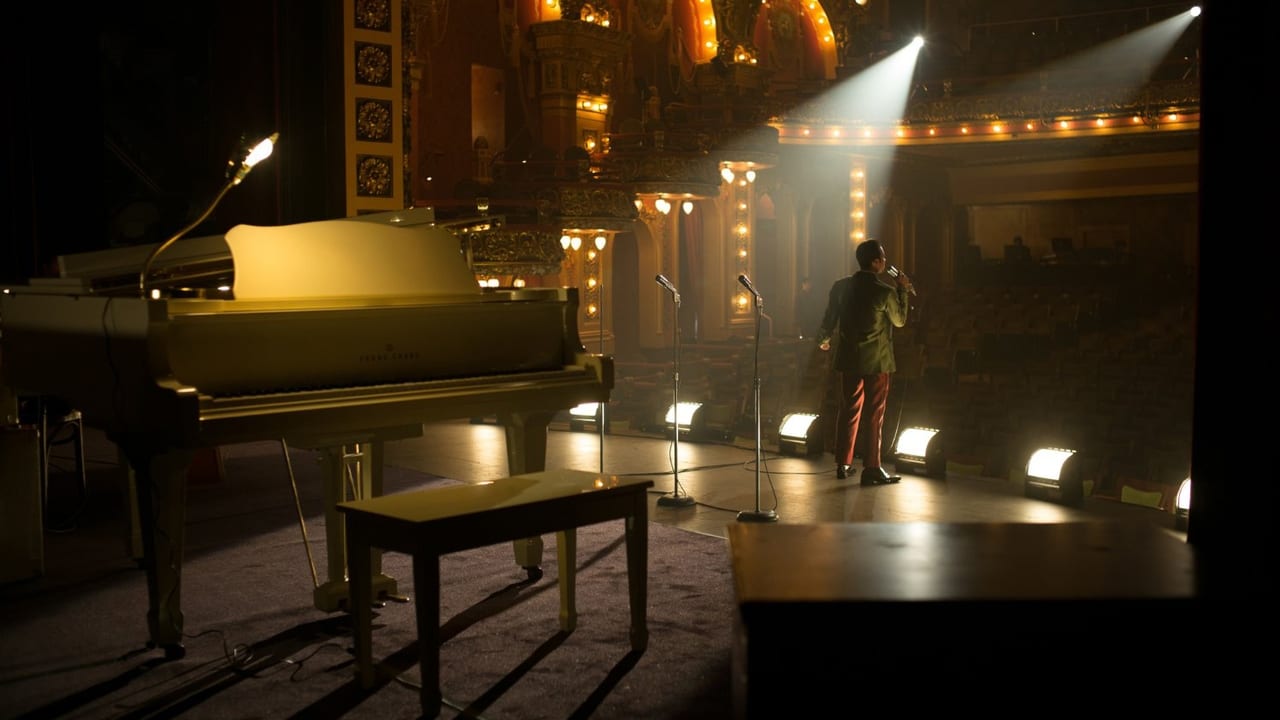
Then there’s Algee Smith as Larry Reed, the lead singer of The Dramatics. His storyline is the true heart of the tragedy. One minute he’s on the verge of a Motown-style breakthrough, and the next, his soul is being crushed by the weight of a corridor wall. Smith is a revelation here, bringing a fragile, artistic sensitivity that makes the eventual outcome feel like a personal bereavement. Anthony Mackie and Jason Mitchell (who was fantastic in Straight Outta Compton) round out a group of victims who feel like real people, not just historical archetypes.
The Bigelow Method
Technically, the film is a masterclass in tension, though your mileage may vary on the cinematography. Barry Ackroyd, who also shot United 93, uses three cameras at once to capture a documentary-style "you are there" feel. It’s jittery, zoom-heavy, and occasionally nauseating. It’s designed to make you feel as trapped as the characters. Apparently, the actors weren't always told where the cameras were, leading to a level of genuine disorientation that bleeds through the screen.
Interestingly, Will Poulter reportedly struggled with the intensity of the role, often breaking down in tears between takes because the racist dialogue he had to spew was so repulsive. You can feel that friction. The film doesn't offer the easy catharsis of a "white savior" character or a triumphant ending. It’s a bleak, uncompromising look at a miscarriage of justice that feels depressingly contemporary.
Does it Hold Up?
In the context of the late 2010s, Detroit was part of a wave of films—alongside Get Out and BlacKkKlansman—that forced audiences to look at the American racial landscape through different genre lenses. While those films found huge audiences by blending social commentary with horror or satire, Detroit refuses to sugarcoat the medicine. It’s a historical thriller that functions like a slasher movie where the monster is wearing a state-issued uniform.
If I have a gripe, it’s the third act. Once the motel sequence ends, the movie transitions into a courtroom drama that feels a bit deflated compared to the white-knuckle terror of the middle hour. But perhaps that’s the point. The "system" is often boring, bureaucratic, and rigged, a cold contrast to the hot-blooded violence of the streets.
If you’re going to watch Detroit, don't do it while you're doom-scrolling. Put the phone away. This is a film that demands your full attention and, in return, it will leave you feeling completely drained. It didn't win the Oscars it was gunning for, and it didn't light up the box office, but it remains one of the most powerful, albeit painful, cinematic experiences of the last decade.
It’s a tough watch, but an essential one. Bigelow proves once again that she is the undisputed queen of high-stakes tension, even if the reality she’s depicting is one most people would rather look away from. Just maybe skip the M&Ms—you won't have the stomach for them once the motel doors lock.

Keep Exploring...
-
Hotel Mumbai
2019
-
22 July
2018
-
An Officer and a Spy
2019
-

The Professor and the Madman
2019
-
The Courier
2020
-
Official Secrets
2019
-
Escape from Pretoria
2020
-
Zero Dark Thirty
2012
-

The Hurt Locker
2008
-
Patriots Day
2016
-
Snowden
2016
-
Operation Finale
2018
-
13 Hours: The Secret Soldiers of Benghazi
2016
-

Tetris
2023
-
Strange Days
1995
-

The Zookeeper's Wife
2017
-
The Outfit
2022
-

The Stanford Prison Experiment
2015
-
The Finest Hours
2016
-

Batman vs. Robin
2015