Dunkirk
"Survival is the only victory."
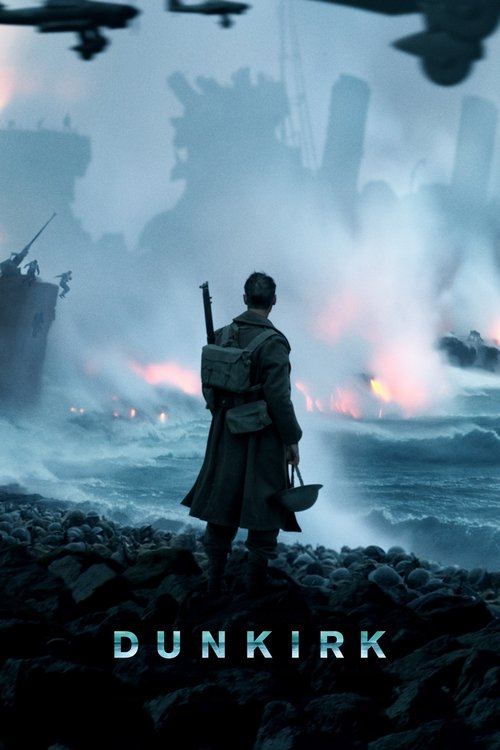
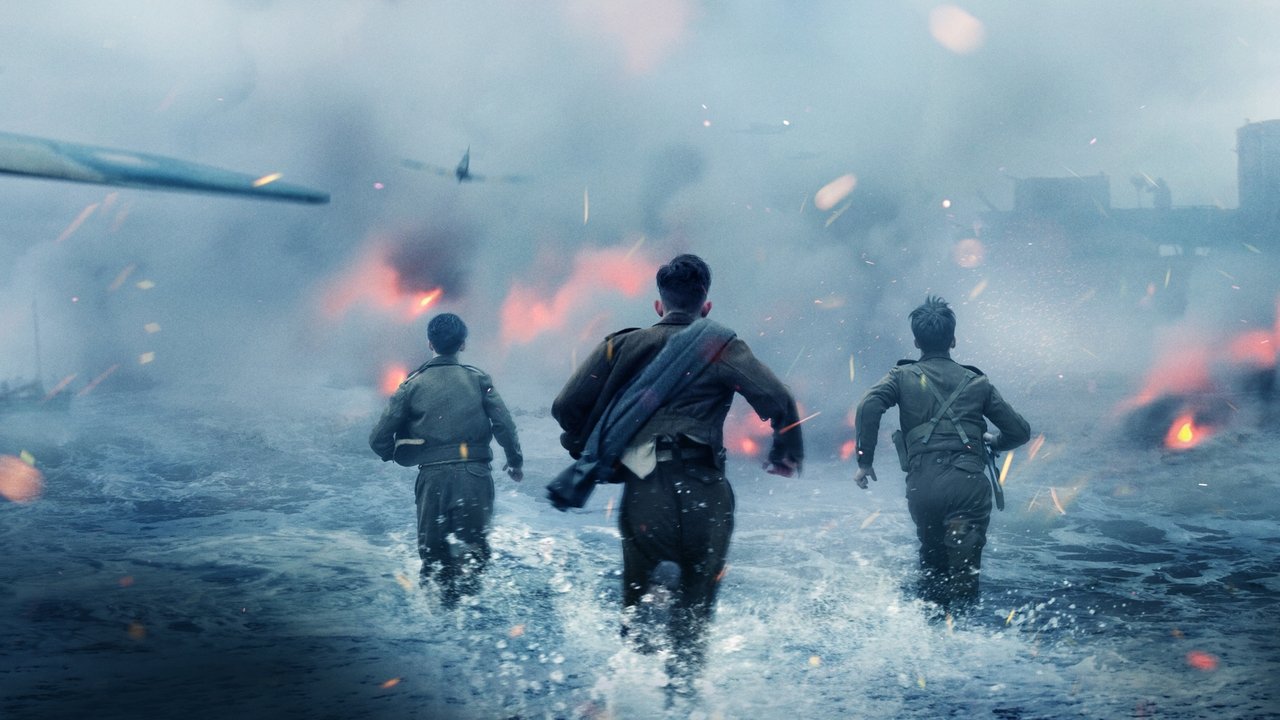
Most war movies want to give you a history lesson or a heroic protagonist to root for before the bullets start flying. Christopher Nolan decided that was a waste of precious time. Instead, he drops you onto a beach where the air feels like it’s made of lead and the only thing that matters is surviving the next sixty seconds. I actually watched this for the third time while wearing noise-canceling headphones that were slightly too tight, and the physical pressure on my skull felt like a perfect, unintended 4D supplement to the crushing anxiety on screen.
The Symphony of the Ticking Clock
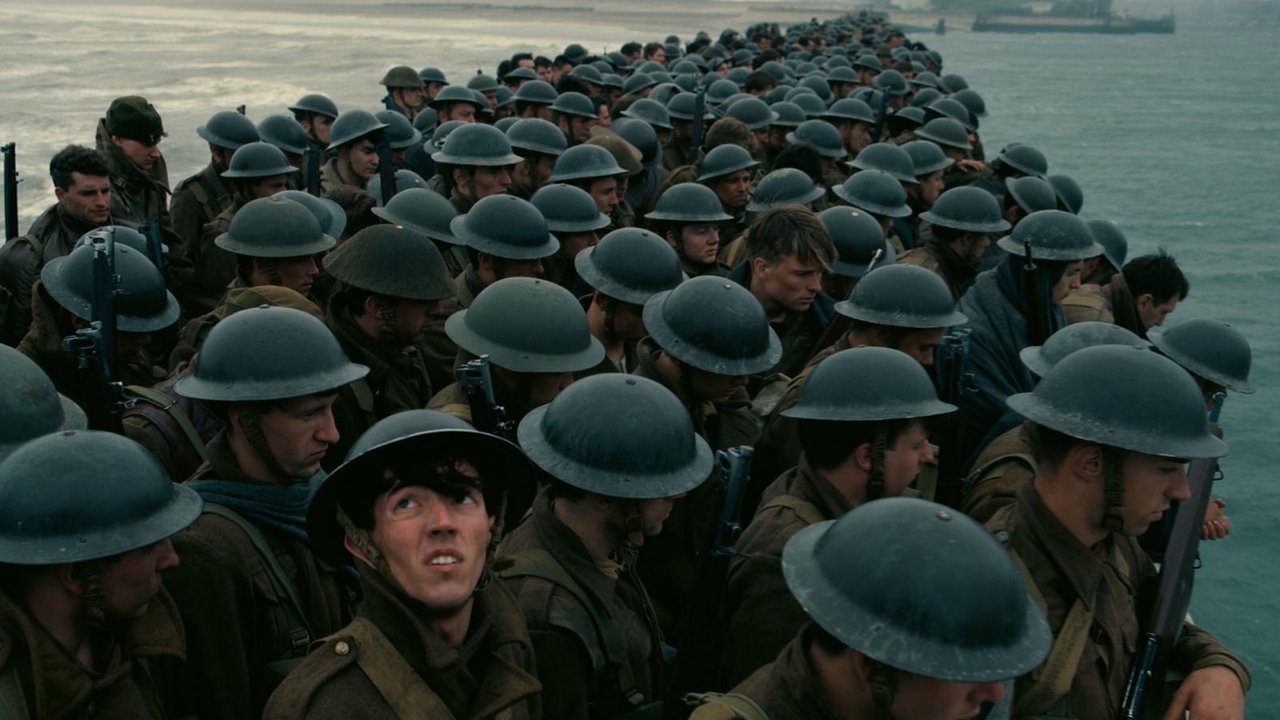
What makes Dunkirk stand out in the current era of bloated, three-hour "event" cinema is its lean, mean efficiency. At 107 minutes, it’s a sprint. But because it’s a Nolan film, he can’t just tell a story from A to B. He splits the evacuation into three overlapping timelines: one week on land (The Mole), one day at sea (The Sea), and one hour in the air (The Air).
It sounds like a gimmick, but in practice, it’s the most expensive ticking clock in history. By the time the three timelines converge, you’ve lost all sense of traditional narrative comfort. You aren't watching a movie; you’re being held underwater. This feeling is amplified by Hans Zimmer’s score, which utilizes a "Shepard tone"—an auditory illusion of a sound that continually rises in pitch but never seems to reach a climax. It is relentless. It makes your pulse jump even when the characters are just standing in a line. In an age where most blockbusters rely on quips to break the tension, Dunkirk refuses to let you breathe.
Action Without the Ego
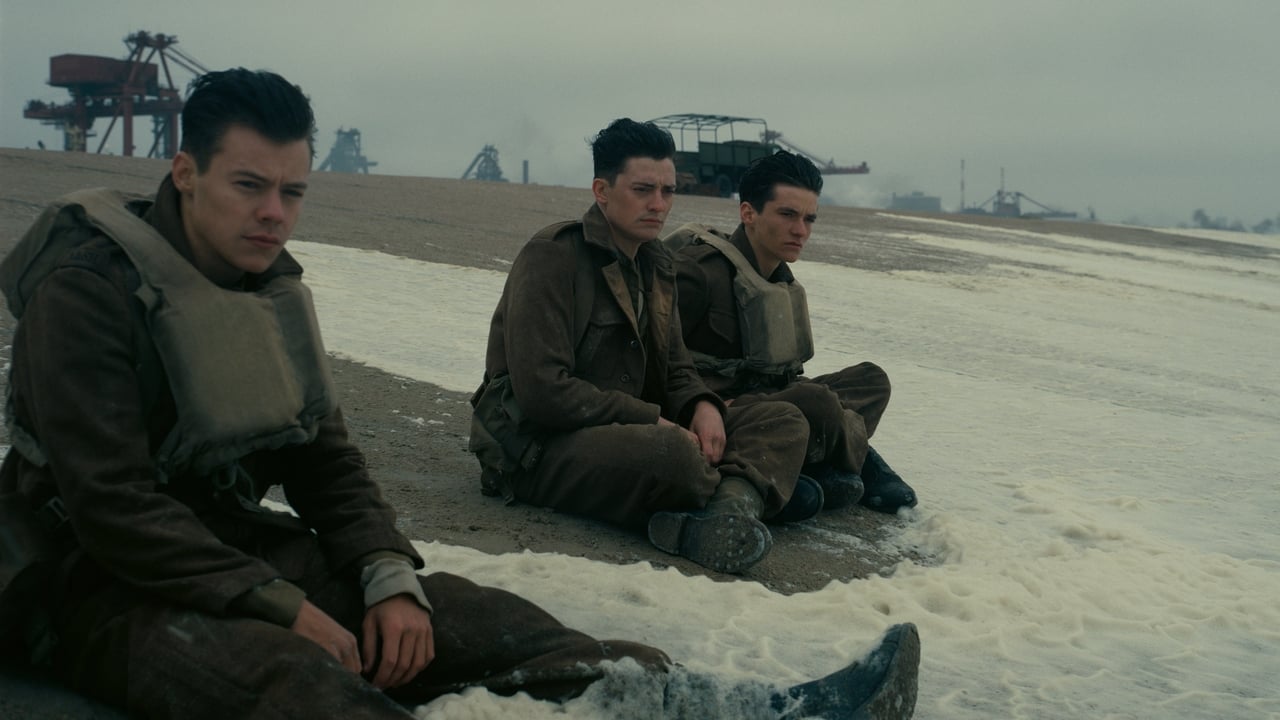
In the current landscape of franchise dominance, we’re used to action being a vehicle for a star’s "hero moment." Dunkirk goes the opposite direction. Fionn Whitehead, as the young soldier Tommy, barely speaks. He isn't a "hero" in the Hollywood sense; he’s a kid who wants to not die. This lack of dialogue is a bold move for a $150 million blockbuster, essentially treating the film like a silent movie with very loud explosions.
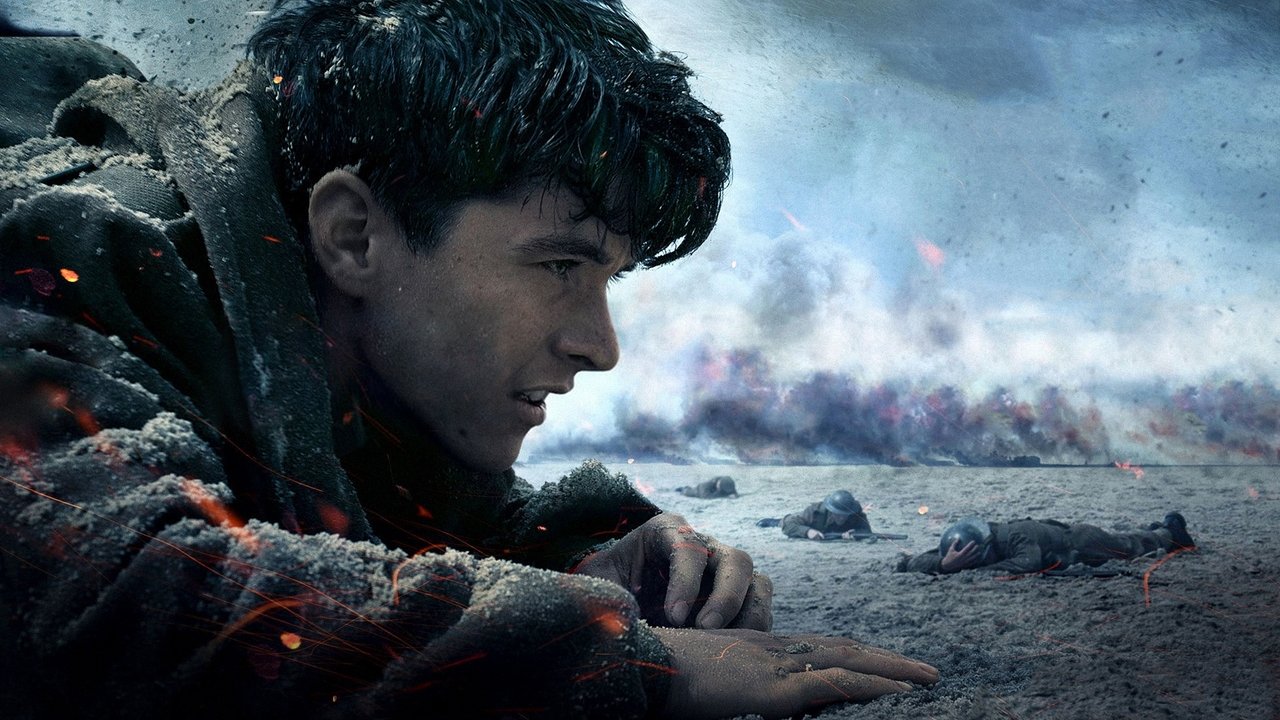
The action choreography is focused on the physical reality of the situation. When a Stuka dive-bomber screams overhead, the soldiers on the beach don't look for cover; they just hit the sand and pray. There is a terrifying clarity to the way Hoyte van Hoytema captures the sinking of the ships. It’s not "shaky cam" chaos; it’s steady, wide, and terrifyingly cold. You see the water rushing into the hulls, and you feel the claustrophobia of the men trapped inside. For me, dialogue is just a distraction from the sound of metal screaming against the waves.
Practicality in a Digital World
In an era where we’ve become a bit desensitized to CGI armies clashing in gray voids, Nolan’s insistence on the "real" is what gives Dunkirk its weight. They didn't just paint in 400,000 men; they used cardboard cutouts in the distance and 6,000 actual extras for the close shots. They used real naval destroyers and genuinely flew vintage Spitfires.
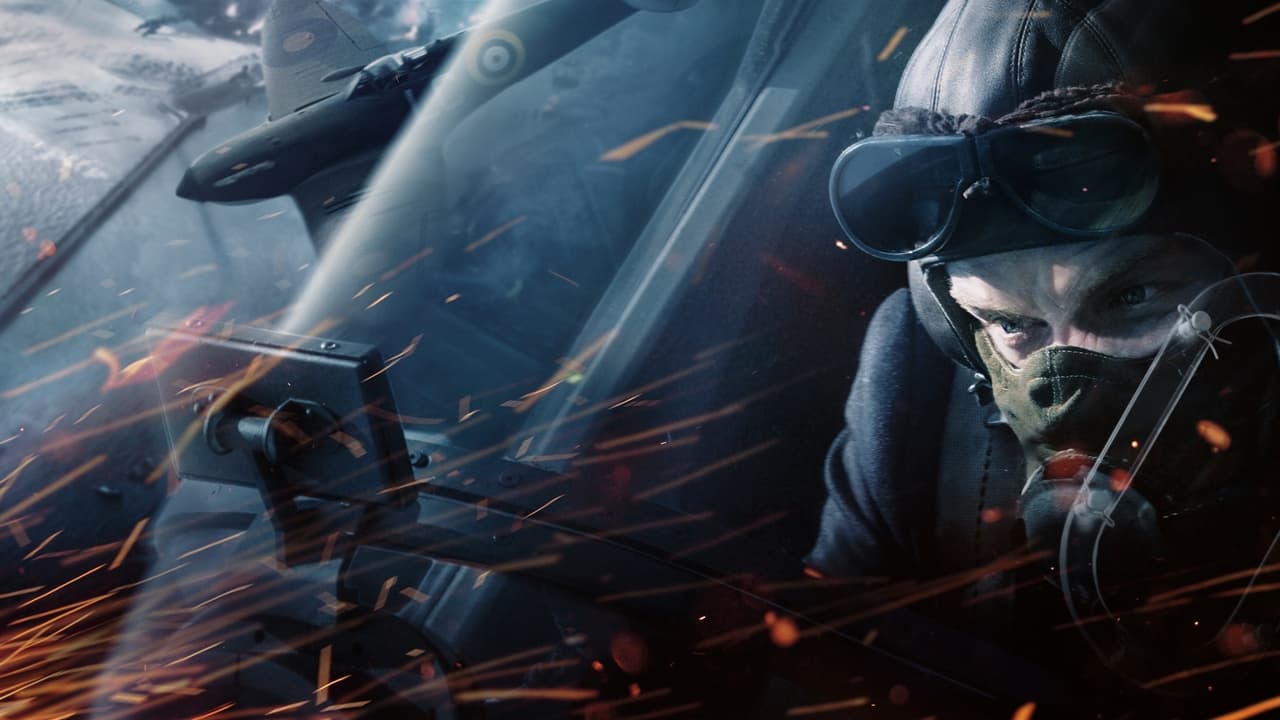
When you see Tom Hardy (playing the pilot Farrier) squinting against the sun in his cockpit, he’s actually up in the air. Most of Hardy's performance is delivered through his eyes because of his flight mask, yet he manages to convey more stoic determination than most actors do with a ten-minute monologue. Meanwhile, Mark Rylance provides the film’s emotional anchor as Mr. Dawson, a civilian sailor heading into the mouth of hell. His quiet, understated resolve serves as the perfect counterpoint to the panicked energy of Cillian Murphy, who plays a shell-shocked soldier picked up from a wreck. It’s a masterclass in how to build a blockbuster around themes of communal sacrifice rather than individual glory.
A Modern Survival Epic
The film was a massive success, pulling in over $527 million at the global box office. That’s an incredible feat for a "non-IP" war movie that lacks a traditional villain (the Germans are almost never shown on screen, appearing only as an invisible, encroaching force). It tapped into a contemporary desire for tactile, grounded storytelling in an increasingly digital world.
There’s a bit of trivia I love about the production: they actually strapped IMAX cameras to the wings of the Spitfires. One of those cameras actually sank during filming when a plane went down in the water. They managed to recover the film, and the footage stayed intact despite being submerged in salt water for hours. That’s the kind of "do it for real" energy that makes Dunkirk feel less like a movie and more like a captured memory. It doesn't need to be an "instant classic"—it just needs to be as loud and as uncompromising as it is.
Dunkirk is a rare specimen: a massive studio film that functions like an experimental art piece. It strips away the sentimentality usually found in the genre and replaces it with pure, unadulterated tension. While some might find the lack of character backstories a bit distancing, I found it incredibly honest. In the middle of a massacre, nobody cares where you went to school or who you're going home to—they just want to see the next sunrise. It’s a haunting, beautiful achievement that demands the biggest screen you can find.
Keep Exploring...
-

The Dark Knight Rises
2012
-
Tenet
2020
-

Batman Begins
2005
-
13 Hours: The Secret Soldiers of Benghazi
2016
-
1917
2019
-
Greyhound
2020
-
War for the Planet of the Apes
2017
-
Т-34
2018
-

Fury
2014
-
Oppenheimer
2023
-
The Dark Knight
2008
-
Inception
2010
-
Lone Survivor
2013
-

Along with the Gods: The Two Worlds
2017
-
The Last Samurai
2003
-
Allied
2016
-
The Outpost
2020
-

Creed II
2018
-

Platoon
1986
-

Legends of the Fall
1994