Everything, Everything
"The world is big, but love is bigger."
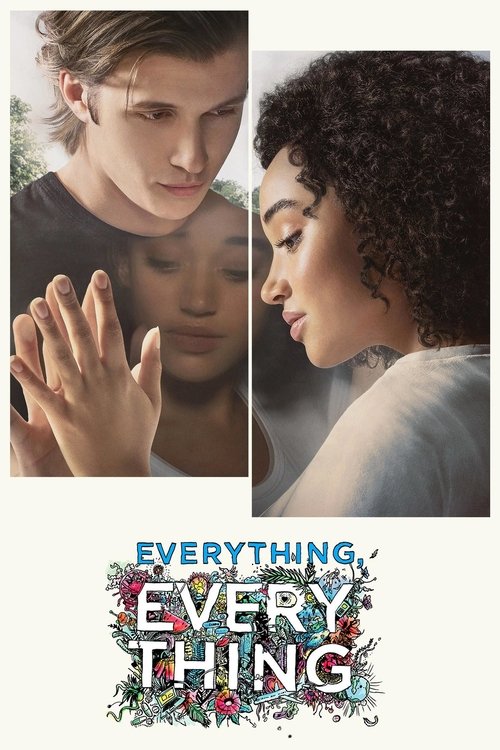
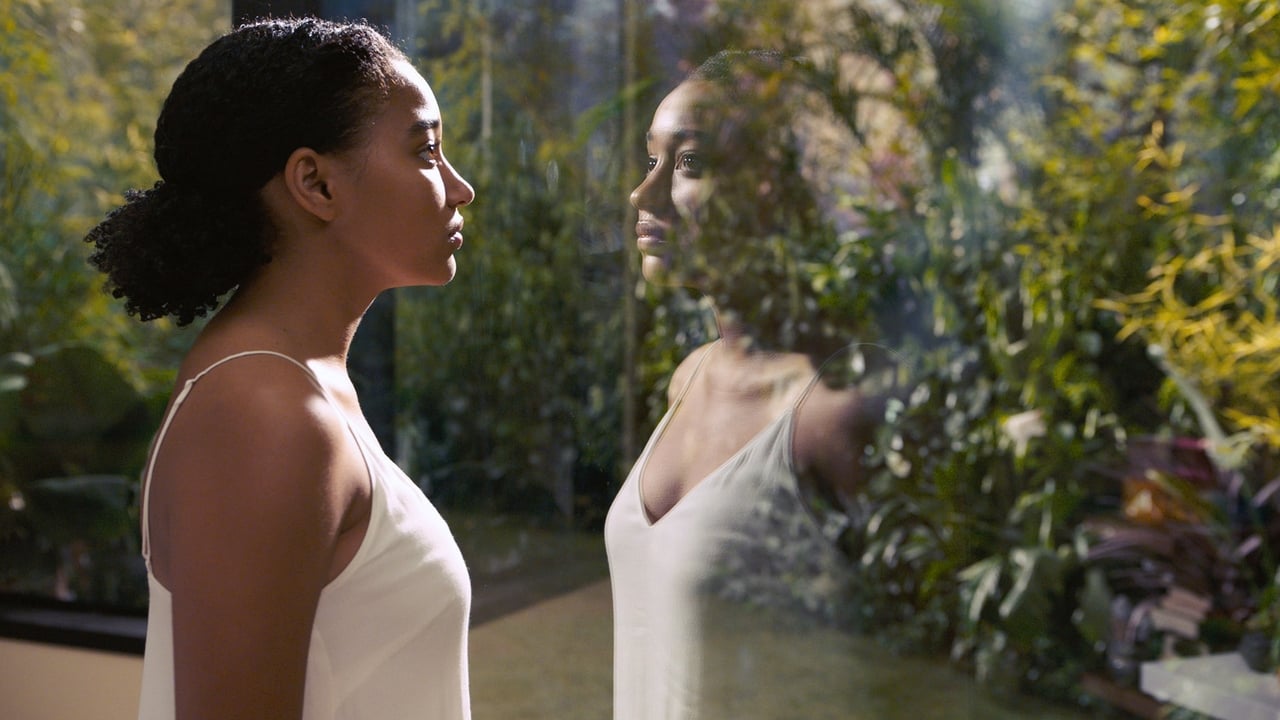
There is a specific kind of architectural loneliness in Everything, Everything that I found strangely hypnotic. I don't mean the "sick-girl-in-a-bubble" trope we’ve seen a thousand times since The Boy in the Plastic Bubble, but rather the way director Stella Meghie visualizes the internal life of a girl who can’t touch the grass. Most teen romances of the late 2010s—the "Sick-Lit" era of The Fault in Our Stars—rely on a lot of hospital lighting and terminal sighs. This one, however, opts for a vibrant, mid-century modern aesthetic that feels more like a Pinterest board come to life than a medical tragedy.
I watched this for the first time while nursing a mild head cold, wrapped in a weighted blanket that smelled faintly of the peppermint tea I’d spilled on it three days prior. There’s something about being confined to your own small "biodome" of a studio apartment that makes Maddy Whittier’s plight feel less like a YA plot point and more like a relatable Sunday afternoon.
Building a World Without Touching It
The premise is straightforward: Maddy (Amandla Stenberg) has SCID, an immune deficiency that means the outside world is basically a giant, invisible deathtrap. She’s spent seventeen years inside a house that looks like a high-end IKEA catalog, her only company being her mother (Anika Noni Rose) and her nurse, Carla (Ana de la Reguera). Then, the boy moves in next door. Olly, played by Nick Robinson, is the quintessential 2017 heartthrob: he wears black, has a "troubled" home life, and—in the most painfully dated detail of the film—he’s really into parkour.
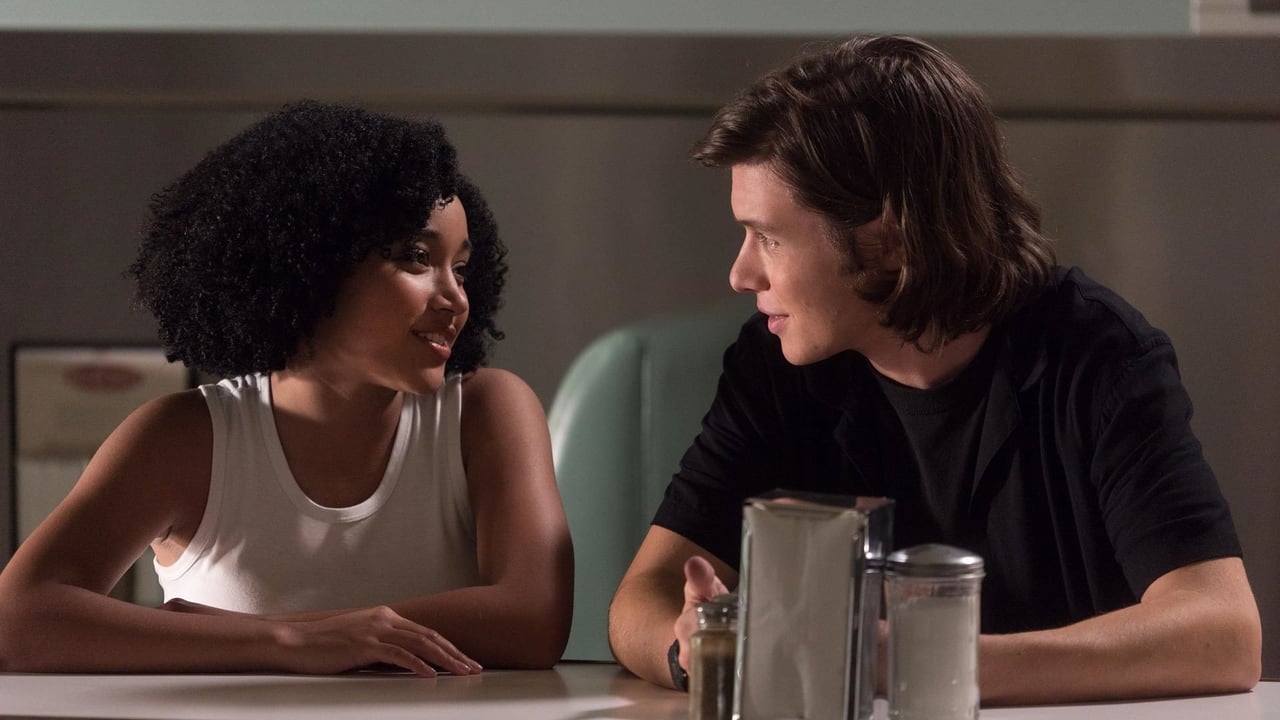
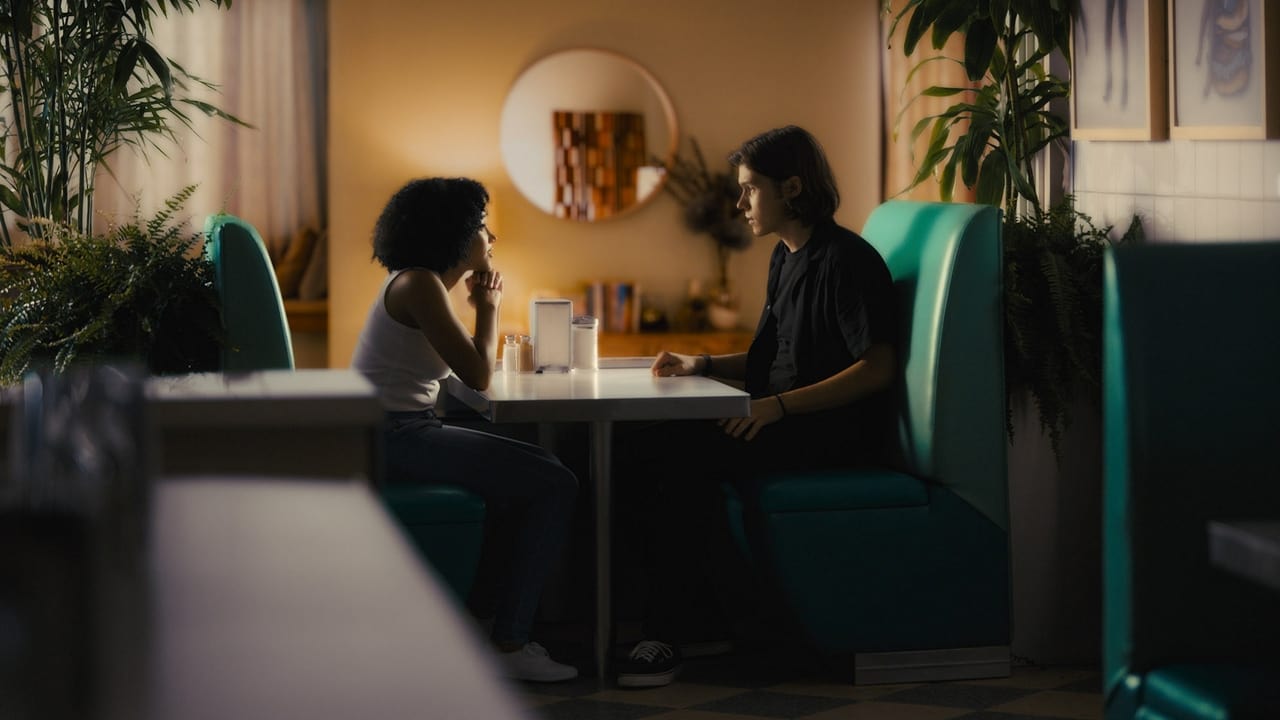
What I actually admired about Stella Meghie's direction was how she handled the "getting to know you" phase. In an era where movies struggle to make texting look cinematic, Meghie takes us inside Maddy’s imagination. When Maddy and Olly text, they aren't just bubbles on a screen; we see them sitting together in the architectural models Maddy builds for her online courses. They’re in a glass diner, or a vast, empty library, talking in person because that’s how the conversation feels to them. It’s a clever bit of visual storytelling that rescues the film from becoming a boring slideshow of iPhone screens.
The Stenberg Spark
Amandla Stenberg, who many of us first met as the heartbreaking Rue in The Hunger Games, carries this movie on her shoulders. She has this incredible ability to look at a Bundt cake with more longing than most actors can muster for a long-lost lover. Her chemistry with Nick Robinson (who was also great in Love, Simon) is genuine, even if Olly’s character is written with a bit too much "manic pixie dream boy" energy.
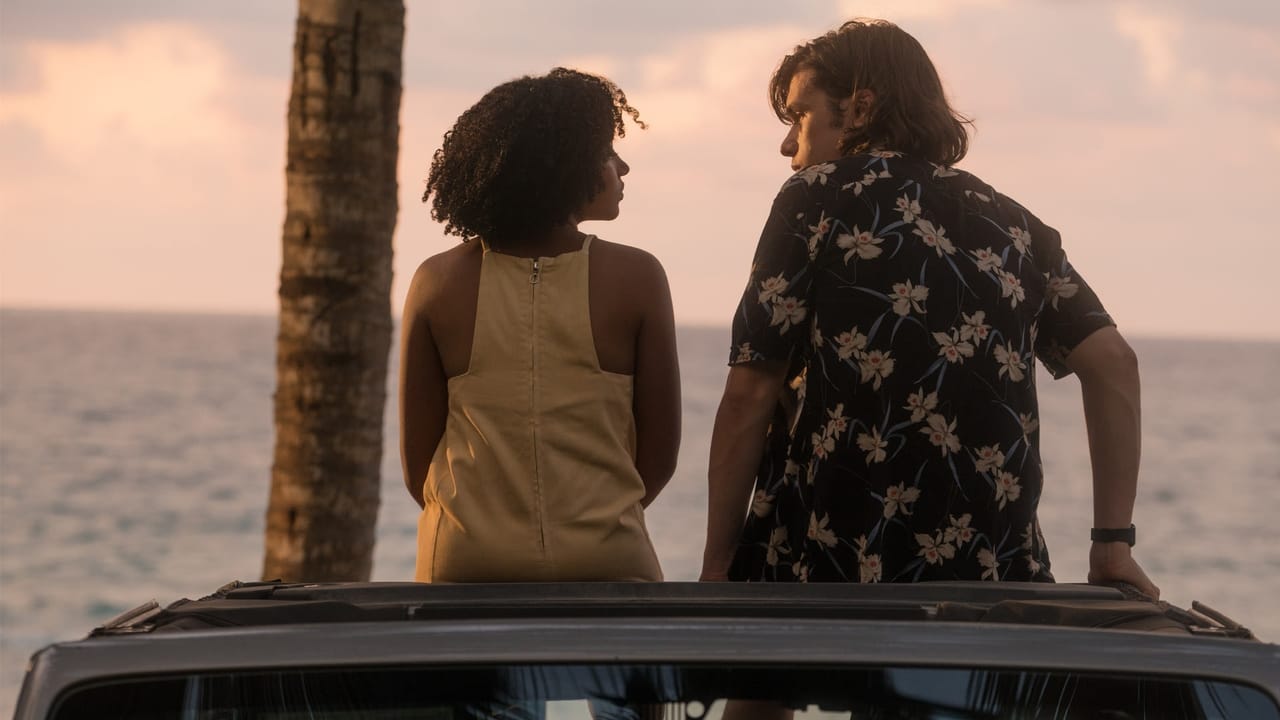
I’ll be honest: the parkour scenes are an absolute cringefest. Every time Olly starts scaled a wall or doing a backflip for no reason, I felt a physical need to hide under my peppermint-scented blanket. But when they’re just staring at each other through the glass, the film finds its heart. It taps into that universal teen feeling that your parents are stifling you and the "real world" is just out of reach, even if your version of "stifling" doesn't involve a pressurized airlock.
The Cult of the Aesthetic
While it didn't set the world on fire at the box office compared to some of its peers, Everything, Everything has quietly become a bit of a "comfort watch" cult classic for a specific generation. It’s the kind of movie that thrives on streaming because of its vibes. The soundtrack, curated by Ludwig Göransson (long before he was winning Oscars for Oppenheimer), is a lush collection of indie-pop that perfectly captures the "everything-is-weighted-with-meaning" feeling of being seventeen.
Interestingly, the film faced some social media heat upon release regarding its big third-act twist. I won't spoil it for the uninitiated, but let’s just say it moves the film from "medical drama" to "psychological thriller" in about six seconds flat. The ending is a total tonal car crash, and yet, it’s the only reason I still think about this movie years later. It’s daring in a way that most "safe" studio romances aren't. It asks a very dark question about the nature of protection versus control, even if it wraps that question in a very pretty bow.
Stuff You Didn't Notice

One of the cooler details is that the book’s author, Nicola Yoon, and her husband and daughter actually have a cameo in the Hawaii scenes. Also, because the film was shot in British Columbia while pretending to be California and Hawaii, the production had to get creative. That "Hawaii" beach? It was actually a cold, windy day in Canada, and the actors were reportedly shivering between takes. You'd never know it from Amandla Stenberg's performance—she sells the warmth of the sun like a pro.
The film also marks a significant moment for representation in the genre. Seeing a Black girl as the lead in a high-gloss, "universal" teen romance shouldn't have felt like a revolution in 2017, but it did. The film doesn't make her race "the point," which is exactly why it’s effective. She’s just a girl who wants to see the ocean, and that's a story anyone can get behind.
At the end of the day, Everything, Everything is a stylish, if slightly lightweight, entry into the YA canon. It’s a movie that understands the intensity of first love, even if it stumbles over some of its more melodramatic plot points. If you can forgive the parkour and the somewhat jarring ending, it’s a beautifully shot daydream that reminds me why we all used to spend so much time staring out of windows. It’s not a masterpiece, but it’s a lovely place to spend 96 minutes when you’re feeling a little "bubbled" yourself.
Keep Exploring...
-
The Age of Adaline
2015
-
The Mountain Between Us
2017
-
The Longest Ride
2015
-
Café Society
2016
-
Collateral Beauty
2016
-
The Big Sick
2017
-
The Space Between Us
2017
-
After
2019
-
After We Collided
2020
-
After We Fell
2021
-
The Darkest Minds
2018
-
The Hate U Give
2018
-

We Are Your Friends
2015
-
Youth
2015
-
Passengers
2016
-
Paterson
2016
-
Sierra Burgess Is a Loser
2018
-
The Ballad of Buster Scruggs
2018
-
All the Bright Places
2020
-
To All the Boys: Always and Forever
2021