Fifty Shades Darker
"Luxury, lace, and the ghosts of girlfriends past."
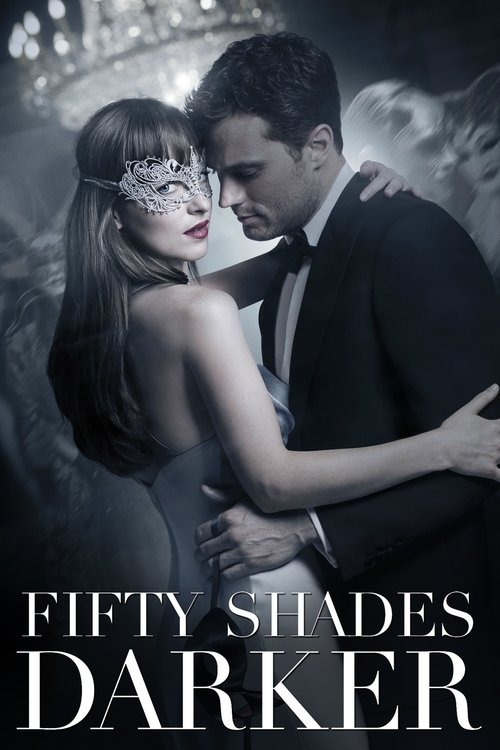
Walking into a theater in February 2017 felt like joining a very specific, very well-dressed cult. Universal Pictures had turned Valentine’s Day into a corporate holiday specifically designed to sell silk ties and masquerade masks, and Fifty Shades Darker was the centerpiece of that campaign. I remember the air in the lobby smelling faintly of overpriced popcorn and aggressive floral perfume, which, honestly, is the exact sensory profile of this entire movie. I actually watched this for the first time while my roommate was loudly microwave-thawing a block of frozen spinach in the next room, and the rhythmic thump-thump of the microwave felt oddly more rhythmic than the film’s actual pacing.
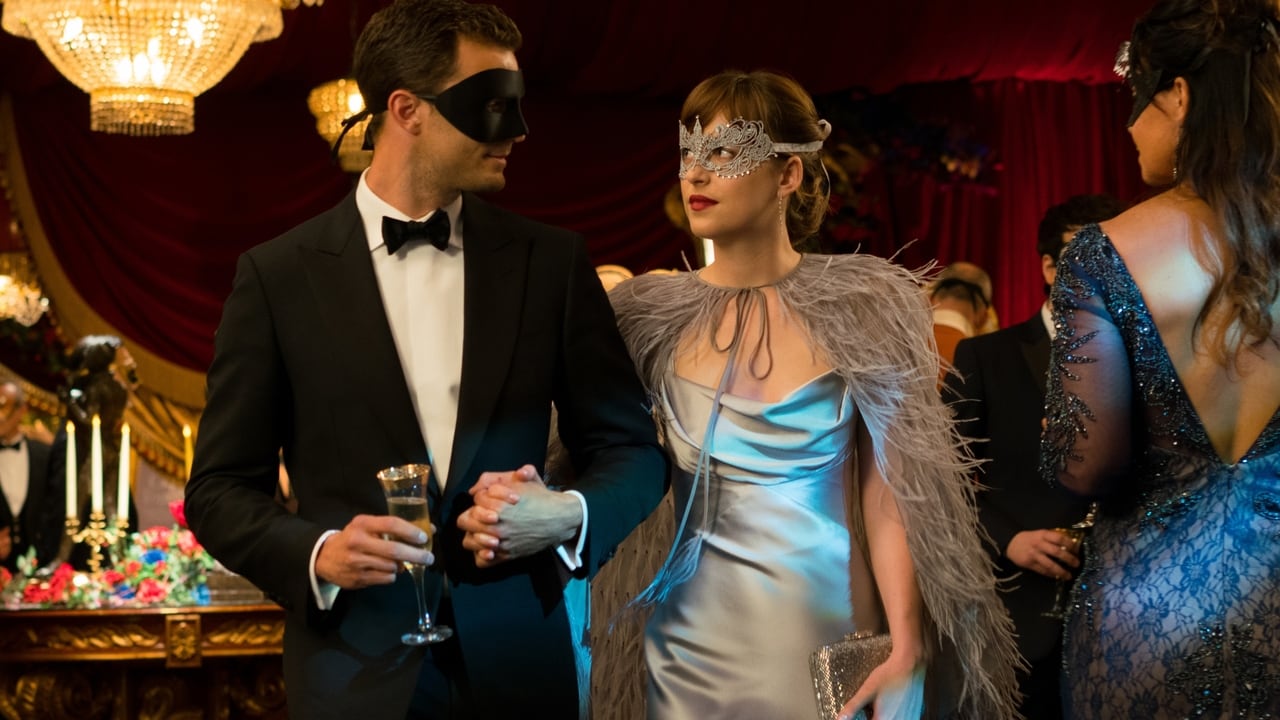
As a sequel, Fifty Shades Darker had a strange mountain to climb. The first film was a massive curiosity hit, but by the time the second installment rolled around, the "mommy porn" novelty had worn off. We were fully entrenched in the era of franchise saturation, where every mid-tier success needed to be a trilogy. Director James Foley stepped in for Sam Taylor-Johnson, and he brought a slicker, more "erotic thriller" vibe to the proceedings, though the "thriller" part mostly involves a helicopter crash that is resolved so quickly you’ll wonder if you accidentally blinked through the climax.
The Soap Opera Glow-Up
The plot picks up almost immediately after the first film’s elevator-door-slam ending. Anastasia Steele, played by the endlessly charismatic Dakota Johnson, is trying to start a career in publishing. Christian Grey (Jamie Dornan) is trying to win her back by promising "no more rules, no more secrets." Of course, that lasts about twelve minutes before he’s buying the company she works for. It’s peak 2010s "problematic billionaire" energy, and watching it today, the film feels like a time capsule of a specific pre-#MeToo cultural moment where we were still trying to decide if Christian’s behavior was romantic or a valid reason for a restraining order.
What makes this entry more watchable than the first is the sheer soap opera absurdity. We get a jilted ex-submissive named Leila (Bella Heathcote) lurking in the shadows like a low-budget ghost, and Kim Basinger showing up as Elena Lincoln (the "Mrs. Robinson" figure) to look glamorously displeased at cocktail parties. It’s ridiculous, but at least it’s moving. The film leans into its own glossiness; it’s essentially a high-end perfume commercial that accidentally went on for two hours. Every frame is dripping with wealth—Pacific Northwest penthouses, silver masquerade balls, and yachts that cost more than my entire family tree’s collective net worth.
Performative Chemistry and Script Pains

I have always maintained that Dakota Johnson is the MVP of this entire franchise. She has this incredible ability to sell the most clunky, industrial-grade dialogue with a wink and a shrug. She knows exactly what kind of movie she’s in. On the other hand, Jamie Dornan—who is a brilliant actor in things like The Fall—frequently looks like he’s mentally calculating how many days are left on his contract. Their chemistry is a weird paradox; they look great together, but their emotional connection often feels like two beautiful strangers waiting for a bus that’s running thirty minutes late.
The screenplay, written by Niall Leonard (husband of the book's author, E.L. James), struggles to find a middle ground between the book's internal monologues and actual cinematic drama. We spend a lot of time watching Ana and Christian negotiate their "new arrangement," which involves a lot of whispering in marble hallways. When the conflict finally arrives in the form of Ana’s predatory boss, Jack Hyde (Eric Johnson), it feels like it belongs in a different, punchier movie. Hyde is a mustache-twirling villain in a world of silk sheets, and while he provides some much-needed tension, his subplot feels like a trailer for the third movie rather than a cohesive part of this one.
The $380 Million Valentine
From a blockbuster perspective, Fifty Shades Darker was an undeniable juggernaut. Despite a critical lashing, it raked in $381 million worldwide. It was part of a dying breed: the mid-budget, R-rated adult drama that could still command a massive theatrical audience. Today, a movie like this would almost certainly be a "Netflix Original" dumped on a Friday morning with half the production budget. Seeing it in the context of 2017 reminds me of how much we used to value the "theatrical event," even when the event was just watching two people argue about non-disclosure agreements.
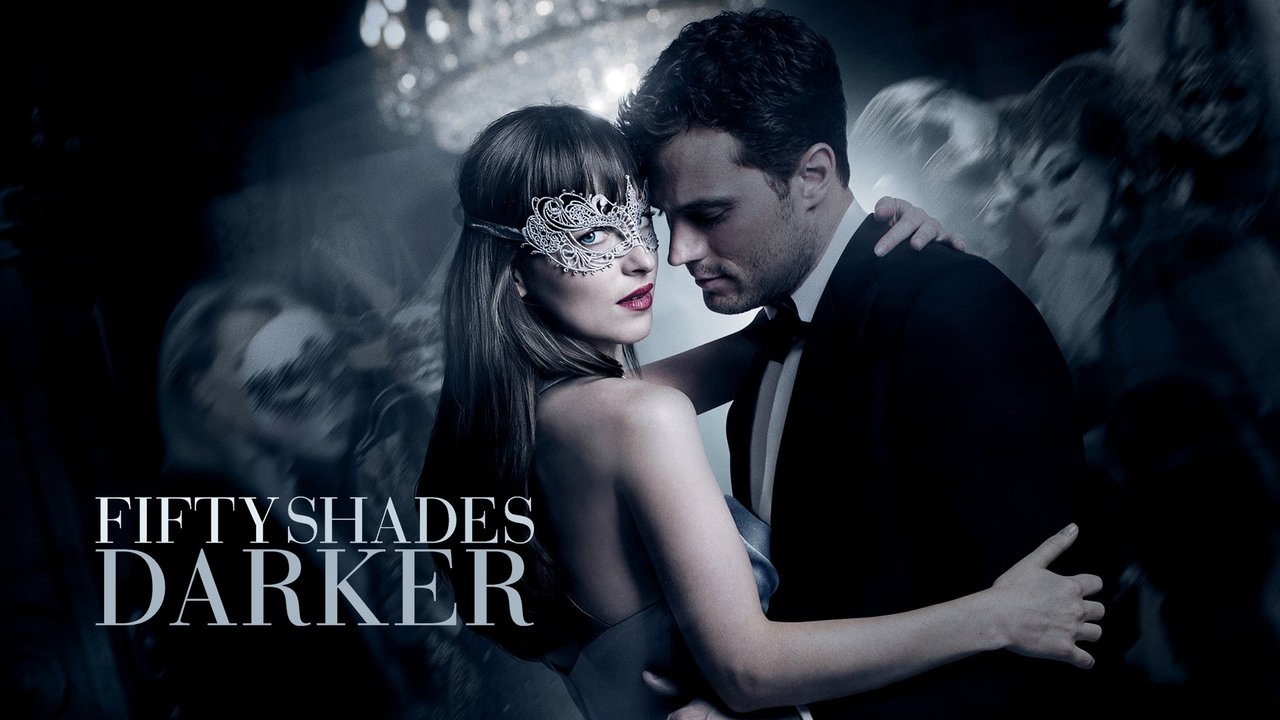
The film also leaned heavily into the "lifestyle brand" marketing of the era. The soundtrack was a legitimate phenomenon, featuring the Taylor Swift and Zayn Malik duet "I Don’t Wanna Live Forever," which played on a loop in every mall in America for six months. The music, handled by the legendary Danny Elfman, is actually far better than the movie deserves—it lends a sense of prestige and melancholy to scenes that are otherwise just about Christian buying Ana another iPad. It was a masterclass in how to package a "B-movie" plot into an "A-list" experience.
Ultimately, Fifty Shades Darker is a film that functions best as background noise for a girls' night in rather than a serious piece of cinema. It’s beautiful to look at and occasionally hilarious in its earnestness, but it lacks the narrative bite to be a truly great drama. It’s a fascinating relic of a time when the box office was dominated by literary adaptations that promised scandal but delivered mostly high-end interior design inspiration. If you're looking for deep psychological insight, you won't find it here, but if you want to see some very expensive boats and Dakota Johnson doing her best with the word "kinky," it’s a perfectly functional way to kill two hours.

Keep Exploring...
-
Fifty Shades Freed
2018
-
Fifty Shades of Grey
2015
-

Materialists
2025
-
Cinderella
2015
-
Passengers
2016
-

Aloha
2015
-
Equals
2015
-
Collateral Beauty
2016
-
Fallen
2016
-
High Strung
2016
-

Mother's Day
2016
-
The Choice
2016
-
Everything, Everything
2017
-
Home Again
2017
-

The Mountain Between Us
2017
-
The Shape of Water
2017
-

The Space Between Us
2017
-
Wonder Wheel
2017
-
You Get Me
2017
-
Sierra Burgess Is a Loser
2018